







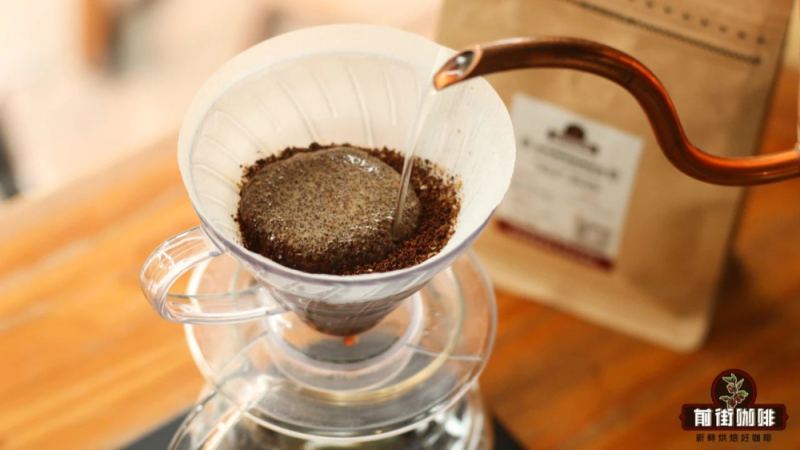
How Do You Start Pour-Over Coffee as a Beginner?
Pour-over coffee is built on seven core elements: fresh beans, correct grind size, water temperature, water quality, dripper choice, coffee-to-water ratio, and brewing time. Beginners can follow these points instead of memorizing equipment lists. Extraction then moves through three stages: wetting the grounds, dissolving soluble compounds, and diffusing them into the water. Freshly roasted beans, ideally within 30 days of roast, set the base for any cup.
Grind size changes how fast water passes through the bed. A finer grind slows the flow and lengthens extraction, which can pull out woody or harsh notes, while a coarser grind speeds things up. Using Ethiopia Natural Huakui 8.0, the guide walks through a full barista brew so the method can be repeated at home without guessing.
Specialty coffee is becoming increasingly popular, and pour-over, a brewing method that showcases the bean's true flavors, has attracted a large number of beginners. But faced with a dizzying array of equipment and techniques, many people don't know where to start. Based on Front Street Coffee's hands-on experience, this article systematically breaks down the seven key elements of pour-over coffee—from bean freshness, grind size, water temperature and water quality, to dripper selection, coffee-to-water ratio, and brewing time—and takes an in-depth look at the three-step extraction principle of wetting, dissolution, and diffusion. Finally, using Ethiopia Natural Huakui 8.0 as an example, it gives a complete demonstration of a Front Street Coffee barista's brewing process and flavor expression, helping beginners build a clear pour-over framework.
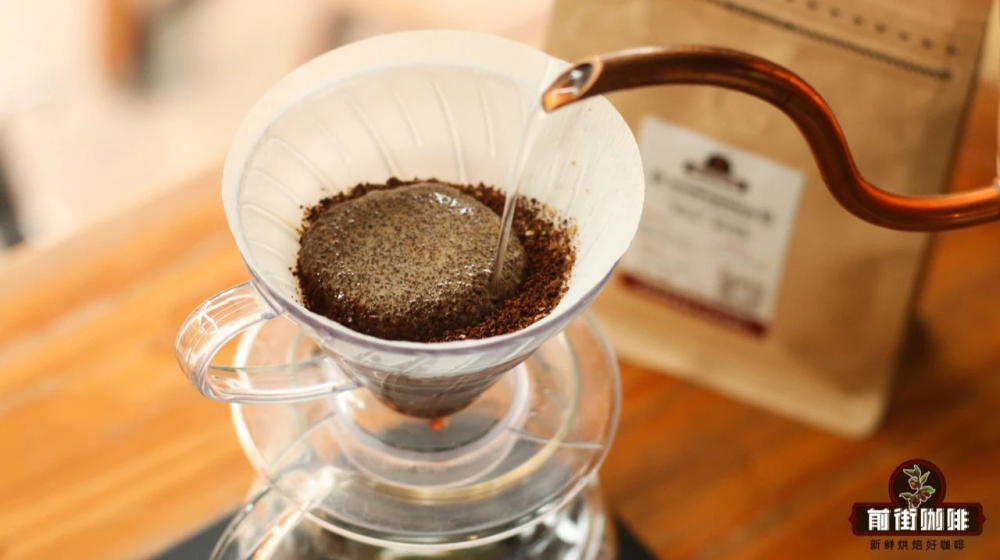
As the specialty coffee wave continues to advance, pour-over coffee has gradually entered the public eye. However, for those just getting started, the wide variety of brewing tools and dazzling array of techniques often leave them feeling at a loss. Quite a few friends have reached out to Front Street asking how beginners should take their first step. In this article, Front Street will discuss the seven core elements of pour-over coffee and the underlying principles of pour-over extraction.
The so-called seven elements of pour-over are a concise set of key points summarized by the baristas at Front Street Coffee (FrontStreet Coffee) based on long-term brewing practice. The purpose is to let learners quickly grasp what to pay attention to during pour-over without having to dig through a mountain of materials.
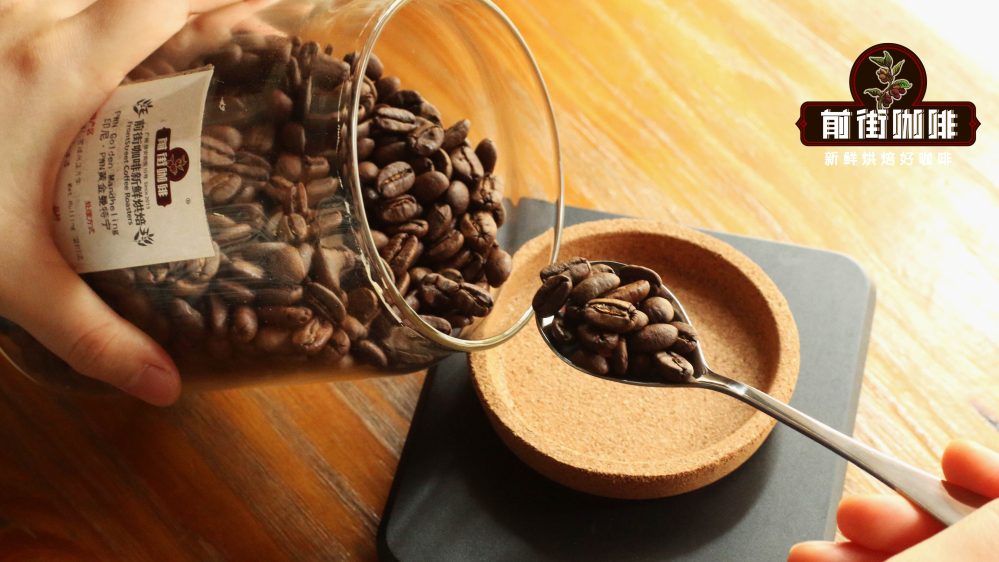
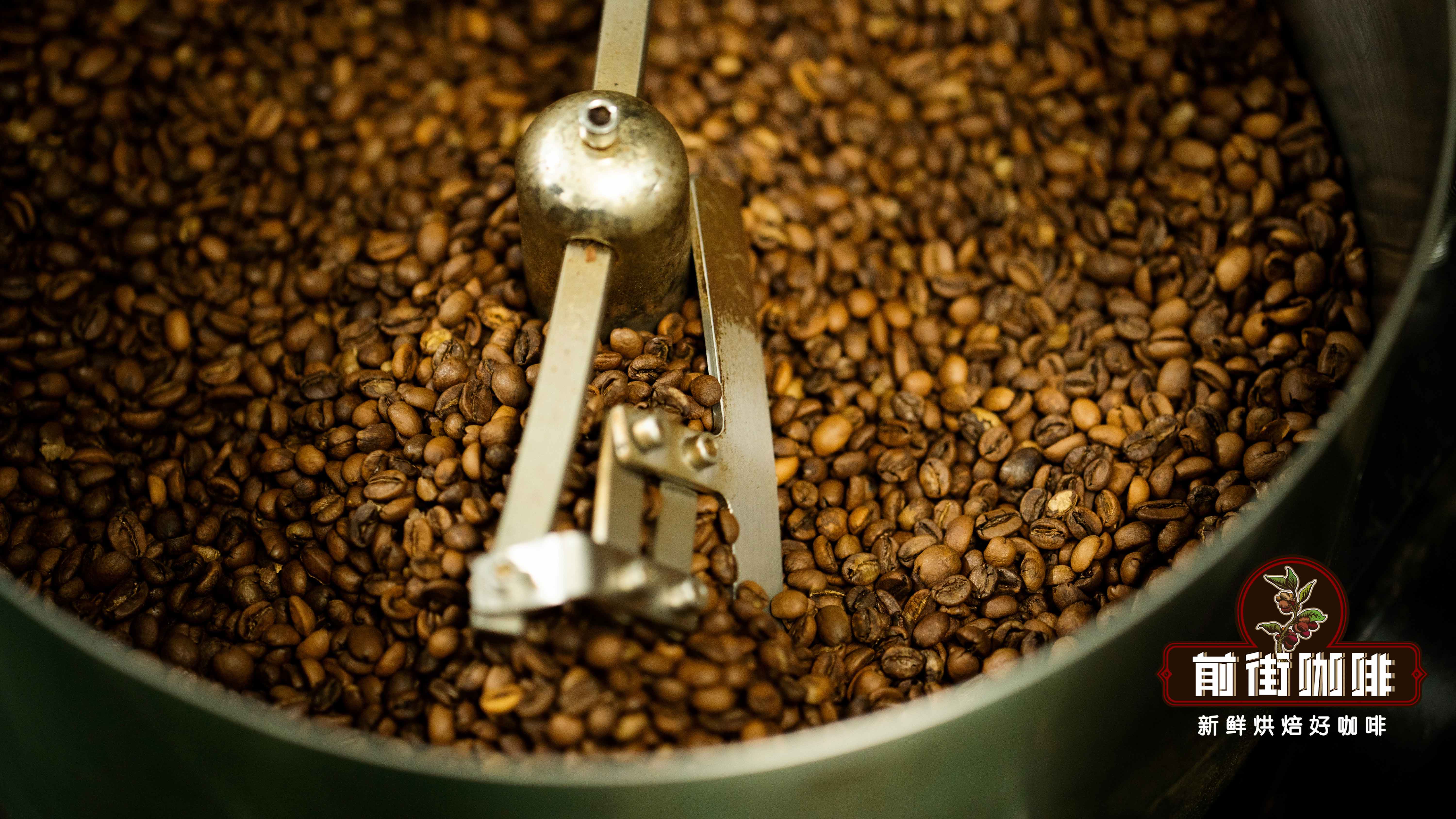
First, coffee beans must be fresh. Front Street believes that the peak flavor period of coffee beans is within 30 days after roasting. Once this period is exceeded, aroma molecules continuously escape along with carbon dioxide, and the brewed coffee tends to taste flat and lacking in layers. For this reason, every time Front Street discusses brewing knowledge, it repeatedly reminds: be sure to use freshly roasted beans.
Second, the grind size must be appropriate. The finer the grind, the more easily coffee grounds accumulate at the bottom of the filter paper, increasing resistance as water passes through, slowing the flow rate, and prolonging extraction time, which tends to bring out unpleasant notes like woody or off-flavors. Conversely, the coarser the grind, the larger the gaps in the coffee bed, the less hot water comes into contact with coffee grounds, and with lower resistance and faster dripping, the extraction yield is on the low side, so the flavor is naturally thin.
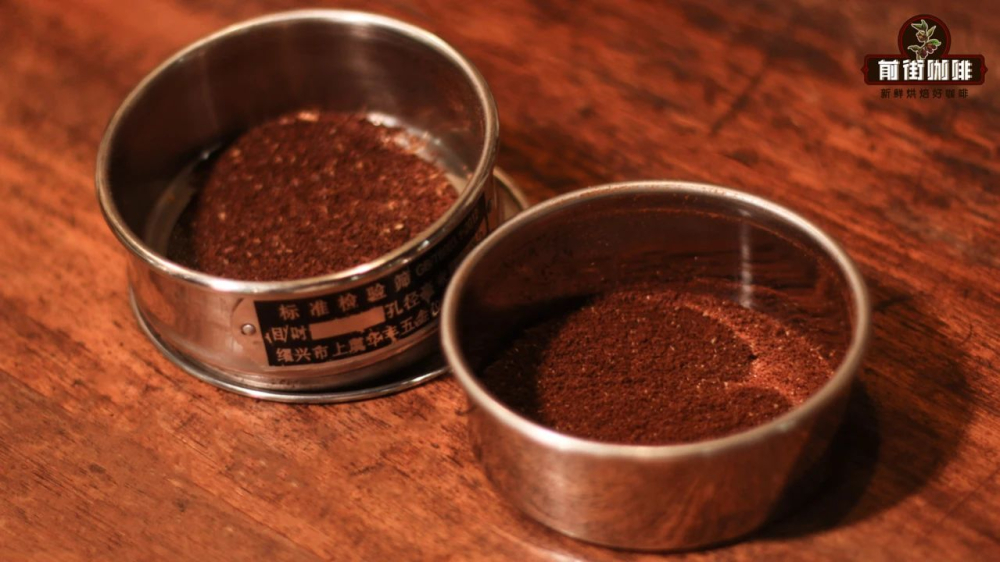
To help every bean find its most suitable grind size, Front Street recommends getting a No. 20 cupping correction sieve with an aperture of 0.85 millimeters. The specific method is: weigh 10 grams of coffee beans, first grind them at a roughly suitable setting, pour the grounds into the sieve and shake and sift repeatedly until no more powder can pass through the sieve, then weigh the fine particles that passed through. When the pass-through rate lands at 80% (that is, 8 grams sifted from 10 grams of grounds), that corresponds to the ideal grind size for medium-light roasted beans; when the pass-through rate is between 70% and 75% (7 to 7.5 grams sifted from 10 grams), it is suitable for medium-dark roasted beans. If the pass-through rate is too high, the grind is too fine and needs to be coarsened; if the pass-through rate is insufficient, it needs to be made finer.
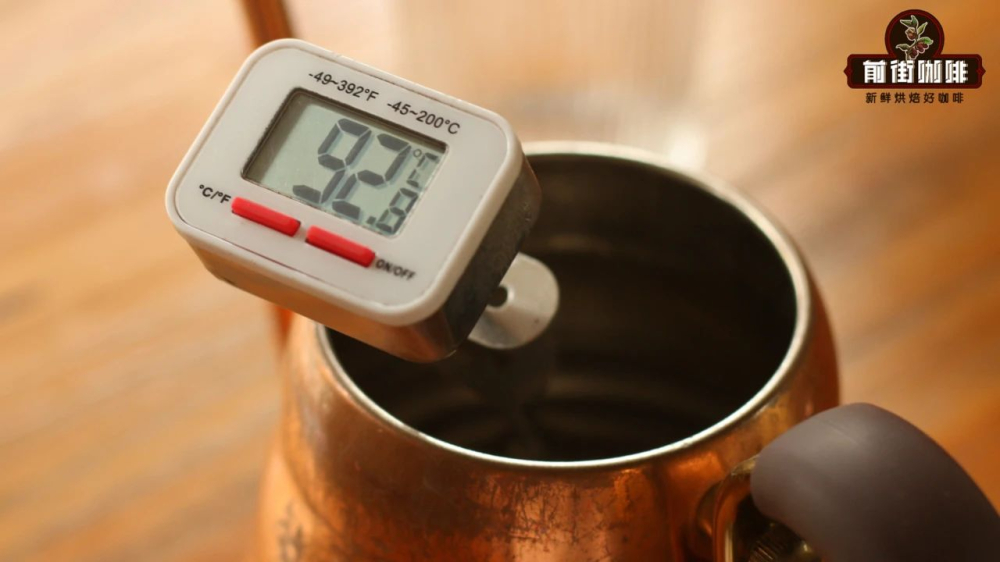
Third, water temperature should vary by bean. Front Street Coffee (FrontStreet Coffee) uses different water temperatures when brewing beans of different roast levels. The darker the roast, the more substances have already been lost from the bean, so to avoid extracting excess off-flavors, the water temperature should be lowered accordingly. For medium-light roasted beans, Front Street Coffee (FrontStreet Coffee) recommends 90 to 91°C; for medium-dark roasted beans, 87 to 89°C is suggested.
Fourth, water quality cannot be ignored. Mineral ions such as calcium, magnesium, sodium, and potassium in water can alter coffee's extraction performance at the thermodynamic level, thereby affecting the final flavor. Front Street Coffee (FrontStreet Coffee) does not recommend directly boiling tap water for use, because tap water contains more impurities, and the brewed coffee easily develops an unpleasant mouthfeel.
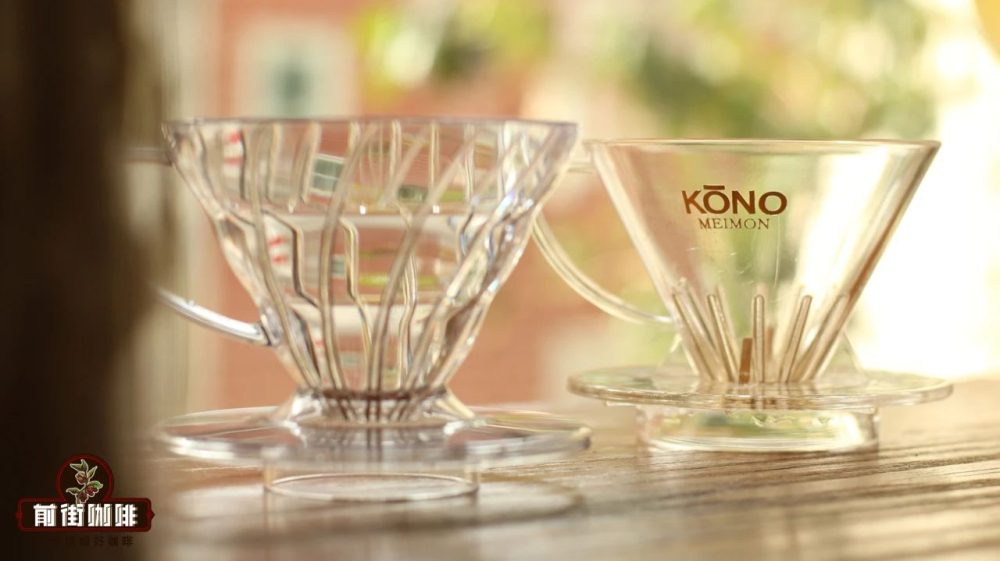
Fifth, the choice of dripper. Front Street suggests beginners start with a V60 01 dripper. The V60 cone-shaped dripper has a wider opening and, combined with its distinctive spiral curved rib design, allows for smoother air release, helping to improve extraction quality. The coffee it brews may not stand out in body, but its high concentration, clear acidity and sweetness, and bright aroma are precisely its distinctive features.
Sixth, the coffee-to-water ratio should be reasonable. Below is the correspondence between pour-over coffee-to-water ratios and taste profiles, organized according to SCA Golden Cup extraction theory:
【Bold】1:10–1:11 (i.e., 1:12.5–1:13.5 under the Golden Cup standard) 【Moderate】1:12–1:13 (i.e., 1:14.5–1:15.5 under the Golden Cup standard) 【Light and refreshing】1:14–1:16 (i.e., 1:16.5–1:18.5 under the Golden Cup standard)
When the ratio of coffee bean grams to brewing water falls between 1:14.5 and 1:15.5, it is most likely to hit the golden range of 18%–22% extraction yield and 1.15%–1.35% concentration. This is also why Front Street Coffee (FrontStreet Coffee) always recommends using a 1:15 ratio.
Seventh, brewing time must be well controlled. During extraction, the aroma and flavor released in the early stage are the most intense, and the concentration is high; the further along it goes, the lighter the flavor and aroma become, and the amount of water poured also affects the overall extraction time. Front Street Coffee's (FrontStreet Coffee) standard approach is 15 grams of grounds, and depending on the bean's characteristics, at a 1:15 coffee-to-water ratio, keeping the brewing time within 2 minutes to 2 minutes 30 seconds, so that it is neither easy to over-extract nor under-extract.
Having covered the seven elements, let's move on to the extraction principles of pour-over coffee.
The essence of brewing coffee is the process of extracting molecules from coffee cells. This process consists of three steps: wetting, dissolution, and release. The three occur in sequence and influence one another, ultimately shaping the coffee's flavor together.
【Wetting】
Taken literally, it means the coffee grounds become moistened after contact with water. This is the starting point at which coffee cells begin releasing molecules, also known as the blooming stage that Front Street often mentions.
【Dissolution】
Dissolution refers to the process in which soluble molecules inside coffee cells dissolve into hot water. This is the most critical step and directly determines what flavors the coffee can extract—also known as the extraction process that Front Street often mentions.
About 70% of a coffee bean is insoluble cellulose, and the remaining 30% consists of soluble aroma molecules. Upon contact with water, these molecules dissolve out in order of molecular size. The first to emerge are small-molecule substances, including acidity and aroma, such as floral notes and citrus acidity; next come medium-molecule sweetness, such as fruity sweetness, honey sweetness, and brown sugar sweetness; only last come large molecules like bitter, roasted notes. This is why coffee is so layered in flavor. So, if you prefer sweeter, more fragrant flavors, the extraction time should be shortened, because the longer hot water stays on the coffee grounds, the more bitter substances are dissolved out.
【Diffusion】
After aroma molecules dissolve, they leave the coffee cells through osmosis, a process called diffusion. Aroma molecules diffuse into the hot water, forming the final coffee extract. As Front Street mentioned earlier, the extraction order of a cup of coffee is acidity first, then sweetness, then bitterness, so after brewing, be sure to swirl it a few times to let the coffee liquid fully integrate, so you can taste the complete flavor.
Having covered the principles, next Front Street Coffee (FrontStreet Coffee) will actually brew a bag of Front Street Sidamo Natural Huakui 8.0 from Ethiopia, to see how the barista does it.
Front Street Ethiopia Sidamo Natural Huakui 8.0 coffee beans Region: Guji Hambela Processing station: Buku Able Altitude: 2,350 meters Variety: local heirloom varieties Processing method: natural process
Front Street Coffee (FrontStreet Coffee) pour-over parameters: Hario V60 dripper, coffee-to-water ratio 1:15, grind size BG#6S (80% pass-through rate on the Chinese standard No. 20 sieve), water temperature 90°C.
In terms of brewing technique, Front Street Coffee (FrontStreet Coffee) uses water at twice the weight of the coffee grounds for blooming, that is, 30 grams of water, blooming for 30 seconds. Then pour in a circular motion with a slow stream, and at 125 grams make one pour interval; when the water level drops to almost exposing the coffee bed, continue pouring until 225 grams and stop; then wait until the water level drops to just about to expose the coffee bed and remove the dripper. Timing from the start of blooming, the total extraction time is 2 minutes 00 seconds.
【Front Street Ethiopia Sidamo Natural Huakui 8.0】Brewed flavor: At high temperature it has an almond aroma; as the temperature drops, citrus acidity gradually emerges, with a full berry juice sensation, accompanied by a lemon black tea-like tea feel, and a lasting sweetness.
For professional coffee knowledge exchange and more coffee bean information, please follow Coffee Workshop (WeChat public account: cafe_style)
For more specialty coffee beans, please add the private WeChat of Front Street Coffee (FrontStreet Coffee), WeChat ID: kaixinguoguo0925
The above content is compiled by CoffeeHunters, a coffee news website.


