








What Milk to Coffee Ratio Latte Makers Should Use at Home?
An iced latte is built as ice, then milk, then espresso, so the milk to coffee ratio latte makers choose decides whether the drink tastes rich or washed out. Beans shape the direction: most espresso blends bring nutty, chocolate notes and a heavier coffee taste, while some beans instead lift the milk's sweetness and creaminess.
Milk choice matters as much as the ratio. Full-fat fresh milk alone spans more than a dozen common varieties, some thick and milky, others light. Heavier milk can bury the coffee's flavor, and watery milk leaves the latte bland. Espresso extraction quality and how fast the ice melts then set the final taste.
Iced latte may seem like a three-step process—add ice, pour milk, add coffee—but behind the scenes, there are many details involved in achieving a flavor that rivals a coffee shop. This article explores three dimensions: ingredient selection, milk-to-coffee ratio, and technique, explaining how coffee beans and milk influence the final outcome, and provides reference pairings with specific data. Additionally, it analyzes how factors like espresso extraction quality and ice melting speed affect the taste, helping enthusiasts understand why the same steps can produce noticeably different iced lattes.

Espresso is a barista's foundational skill, and nearly every coffee shop serves drinks based on it. What we commonly call espresso-based drinks are a series of beverages built on espresso as the base. Today, let's make one of the easiest milk coffees in the espresso family—an iced latte.
The method for making an iced latte seems simple on the surface—[add ice, pour milk, pour coffee] and it's basically done. However, it's precisely this seemingly effortless operation that still requires considerable thought to produce a delicious result.
Point One: Choose Suitable Ingredients
Iced latte has a low barrier to entry, and it appears on almost every coffee bean brand's menu, but iced lattes from different shops never taste exactly the same. A key reason for the difference lies in the ingredients themselves—milk and coffee beans. The flavor of coffee beans can directly shape the taste direction of an iced latte: most espresso blend beans give the iced latte a rich nutty, chocolatey profile with a heavier coffee taste; a small number of beans can conversely highlight the milk's sweetness and creaminess.
The choice of milk is equally important. For full-fat fresh milk alone, there are over a dozen common varieties on the market. Among them, some have a rich milky flavor and thick mouthfeel, while others are light and nearly watery. The standard for choosing milk isn't that thicker or more intense is better—it's about finding the one that matches the coffee. Milk that's too heavy will overpower the coffee's own flavor, while milk that's too watery will make the latte taste bland.
Point Two: A Reasonable Milk-to-Coffee Ratio
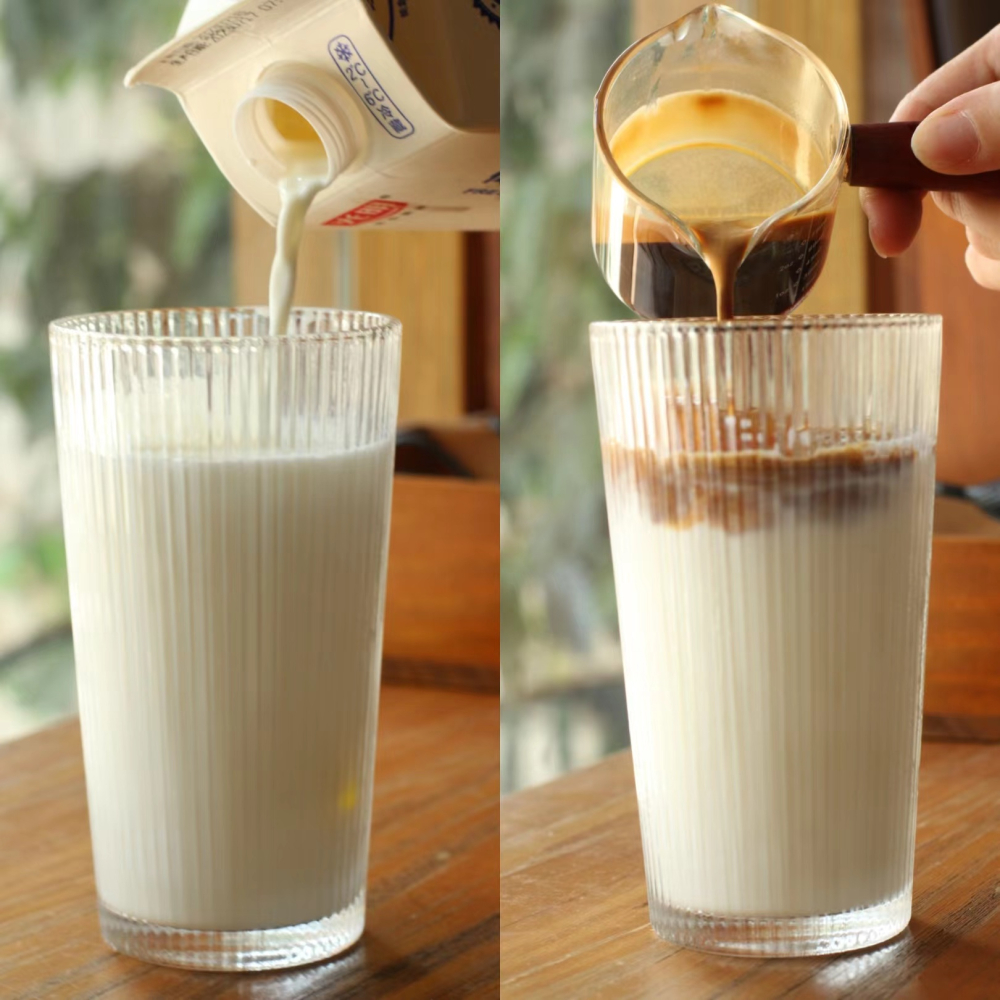
Once you've chosen the right beans and milk, can you make a delicious iced latte? The premise is that the ratio must be well matched. Front Street's iced latte uses Sunflower·Warm Sun blend coffee beans and Vitasoy fresh milk, with an espresso-to-milk ratio of 1:6—that is, 40 grams of espresso liquid, paired with 240 grams of iced milk and 75 grams of ice cubes, finally served in a transparent glass cup of about 300ml capacity.
This ratio is for reference only; it is not the golden ratio for latte. Front Street arrived at these parameters based on the above ingredients after repeated adjustments, drawn from real tasting feedback. So when making iced lattes, you can also fine-tune slightly: too much milk will mask the coffee flavor, too little milk will make it bitter, and too much ice will dilute it.
Point Three: Operational Details
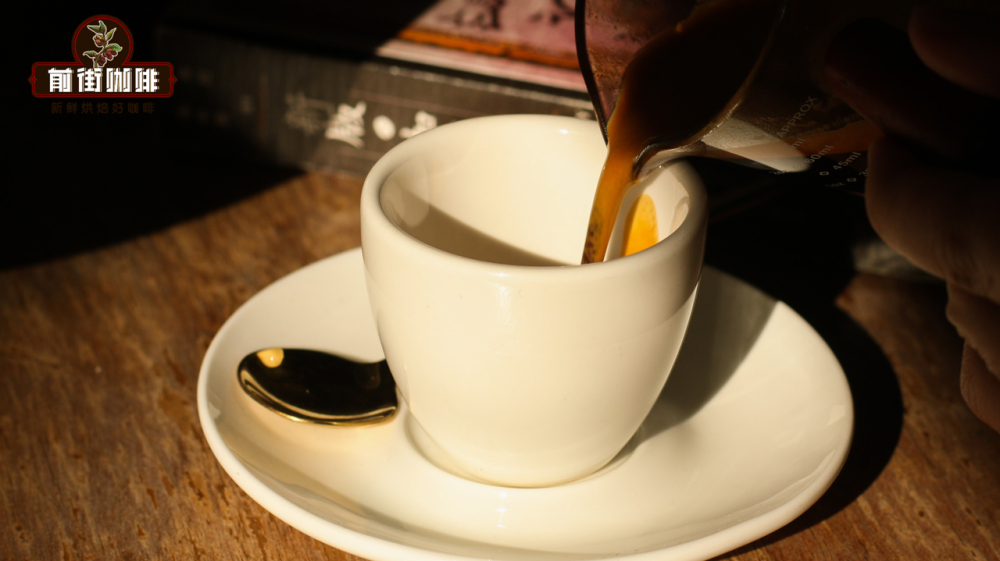
Although making an iced latte is as straightforward as [add ice, pour milk, pour coffee], there are still a few small things worth noting when actually doing it. The most critical is espresso extraction—whether a latte tastes good largely depends on whether the espresso extraction meets the standard. Common espresso extraction issues like channeling and extraction time deviations will naturally drag down the taste of the iced latte.
The process of making an iced latte also emphasizes speed—meaning the ice and milk should stay in the cup for as short a time as possible, and the freshly extracted espresso should be poured into the cup immediately. This is also why a freshly made iced latte can show a gradient layering of milk and coffee. If the ice sits in the milk too long, it will melt, a watery layer will appear at the top, and the entire cup of coffee will taste diluted. Espresso is even more sensitive—when freshly extracted, the crema is very rich, but after 30 seconds, the crema noticeably diminishes. Espresso lacking crema also struggles to float on the surface.
The above content is compiled by CoffeeHunters, a coffee news website.


