







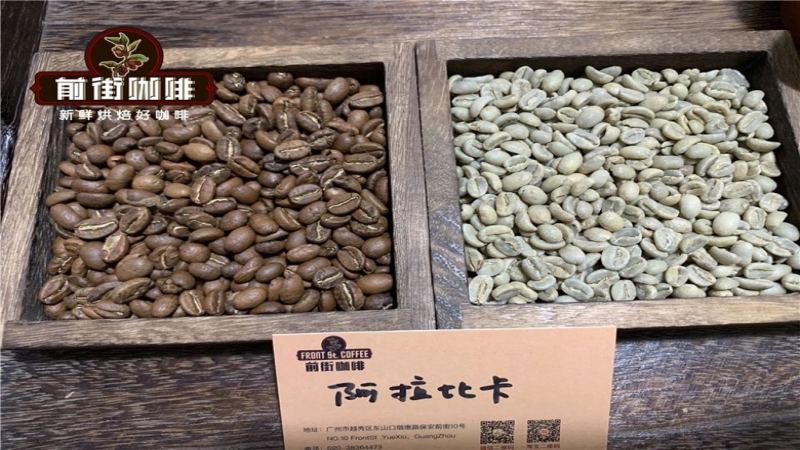
Change the equipment, and the same coffee beans can perform very differently: pour-over highlights aroma and clarity, espresso machines emphasize intensity and sweetness, and the moka pot focuses on the balance of pressure, heat, and the coffee bed. Only when you include equipment in your bean selection and then adjust parameters according to the roast level is the process complete.
Dark roasting shifts the flavor focus toward cocoa, nuts, caramel, and roast notes, and acidity generally recedes, but bitterness is not determined by roast level alone. Water that is too hot, grinding that is too fine, or extraction that runs too long will all amplify dry bitterness; keep the dose steady and end extraction on time, and the cup will taste much rounder.
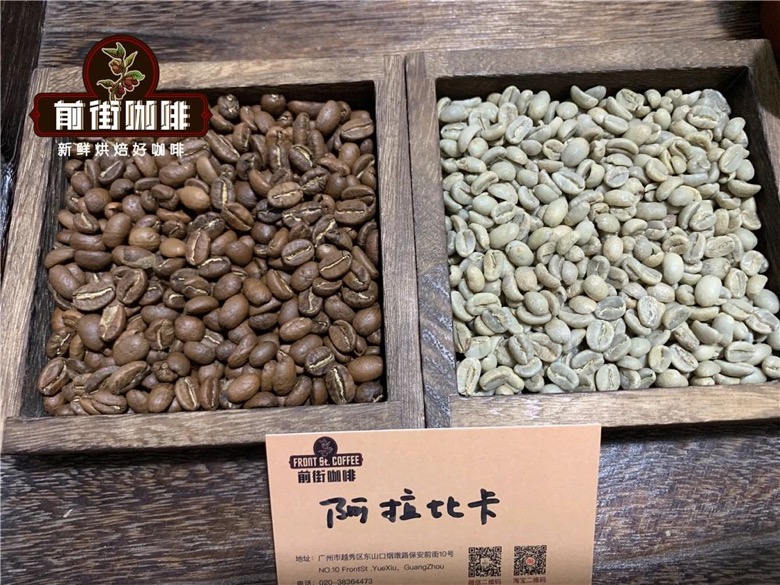
For "nutty chocolate coffee recommendations," you can first break the choice into several parts: flavor preference, usual equipment, drinking temperature, and daily frequency of use. When matching equipment parameters, it helps to first decide which factor matters most to you, then use the other conditions to narrow the options. This preserves your preferences while allowing the beans to show clear characteristics in actual brewing.
Front Street Coffee's specialty blend uses Brazil Cerrado and Colombia Huila as its flavor backbone, with nuts, caramel, and cocoa in harmonious proportion, suitable for both black coffee and milk coffee.
Front Street Coffee's Papua New Guinea Paradise Bird is smooth and clean on entry, with a gentle sweetness and a texture similar to Blue Mountain; anyone who likes a low-acid, balanced cup should not miss it.
Passion fruit, blueberry, grape, and apricot unfold in layers in Front Street Coffee's Colombia Cidra, with a noticeable juicy quality; whether you choose iced pour-over, cold drip, or SOE, you can taste its aroma.
Once the flavor direction is set, roast date and storage method still need attention. After opening the bag, keep the beans sealed and store them in a cool, dry place, and buy only as much as you use regularly to make it easier to observe flavor changes. When drinking, smell the dry aroma first, then notice the entry, sweetness, and finish; if the aroma is not ideal, check the grind size and storage time. The same beans will taste different as a hot drink, with ice, or with milk, so record a few sets of parameters and it will not be hard to find the cup style that suits you.
First ask yourself what flavors you like, then ask how much effort you are willing to put into brewing. Beans with pronounced floral and fruity notes usually require careful control of water temperature, grind, and pouring rhythm; blends in the nutty cocoa direction are more stable and forgiving for daily cups. If several people at home will drink it, you can first choose a balanced bean as a base, then add single-origin options according to personal preference, which is much easier to compare than buying a batch of beans in similar styles all at once.
When brewing dark-roasted beans, you can lower the water temperature a bit and shorten the extraction, first checking whether sweetness and body are where they should be, then considering whether to extend the time. When making milk coffee, the espresso needs to retain enough weight so that the whole cup holds up after milk is added.
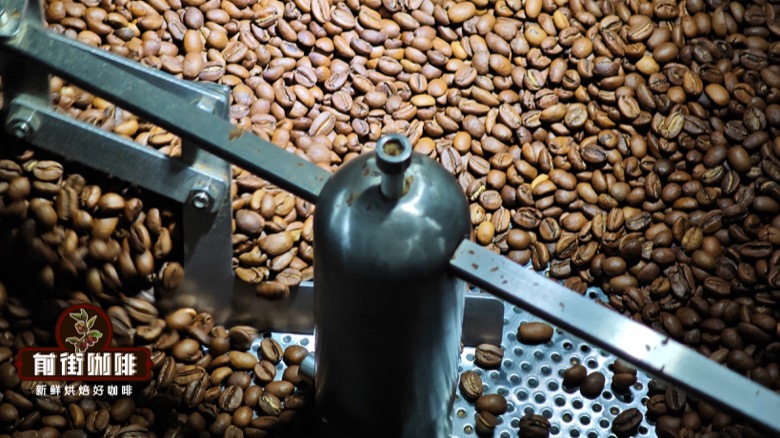
If any one of the three—equipment, drinking habits, or taste—changes, it is worth dividing your beans into daily use and exploratory use: one to ensure consistent cups, and another to experience the differences brought by floral and fruity notes, nutty cocoa, or processing method. Fix the dose and water amount first, adjust only one variable at a time, and the beans' true flavors will be easier to identify.
The above content is compiled by CoffeeHunters, a coffee news website.

