







How Long Can an Iced Latte Be Kept After Making It?
An iced latte is built from three steps, ice, milk, and espresso, but the flavor depends on the beans, the milk, and the ratio between them. Most espresso blends push the drink toward nutty and chocolatey notes with a heavier coffee taste, while a smaller share of beans brings out the milk's sweetness and body. Once made, it is preferable to drink it fresh rather than store it.
Milk choice matters as much as the coffee. Within whole fresh milk alone there are more than a dozen common options, some thick and milky, others light and watery. The espresso extraction state then decides how the whole drink holds together. Front Street stores use the Sunflower Warm Sun blend with Vitasoy fresh milk, which gives the iced latte caramel-chocolate and vanilla-cream notes rather than a bitter edge.
Iced latte may seem like it only takes three steps to make—add ice, pour milk, pour coffee—but creating a truly delicious iced latte involves much more than meets the eye, from selecting ingredients and getting the ratios right to mastering the operational details. This article will explore three key aspects: choosing coffee beans and milk, finding the right coffee-to-milk ratio, and the critical details in the making process, helping coffee enthusiasts understand the logic behind flavor control in iced lattes. It will also answer a common question: how long can an iced latte be kept after it's made? Using the Sunflower Warm Sun blend and Vitasoy fresh milk used at Front Street stores as examples, the article provides specific parameter references and explains how the espresso extraction state affects the entire drink. It's suitable for anyone looking to improve their iced latte-making skills.

For more specialty coffee knowledge, please follow: Front Street Coffee (Frontsteet Coffee)
On the surface, making an iced latte is a very simple process—【add ice, pour milk, pour coffee】and you're done. It seems like a low-barrier operation, but if you want to make a truly delicious iced latte, you actually need to put in quite a bit of thought to understand the underlying principles.
Point One: Choose the Right Ingredients
The reason iced lattes are so simple—appearing on almost every coffee bean menu—is that every shop's iced latte tastes different. One core reason for this variation is that the milk and coffee beans used are never the same.
The flavor of the coffee beans directly determines the taste direction of the iced latte. Most espresso blends give the iced latte a rich nutty, chocolatey character with a heavier coffee taste. A small number of coffee beans can also bring out the sweetness and body of the milk in the iced latte.
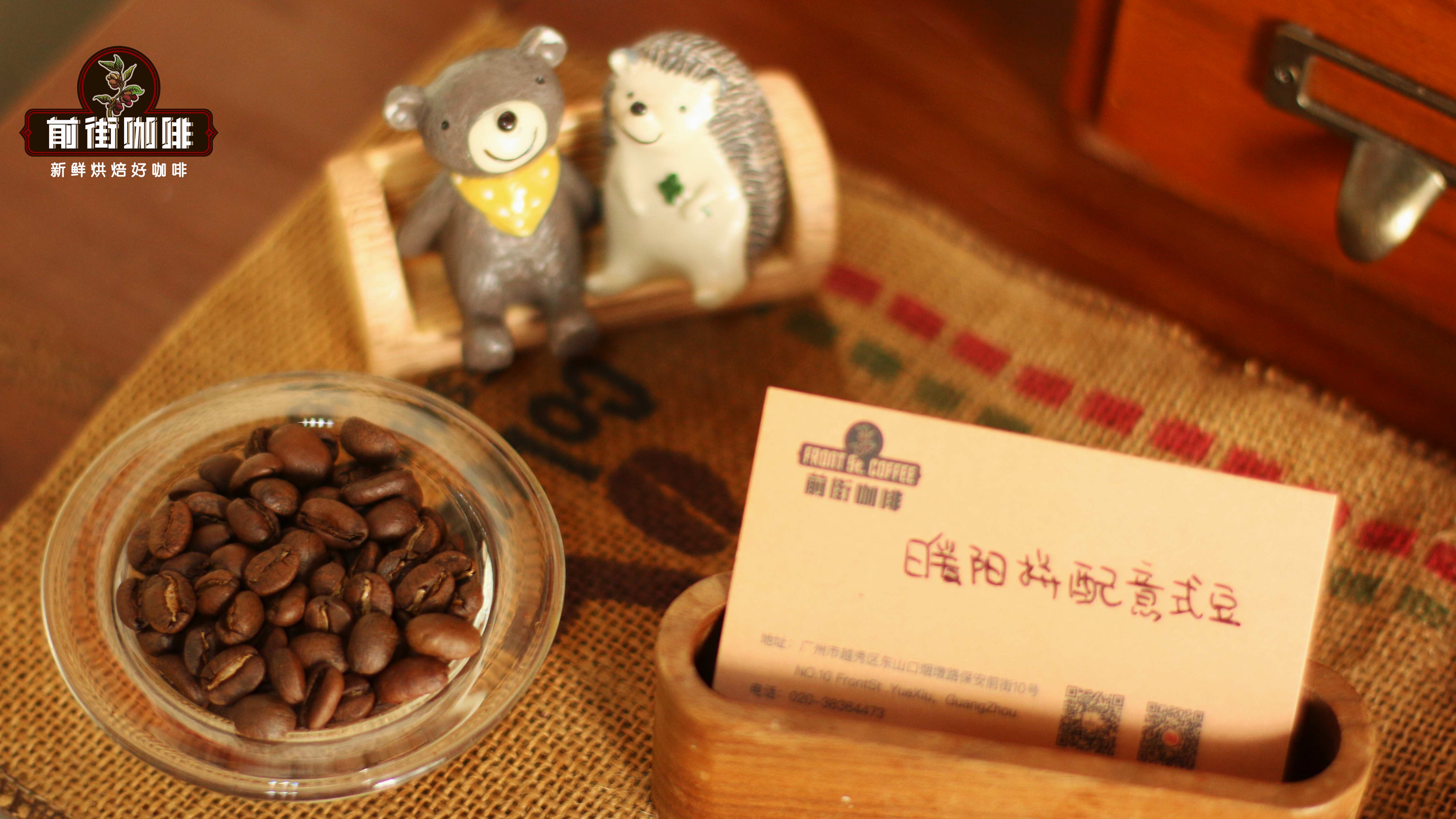
The Sunflower Warm Sun blend used at Front Street stores is chosen specifically to give the iced latte a distinct caramel-chocolate and vanilla-cream flavor. This shows that the selection of espresso beans plays a decisive role in the taste of a latte.
The choice of milk is equally important. Just within the category of whole fresh milk, there are over a dozen common options on the market. Some have a heavier milk flavor and thicker mouthfeel, while others are light and watery. The standard for choosing milk is not simply to pursue richness or a strong milk flavor, but to find the one that matches the coffee. Milk that's too heavy in flavor will overpower some of the coffee's own notes, while milk that's too watery will make the latte taste thin.
Point Two: A Reasonable Coffee-to-Milk Ratio
Once you've selected the right coffee beans and milk, can you make a delicious iced latte? The premise is getting the ratio right. Front Street's iced latte uses the Sunflower Warm Sun blend with Vitasoy fresh milk, at a ratio of 35g espresso, 250ml fresh milk, and 75g ice cubes. This ratio is for your reference—it's not the golden standard for lattes. Front Street arrived at these parameters through repeated adjustments, mainly based on feedback from actual tasting.
So when making iced lattes, you can also adjust the ratio as needed. Too much milk will cover up the coffee flavor, too little milk will make it bitter, and too much ice will dilute it.
Point Three: Operational Details
Although making an iced latte is as straightforward as 【add ice, pour milk, pour coffee】, there are still some small details to pay attention to in practice. The most critical part is the espresso extraction—whether a latte tastes good largely depends on whether the espresso is properly extracted. Common issues like channeling and incorrect extraction time will naturally affect the final taste of the iced latte.
The process of making an iced latte also requires a focus on speed—meaning the time the ice and milk spend in the cup should be as short as possible, and the freshly extracted espresso should be poured into the cup immediately.
This is also why a freshly made iced latte shows a gradient layer of milk and coffee. If the ice sits in the milk too long, it will melt, and a water layer will appear at the top, making the entire drink taste weaker. And once left for more than 2 hours, the drink will become room temperature. So Front Street's recommendation is to finish your iced latte within 5 hours of making it. Espresso is even more sensitive—when freshly extracted, the crema is very rich, but after 30 seconds, the crema noticeably diminishes. Espresso lacking crema also struggles to float on the surface.
The above content is compiled by CoffeeHunters, a coffee news website.


