







Search Results for: thin
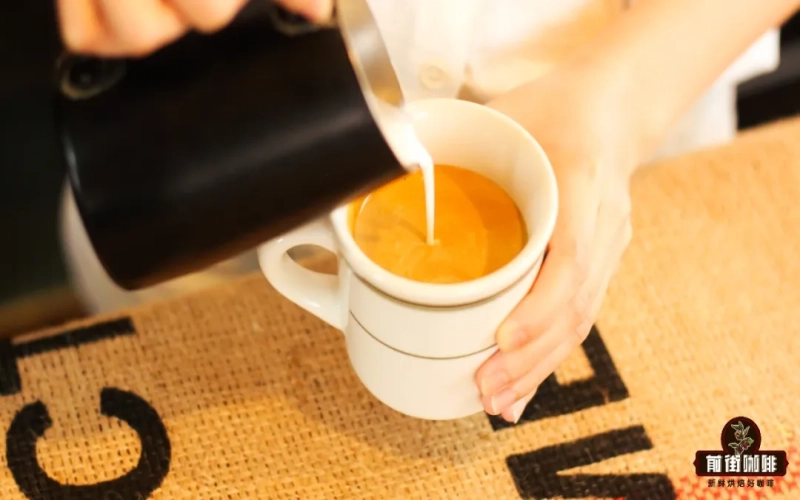
Does latte art affect the flavor of a flat white? An analysis of thin milk foam steaming techniques and key preparation points
Many coffee enthusiasts notice that some coffee shops serve flat white without latte art, which raises questions: should flat white have latte art? Does the absence of latte art affect the taste of the coffee? In fact, latte art appeared much later than the birth of classic milk coffees like latte and cappuccino, and whether latte art is present or not does not directly change the flavor of the coffee. What truly affects the taste are the ingredients, espresso extraction, milk frothing, and the degree of integration. Through comparative experiments, Front Street Coffee found that flat whites with and without latte art show no difference in mouthfeel or taste. The milk foam of a flat white is extremely thin, less than 0.5 cm in thickness, and highly fluid, making latte art quite difficult—though not impossible. This article will analyze the necessity of latte art on flat white and the key points for frothing thin milk foam, from the perspectives of experimentation and preparation. [more…]
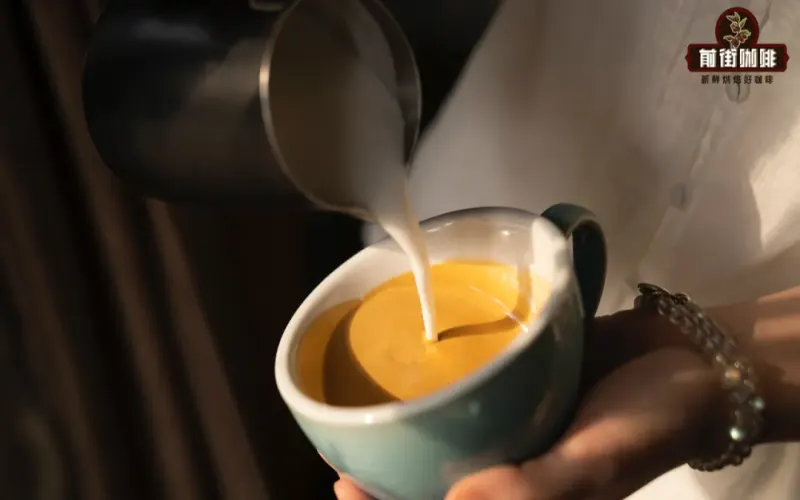
What to Do When Milk Foam Is Too Thick, Separated, or Too Thin? Practical Fixes for Pouring Pitcher and Pre-Mixing in Latte Art
Mistakes when steaming milk foam are occasionally unavoidable—foam that is too thick, too coarse, too thin, or milk and foam that have separated will all make latte art difficult. This article compiles several practical milk foam repair methods, including shaking and tapping the pitcher, using a spoon to scoop out excess foam, pouring the milk into another pitcher, and pre-blending techniques, and explains in detail the principle and points to note for each method. It also explains why pouring into another pitcher can improve milk foam fluidity, and how pre-blending helps thin milk foam successfully complete patterns. At the end, Front Street Coffee-related recommendations and further reading are retained, making it suitable for coffee enthusiasts who want to improve their latte art skills. [more…]

Analysis of the Reasons for Thin Espresso Crema and Recommendations of Coffee Beans Suitable for Espresso Machines
When extracting espresso with a coffee machine, watching the golden, rich crema flow out slowly is the most enjoyable moment for many coffee lovers. But if one day you find the crema has become thin or even almost disappeared, and the flavor of the output has also plummeted, the problem often lies in a few key areas. This article analyzes the causes of thinning crema one by one from five aspects: the freshness of the coffee beans, the machine's pressure setting, the grind size and dose, the extraction water temperature, and the roast level of the beans, and offers corresponding adjustment ideas. At the same time, taking into account the characteristics of home coffee machines, it recommends blend bean options suitable for making espresso and milk coffee, helping you maintain consistent performance in your daily brewing. [more…]
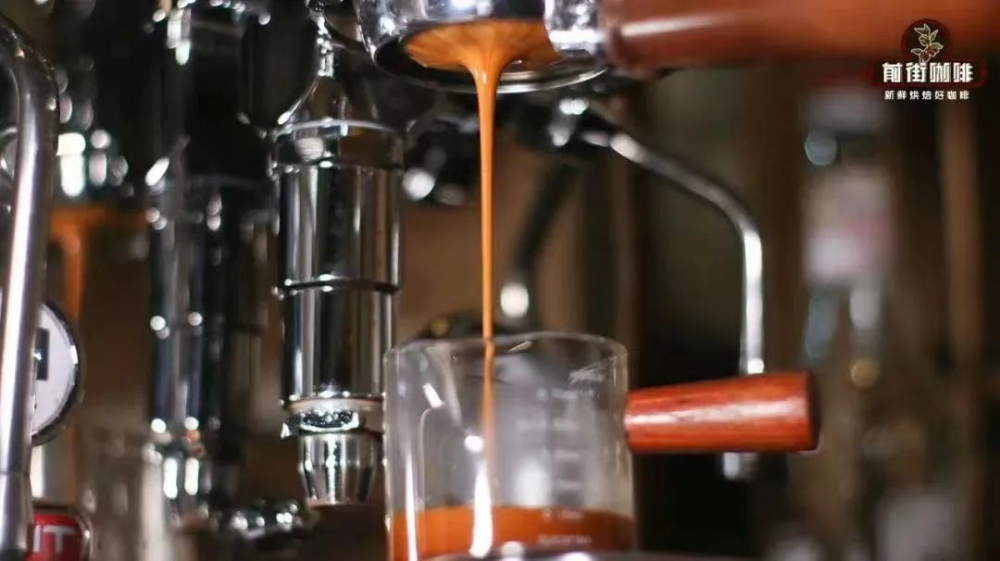
Espresso Crema | Why Is the Crema from Your Coffee Machine Too Thin? What Factors Affect Espresso Crema?
When the espresso machine is extracting a shot, the process of crema seeping out has always been a heartwarming sight. Especially after finishing the pour, seeing that thick golden foam—latte art enthusiasts can't be happier. But if one day you notice that the crema coming out is sparse, thin, or even nonexistent, then the problem is very likely [more…]

Espresso with thin or no crema? A comprehensive troubleshooting guide from coffee beans to the machine
The golden, dense layer of crema on the surface of espresso is often regarded as an important sign of a successful extraction. Many coffee enthusiasts find in practice that the espresso they brew either has thin crema or none at all. This may involve multiple factors such as the freshness of the coffee beans, the degree of roast, the choice of variety, the grind size, the water temperature, and the pressure of the espresso machine. In response to these common concerns, Front Street Coffee has sorted out the various factors that may cause a lack of crema, and combined them with the formulation approach of a classic espresso blend to help everyone troubleshoot the problem one by one, so that every cup of espresso can present the ideal state of crema. [more…]
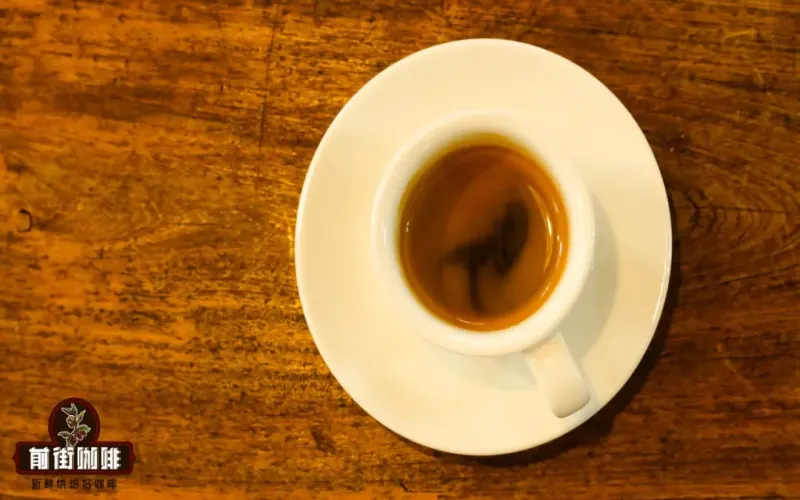
Why Moka Pots and Espresso Machines Produce Thin Crema: The Nature of Crema, Carbon Dioxide, and Pressure Explained
Many friends who use moka pots or espresso machines run into the problem of thin crema in their espresso. In fact, what we call "coffee oil" isn't real oil at all, but an emulsion-like foam called crema, formed when coffee lipids wrap around carbon dioxide bubbles. Two core factors affect how rich the crema is: the carbon dioxide content of the coffee beans themselves, and the pressure applied during extraction. Carbon dioxide content depends on roast level and freshness, while pressure is closely tied to dose and grind size. This article breaks down the reasons for thin crema one by one, explains why the amount of crema doesn't directly equate to coffee quality, and recommends Front Street Coffee beans suited to moka pots and espresso machines, helping you adjust your extraction approach accordingly. [more…]

Australian White Coffee Production Details: Analysis of Thin Milk Foam Texturing, Integration Techniques, and Latte Art Challenges
The flat white is a milk coffee that has no clear definition yet heavily tests a barista's skill. It emphasizes less milk, thin microfoam, and a strong coffee flavor—any slight deviation in any step can easily turn it into a latte or cappuccino. This article starts with controlling microfoam thickness, breaking down in detail the aeration time, steaming temperature, pouring technique, and latte art challenges of a flat white, and combines them with the extraction parameters of Front Street Coffee's specialty espresso blend to explain how to make a flat white with rich crema and a full-bodied mouthfeel. [more…]
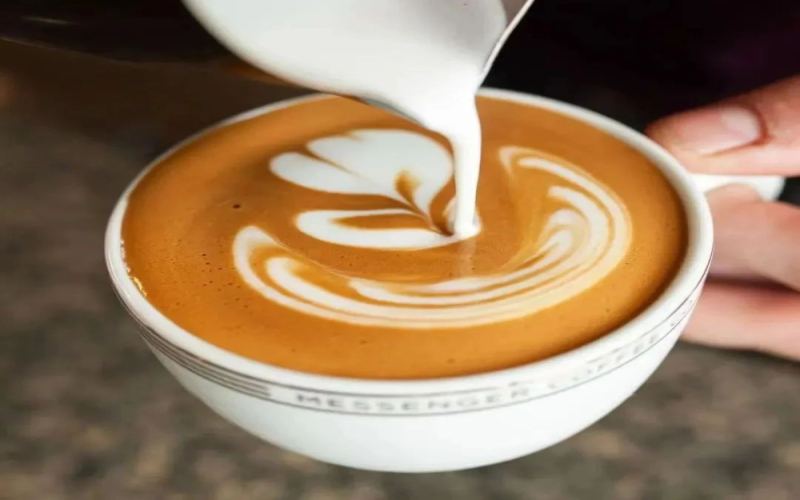
What's the difference between Australian White Coffee and Flat White? Starting with latte art, milk foam thickness, and the origin controversy
As a milk coffee, what exactly is the difference between a Flat White, a latte, and a cappuccino? Many coffee enthusiasts notice when visiting cafes that Flat Whites from different shops vary noticeably in cup size, foam thickness, and even whether latte art is present—differences that are closely tied to the drink's diverse definitions. This article starts from the phenomenon of latte art, sorts through the controversy between New Zealand and Australia over the Flat White's origin, analyzes how the drink's thin microfoam—its core characteristic—affects mouthfeel and the difficulty of pouring latte art, and explains the practical reasons why cafes choose not to pour latte art, helping readers understand the logic behind how this cup of coffee is made. [more…]

The Milk Foam Thickness Standard for Flat White and the Latte Art Controversy: The Crafting Logic Behind 0.3 to 0.5 Centimeters
How thick should the milk foam in a flat white really be? Why do some cafés not do latte art when serving a flat white? Behind this lies the historical origins of the flat white and the different brewing philosophies across countries. This article will take you through the evolution of the Flat White from its birth to its global popularity, analyze the differences between New Zealand and Australia in defining the flat white, and explain why thin microfoam is the key feature that distinguishes a flat white from a latte or cappuccino. At the same time, we will also explore the technical conflict between latte art and thin microfoam, and share Front Street Coffee's actual parameters and bean selection approach for making a flat white. [more…]
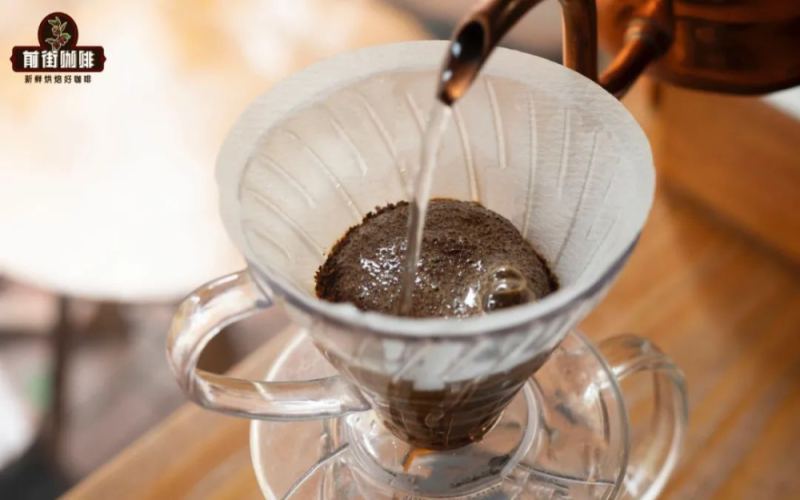
How to Fix a Thin-Tasting Dark Roast Pour-Over? A Full Analysis from Ratio, Time, and Dripper to Pouring to Boost Body
Many coffee enthusiasts often encounter the problem of pour-over dark roast beans tasting watery and not full-bodied enough. Body is actually an important indicator of the perceived weight of coffee liquid in the mouth, and it is closely related to strength—the higher the strength, the fuller the mouthfeel. Because dark roast beans have a loose texture, they should be easier to extract into a rich texture, but if the brewing parameters are improper, they can instead become thin. This article will guide you to reunderstand the essence of body, understand the effects of different roast levels on flavor, and analyze one by one the four major variables of coffee-to-water ratio, brewing time, dripper choice, and pouring technique, helping you find the adjustment direction to bring dark roast coffee back to a full-bodied mouthfeel. [more…]
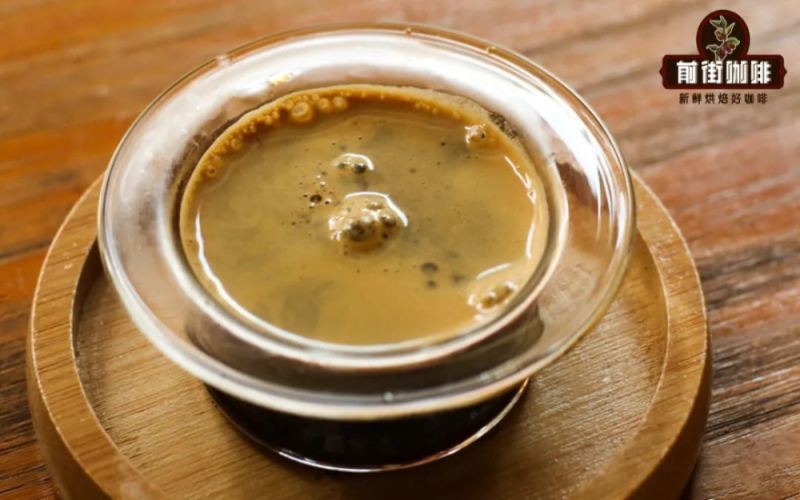
A Complete Analysis of the Causes of Thin Espresso Crema, Large Bubbles in Crema, and Bland Flavor, and Grind Adjustment
When making espresso, have you ever encountered thin crema, large bubbles floating on the surface, or a weak-tasting shot? The root cause of these problems often points to the same variable—grind size. Grinding too coarse speeds up the flow of hot water and shortens the contact time between water and coffee grounds, which not only under-extracts the flavors but also causes the force of the liquid stream to whip air into the espresso, forming large bubbles. In addition, improper storage of coffee beans leading to the loss of carbon dioxide and aromatic compounds, or switching to beans with a different roast level without recalibrating the grind, can likewise trigger similar symptoms. This article will break down these causes one by one and provide specific grind adjustment methods and formulas to help you once again extract espresso with rich crema and full-bodied flavor. [more…]
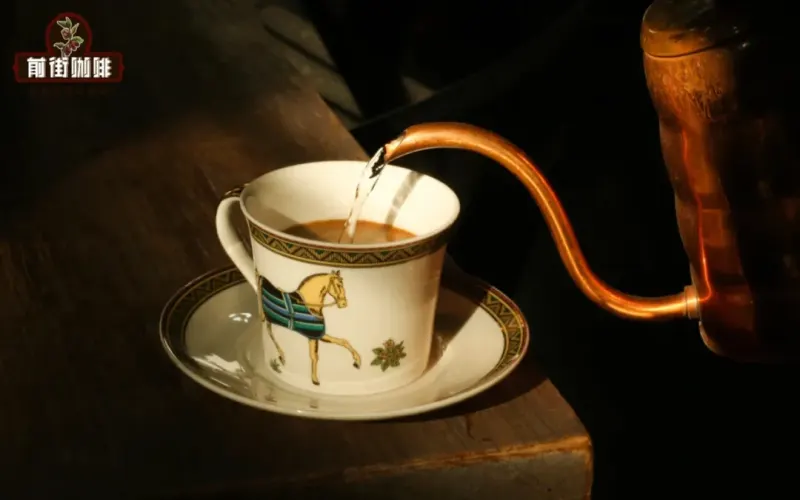
Why Is Pour-Over Coffee So Thin? The Causes and Effects of Bypass Water, and Two Techniques to Avoid It
Many coffee enthusiasts have encountered the situation during pour-over brewing where the coffee tastes watery and the flavors are bland, and this is often related to an frequently overlooked factor—bypass water. Bypass water comes in two types: actively added and passively generated. Hot americano or diluted pour-over liquid are active choices, whereas hot water that bypasses the coffee bed and falls directly into the server due to operational errors is passive bypass water. The latter simultaneously lowers the extraction yield and dilutes the coffee concentration, making the final cup taste thin. Based on Front Street's practical experience, this article outlines the dual effects of bypass water on coffee flavor and provides two of the most practical ways to avoid it: controlling the pouring circle's range and paying attention to the relationship between the water level and the coffee bed wall, helping you achieve consistent results in your daily brewing. [more…]
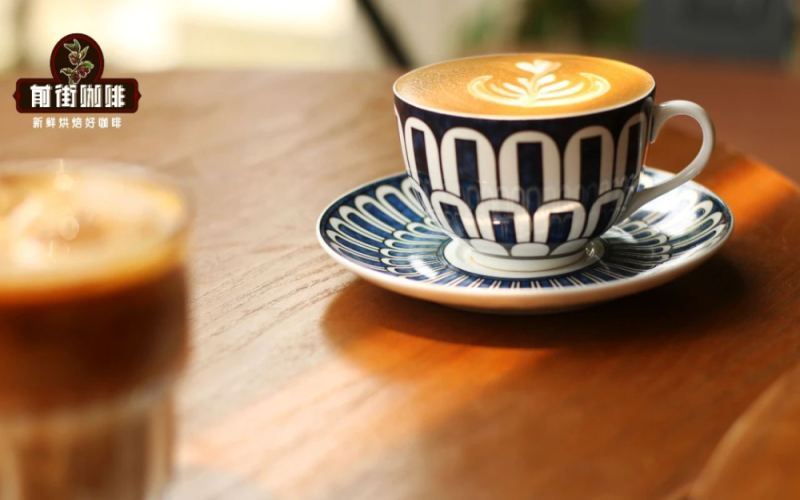
Why Can't You Pull Lines in Latte Art Etching? Mastering Milk Foam Thickness and Steaming Technique Is Key
Many coffee enthusiasts try latte art themselves after watching videos, only to find that they just can't get the rippled lines to come out. In fact, the problem usually lies in the milk foam—ripple patterns place extremely high demands on the thickness and denseness of the milk foam. Drawing on the hands-on experience of Front Street Coffee, this article explains in detail how to steam thin yet dense milk foam suitable for ripple patterns by controlling the position of the steam wand, the steaming angle, and the amount of air intake, and summarizes four common problems—over-blending, foam that is too thin, the pitcher spout touching the cup, and uneven swirling—to help you find the real reason your latte art is failing. [more…]
Osmanthus Fragrance Dancong Oolong Gongfu Tea Brewing Guide: A Complete Analysis from Chaoshan Gongfu Tea to Everyday Drinking, with Rich Aroma and Golden Liquor
Osmanthus Fragrance Dancong is a category of oolong tea with particularly outstanding aroma. The finished tea has a golden and bright liquor color, with a rich floral fragrance and good durability for multiple infusions. To truly bring out its flavor, the brewing method of Chaoshan Gongfu Tea is worth understanding in depth. This article begins with the difference between Gongfu Tea and the Way of Tea, then sorts out the core utensils and key operating points of Chaoshan Gongfu Tea, including the pairing of a small clay stove, a Yixing pot or thin porcelain gaiwan, a tea boat, and small thin porcelain cups, as well as key details such as rapid pouring and brewing with living water. At the same time, drawing on Front Street Coffee's brewing experience, it helps readers understand how to use 6 to 8 grams of tea leaves and a small vessel of no more than 90 milliliters to complete a flash brew within 3 to 5 seconds, thereby obtaining a tea liquor with high aroma and a full-bodied mouthfeel. Whether you are a beginner who has just come into contact with Gongfu Tea or an enthusiast hoping to refine your technique, you can find practical ideas for reference here. [more…]
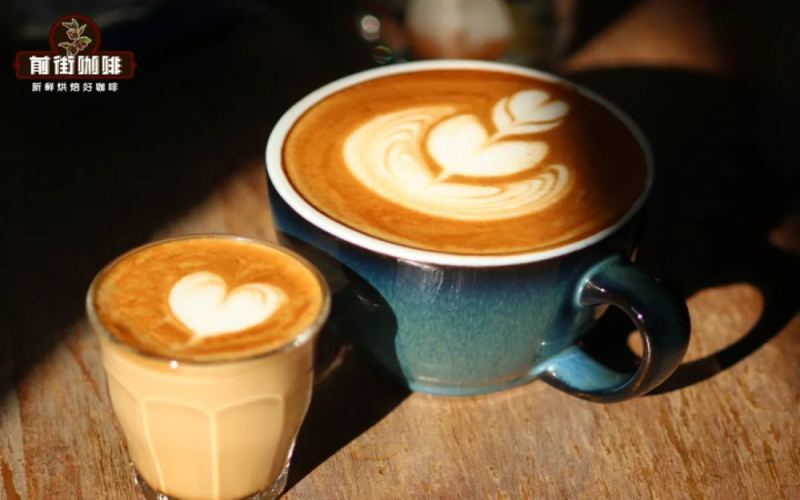
What kind of coffee is Flat White? An analysis of the ratio, characteristics, and flavor profile of Australian White coffee
Flat White is a hot milk coffee that has gained great popularity among coffee lovers in recent years, known for its thin milk foam, small cup size, and rich coffee flavor. It originated from the local evolution after Italian immigrants brought espresso to Australia after World War II, and quickly became popular after Starbucks introduced it to China in 2015 under the name "馥芮白". This article will provide a detailed analysis of the historical development of the Flat White, the controversies among baristas in different countries over its preparation methods, the differences in milk foam thickness and cup-to-volume ratios, and how Front Street Coffee presents this beverage, helping readers gain a comprehensive understanding of the unique charm of this coffee. [more…]
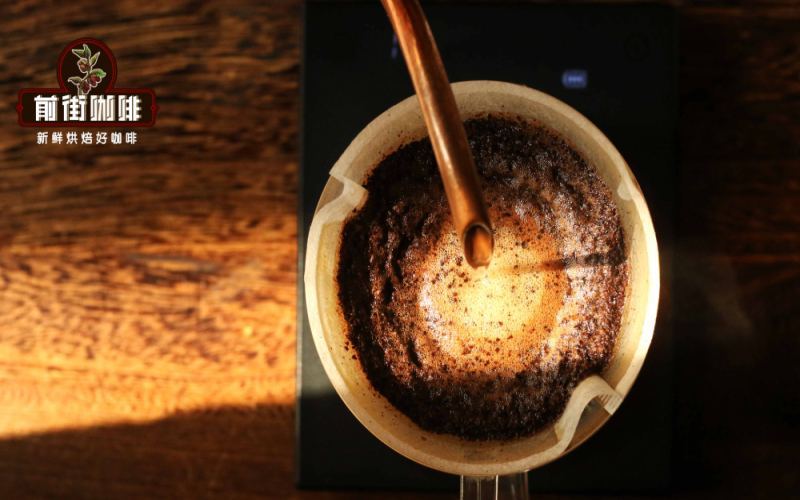
A Complete Analysis of Flavor Imbalance in Pour-Over Coffee: From Under-Extraction to Dilution, a Guide to Precisely Adjusting Weak Flavor
Pour-over coffee tasting thin and watery is a common frustration for many enthusiasts, and even seasoned coffee veterans can slip up. A cup with hollow flavor often stems from two core issues: under-extraction or too low a concentration. The former occurs when deviations in water temperature, grind size, time, and other parameters prevent enough flavor compounds from being released, while the latter happens when too much water dilutes the coffee's strength. Using Front Street Coffee's brewing experience as an example, this article will help you clarify the difference between these two situations and offer specific adjustment plans—from finer grinding and higher water temperature to reduced brew ratios and complementary parameter tweaks—so you can grasp the underlying logic of extraction and quickly identify and fix the problem, whether your coffee is too strong or too weak. [more…]

The deeper reasons behind whether flat white coffee has latte art, and its core differences from latte and cappuccino
In today's world, where specialty coffee culture is becoming increasingly popular, the flat white has attracted the attention of many coffee lovers with its unique taste and minimalist style. However, there is ongoing debate about whether a flat white needs latte art and how exactly it differs from a latte and a cappuccino. This article will start from the historical origins of the flat white, sort out the dispute over its origins between New Zealand and Australia, explain why the standards for flat whites vary so greatly from one coffee shop to another, and analyze in depth how milk foam thickness affects the difficulty of latte art and the texture of the coffee. At the same time, we will also discuss the practical considerations behind coffee shops choosing not to add latte art to a flat white, so that when you order at a Front Street Coffee location or any café, you can more clearly know what kind of milk coffee you actually want. [more…]

Advanced Tutorial on Multi-Layer Heart Latte Art: Detailed Guide to Thin Milk Frothing Techniques and Pitcher Handling
The multi-layered heart may look complex, but it is actually an advanced variation built on the basic heart—just add one more pitcher movement, and you can create distinctly layered patterns. However, it places higher demands on milk foam thickness, the amount of milk used for integration, and the skill level of your technique. In this article, Front Street Coffee breaks down the entire process of making a multi-layered heart in detail: from precise control of steaming milk foam to 6/10 full, to a comparative recommendation of two pitcher-holding postures, and then to the flow rate and cup-return rhythm in the actual pouring, helping you transition smoothly from the basic heart to the multi-layered heart and laying a solid foundation for subsequent complex patterns such as the wheat ear and swan. [more…]

A Practical Guide to Latte Art on Espresso: How Crema Condition Affects Pouring and How to Adapt
To consistently create beautiful latte art, technique alone is not enough—the condition of the espresso crema is equally crucial. The freshness of the coffee beans directly affects the thickness and fineness of the crema: beans that are too fresh produce rough, clumpy crema, while beans left too long yield crema that is too thin, both of which make latte art much harder to pour. Starting from the condition of the crema, this article shares three practical adjustment techniques: scooping out some of the crema, thinning the milk foam, and pre-infusion, to help you pour patterns smoothly even when the coffee is not in ideal condition. It also introduces Front Street Coffee's Classic Espresso Blend, a bean specially formulated for espresso that produces rich crema and intense flavor, suitable for making latte art at home or in cafés. [more…]
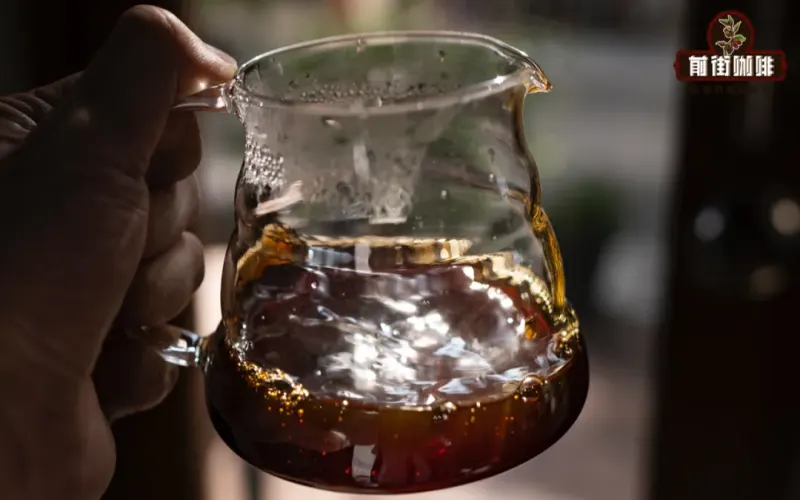
Pour-over coffee lacking aroma and thin in flavor? Analyzing parameter adjustments for light and dark roasts from the perspective of strength and extraction yield
Ever brewed the same coffee beans at home, only to find it never tastes as rich as what you get in a café? The problem usually lies in strength or extraction yield. Insufficient strength often comes from using too much water and diluting the coffee, while under-extraction stems from poorly tuned parameters like water temperature, grind size, and brew time. This article breaks down in detail how to improve the flavor by adjusting the coffee-to-water ratio, water temperature, and grind size, and shares two sets of brewing parameters from Front Street for medium-light and medium-dark roasted coffee beans, helping you easily brew pour-over coffee with full aroma and standout flavor. [more…]