







Latte Art and Flavor: What Really Matters in a Flat White
Many coffee enthusiasts wonder if a flat white needs latte art and whether its absence changes the taste. Latte art emerged long after classic milk coffees like lattes and cappuccinos, and it does not directly alter flavor. What truly affects taste is the ingredients, espresso extraction, milk frothing, and the degree of integration. A comparative experiment found no difference in mouthfeel or taste between flat whites with and without latte art.
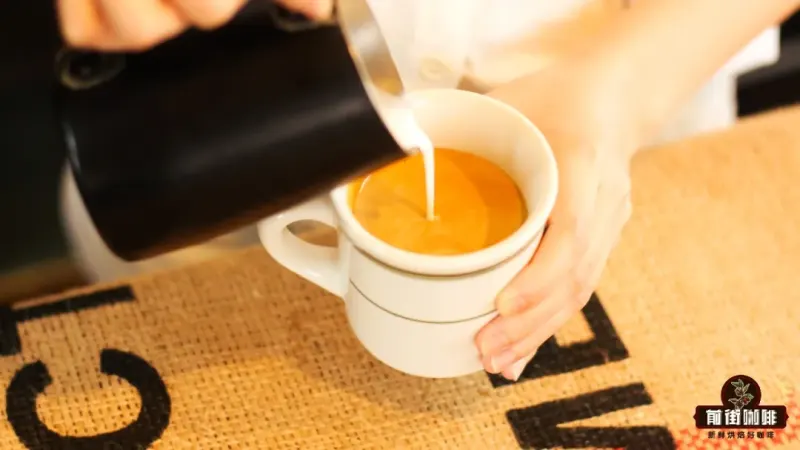
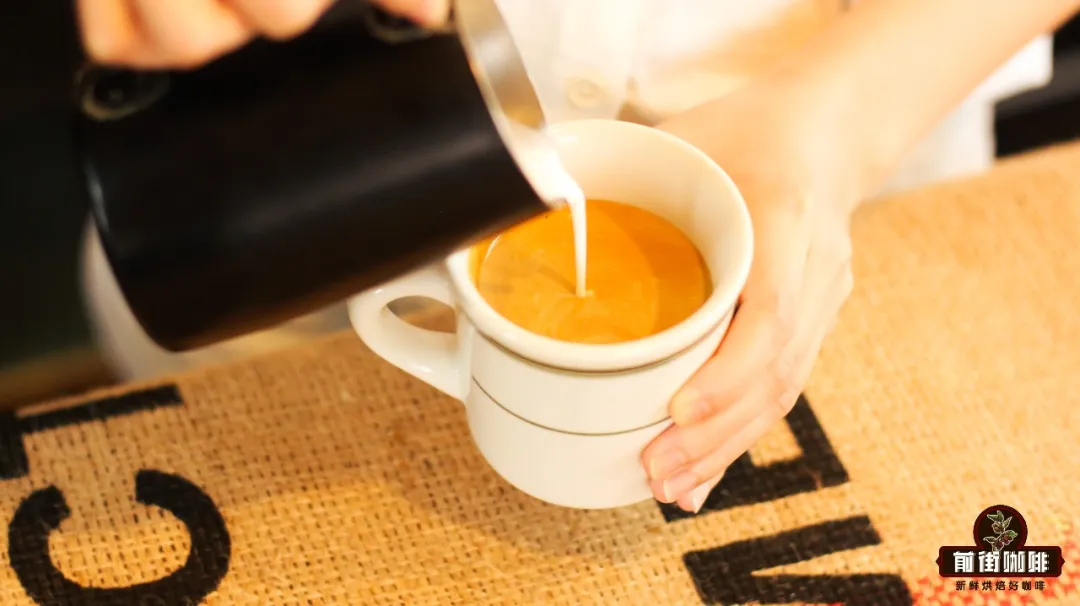
The milk foam of a flat white is extremely thin, less than 0.5 cm thick, with high fluidity, making latte art difficult but not impossible. To froth thin milk foam, start with cold milk and steam just until the pitcher feels warm, not hot, to avoid thick foam. Use a gentle, steady steam wand position to incorporate air briefly, then create a vortex to blend the foam into the milk.
Many coffee enthusiasts notice that some coffee shops serve flat white without latte art, which raises a common question: should a flat white have latte art? Does the absence of latte art affect the taste of the coffee? In fact, latte art appeared much later than the birth of classic milk coffees like lattes and cappuccinos, and whether or not latte art is present does not directly change the flavor of the coffee. What truly affects the taste is the ingredients, espresso extraction, milk frothing, and the degree of integration. Front Street conducted a comparative experiment and found that flat whites with and without latte art show no difference in mouthfeel or taste. The milk foam of a flat white is extremely thin, less than 0.5 cm in thickness, with high fluidity, making latte art relatively difficult—but not impossible. This article will analyze the necessity of latte art on flat whites and the key points for frothing thin milk foam, from both experimental and preparation perspectives.
This kind of situation is actually quite common, so many friends wonder: why do some coffee shops serve flat whites without latte art? Should flat whites have latte art at all? Does the absence of latte art affect the taste? To answer these questions, we first need to understand that it's not just flat whites—classic hot milk coffees like lattes and cappuccinos also originally had no requirement for latte art. One reason is that latte art emerged relatively late, only becoming popular well after the birth of these classic milk coffees.
On the other hand, whether or not there is latte art does not directly change the taste of a cup of coffee. The factors that truly affect coffee flavor are only the ingredients, espresso extraction, milk frothing, and the degree of integration. Latte art is a step performed after these processes are completed, so whether latte art is done does not actually affect the coffee's taste. Below is a simple comparison conducted by Front Street: The coffee beans used by Front Street for making flat white are Front Street Dark Cocoa · Basic Espresso Blend. This blend is composed of Brazilian and Yunnan coffee, is very cost-effective, and is suitable for commercial or home espresso machines and moka pot coffee. The dose used was 20g, extracting 40ml of espresso in 30 seconds. Front Street extracted two shots, each with 160ml of frothed milk added. The only difference was with and without latte art, and then their mouthfeel and taste were compared.

The result showed that the two cups of coffee had no difference in either mouthfeel or taste. Because the coffee beans used were Front Street Dark Cocoa · Basic Espresso Blend, the flavor profile in both was rich milk chocolate, butter cookie, and some nuts, with a silky, full-bodied mouthfeel and a long finish—quite excellent. From the above introduction and experiment, it can be seen that whether or not latte art is done does not affect the coffee, and there is no standard rule requiring that flat white coffee must have latte art, so whether a flat white has latte art mainly depends on the shop's preference, or rather on what kind of flat white the shop wants to present.
Some friends also suggest that the reason many coffee shops serve flat whites without latte art is that it's hard to create designs. Indeed, if you want to make a beautiful latte art pattern with flat white milk foam, it can be somewhat difficult, because it is very, very thin. The thickness of the milk foam determines its fluidity: the thinner the foam, the higher the fluidity. The milk foam of a flat white is extremely thin, less than 0.5 cm in thickness, so its fluidity is very high. Excessive fluidity increases the difficulty of latte art. Without a high level of skill, using thin milk foam for latte art can easily lead to distorted patterns or shifted patterns, so it is relatively difficult to pour good latte art with flat white milk foam.

The reason flat white milk foam is so thin is mainly to make the coffee's mouthfeel smoother. Milk foam is air-filled foam: the thicker the foam, the more velvety the texture it gives the coffee; conversely, the thinner the foam, the smoother the coffee drinks, but it does not feel thin—rather, it has a sense of body. Although flat white milk foam makes it hard to pour good latte art, it is not impossible to do well. As long as you practice diligently and improve your skill, making a refined basic pattern is still no problem. So whether a flat white has latte art actually still depends on the shop's preference.
That's all for this Front Street sharing. If you have any other questions, feel free to leave a comment in the comment section. Front Street will definitely share more when there's time~
- END -
The above content is compiled by CoffeeHunters, a coffee news website.


