







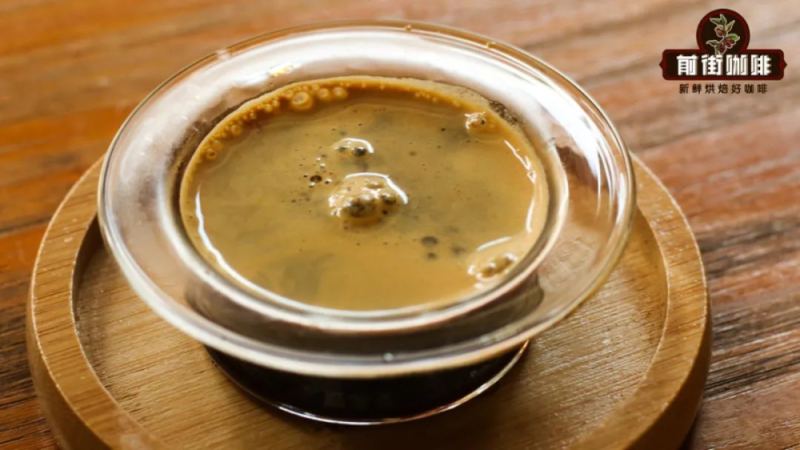
Does grind size explain thin crema and large bubbles in espresso?
Thin crema, large surface bubbles, and a weak-tasting shot usually trace back to grind size. When grounds are too coarse, water moves through the coffee bed faster, contact time drops, flavors stay under-extracted, and the forceful stream whips air into the cup. Adjusting finer is the standard correction, since it slows flow and restores extraction.
Storage also plays a part: beans that have lost carbon dioxide and aromatics, or a switch to a different roast level without recalibrating, produce similar symptoms. The practical method is to set a coffee formula first, for example 20 grams of grounds at a 1:2 ratio yielding about 40 milliliters, then dial the grinder finer until that recipe is met.
When making espresso, have you ever encountered thin crema, large bubbles floating on the surface, and a weak-tasting shot? The root cause of these problems often points to the same variable—grind size. Grinding too coarse speeds up the flow of hot water, shortening the contact time between water and coffee grounds. This not only under-extracts flavor but also causes the force of the liquid stream to whip air into the espresso, forming large bubbles. In addition, improper storage of coffee beans leading to the loss of carbon dioxide and aromatic compounds, or switching to beans with a different roast level without recalibrating the grind, can likewise trigger similar symptoms. This article will break down these causes one by one and provide specific grind adjustment methods and formulas to help you re-extract an espresso with rich crema and full flavor.
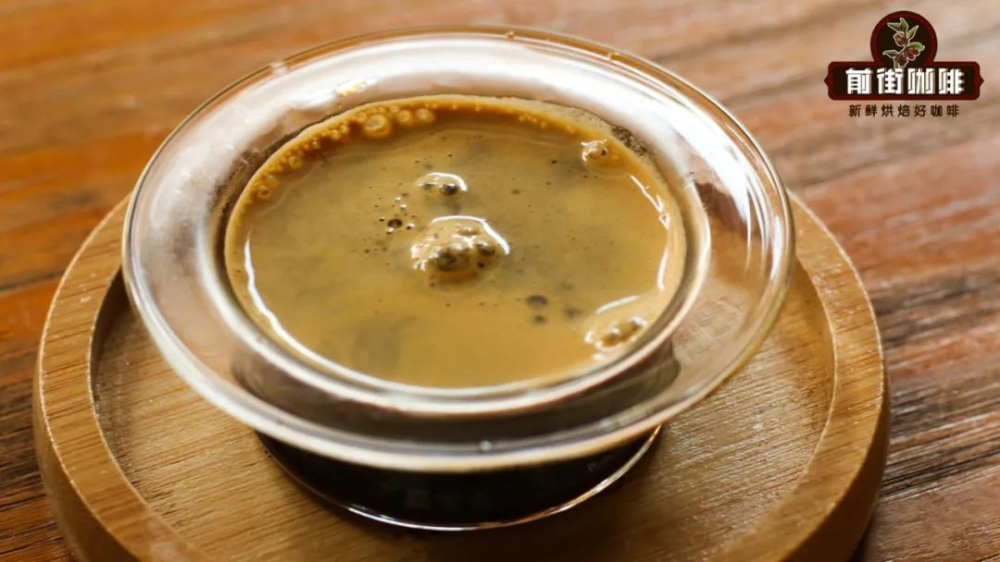
The Core Issue: Improper Grind Settings
There are many factors that can cause thin crema and poor flavor in espresso, but at the root, almost all of them are tied to "grind size," with grinding too coarse being the most common culprit.
Once coffee grounds are ground too coarse, the gaps between particles become larger, giving hot water more ample passageways to travel through. During extraction, the water flow speeds up accordingly, hot water can quickly pass through the coffee bed, and we can reach the target yield in a shorter time.
However, when the flow rate increases, the contact time between water and grounds is compressed. This means hot water doesn't have enough time to fully dissolve the flavor compounds in the coffee, and because the flow is too forceful, the falling espresso liquid carries strong momentum. This momentum drags air into the espresso, resulting in large, visible bubbles in the cup.
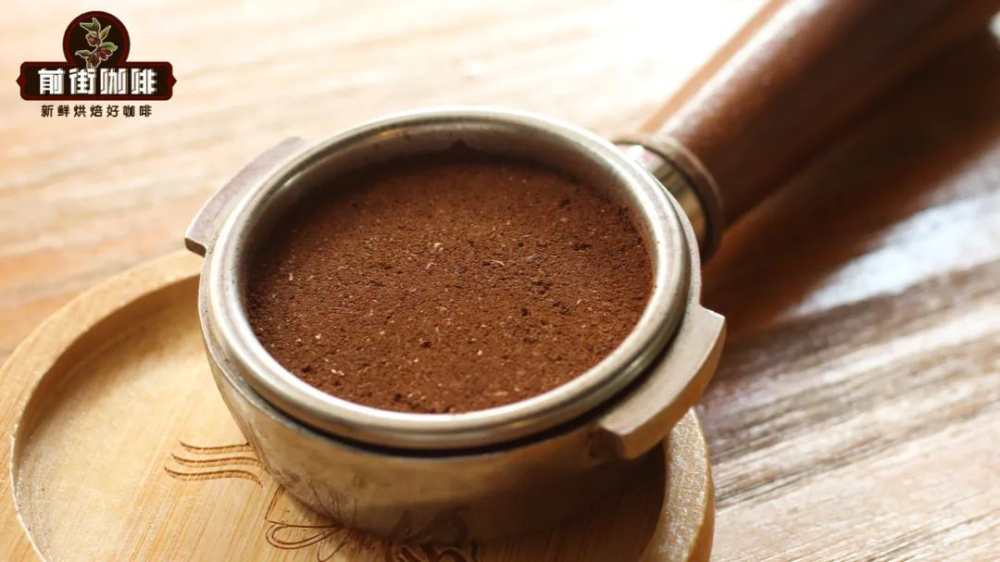
Although these bubbles will quickly pop and dissipate, the coffee's taste won't improve along with them. Therefore, when this happens, we need to address the root problem by adjusting the "grind size."
As mentioned earlier, the problem lies in grinding too coarse, so the adjustment direction is to grind finer. For the specific approach, you can refer to the method Front Street has shared before: first set a formula, then calibrate the grind based on that formula.
For example, let's set the formula as 20 grams of grounds, a 1:2 brew ratio (i.e., extracting 40 milliliters of espresso), with a target extraction time of 30 seconds. If you actually use 20 grams of grounds and get 40 milliliters of espresso in 20 seconds, that means you need to adjust the grinder several steps finer. The grinder Front Street uses is the Galileo Q18, and each step adjustment changes the extraction time by about 3 seconds. So, when you extract 40 milliliters in 20 seconds, you need to move 3 steps finer. Once the time is close to the target, fine-tune based on taste, and a rich-crema, satisfying espresso is born.
Generally speaking, aside from the possibility of an absurdly coarse grind when you first get a new grinder, there are two other factors that can cause a significant shift in grind size.
First: Improper Storage of Coffee Beans
Every day after finishing brewing and no longer making espresso, we seal up the coffee beans to slow the loss of flavor compounds. But if the seal isn't done properly and leaves a gap that lets air "breathe through," the beans will continuously be exposed to fresh air, and large amounts of carbon dioxide and aromatic compounds will escape.
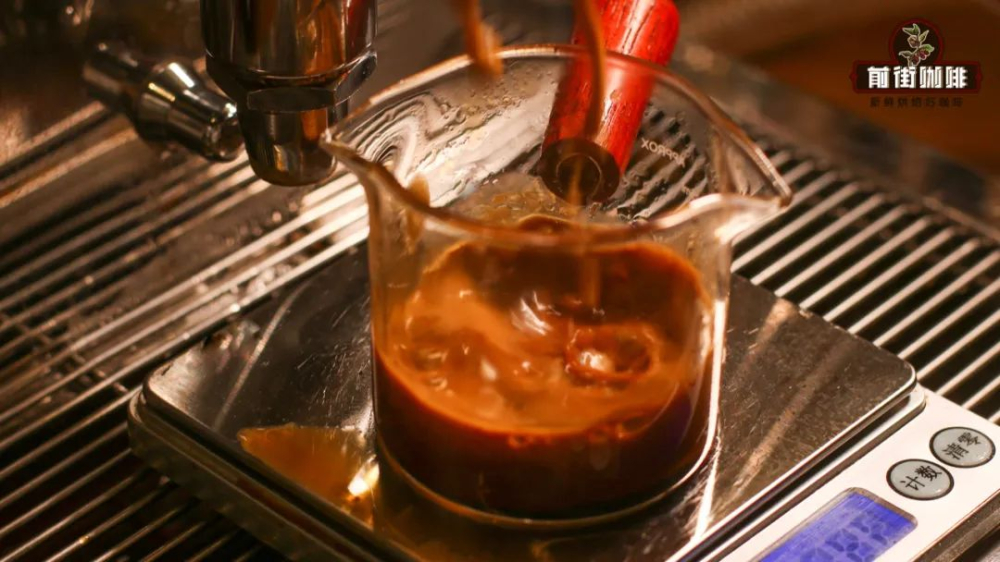
In just a few hours, carbon dioxide and flavor compounds can nearly all disappear. When you extract the next day, since the carbon dioxide and flavor compounds have already escaped, the previously set grind size no longer applies. The resulting espresso not only has thin crema but also tastes bland. Even if you readjust to a suitable grind, the flavor and crema will struggle to return to their peak. So be sure to pay attention: when you won't be extracting for an extended period, seal and store properly to extend the beans' optimal enjoyment period.
Second: Switching to Beans with a Different Roast Level
Everyone knows that the characteristic of dark-roasted coffee beans is that they're "easy to extract." After a long roasting process, the beans have lower density and higher brittleness, allowing hot water to easily extract compounds from them.
This characteristic means they don't need to be ground too fine (compared to extracting light-roasted espresso beans) to give water and grounds sufficient contact time. After all, dark-roasted beans are like "sensitive skin"—as soon as hot water touches them, they release a large amount of internal carbon dioxide. Carbon dioxide is both the main material that forms crema and fills the gaps between grounds, slowing the flow of hot water. So during extraction, the presence of abundant carbon dioxide gives water more ample extraction space.
But if you suddenly switch the dark-roasted beans in the hopper to lighter-roasted beans, since they lack the "advantages" of dark-roasted beans—they're harder to extract (higher density, lower brittleness), and their carbon dioxide content isn't as abundant, so they can't slow the hot water flow—you need to grind finer to increase the contact area with hot water so their flavor compounds can be better extracted. But if you don't re-tune the grind after switching beans, the ground coffee will be too coarse, causing spraying during extraction and ultimately a thin-tasting coffee with sparse crema.
- END -
The above content is compiled by CoffeeHunters, a coffee news website.


