







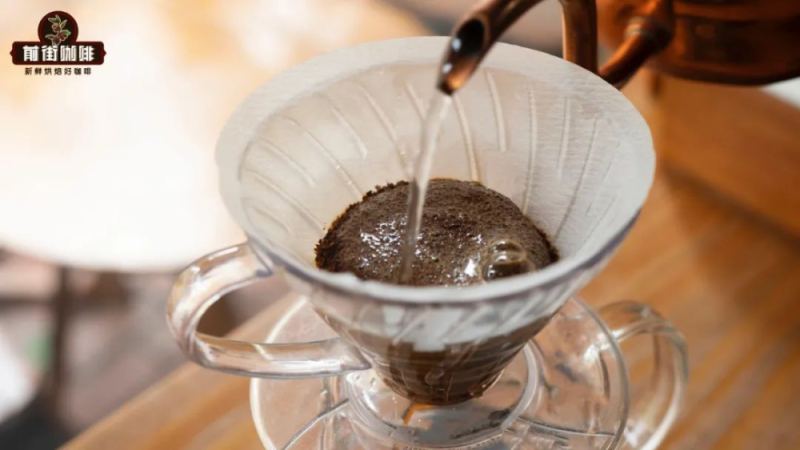
How Do You Brew a Fuller Body Coffee From Dark Roast?
A thin dark roast pour-over usually comes from brewing parameters, not the beans. Body is the weight the coffee liquid carries in the mouth, and it tracks concentration: low concentration reads watery, high concentration reads full. Dark-roasted beans have a looser internal structure and are generally easier to extract into a rich, full body coffee.
Four variables control the result: coffee-to-water ratio, brewing time, dripper choice, and pouring technique. A tighter ratio and longer contact time raise concentration, while a dripper with slower flow keeps the bed submerged. Coffee bean roasters historically used darker profiles for weight in the cup, and returning to those parameters restores the mouthfeel.
Many coffee enthusiasts often run into the problem of their pour-over deep-roasted beans tasting watery and not full-bodied enough. Body is actually an important indicator of how much weight the coffee liquid has in the mouth, and it is closely related to concentration—the higher the concentration, the fuller the mouthfeel. Because deep-roasted beans have a loose texture, they should be easier to extract a rich texture from, but if the brewing parameters are off, they can instead turn out thin. This article will guide you to reunderstand the essence of body, learn how different roast levels affect flavor, and analyze one by one the four major variables—coffee-to-water ratio, brewing time, dripper choice, and pouring technique—to help you find the direction for adjustment to bring deep-roasted coffee back to a rich, full-bodied mouthfeel.
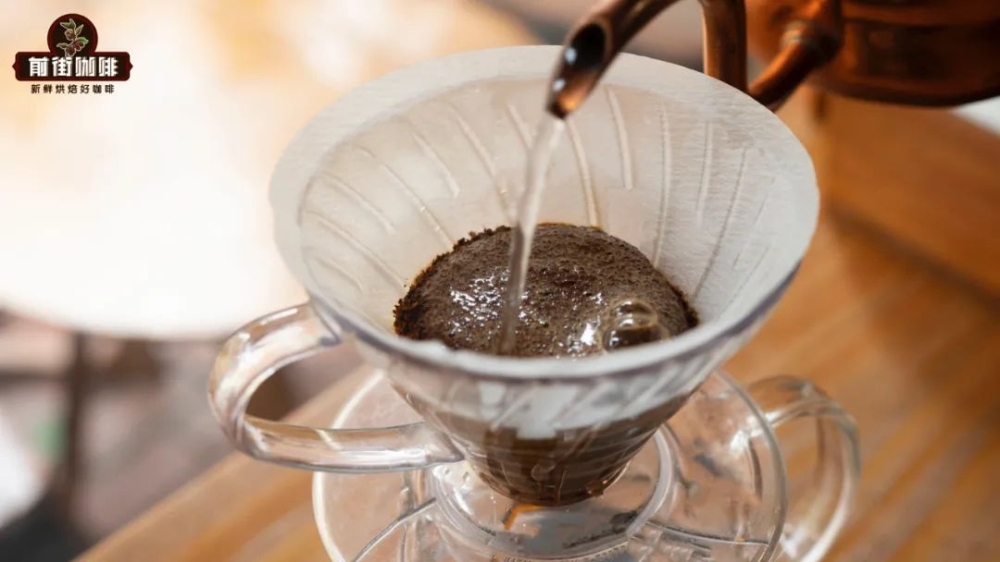
Let's first sort out a concept again: body describes the sense of weight that coffee liquid brings in the mouth—whether it is light like water or heavy and full. This feeling is directly related to the concentration of the coffee liquid; when the concentration is low, the mouthfeel seems thin, and when the concentration is high, it becomes fuller. Deep-roasted coffee beans, because their internal structure is relatively loose, are usually easier to brew into a rich body.
Therefore, if you usually feel that your deep-roasted coffee tastes thin when brewing, you might first look back at your brewing parameters, find the root of the problem, and then make targeted adjustments.
Traditionally, roasters generally used darker roast levels to give coffee a rich, full-bodied mouthfeel, and this also effectively avoided defective flavors in the beans. Later, as the concept of specialty coffee rose, people began to pursue the unique regional flavors of each producing area and favored a clean, transparent cup with bright acidity and sweetness, so light roasting gradually became a popular trend. The darker the roast level, the more fully the substances inside the beans are caramelized; while if you want to retain more fruit acidity and floral aroma, you need to choose a lighter roasting curve.
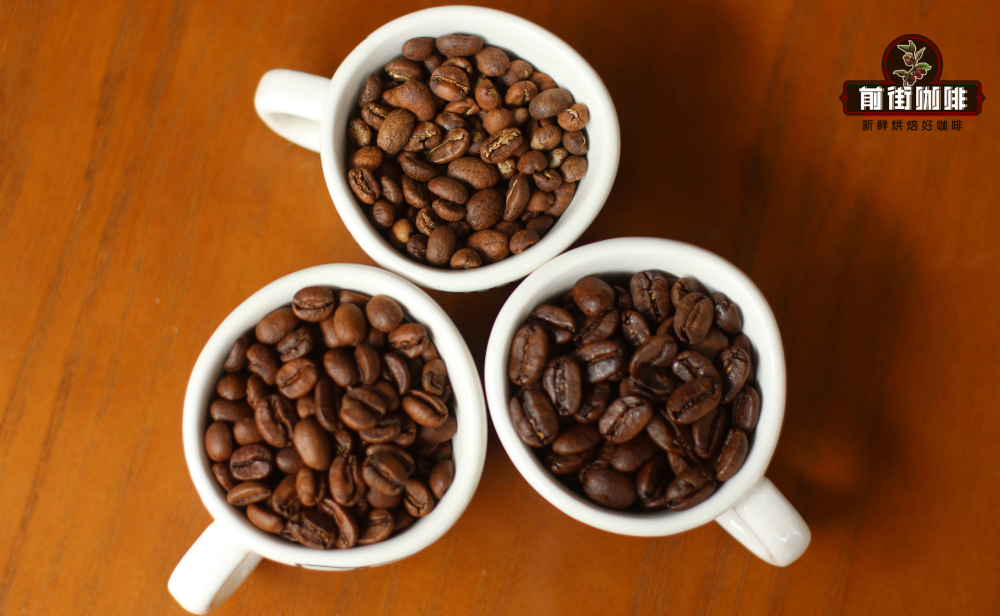
At present, the common coffee beans on the market can be roughly divided into three categories by roast level: light roast, medium roast, and dark roast.
Light roast: prominent fruity character, with intertwined sweet-and-sour floral and fruity aromas, and relatively strong acidity. For example, Front Street Coffee washed Yirgacheffe Gedeb Cooperative coffee beans.
Medium roast: presents a nutty character, mainly showing caramel, cocoa, and malt notes. For example, Front Street Coffee Brazil Queen Estate coffee beans.
Dark roast: carries a slight chocolate bitterness, lower acidity, rich caramel aroma, accompanied by spice, woody, and charcoal-roasted flavors. For example, Front Street Coffee PWN Golden Mandheling coffee beans.
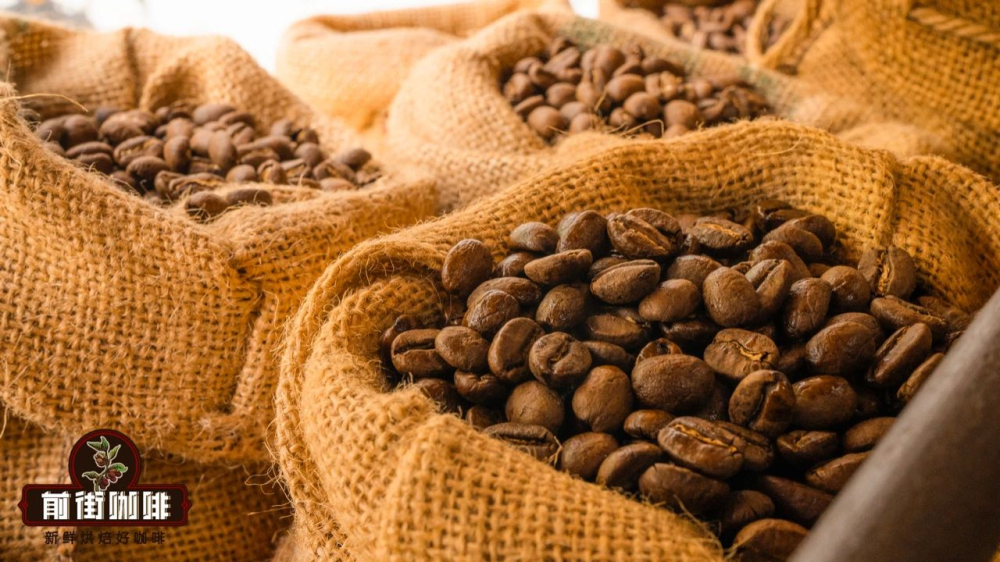
1. Coffee-to-water ratio
2. Brewing time
3. Dripper choice
Deep-roasted coffee beans have a relatively loose texture and a high extraction efficiency to begin with (aromatic substances are easily released), so a coarser grind than for medium-light roasts is needed to appropriately reduce extraction efficiency and avoid over-extraction. In this case, if you still choose a V60 dripper with a faster flow rate, it is very easy to cause under-extraction.
4. Pouring technique
The above content is compiled by CoffeeHunters, a coffee news website.


