







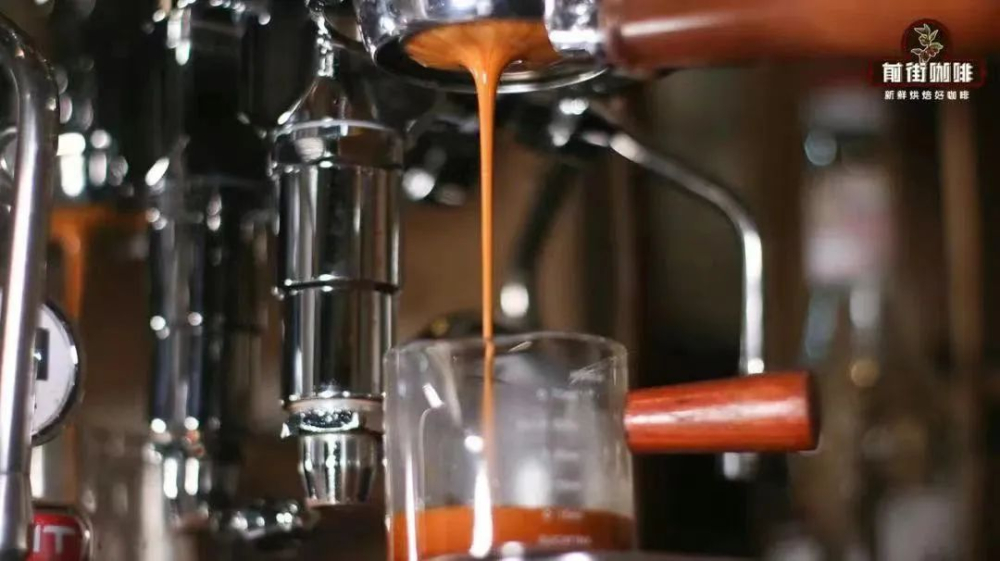
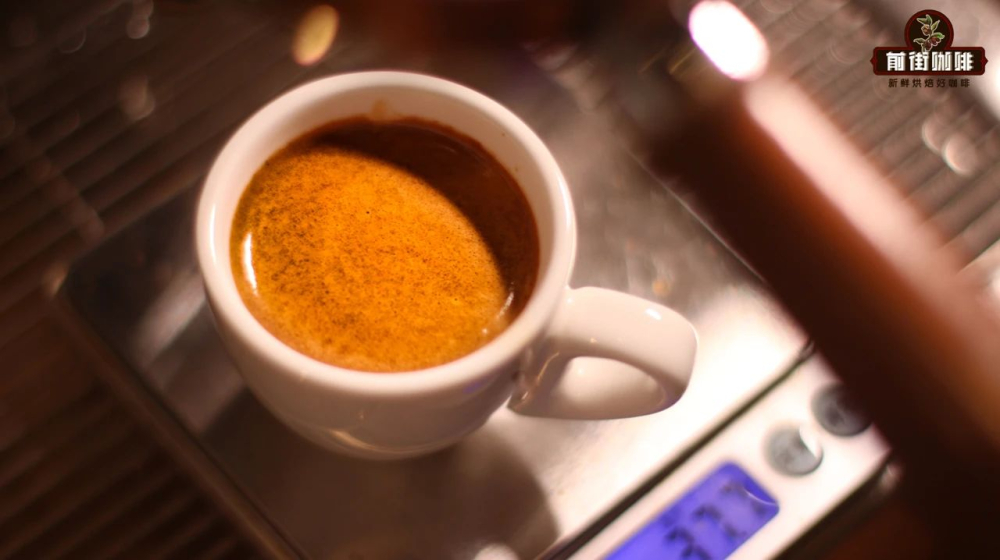
When a coffee machine extracts espresso, the process of crema seeping out has always been a heartwarming sight. Especially after finishing the pour and seeing that thick, golden foam—latte art enthusiasts couldn't be happier.
But if one day you find that the extracted crema is sparse, thin, or even nonexistent, then the problem is very likely in one of these areas!
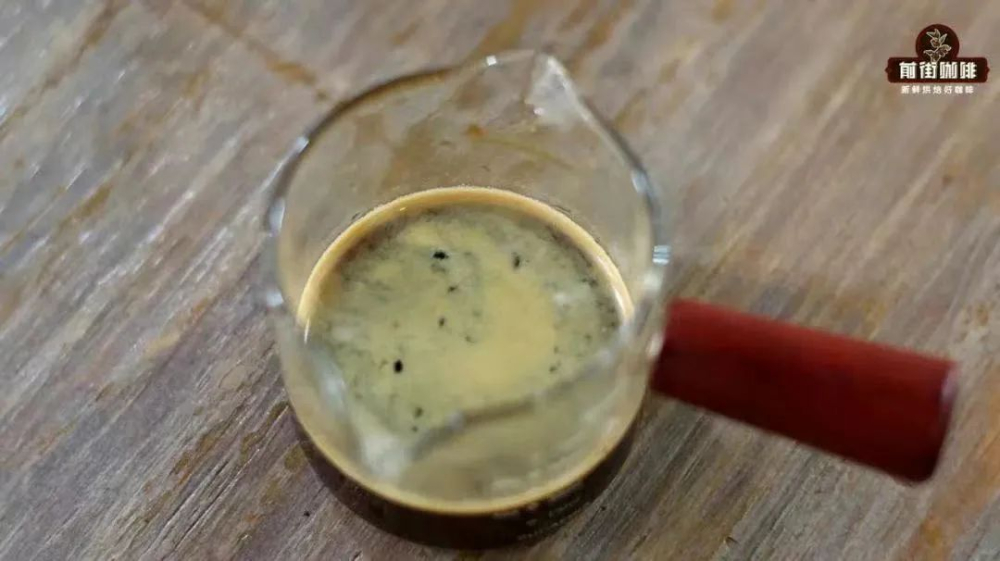
1. Stale coffee beans
When coffee beans are stale, their internal carbon dioxide content is no longer enough to "support" a rich crema! There are two reasons for staleness:
One is that too much time has passed since roasting, exceeding the optimal flavor window. Generally, espresso beans have a 60-day flavor window; after this period, the aroma, flavor, and carbon dioxide have mostly dissipated. If you use them for extraction, the crema you get will naturally be quite thin!
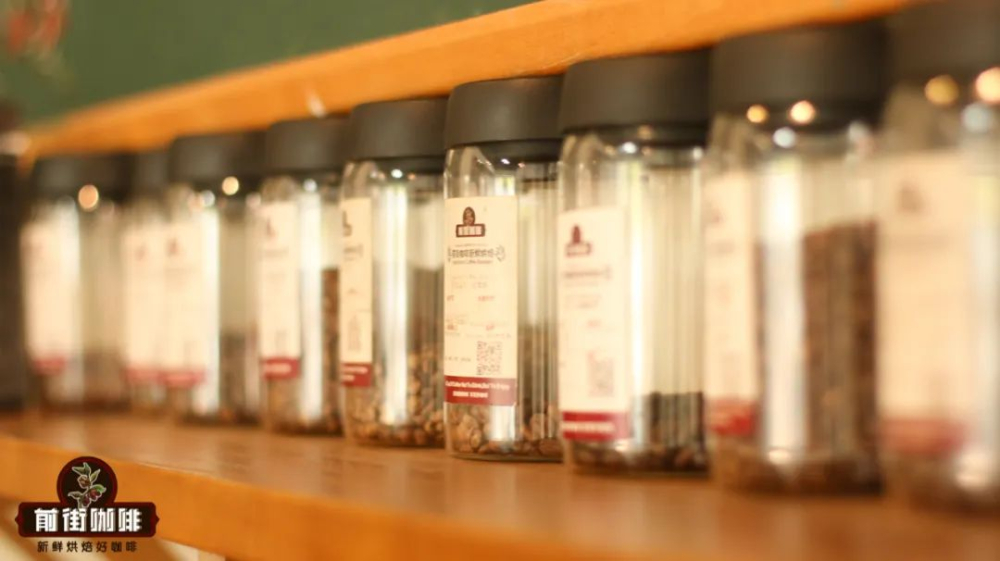
The other is a storage issue! Even if your beans are still within the flavor window, if they aren't stored properly—with a loose lid or broken seal allowing the beans to be heavily exposed to air—the beans will accelerate their degassing reaction. Just one night is enough to turn fragrant, aromatic beans into bland, flavorless ones.
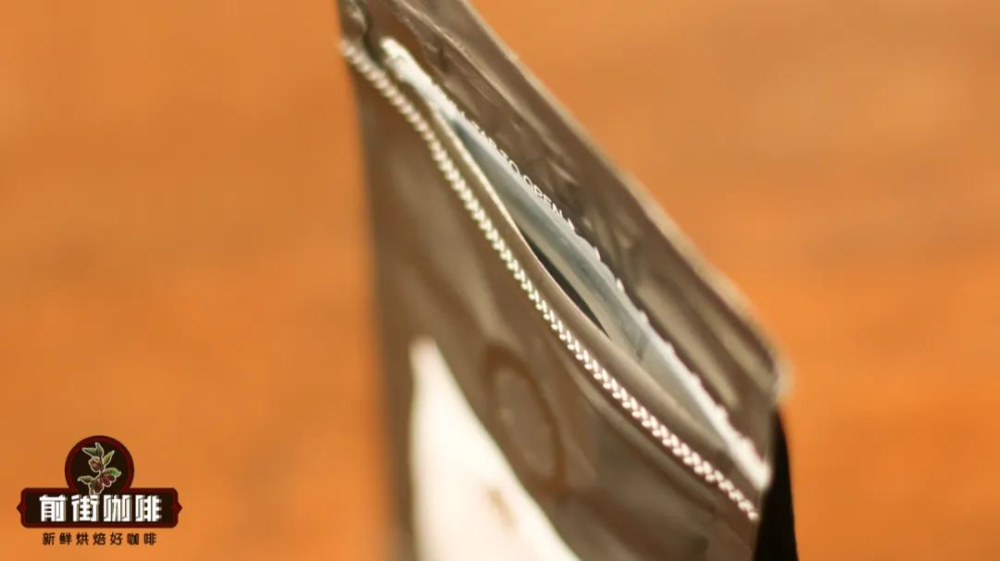
So when buying beans, it's best to check the roast date and then store them properly. That way, waste and failed brews can be greatly reduced~
2. Coffee machine pressure adjustment
Many home espresso machines have a pressure valve positioned just like the one Front Street Coffee uses—within easy reach. Although it's convenient, it's easy to accidentally bump it, causing problems with the next cup.
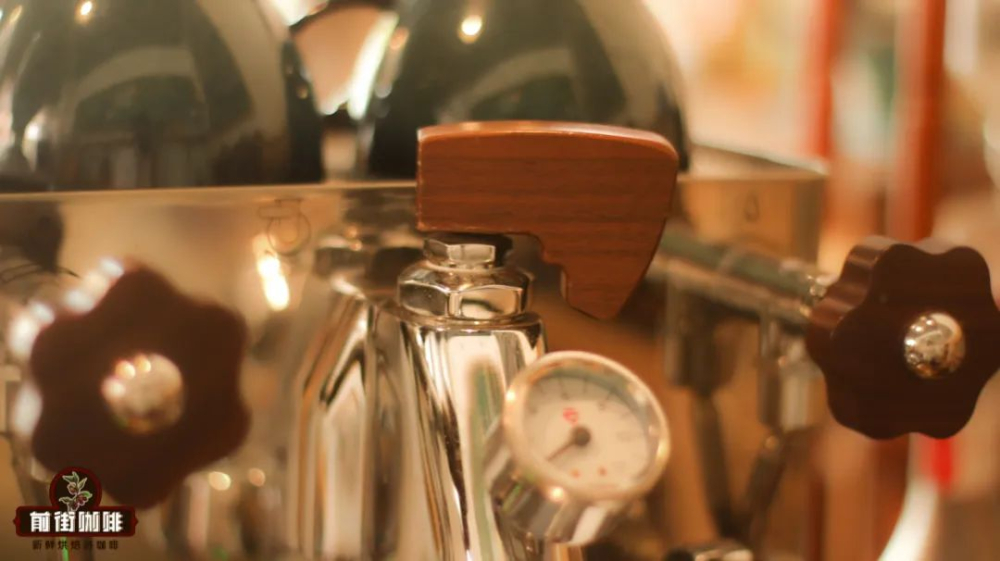
So if your espresso crema comes out too thin, check the pressure valve to see if it's at the correct pressure value, to reduce error. (Normally it's 9–10 bar)
3. Grind too coarse, dose too small
Grinding too coarse, or using much less coffee than the basket's standard dose—these are the two easiest things to check! When you press the extraction button and see the coffee liquid gushing out, it means one of these two parameters is off (or possibly both), causing gaps that are too large for water to pass through, or channeling.
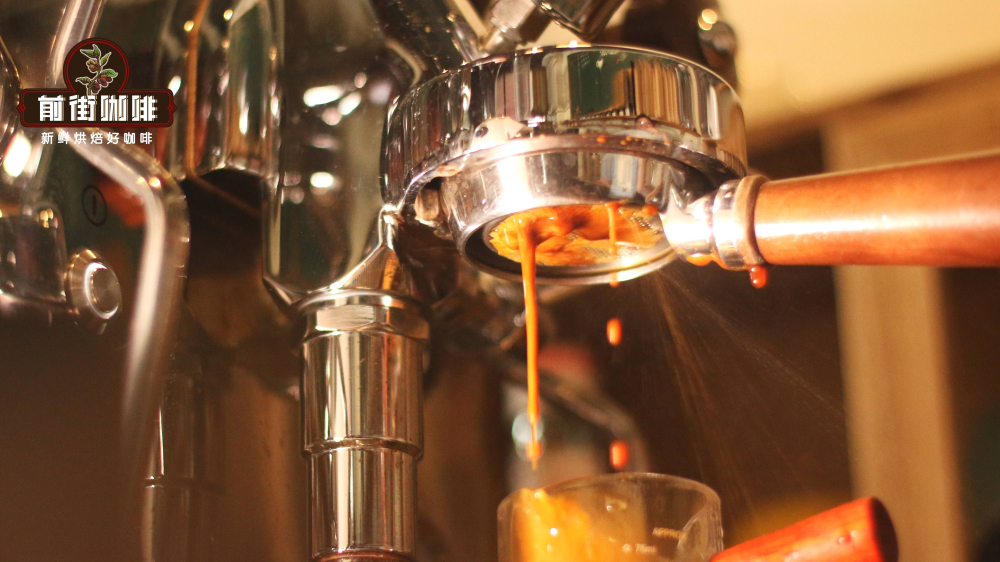
Coffee extracted under these two conditions is pale in color, thin in crema, and very bland in taste! For dose, it's best to use the basket's reference gram weight as the standard. As for grinding too coarse, you can use a 20-second extraction time as a benchmark!
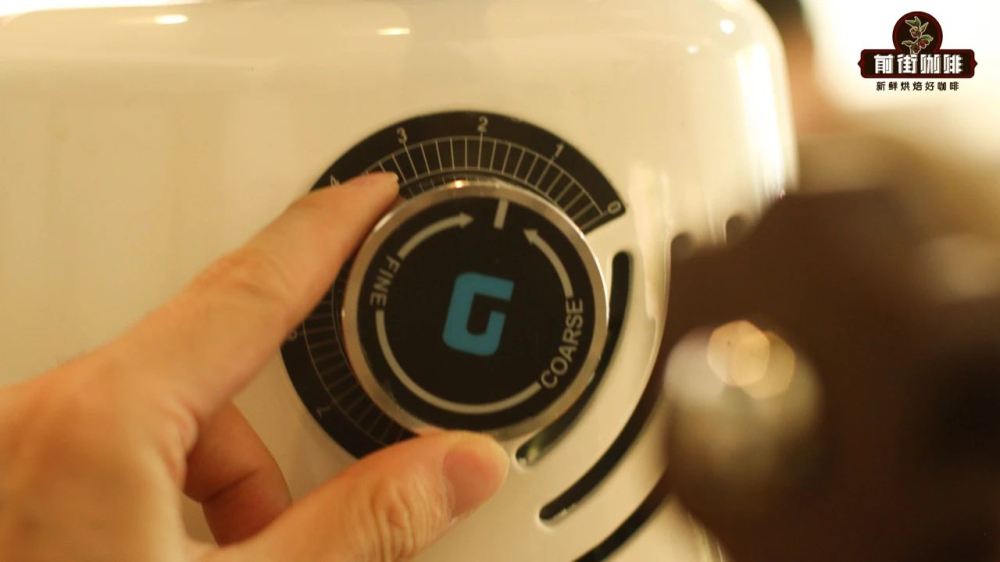
For espresso, the coffee-to-liquid ratio has always been默认 as twice the dry dose in liquid weight. Following this principle, check whether the extraction time falls within 20 seconds. If so, it means the grind isn't coarse enough—no wait, it means the grind is too coarse, the gaps water can pass through are too large, and the extraction time is naturally short. In that case, you need to readjust the grind!
4. Water temperature too low
During extraction, if the water temperature doesn't reach the required 90+°C, you'll get thin crema. Of course, just like grinding too coarse, the final espresso will end up underextracted!
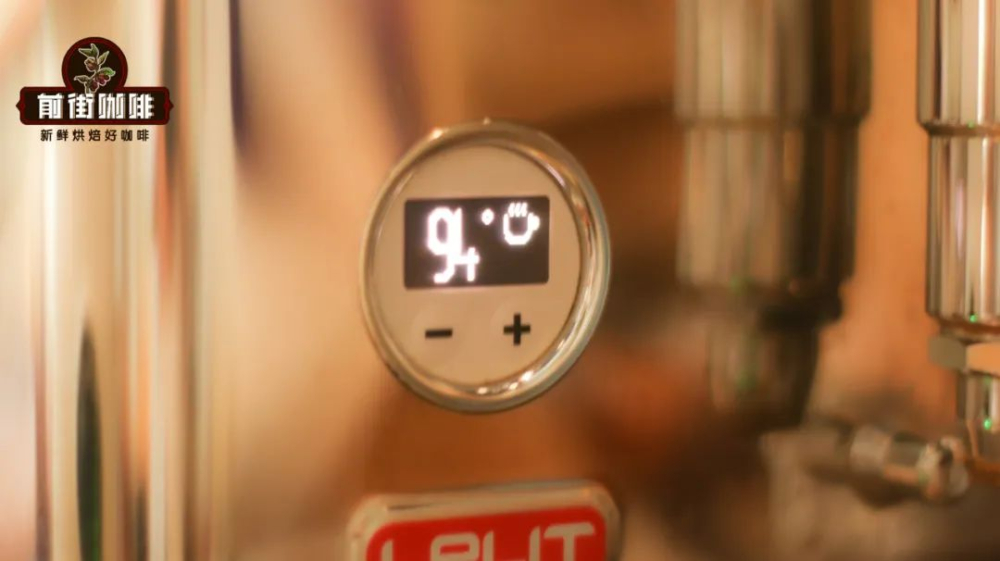
Generally, insufficient water temperature occurs during the warm-up phase right after the machine is turned on. At that time, the water temperature isn't very precise. So Front Street Coffee waits twenty minutes after turning on the machine before starting espresso extraction.
5. The beans are a light roast
Because light-roasted coffee beans have a harder texture, they require a higher extraction intensity than dark-roasted beans. So if you apply dark-roast extraction parameters to light-roast beans, you'll very easily get "espresso splatter."
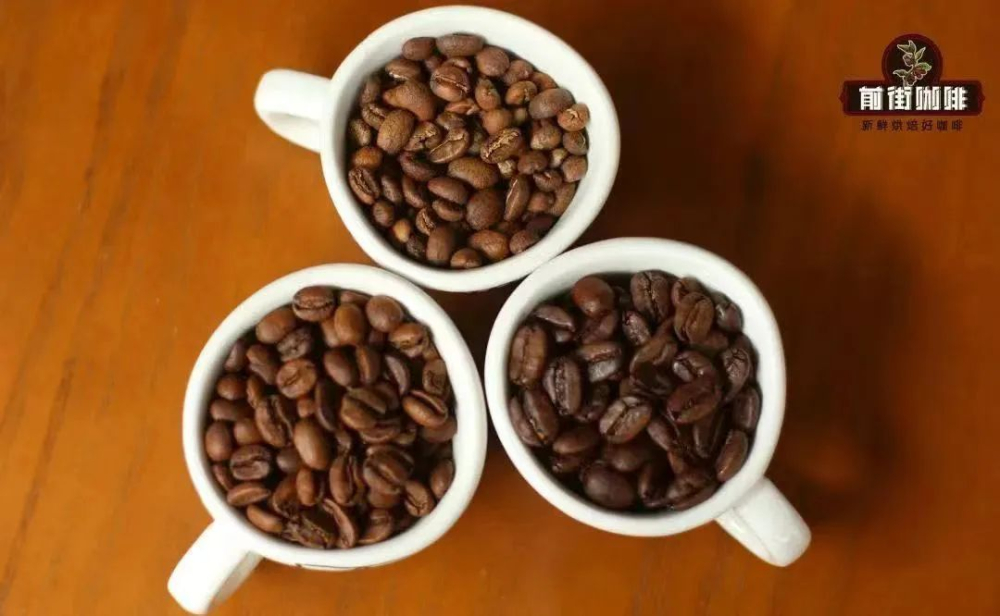
Therefore, light-roasted beans still need to be dialed in to their corresponding parameters! And even with accurate parameters, their crema won't be as rich and thick as that of dark-roasted beans. After all, they naturally have less carbon dioxide~
What type of beans are suitable for a coffee machine?
Since most home espresso machines aren't as stable in function as commercial machines and produce very few cups, this places even more demand on our ability to manage parameters. Therefore, Front Street Coffee recommends choosing more stable espresso blend beans. Espresso blends combine coffee flavors from different origins and use a medium or darker roast, giving us a higher margin for error in extraction.
Front Street Coffee's bean list has four espresso blends for you to choose from, and we ensure we only ship coffee roasted within 5 days, so you receive it at its optimal flavor stage. Besides the mellow-style Warm Sun Blend mentioned above, Front Street Coffee's espresso bean list also includes three nutty blends with good value for money—their rich body and intense aroma are equally suitable for making flat white coffee.
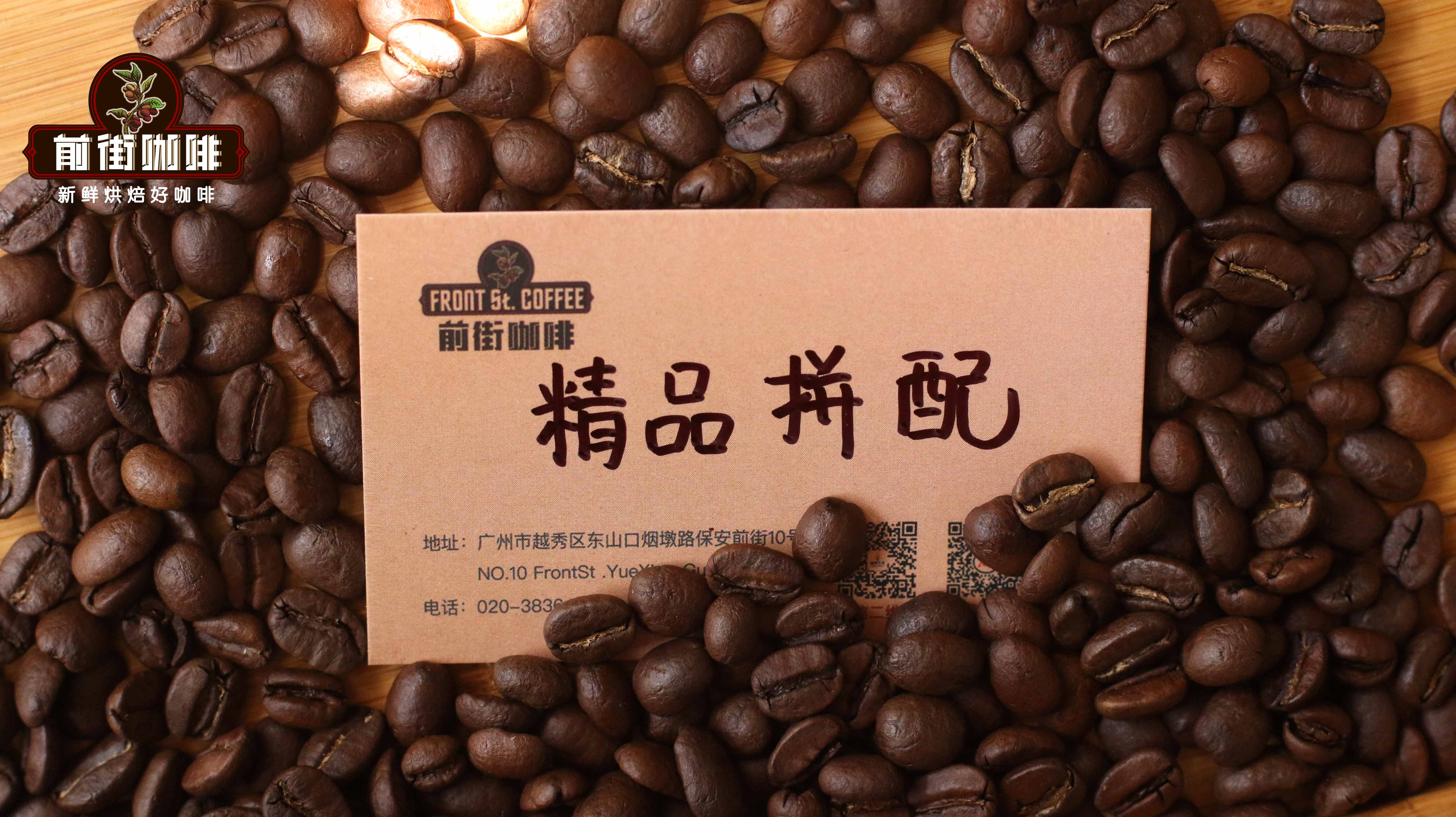
Balanced & Intensely Aromatic——Front Street Coffee Specialty Blend Coffee Beans
Colombia washed coffee beans (30%) + Brazil semi-washed coffee beans (70%)
On the classic Brazilian coffee's nutty profile, Colombian coffee is added. The espresso presents dark chocolate flavors, caramel sweetness, and a full roasted aroma. Blended with steamed hot milk, it delivers chocolate, cocoa, and creamy notes, like drinking an unsweetened Ovaltine hot beverage.
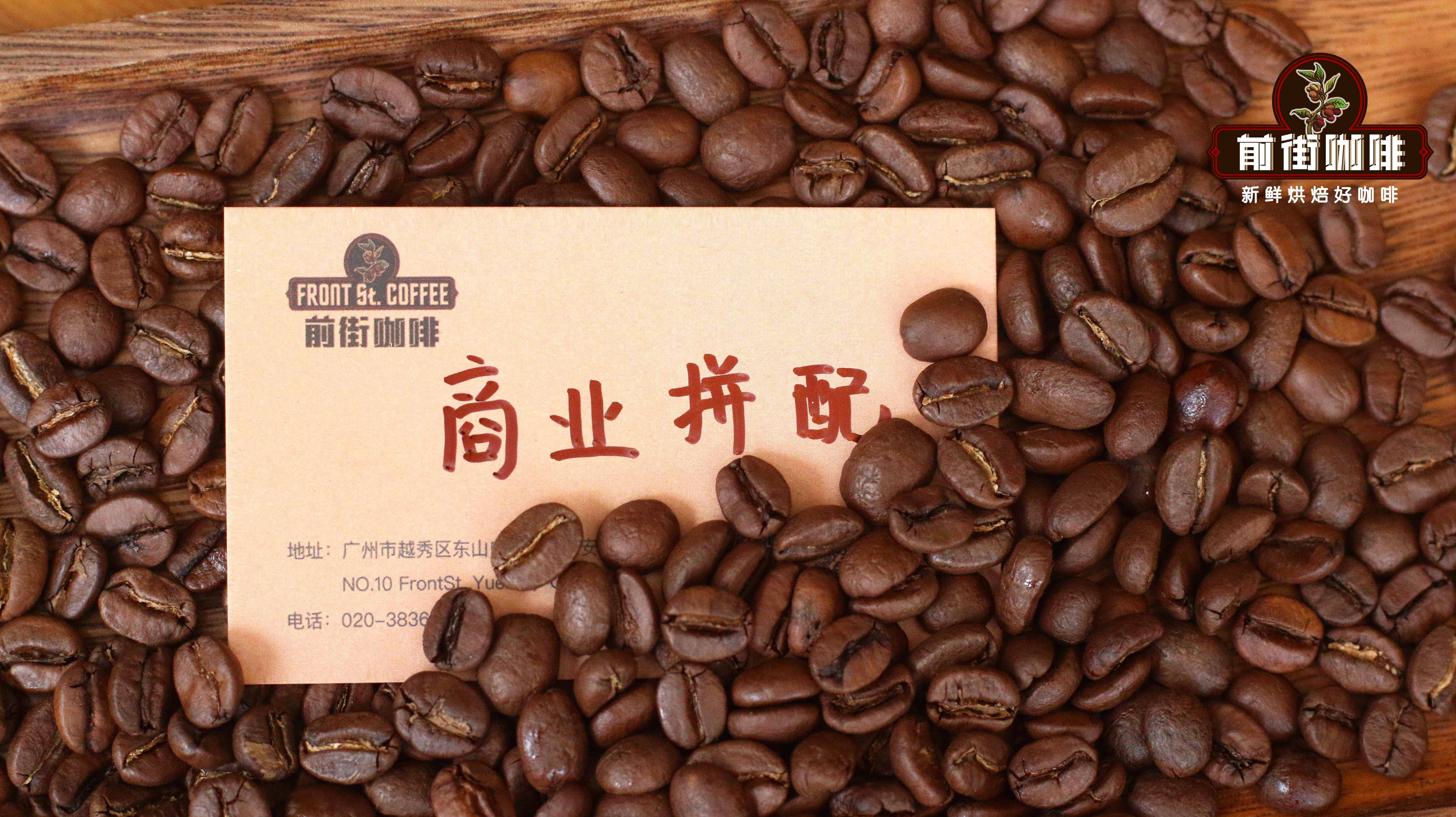
Classic & Rich——Front Street Coffee Commercial Blend Coffee Beans
Robusta washed coffee beans (10%) + Colombia washed coffee beans (30%) + Brazil semi-washed coffee (60%)
The espresso has a rich golden crema and nutty aroma. When enjoyed as a flat white blended with milk, it has a toasty coffee bitterness, but accompanied by more of a creamy, full-bodied mouthfeel. After swallowing, the bitterness fades away, leaving a lingering fragrance on the lips and teeth.
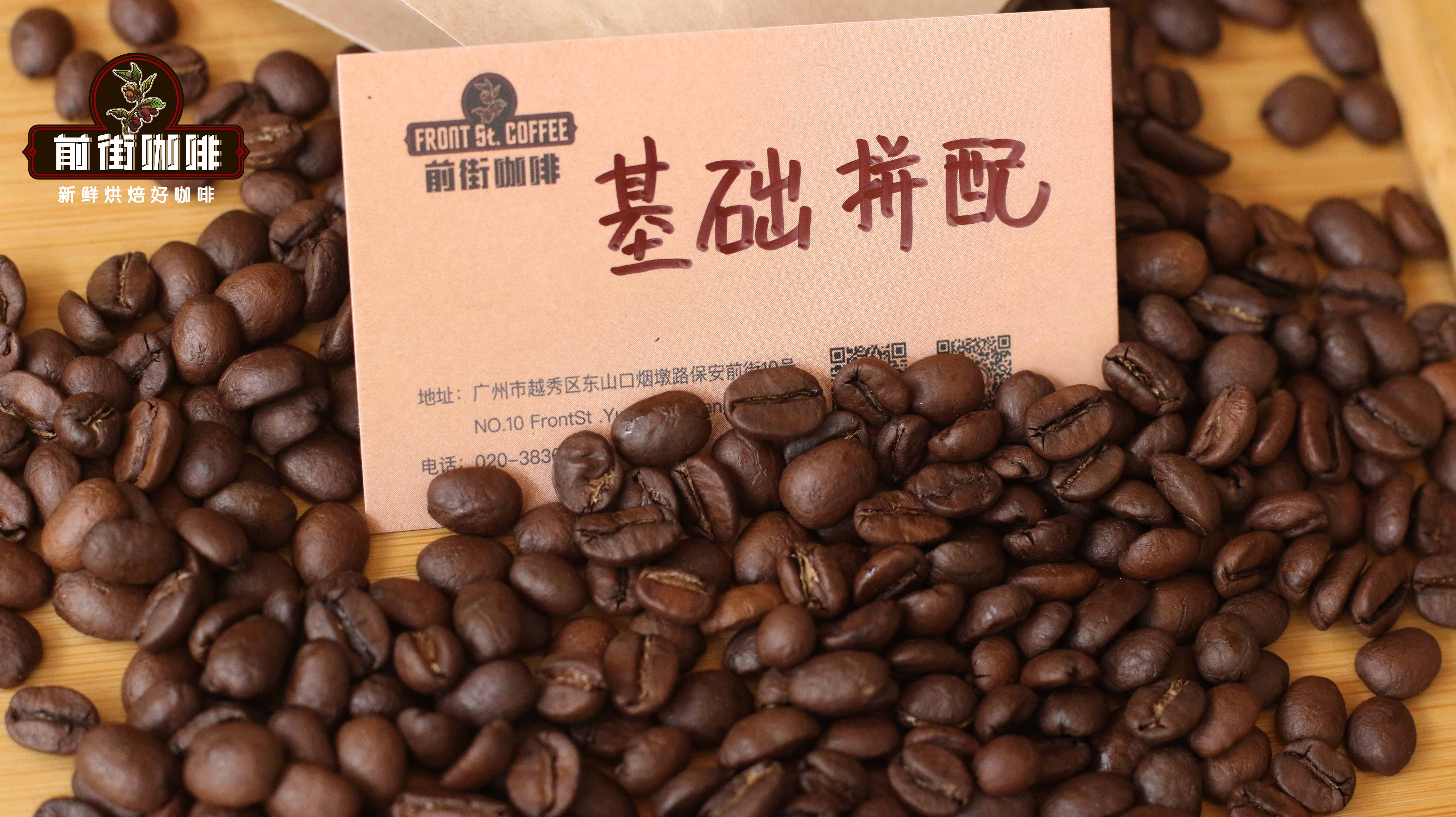
Slightly Acidic & Rich——Front Street Coffee Dark Cocoa Blend Coffee Beans
Yunnan washed small-bean coffee beans (30%) + Brazil semi-washed coffee beans (70%)
Yunnan small-bean coffee brings a gentle acidity, paired with the rich aroma of Brazil Cerrado coffee. The espresso has caramel, nutty, and soft plum acidity flavors, and when combined with milk, it presents a relatively balanced and smooth mouthfeel.
The above content is compiled by CoffeeHunters, a coffee news website.


