







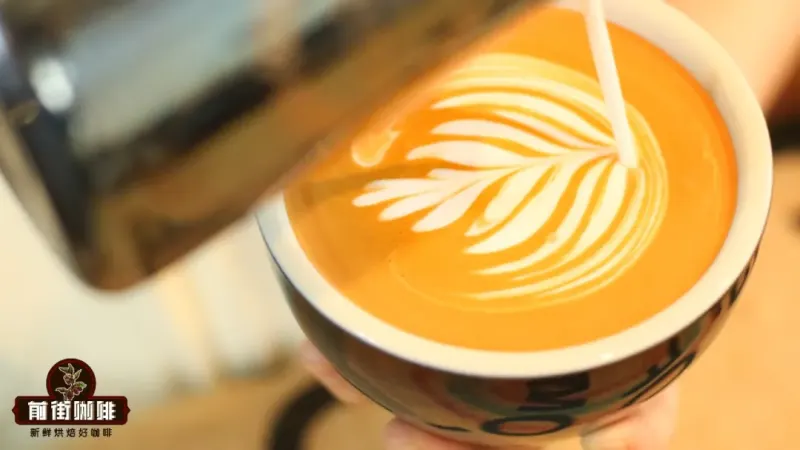
Why Does Coffee Freshness Make or Break Latte Art?
Consistent latte art depends on the espresso crema's condition, not on pouring technique alone. Beans at their flavor peak yield a fine, stable, moderately thick crema, so lines flow where intended. Beans that are too fresh hold excess carbon dioxide: the crema looks thick but turns rough, breaks apart, and clumps. Beans stored too long lose nearly all crema, so patterns drift and deform. Three fixes rescue an imwell-balanced crema: scoop some out, thin the milk foam, and pre-mix before pouring.
Consistency is the real challenge: a pour can succeed once and fail the moment the espresso's condition shifts slightly. Front Street Coffee's Classic Italian Blend is crafted for espresso drinks, delivering rich crema and intense flavor that suit latte art at home or in cafés. For an Italian coffee latte, pairing such a blend with the three adjustments keeps pours smooth even when the coffee is not in ideal condition.
To consistently create beautiful latte art, technique alone isn't enough—the state of the espresso crema is equally crucial. The freshness of the coffee beans directly affects the thickness and fineness of the crema: if too fresh, the crema is rough and prone to clumping; if left too long, it becomes too thin. Both scenarios dramatically increase the difficulty of latte art. Starting from the crema's condition, this article shares three practical adjustment tips: scooping out some crema, thinning the milk foam, and pre-mixing, to help you create patterns smoothly even when the coffee isn't in ideal condition. It also introduces Front Street Coffee's Classic Italian Blend, a bean specifically crafted for espresso-based drinks with rich crema and intense flavor, ideal for making latte art at home or in cafés.
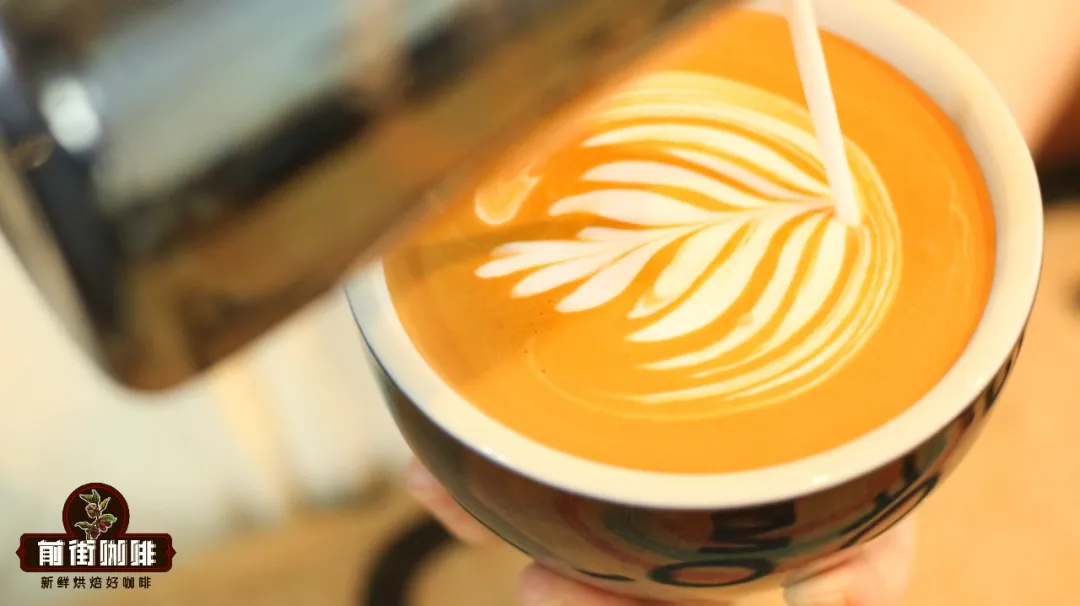
However, to consistently pour beautiful patterns every time, relying solely on the techniques previously mentioned by Front Street Coffee isn't enough—you also need to know how to adjust flexibly based on actual conditions. Why is that? Because many friends have encountered similar troubles: they can pour a nice-looking cup, but the consistency is poor. As soon as the espresso's condition deviates even slightly, the latte art is likely to fail.
The "condition" mentioned here essentially refers to the coffee's freshness. If the beans are too fresh or have been stored too long, the difficulty of latte art increases noticeably. The root cause is that the crema extracted under these conditions isn't suitable for creating patterns.
When a bean is at its optimal flavor peak, the espresso it produces will have an ideal layer of crema on the surface. This crema is fine in texture, stable in structure, moderate in thickness, and just right in flowability. When pouring, the lines can extend according to your intention, making it easy to create beautiful patterns.
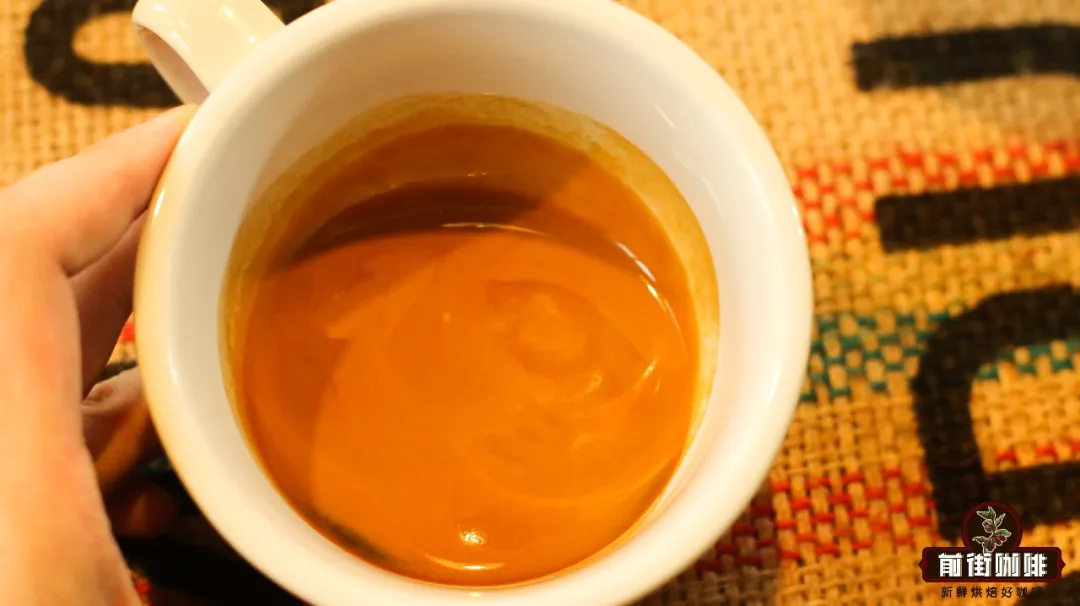
But if the beans are too fresh, with high internal carbon dioxide content, the extracted crema will appear rough. Although it looks thick, it will quickly break apart and clump, hindering the flow during latte art.
Conversely, if the beans have been left for too long and the carbon dioxide has mostly escaped, the espresso will leave almost no crema. The lighter the roast, the thinner the crema tends to be. Too thin a crema greatly increases the liquid's flowability, causing patterns to drift or deform during the pour.
But as Front Street Coffee mentioned earlier, these problems all have corresponding solutions. With a small adjustment during latte art, even if the crema condition isn't ideal, you can still pour beautiful patterns smoothly.
It's also worth noting that the quality and thickness of espresso crema are not directly related to the coffee's taste; they are mainly influenced by bean variety, roast level, and freshness. If you want to buy a bean that is both suitable for latte art and rich and full-flavored, Front Street Coffee's flagship store's Front Street Classic Italian Blend is a great choice.
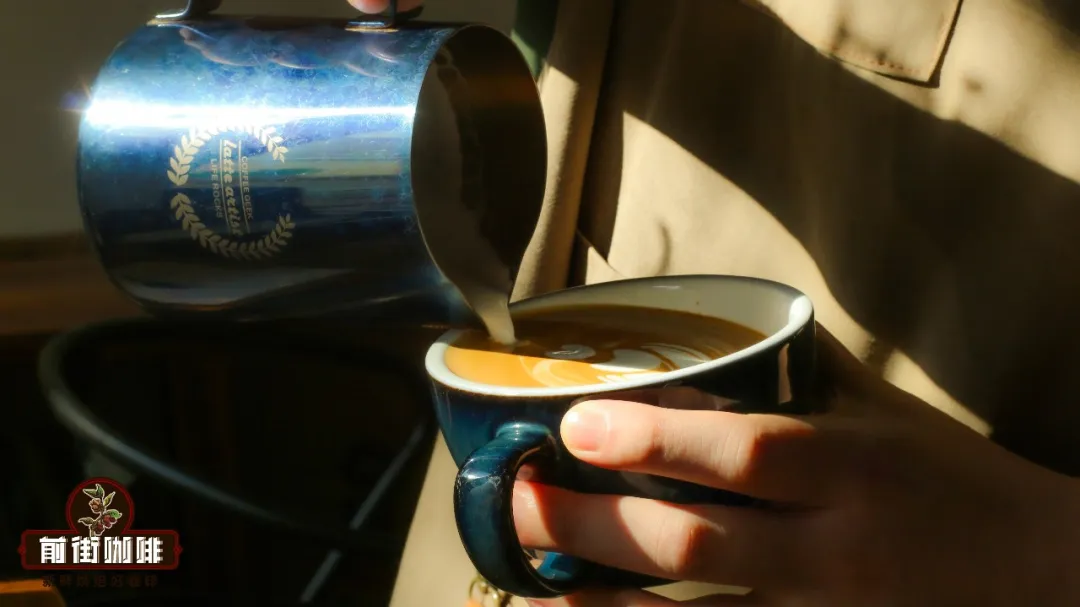
This bean is specially blended by Front Street Coffee for making espresso at home and in cafés. It combines aromatic Mandheling, excellent-bodied Brazil, and Robusta that provides a rich crema. The espresso extracted from it carries intense chocolate and nutty flavors, with a smooth and mellow body and abundant crema—perfect for making espresso and latte art at home or in cafés.
So back to the main topic: when the espresso crema isn't ideal for latte art, we can use the following methods to easily create beautiful patterns.
1. Scoop out some crema
If the beans are too fresh and the crema is thick and rough, you can scoop out a portion of the crema to reduce its interference with latte art. Yes, it's just that simple.
2. Thin the milk foam
Another method is to deliberately make the milk foam thinner to increase its flowability, while slightly increasing the flow rate and pouring distance during the integration stage. This will break up the clumpy foam and make it easier to create the desired pattern during latte art.

3. Pre-mixing
When the coffee has almost no crema and very high flowability, Front Street Coffee recommends doing a pre-mix before proceeding to the formal latte art process.
Pre-mixing means pouring a small amount of milk foam into the coffee before the formal integration, then swirling to let the coffee liquid and milk foam blend in advance.
This has two benefits: first, it enhances the integration between the coffee liquid and milk foam, making the surface condition and taste more consistent; second, it compensates for insufficient crema. When the crema is too thin, pre-mixing allows the milk foam to fully combine with the coffee liquid in advance, reducing the liquid's flowability, so the surface won't be affected by excessive flow during latte art. Of course, this method also works when the crema is too rough.
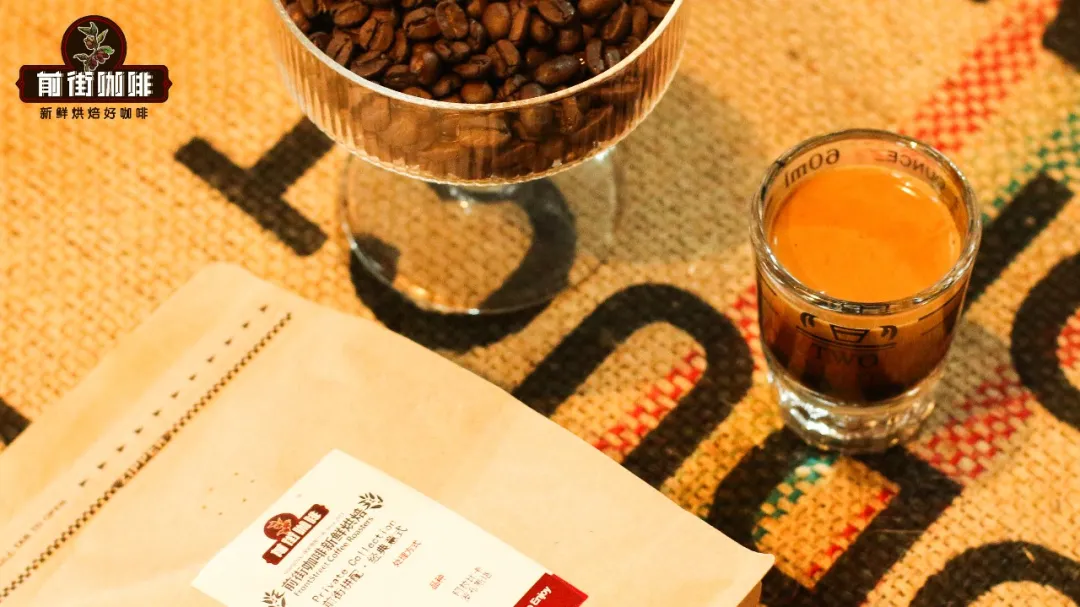
These are the tips commonly used by baristas when the crema is too rough or too thin. You can familiarize yourself with them first—they will indeed be quite helpful in actual practice later on.
- END -
The above content is compiled by CoffeeHunters, a coffee news website.


