







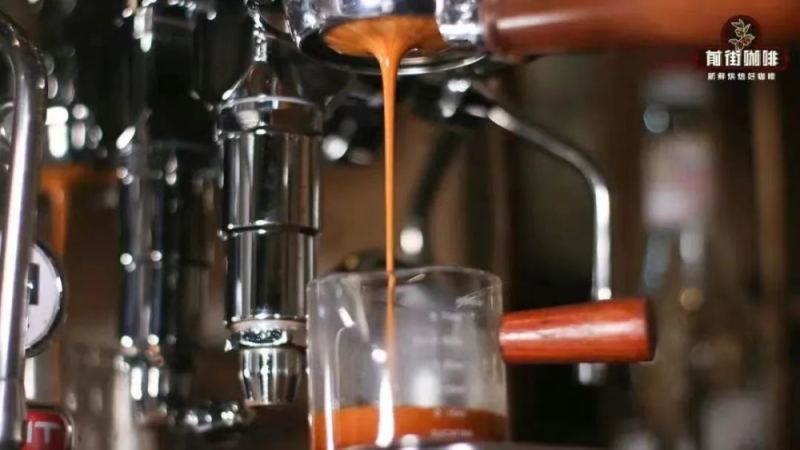
What causes thin espresso crema on a coffee machine?
Thin or missing espresso crema usually traces back to five things. The first is stale coffee beans. Espresso beans hold a flavor window of about 60 days after roast, and poor storage speeds up degassing, so carbon dioxide that builds crema is gone. Old beans, loose lids, and open bags all show up as a flat, thin pour.
The other causes are machine pressure settings, grind size and dose, extraction water temperature, and the roast level of the beans. Adjusting grind, dose, and temperature one at a time usually restores the pour. Blend coffee built for espresso and milk drinks, stored sealed and used inside its window, keeps daily brewing more consistent.
When extracting espresso with a coffee machine, watching the golden, rich crema slowly flow out is the most enjoyable moment for many coffee lovers. But if one day you find the crema has become thin or even almost disappeared, and the flavor of the output has also dropped significantly, the problem often lies in a few key areas. This article analyzes the causes of thin crema one by one from five aspects: the freshness of the coffee beans, the machine's pressure setting, the grind size and dose, the extraction water temperature, and the roast level of the beans, and provides corresponding adjustment ideas. At the same time, combined with the characteristics of home espresso machines, it recommends blend beans suitable for making espresso and milk coffee, helping you maintain consistent performance in your daily brewing.
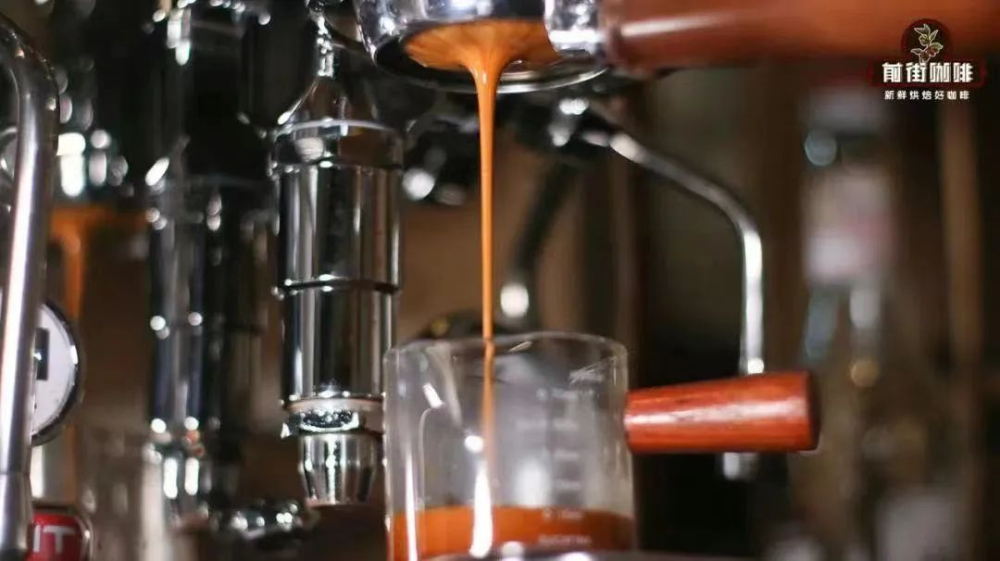
When extracting espresso, the process of crema gradually appearing on the surface of the coffee always feels soothing. Especially after finishing a cup, seeing that thick, golden foam brings even more joy to those who enjoy latte art.
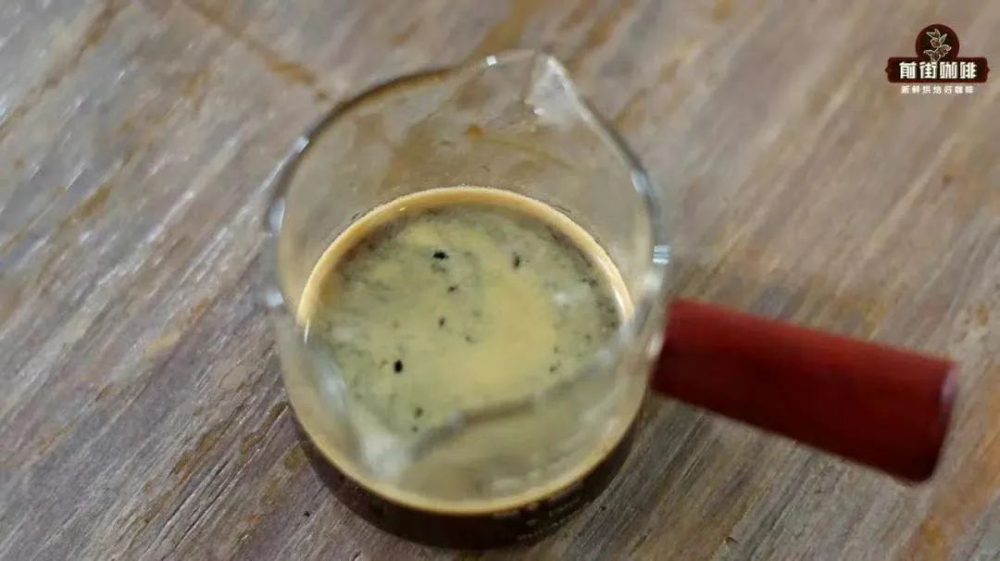
But if one day you find that the crema flowing out is sparse and thin, or even almost invisible, then the problem is most likely in the following aspects.
1. Coffee beans are not fresh enough
Once coffee beans are not fresh, the amount of carbon dioxide retained inside is no longer enough to "support" a rich crema. There are usually two reasons for this lack of freshness:
One is that it has been too long since the roast date and has already exceeded the best drinking window. Espresso beans generally have a flavor window of about 60 days. After this period, the aroma, flavor, and carbon dioxide are mostly gone, so using them for extraction naturally results in thinner crema.
The other is improper storage. Even if the beans are still within their flavor window, if they are not sealed well, such as a loose lid or an inadequate seal, allowing the coffee beans to be exposed to a large amount of air, the degassing rate will accelerate. In just one night, beans that were originally rich in aroma may become flat and tasteless.
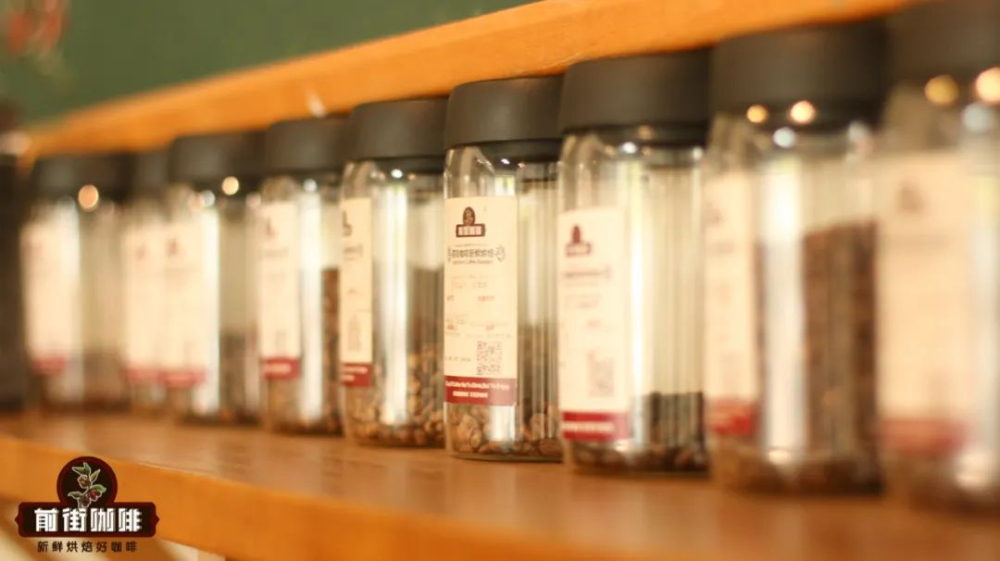
Therefore, when buying beans, it is best to first confirm the roast date, and then store them properly after receiving them. This can greatly reduce waste and the probability of failure.
2. Coffee machine pressure setting
Many home espresso machines have the pressure valve in the same position as the one used at Front Street Coffee, and it can be touched with just a lift of the hand. Although it is convenient to operate, it can also easily be bumped accidentally, causing problems in the next cup.
So when the espresso crema is thin, it is worth checking the pressure valve first to confirm whether it is at the correct value, in order to reduce error. The normal range is generally 9~10 bar.
3. Grind too coarse or dose too small
If the grind is too coarse, or the dose used is much less than the standard for the basket, these two situations are the easiest to judge. After pressing the extraction button, if the coffee liquid flows down quickly with a splashing sound, it means one of these two parameters is the problem (or possibly both), causing the gaps through which the water flows to be too large, or causing channeling.
Coffee extracted this way is light in color, thin in crema, and very weak in taste. The dose is best based on the reference gram weight marked on the basket. As for the grind being too coarse, you can use a 20-second extraction time as a reference baseline.
For a long time, the default brew ratio for espresso has been twice the weight of the dry coffee dose. According to this principle, observe whether the extraction time is within 20 seconds. If it is, it means the grind is not fine enough, the gaps through which the water flows are too large, and the extraction time is naturally short, so the grind needs to be readjusted.
4. Water temperature too low
If the water temperature during extraction does not reach above 90°C, thin crema can also occur. Of course, like grinding too coarse, it ultimately leads to under-extraction of the espresso.
Usually, insufficient water temperature occurs during the preheating stage just after the machine is turned on, when the water temperature is not accurate enough. Therefore, Front Street Coffee chooses to start extracting espresso only twenty minutes after the machine is started.
5. The beans themselves are light-roasted or naturally low in crema
Many people find that light-roasted beans are fresh and pleasantly sweet and acidic when made as pour-over, but when used for espresso they become extremely sour. This is because light-roasted beans are harder in texture and require a stronger extraction force than dark-roasted beans. If you directly apply dark-roasted bean parameters to light-roasted beans, it is easy to end up with "espresso splashing."
To achieve a reasonable extraction yield with light-roasted beans, corresponding parameters are needed. But even if the parameters are accurate, it still cannot produce crema as rich and thick as dark-roasted beans, because its carbon dioxide content is inherently lower.
What type of beans are suitable for a coffee machine?
Most home espresso machines are less stable than commercial machines and produce fewer cups, which places greater demands on our control of the parameters. Therefore, Front Street Coffee recommends choosing espresso blend beans with higher stability. Espresso blends combine the flavors of different producing regions and use medium or darker roasts, offering a higher tolerance for extraction errors.
Front Street Coffee's bean list offers a total of four espresso blends to choose from, and only ships coffee freshly roasted within 5 days, ensuring it is still in the best flavor stage when received. In addition to the mild-style Warm Sun Blend mentioned above, Front Street Coffee's espresso bean list also includes three nutty blends with relatively high cost performance. Their mellow body and rich aroma are equally suitable for making flat white coffee.
Balanced and rich-aroma type — Front Street Coffee Specialty Blend Coffee Beans
Adding Colombian coffee to the nutty character of classic Brazilian coffee, the espresso shows a dark chocolate flavor with caramel sweetness and a full roasted aroma. Blended with steamed hot milk, it presents a chocolate, cocoa, and creamy texture, like drinking a cup of unsweetened Ovaltine hot drink.
Classic mellow type — Front Street Coffee Commercial Blend Coffee Beans
The espresso has a rich golden crema and nutty aroma. Blended with milk to make flat white coffee, when tasting it there is a roasted coffee bitterness, but it is accompanied more by a creamy, full-bodied texture. After swallowing, the bitterness also fades, leaving a lingering fragrance on the lips and teeth.
Slightly acidic and mellow type — Espresso moka pot coffee beans recommended by many baristas — Front Street Coffee Black Cocoa Blend Coffee Beans
Yunnan small-bean coffee brings a mild acidity, paired with the mellow aroma of Brazilian Cerrado coffee. The espresso has flavors of caramel, nuts, and a mild plum acidity, and when paired with milk it presents a relatively balanced and smooth texture.
The above content is compiled by CoffeeHunters, a coffee news website.


