







Search Results for: the difference between single-origin beans and SOE
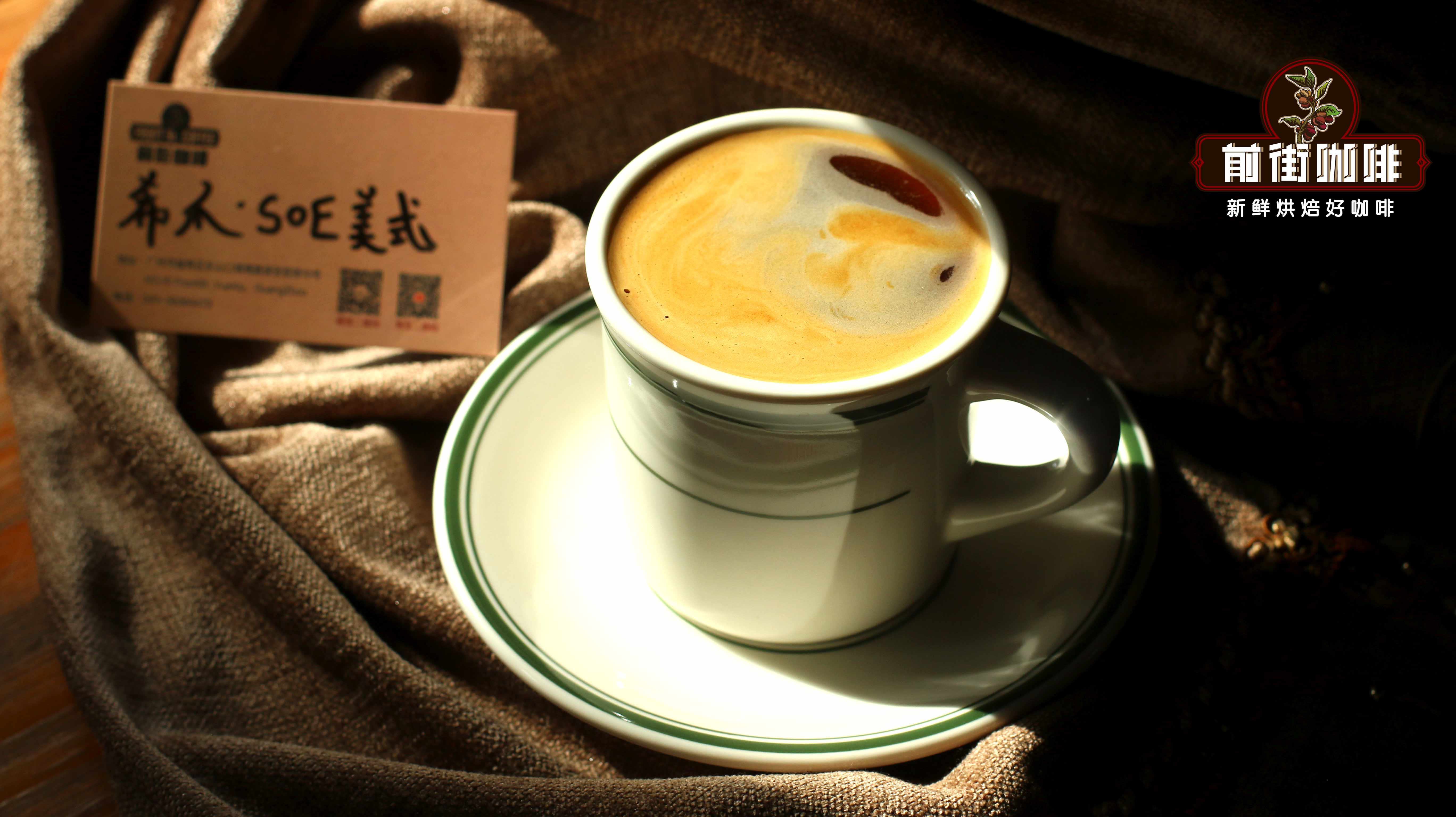
SOE Single-Origin Espresso Explained: Definition, Differences from Single-Origin Beans, and Extraction Parameter Guide
SOE is the abbreviation of "Single Origin Espresso," referring to espresso made from coffee beans of a single origin. It vividly showcases the regional flavors of a specific producing area, yet it differs significantly from pour-over single-origin beans in terms of roast level and extraction method. This article will start from the definition, historical background, advantages, and disadvantages of SOE, sort out the differences between SOE coffee beans and ordinary single-origin beans in roasting and extraction, and take Front Street Ethiopia Red Cherry coffee beans as an example to provide specific SOE and pour-over parameters and flavor comparisons, helping coffee enthusiasts understand this increasingly common form of Italian coffee more systematically. [more…]
What is the full name of SOE coffee? An analysis of the extraction time and flavor characteristics of single-origin espresso
For those new to espresso, the term SOE sounds both unfamiliar and somewhat upscale. What exactly does it mean? In fact, SOE is the abbreviation for "Single Origin Espresso," referring to espresso made from coffee beans of a single origin. This type of coffee can showcase distinct regional flavors, but it also comes with practical issues such as higher prices and unstable batches. Starting from the definition, historical background, and pros and cons of SOE, this article will further compare the differences between SOE beans and regular single-origin beans in terms of roast level and extraction method. Using Ethiopian Red Cherry coffee beans as an example, it will demonstrate the specific parameters and flavor profiles of both SOE and pour-over, helping coffee enthusiasts gain a more comprehensive understanding of this coffee type. [more…]
Can SOE single-origin beans be used for pour-over? A full analysis of the differences between single-origin and blends and pour-over parameters
When ordering at a café, espresso and pour-over often correspond to two paths: blended beans and single-origin beans. In recent years, many high-quality single-origin beans have been made into SOE versions for espresso extraction. So can these SOE beans be used for pour-over? And what exactly is the difference between them and pour-over single-origin beans? This article will start from the concept and characteristics of SOE, compare the differences between blended beans and single-origin beans, explain the divergence in roasting curves between SOE and pour-over single-origin beans, and provide suggestions on water temperature and grind size when using SOE beans for pour-over, helping coffee enthusiasts find a suitable brewing plan under different roast levels. [more…]
SOE Specialty Coffee Beans Recommendation | What's the Difference Between SOE Coffee Beans and Espresso Blend Coffee Beans? Can Ethiopian Natural Red Cherry SOE Single-Origin Beans Be Used for Pour-Over Coffee?
For more specialty coffee knowledge, please follow the WeChat official account: Front Street Coffee (FrontStreet Coffee). In recent years, as the wave of specialty coffee has swept in, SOE coffee has also begun to gather momentum, so recently quite a few coffee enthusiasts visiting Front Street have asked why Front Street's shop doesn't offer SOE coffee. [more…]
How Does SOE Single-Origin Espresso Differ from Espresso Blends? From Flavor Characteristics to Front Street Coffee Bean Recommendations
SOE stands for Single Origin Espresso. It differs noticeably from traditional Italian blends in terms of flavor logic, roasting orientation, and extraction difficulty. From the perspective of Front Street, this article sorts out the definition, advantages, and production challenges of SOE, compares it with blended coffee beans, and offers specific SOE bean recommendations for three flavor directions—fresh and sweet, nutty and balanced, and rich with no acidity—such as Front Street Sun-Dried Red Cherry, Brazil Queen Estate Yellow Bourbon, and PWN Golden Mandheling. It also answers the question of whether high-quality SOE coffee beans can be used for pour-over, helping coffee enthusiasts gain a more comprehensive understanding of the relationship between single origin espresso and pour-over. [more…]
How is SOE different from espresso blends and pour-over single-origin coffees? A comprehensive analysis from flavor stability to extraction parameters
In recent years, the specialty coffee trend has driven the popularity of SOE, and many coffee enthusiasts are curious about how it differs from pour-over single-origin and traditional espresso blends. From the perspective of Front Street Coffee, this article first clarifies the definitions and roasting differences between single-origin coffee and SOE, then explains why SOE flavors tend to fluctuate and why Front Street has long favored blends and single-origin coffees, and finally provides specific brewing parameters and flavor descriptions for the sun-dried Huakui SOE and Front Street's classic blend, helping you judge whether SOE americano is actually good and how to make it at home without messing it up. [more…]
Is SOE Coffee Better Suited for Pour-Over or Espresso? A Core Analysis of the Differences Between Single-Origin Coffee and SOE Espresso Beans
When ordering at a café, we often face a choice between espresso and pour-over. At Front Street Coffee locations, the pour-over selection lets you choose single-origin beans from different regions, while for espresso you need to decide among options like americano and latte, and some locations even allow you to switch to SOE. Nowadays, more and more well-known single-origin beans are releasing SOE versions, such as Front Street Coffee Granja Geisha, Front Street Coffee Yirgacheffe, and Front Street Coffee Huakui. So, can these SOE beans, which are typically used for espresso, also be used for pour-over? Just how big is the difference between SOE and pour-over single-origin beans? This article will analyze the definition of SOE, roasting differences, extraction parameters, and other aspects to help you more clearly understand the suitable scenarios and brewing key points for these two types of coffee beans. [more…]
SOE Single-Origin Espresso | Which pour-over single-origin beans are suitable for making SOE coffee? What are the differences between single-origin pour-over and single-origin espresso?
SOE is one of the most popular products in today's specialty coffee shops and coffee chains. It is an espresso extracted from single-origin (single-origin) coffee beans. Its characteristic is that even at a very high concentration, the coffee liquid can still express the unique flavor profile of the coffee's origin. [more…]
What Exactly Is the Difference Between Single-Origin Coffee and SOE? From Definition and Price to Acidity, Explained in One Go
When ordering an Americano or milk coffee at a café, you often face a choice: the default espresso blend, or the pricier SOE? Many people quietly wonder—why does SOE cost more, and how does it relate to single-origin coffee? This article will sort out the concept and origins of SOE from the ground up, explain its essential differences from blended coffee, clarify why its price tends to be higher, and explore practical questions such as whether SOE is sour and whether its output is stable. It will also draw on Front Street Coffee's bean list and brewing experience to explain why Front Street does not easily launch SOE, helping you more clearly understand the value and limitations of this type of single-origin espresso. [more…]
A Complete Guide to SOE Single-Origin Coffee Beans: Flavor Differences Between Single-Origin Espresso and Blends, Plus Four Recommendations
In recent years, more and more coffee shops have added a "switch to SOE" option to their menus, and some even offer several SOE beans at once for customers to choose from. What exactly does this frequently appearing abbreviation stand for? And what are the fundamental differences between it and the common espresso blend beans? This article will explain the definition of SOE, its differences from blends, roasting orientations, and the single-origin coffee beans suitable for making SOE, and recommend four Front Street Coffee SOE beans to help you understand this important concept in the world of espresso. [more…]
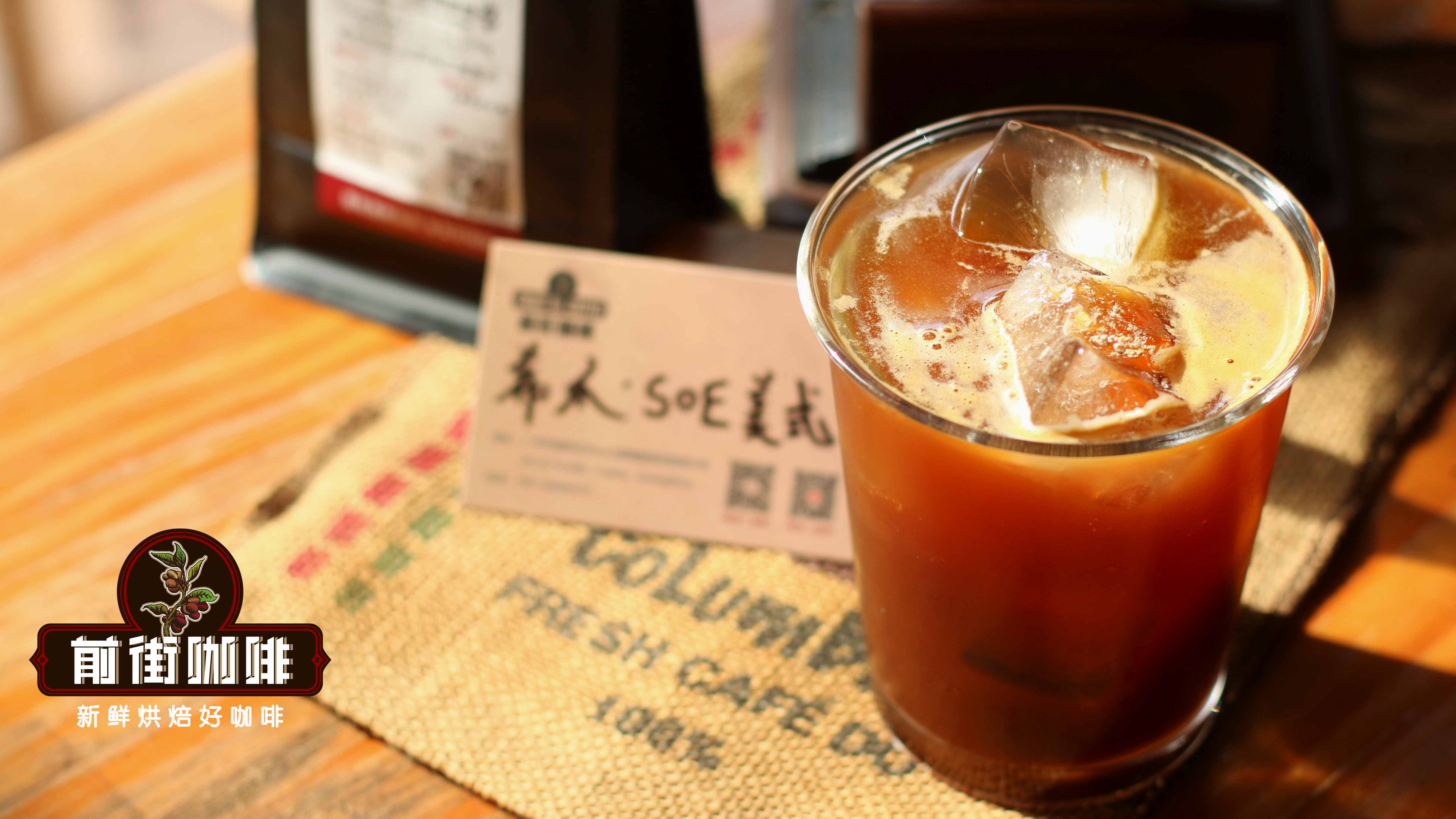
Single-Origin Espresso Bean Recommendations | Is SOE Coffee Related to Pour-Over? What's the Difference in Flavor Characteristics Between SOE Coffee Beans and Espresso Blend Coffee Beans?
For more specialty coffee knowledge, please follow: Front Street Coffee (Frontsteet Coffee). SOE stands for Single Origin Espresso, where origin refers to a single producing region, while Blend refers to blended coffee beans. Front Street Coffee (FrontStreet Coffee) [more…]
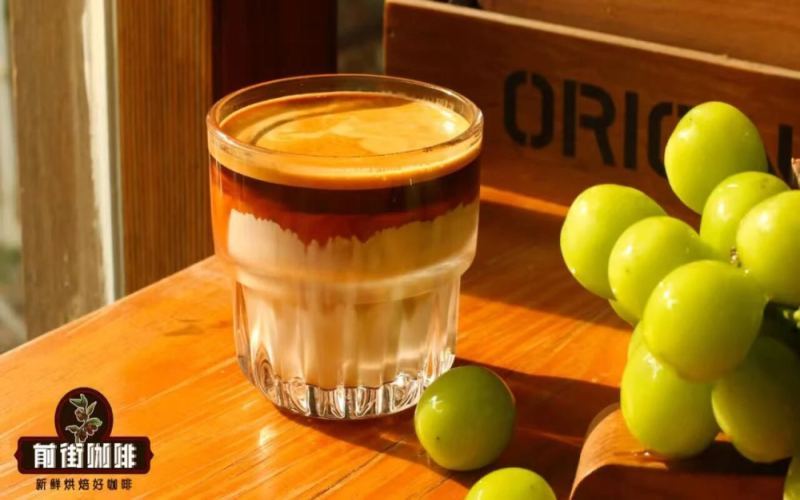
What Is SOE Coffee? Clearing Up Misconceptions, Key Buying Tips, and Front Street Coffee Bean Recommendations
SOE coffee beans have been a hot topic in the specialty coffee scene in recent years, but do you really understand them? This article will systematically explain the definition of SOE—espresso made with single-origin single-varietal beans—review its development trajectory since its birth in 2007 and its gradual spread across North America, and break down one by one cognitive misconceptions such as "SOE is definitely tastier than blends" and "SOE is necessarily more high-end." The article also compares the differences between single-origin pour-over and SOE in terms of roasting positioning and extraction methods, reminding everyone that single-origin beans, as agricultural products, naturally have flavor fluctuations. Finally, it includes three groups of SOE bean lists carefully selected by Front Street, each with a different style, covering different taste needs such as floral, high-sweetness, and low-acidity, helping you choose the beans you like. [more…]
Yirgacheffe SOE | What is SOE coffee? Does SOE refer to single-origin beans? What are the differences in taste characteristics between SOE beans and blended coffee beans?
In recent years, SOE coffee has become especially popular. Basically, newly opened small community coffee shops will be equipped with more than two espresso grinders: one filled with traditional-flavor coffee beans (usually a blend), and the other loaded with SOE coffee beans. SOE is generally seen as an advanced version of traditional (blended) coffee beans, and requires an additional [more…]
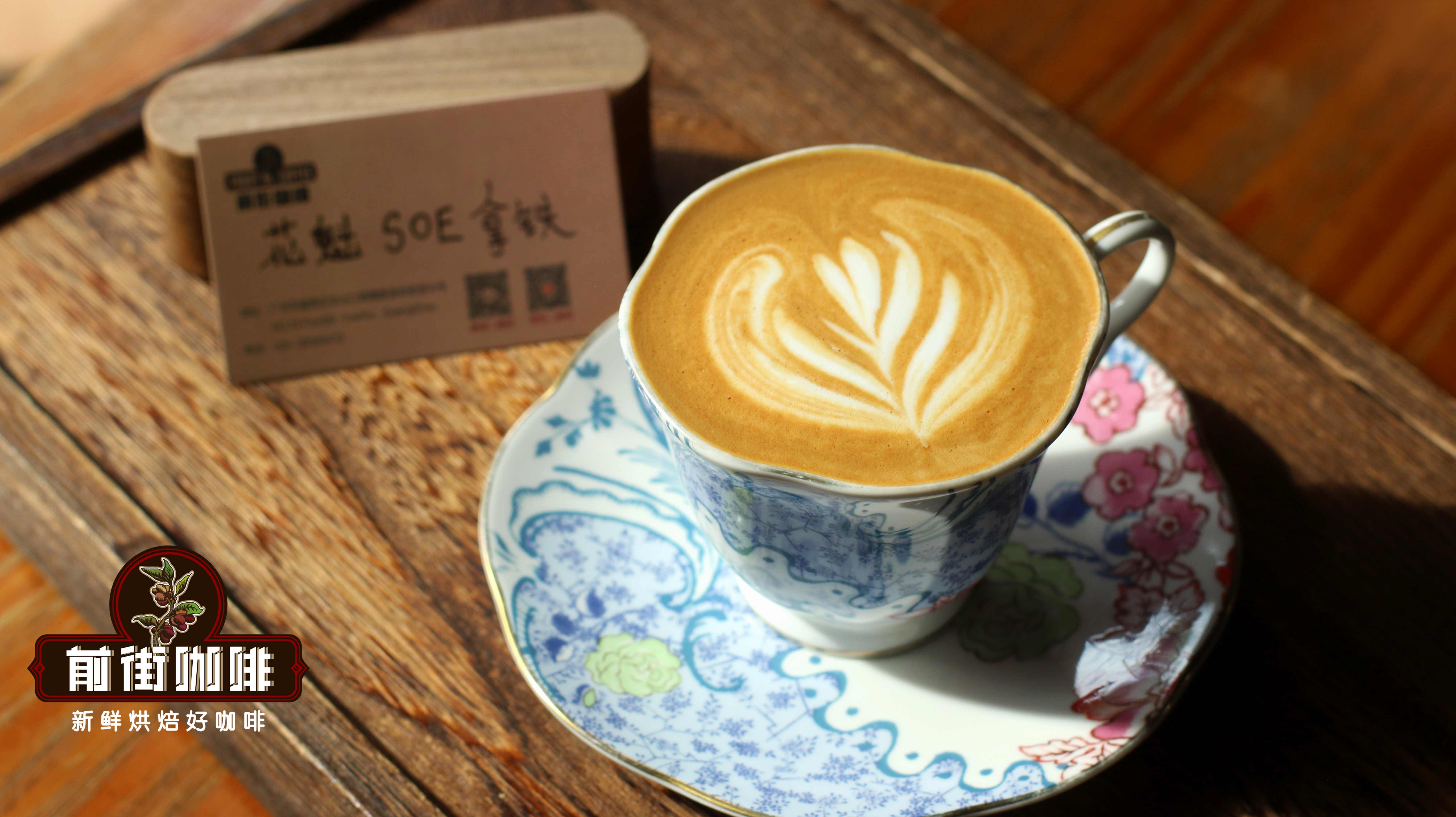
An Analysis of the Similarities and Differences Between SOE and Single-Origin Coffee: The Specialty Trend from Single Origin to Espresso
In recent years, SOE (Single Origin Espresso) has attracted increasing attention in the specialty coffee scene. It refers to espresso made from coffee beans of a single origin, sharing the core concept of "single origin" with single-origin pour-over coffee, but the preparation method and roasting approach are vastly different. Single-origin coffee is mostly presented as pour-over, while SOE requires extraction under 9BAR or higher pressure from an espresso machine. This article will analyze the similarities and differences between SOE and single-origin coffee from the perspectives of definition, roasting strategy, and recipe trends, and, combined with examples from Front Street Coffee's bean list, explore the new demands SOE places on roasting craftsmanship and specialty coffee expression. [more…]
SOE Coffee Brewing Guide: Key Points for Single-Origin Bean Selection and Analysis of Flavor Differences Between Americano and Latte
Want to make a standout SOE with single-origin coffee beans? Starting from the definition of SOE, this article systematically breaks down the three key dimensions of choosing SOE coffee beans—origin, roast level, and processing method—and, drawing on hands-on experience with several Front Street single-origin beans, offers bean-selection advice for different flavor preferences. It also explains in detail how to dial in SOE espresso extraction, along with fine-tuning tips for Ethiopian light roasts, fruity fermented beans, and medium-dark roasts when making Americanos and lattes, helping you easily master this highly distinctive single-origin espresso. [more…]
Why Is SOE Espresso More Expensive Than Blends? A Full Breakdown of the Differences Between Single-Origin Espresso and Blend Beans
When ordering at a café, have you ever noticed that Americanos or milk coffees often come with two choices: the default espresso blend, and an SOE that requires an extra charge? SOE stands for Single Origin Espresso, meaning espresso made from coffee beans from a single origin. From James Hoffmann's championship-winning creation at the 2007 World Barista Championship to today's chain brands promoting it one after another, SOE has moved from niche to mainstream. The core reason it costs more than a blend is that the single-origin beans used are of higher quality and have more distinctive flavors, so the cost naturally rises. But SOE is also a major challenge for baristas—light-roasted beans are hard in texture, and pressurized extraction easily magnifies flaws, so delivering consistent quality is by no means easy. This article will walk you through the ins and outs of SOE, and why Front Street Coffee insists on not offering SOE coffee. [more…]
SOE Single-Origin Espresso | Are SOE Beans Just Single-Origin Beans? How to Adjust the Coffee-to-Water Ratio, Time, and Grind Size When Extracting Espresso from SOE Coffee Beans?
Many friends who have drunk coffee may not necessarily understand or even have heard of SOE coffee, but seasoned coffee connoisseurs certainly know about SOE coffee. Doesn't it seem that when SOE coffee is mentioned, friends who are new to coffee or even new to espresso coffee don't quite understand it, yet SOE sounds like it's pretty high-end? [more…]
What is the connection between SOE and pour-over? A comprehensive interpretation of the flavor differences in espresso blend beans
SOE is the abbreviation of Single Origin Espresso, that is, single-origin espresso, which stands in contrast to traditional espresso blends. As the specialty coffee wave advances, more and more cafés are putting SOE on their menus. It emphasizes highlighting the distinctive flavors of a particular origin, making it easier for consumers to connect with the place of origin. However, SOE is not absolutely superior to blends; each has its own suitable scenarios: SOE excels in clarity of flavor, yet places extremely high demands on roasting and extraction techniques; blends achieve balance and stability by complementing one another's strengths. In this article, Front Street breaks down in detail the definition, advantages, and difficulties of SOE, and compares it with espresso blend coffee beans. It also recommends several coffee beans suitable for making SOE, including Natural Red Cherry, Brazil Queen's Farm Yellow Bourbon, and Golden Mandheling, and finally answers whether SOE coffee beans can be used for pour-over. [more…]
SOE Espresso Flavor Characteristics | What Is the Difference Between Italian Blend Beans and SOE Single-Origin Coffee? Is SOE Coffee Better Tasting Than Traditional Italian Coffee?
For more specialty coffee knowledge, please follow our WeChat public account: Front Street Coffee (FrontStreet Coffee). With the advancement of coffee specialization, SOE has gradually become popular. So what is SOE? Is SOE coffee tastier than blended coffee? Now Front Street Coffee (Fron [more…]
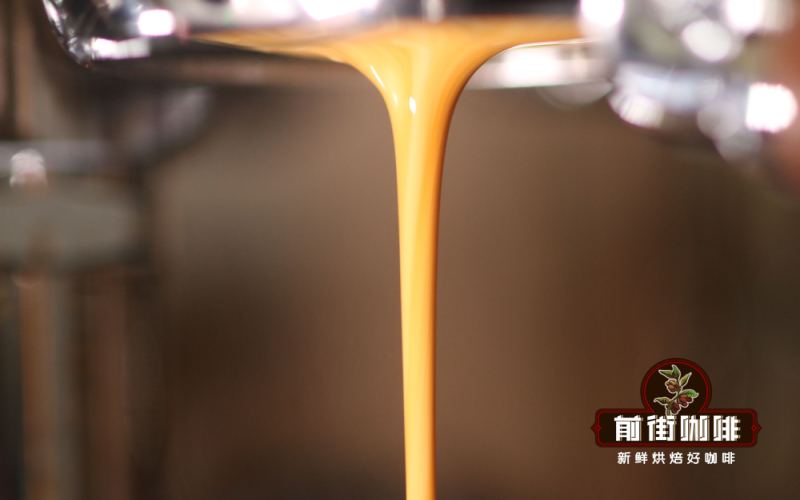
A Comprehensive Guide to SOE Coffee: Single-Origin vs. Blend Differences, Price Comparison, and Key Brewing Points
When ordering at a café, the barista often asks, "Would you like SOE or a blend?" leaving many people puzzled. SOE stands for Single Origin Espresso, which refers to espresso extracted from coffee beans of a single origin. How exactly does it differ from traditional blended espresso? Is it more expensive? Is it necessarily better tasting? This article, from the perspective of Front Street Coffee, sorts out the origins of SOE and the background of its rise to popularity, compares the differences between single-origin and blended coffee in terms of flavor stability and cost, explains why not all single-origin beans are suitable for making SOE, and recommends three Front Street Coffee beans suitable for making SOE, helping you understand and choose more clearly. [more…]