







Can SOE Beans Work in Pour-Over Brewing?
SOE beans can be used for pour-over, though they were roasted with espresso in mind. SOE simply means espresso pulled from one single-origin coffee rather than a blend. Because the roast profile is usually built for pressure extraction, the same beans behave differently in a pour-over: expect a narrower sweetness range and a thinner body unless water temperature and grind size are adjusted.
The gap comes down to roasting. Blends mix batches from two or more origins, which hides regional character, while single-origin lots keep one farm, town or estate separate so the terroir shows through. Compared with pour-over single-origin beans, SOE versions are often developed further, so start with a slightly cooler water temperature and a coarser grind.
When ordering at a café, espresso and pour-over often correspond to the two paths of blended beans and single-origin beans. In recent years, many high-quality single-origin beans have been made into SOE versions for espresso extraction. So can these SOE beans be used for pour-over? What exactly is the difference between them and pour-over single-origin beans? This article will start from the concept and characteristics of SOE, compare the differences between blended beans and single-origin beans, explain the divergence in roasting curves between SOE and pour-over single-origin beans, and provide water temperature and grind size recommendations for making pour-over with SOE beans, helping coffee lovers find suitable brewing solutions at different roast levels.
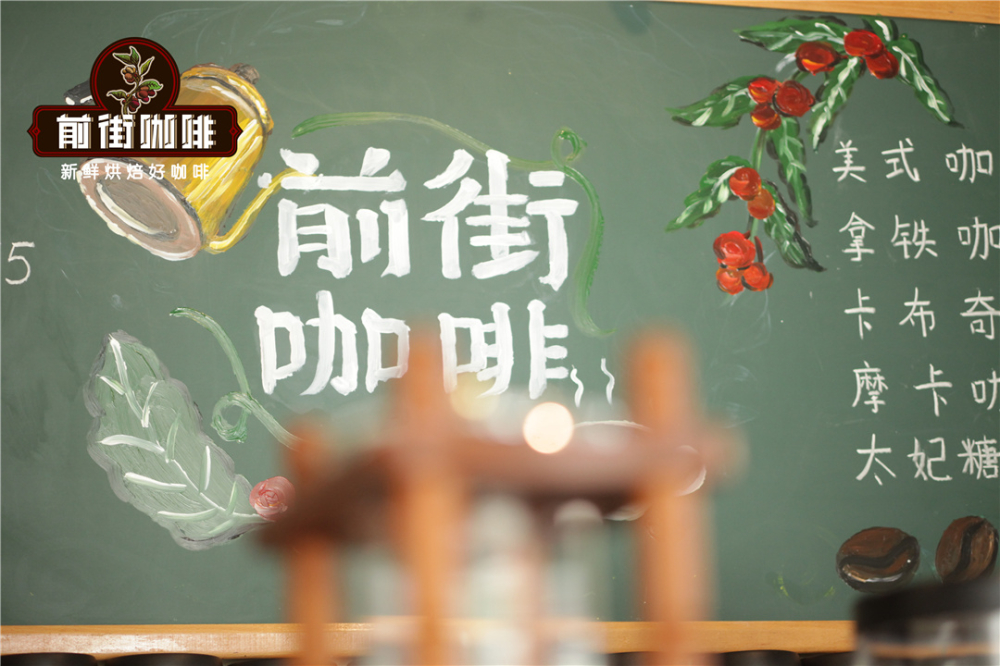
Stepping into a café, the options placed before you often fall into two categories: espresso and pour-over. Taking Front Street Coffee as an example, ordering pour-over lets you choose from single-origin beans from different regions; ordering espresso means deciding among Americano, latte, cappuccino, and other categories, and some stores also support "switching to SOE."
Today, more and more well-known single-origin beans have released SOE versions, such as Front Street Coffee Granja Geisha Coffee, Front Street Coffee Yirgacheffe Coffee, Front Street Coffee Huakui Coffee, and so on. So some friends wonder: can these SOE coffee beans originally used to make espresso also be used for pour-over?
What is the most prominent characteristic of SOE?
From the traditional approach, cafés usually prioritize darker-roasted, rich-in-crema espresso blend beans in order to achieve stable output and balanced flavor. Because they mix batches from two or even more different origins, the regional flavor is very difficult to identify.
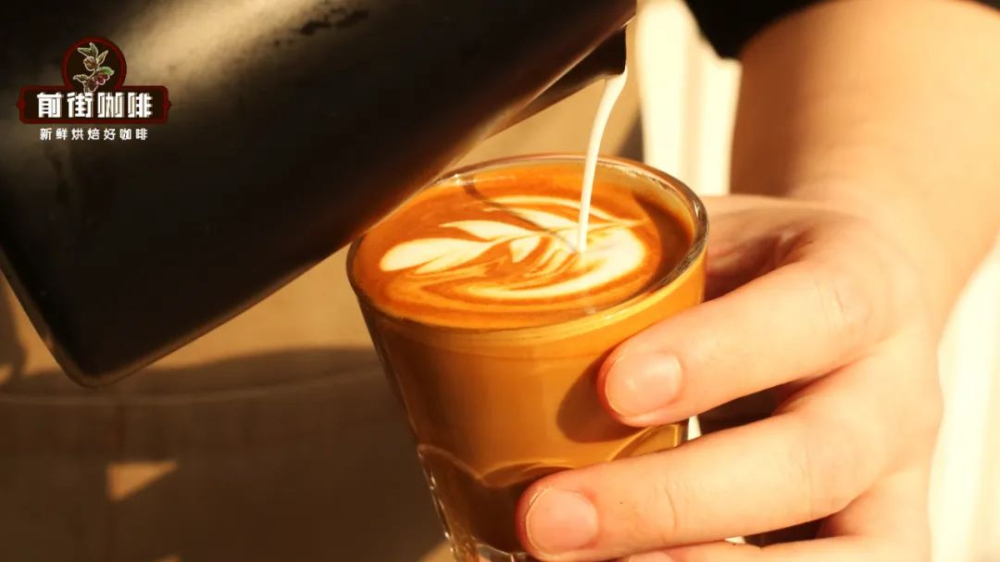
If we temporarily set aside the discussion of flavor, then purely in conceptual terms, SOE is nothing more than espresso made from a certain single-origin coffee bean. "Single-origin beans" refer to coffee that has already been separated at the origin stage, ensuring that high-quality batches are stored separately. The so-called "single" can be a province, a city, a town or village, a processing plant, or an estate... Ultimately, it emphasizes the uniqueness that regional terroir gives to coffee.
For example, the Front Street Coffee Sunflower Warm Sun Espresso Blend commonly used in Front Street Coffee stores is made by combining two single-origin beans roasted in-house, Front Street Coffee Honduras Sherry and Front Street Coffee Yirgacheffe Sun-Dried Red Cherry, in a 7:3 ratio. Before each use, the barista mixes the two types of roasted beans in a fixed ratio into a "blend" and then pours it into the bean hopper. But if you take only the Front Street Coffee Sun-Dried Red Cherry from it and extract it with an espresso machine, the resulting espresso liquid is the familiar Yirgacheffe SOE.
In other words, SOE products sold on the market come from a single origin and are also suitable for extraction with an espresso machine. Generally speaking, because the coffee beans selected are of higher quality (grade), the price is also relatively more expensive.
Is there a big difference between SOE coffee beans and pour-over single-origin beans?
Our past impression of espresso was that it is balanced, has a thick mouthfeel, and a roasty crema aroma, and black coffee is mostly on the bitter side. This is not caused by the extraction method, but by the choice of raw materials. Espresso cannot be sold at too high a price and is used in large quantities, so among the requirements for beans, cost comes first, stability second, and flavor only third. To balance the compatibility of beans from different origins, roasters roast them darker, and the resulting coffee is basically locked among caramel, nuts, and chocolate.
Different from the past pursuit of stability, after the concept of specialty coffee was introduced, people began to value unique regional flavors and praise coffee with a clean mouthfeel, prominent fruity notes, and a light and elegant profile. The quality of many imported coffees has therefore improved, and espresso blends are also adjusted for different extraction purposes.
For example, to highlight coffee crema, Front Street Coffee Classic Roast and Front Street Coffee Commercial Blend add a small amount of Robusta and use a medium-dark to dark roast; similarly, Front Street Coffee Black Cocoa Base Blend and Front Street Coffee Specialty Blend have obvious creamy nut aromas, so they use a medium-dark to medium roast, and when used to make a latte you can taste a chocolate-milk-like texture.
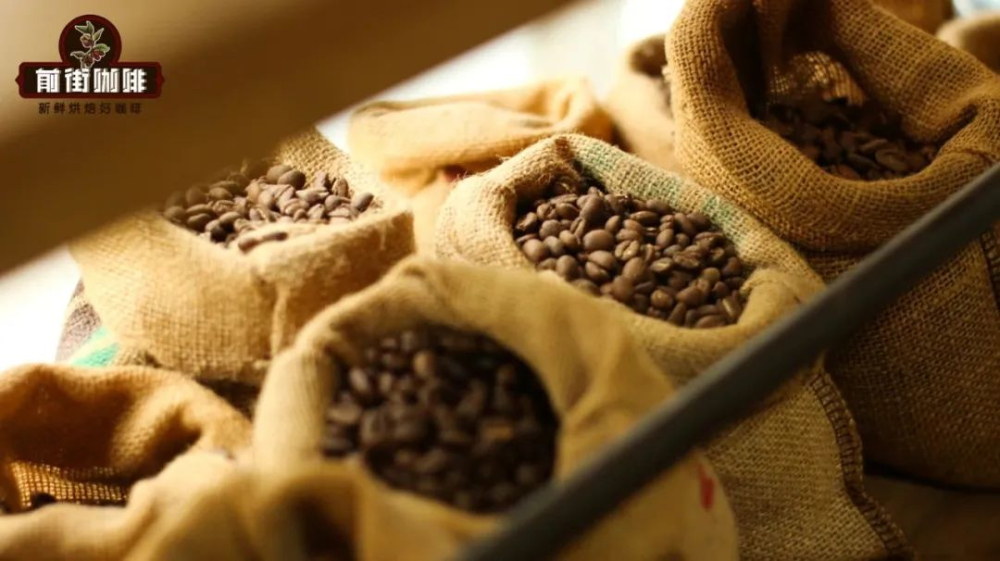
Various "acidic coffees" also gradually became popular throughout the community. For example, the white-floral fragrance of Front Street Coffee Yirgacheffe, the sweet berry-like sweetness of Front Street Coffee Costa Rica Blackberry, the rich berry tones of Front Street Coffee Little Tomato, the orange-blossom honey charm of Front Street Coffee Granja Geisha, the fermented winey flavor of Front Street Coffee Sidra, and so on.
As a concept that became popular under the specialty coffee trend, SOE carries an important task: while emphasizing the origin source, it highlights the coffee bean's own good flavors. Unlike blends, SOE more easily magnifies the characteristics of the beans. Especially for lightly roasted coffee, the espresso has not only intense flavor but also a stimulating acidity, so it often leaves a deep impression.
A darker roast level promotes more caramelization of substances. If coffee is to retain more floral and fruity aromas and make its flavor attributes more recognizable, first of all the roast level cannot be too dark; otherwise the bitterness will be too heavy and will mask the flavor of the origin itself. But roasting too light will also give the coffee an underdeveloped taste, or under the high temperature and pressure of the coffee machine amplify the bean's acidity, making the espresso sharply sour and unbearable, while also causing underextraction because the bean texture is too hard.
Therefore, for the same coffee bean, many merchants release two different roasting curves for pour-over and SOE. Usually, floral-fruity-acidic pour-over single-origin coffees are presented with a light to medium roast, while SOE beans are roasted slightly darker than pour-over, but not so much as to completely change the main flavor tone, so that the espresso has both fruity acidity and the sweetness and aroma brought by caramelization, so most are controlled at a medium roast.
Take the Front Street Coffee Huakui Coffee Beans sold by Front Street Coffee as an example. The roast level column is divided into two types: "Pour-Over Light-Medium Roast" and "SOE Espresso Roast." The former is suitable for pour-over, cold brew, French press, drip bags, and other atmospheric-pressure extraction methods, while the latter is preferred for pressure-based extraction methods such as espresso machines and moka pots.
What should be noted when making pour-over with SOE coffee beans?
Although the roasting curve of SOE coffee beans is more suitable for making espresso, as long as it is extracted properly, it can also make delicious pour-over coffee. As mentioned above, products labeled SOE mostly use a light to medium, medium, or slightly medium-dark roast level, and the bean expansion rate and flavor profile fall between light roast and dark roast. Therefore, when choosing brewing parameters, you can first judge the roast level based on the flavor on the packaging.
If the flavor description is entirely floral, fruity, tea-like, and various acidic qualities, then it is most likely a light to medium roast. The short heating time makes this type of bean harder and less likely to release soluble substances, so you can use high-temperature hot water at 92–93°C and a grind size like fine granulated sugar (80% passing rate with a No. 20 sieve) for brewing;
If the SOE bean packaging you bought generally contains words such as dark chocolate, cocoa, spices, hazelnut, caramel, full-bodied, and creamy, it means the coffee uses a medium-dark roast level. The longer heating time makes the bean structure loose, and after absorbing water it easily releases bitter substances. At this time, it is recommended to use a water temperature below 88°C and a grind size like white granulated sugar/coarse granulated sugar (70% passing rate with a No. 20 sieve) for extraction;
From left to right: light-medium, medium, medium-dark
The rest are SOE coffee beans that have both floral and fruity aromas and tea-like qualities, as well as nuts, cookies, milk chocolate, or carry flavors such as fermented wine, candy, and honey, and can be judged as medium roast. When making pour-over, you might as well present it with a combination of 89–90°C water temperature + medium grind (75% passing rate with a No. 20 sieve).
The above content is compiled by CoffeeHunters, a coffee news website.


