







What Is SOE Coffee and How Does It Differ From a Blend?
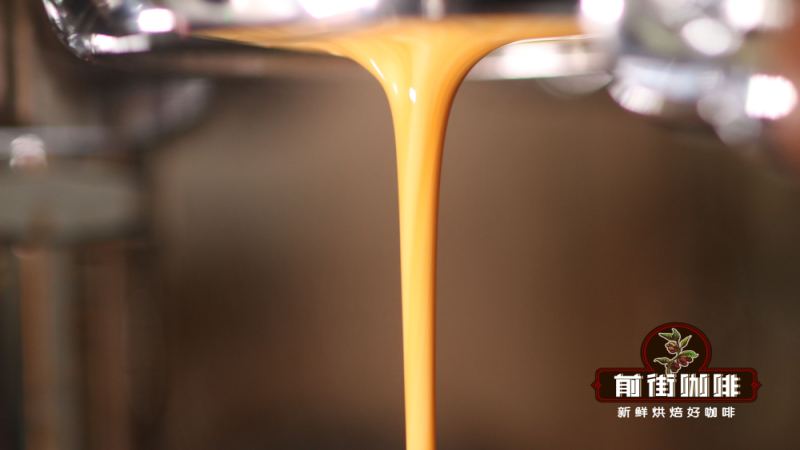
SOE stands for Single Origin Espresso, meaning espresso pulled from beans grown in one single region rather than a blend of several origins. Cafés now offer it as a menu choice alongside their house blend, so the barista's question of SOE or blend comes down to whether the shot highlights one origin's distinctive flavor or a consistent, repeatable profile built from multiple coffees.
The term gained wide attention at the 2007 World Barista Championship, where champion James Hoffmann used single-origin espresso. Blended coffee beans from several origins remain the traditional base because they hold a steady taste and usually cost less, while SOE tends to cost more and depends on beans whose character survives extraction as espresso.
When ordering at a café, the barista often asks, "Would you like SOE or a blend?" which leaves many people puzzled. SOE stands for Single Origin Espresso, referring to espresso extracted from coffee beans of a single origin. How exactly does it differ from traditional espresso blends? Is it more expensive? Is it necessarily better tasting? From the perspective of Front Street Coffee, this article explores the origins and rise in popularity of SOE, compares the differences between single-origin and blended coffee in terms of flavor stability and cost, explains why not all single-origin beans are suitable for making SOE, and recommends three Front Street Coffee beans ideal for SOE, helping you understand and choose more clearly.
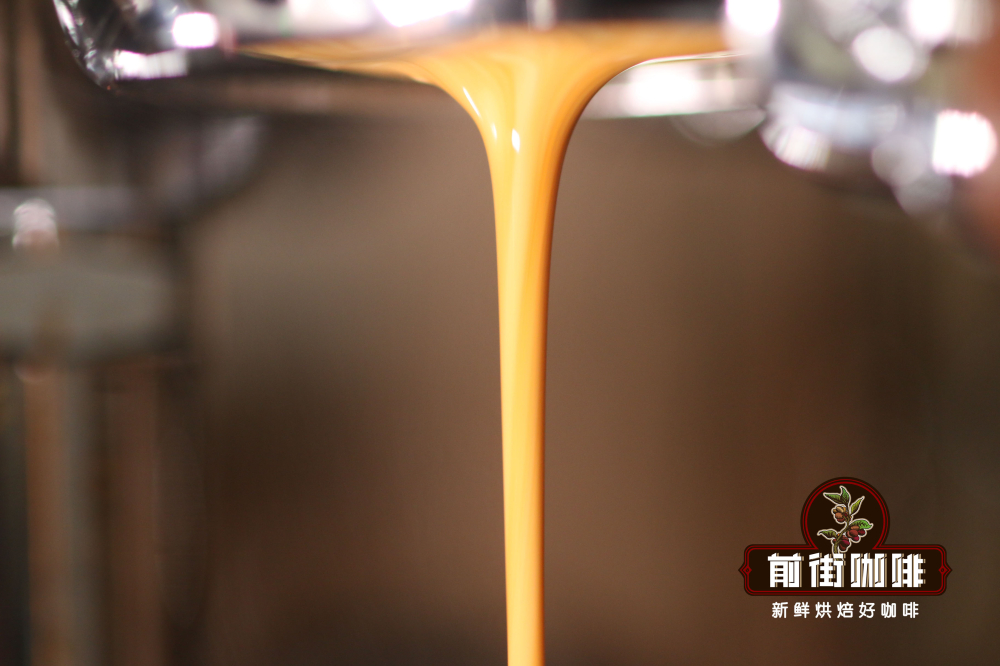
Stepping into a café and facing a dense menu, many people suffer from choice overload. Even if you just want to order a familiar Americano or latte, the barista often presses, "SOE or a blend?" Hearing "SOE" for the first time can be bewildering. In this article, Front Street Coffee will guide you through what SOE coffee actually is.
What is SOE coffee?
SOE is short for Single Origin Espresso, which translates to single-origin espresso—espresso extracted from single-origin (single-region) coffee beans. Before SOE became popular, nearly all espresso in China used blended coffee beans from multiple origins. The advantage of blending lies in ensuring a consistent taste in every cup of espresso, while also costing less than using all single-origin beans.
Why did SOE coffee suddenly become popular?
Actually, SOE is not a new concept; it appeared abroad as early as a decade ago and has since developed quite maturely. The formal debut of the SOE concept can be traced back to the 2007 World Barista Championship (WBC). That year's champion, James Hoffmann, won with SOE espresso, defeating other competitors who used blended beans. This brought SOE into the spotlight across the coffee community and opened a new chapter for espresso. Since 2007, more and more baristas have chosen single-origin beans with distinctive flavors as the brewing base for espresso.
In China, the SOE trend only emerged in recent years, because specialty coffee culture was not widely accepted until recently. As more consumers hope that coffee, no matter how it's made, can display unique and recognizable flavors, the number of people seeking single-origin coffee has increased, and espresso is no exception. Consequently, more businesses are offering SOE options.
What's the difference between espresso made from single-origin and blended coffee?
Fashion is cyclical. Initially, people blended coffee beans from different origins because using beans from just one region, under the dual effects of very fine grinding and pressurized extraction by the coffee machine, would magnify both the good and bad flavors in the coffee. So they thought of leveraging the distinct flavor characteristics of beans from different origins to complement each other and make the extracted coffee more balanced.
Coffee beans are ultimately agricultural products, and their flavors vary with annual climate and soil changes. Front Street Coffee believes that the greatest advantage of blended beans is that even if the flavor of beans from a new harvest season changes, the taste of espresso can remain consistent by adjusting the proportions. Because of this stability, both the cost of the coffee beans themselves and the losses from dialing in and production can be kept down.
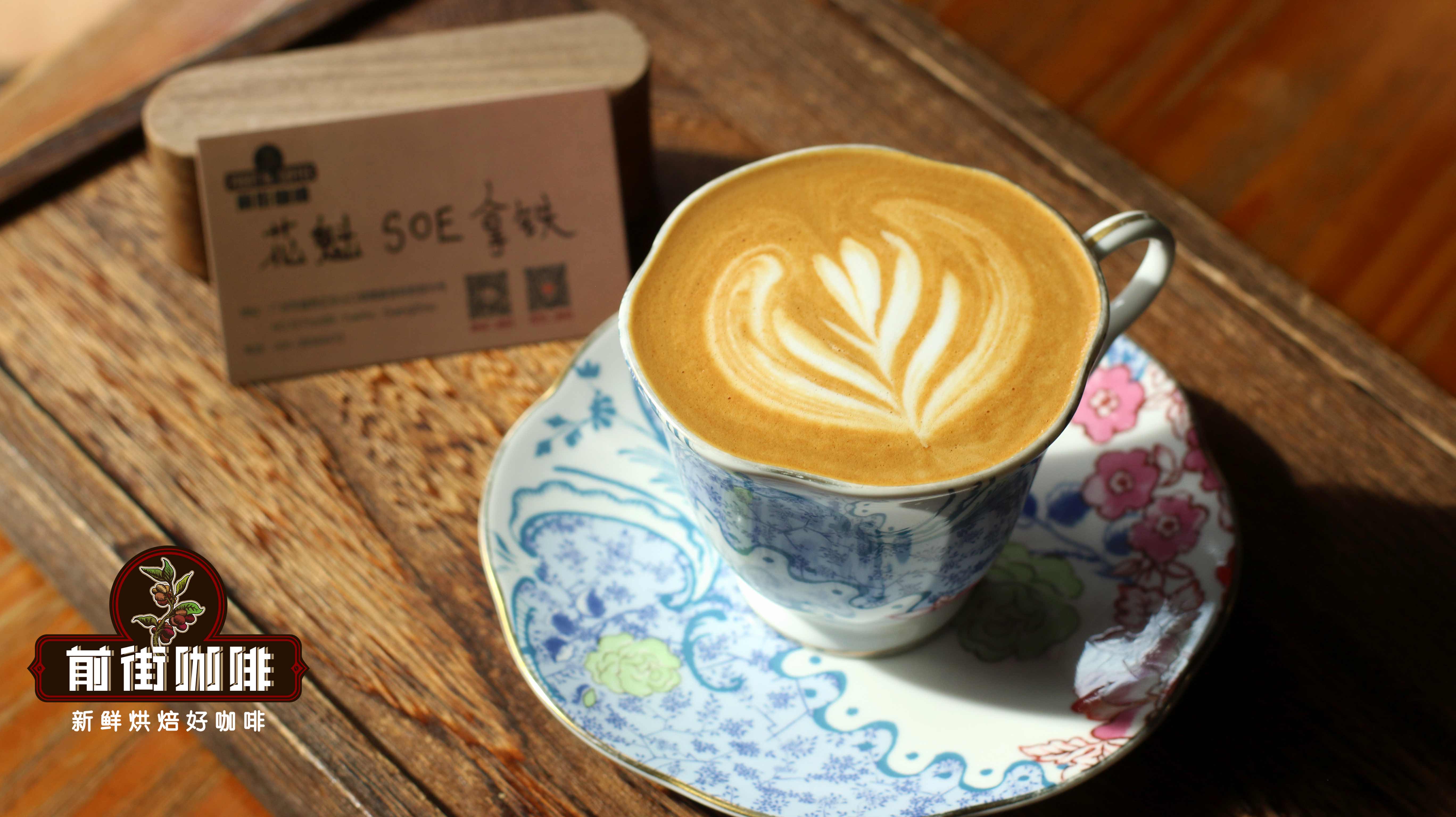
Nowadays, people are willing to use single-origin beans for espresso again because coffee bean quality has been improving in recent years, and the range of options has widened. Additionally, as the coffee market expands, the price of coffee beans is no longer as high as it used to be.
Is single-origin espresso necessarily better tasting than blended espresso?
Not necessarily. Making espresso from single-origin beans highly tests the quality of the beans, the roaster's skill, and the barista's understanding of the beans—all three are indispensable.
Moreover, not all single-origin beans are suitable for SOE. For example, a light-roasted bean might show beautiful floral notes, citrus acidity, and berry sweetness under non-pressurized, high-ratio extraction, but in the pressurized extraction environment of an espresso machine, it could turn sharply sour and green, with an overall thin mouthfeel.
So if you really want to try making SOE, Front Street Coffee suggests choosing coffee beans roasted to at least a medium level. The darker the roast, the less acidity in the coffee and the higher the body.
SOE coffee bean recommendations
Although Front Street Coffee's stores do not offer an SOE option, they regularly experiment with making various single-origin SOEs. After countless trials, Front Street Coffee recommends the following three single-origin coffee beans for making SOE:
"Front Street Coffee - Ethiopia Yirgacheffe Natural Red Cherry Coffee Beans." The espresso extracted from this light-roasted bean has a delicate, light crema with a pale yellow color, a sweet berry aroma, and an entry that isn't overly stimulating to the palate, featuring sweet-tart berry and caramel notes.
"Front Street Coffee - Costa Rica Mozart Coffee Beans." The espresso extracted from this medium-roasted bean has a fine crema, also on the lighter side in color, a raisin aroma, and a rich sweet-tart taste with fruity fermented flavors.

"Front Street Coffee - Brazil Huanhou Estate Coffee Beans." The espresso extracted from this medium-dark roasted bean has a fine crema with a golden hue, a roasted nut aroma, and flavors of roasted nuts, cocoa, and a creamy smoothness.
For more specialty coffee knowledge, please follow: Front Street Coffee
The above content is compiled by CoffeeHunters, a coffee news website.


