







Should SOE Coffee Be Brewed as Pour-Over or Espresso?
SOE simply means pulling espresso from one single-origin coffee rather than a blend, so an SOE bean can also be brewed as pour-over if the roast and extraction are adjusted for it. The choice depends less on the label than on how the coffee was roasted and what flavor the drinker wants in the cup.
Blends are traditionally roasted darker to keep output consistent, which blurs regional flavor, while SOE beans such as Granja Geisha, Yirgacheffe, and Huakui keep the terroir of one origin intact. Because espresso and pour-over use different ratios, grind sizes, and water temperatures, the same SOE coffee beans need separate recipes for each method.
When ordering at a café, we often face a choice between espresso and pour-over. At Front Street locations, pour-over lets you choose single-origin beans from different regions, while espresso requires deciding among categories like Americano and latte; some locations even allow swapping in SOE. Today, more and more well-known single-origin beans are available in SOE versions, such as Front Street Granja Geisha, Front Street Yirgacheffe, and Front Street Huakui. So, can these SOE beans, typically used for espresso, also be used for pour-over? How big is the difference between SOE and pour-over single-origin beans? This article will analyze the definition of SOE, roasting differences, extraction parameters, and other aspects to help you more clearly understand the suitable scenarios and brewing key points for these two types of coffee beans.
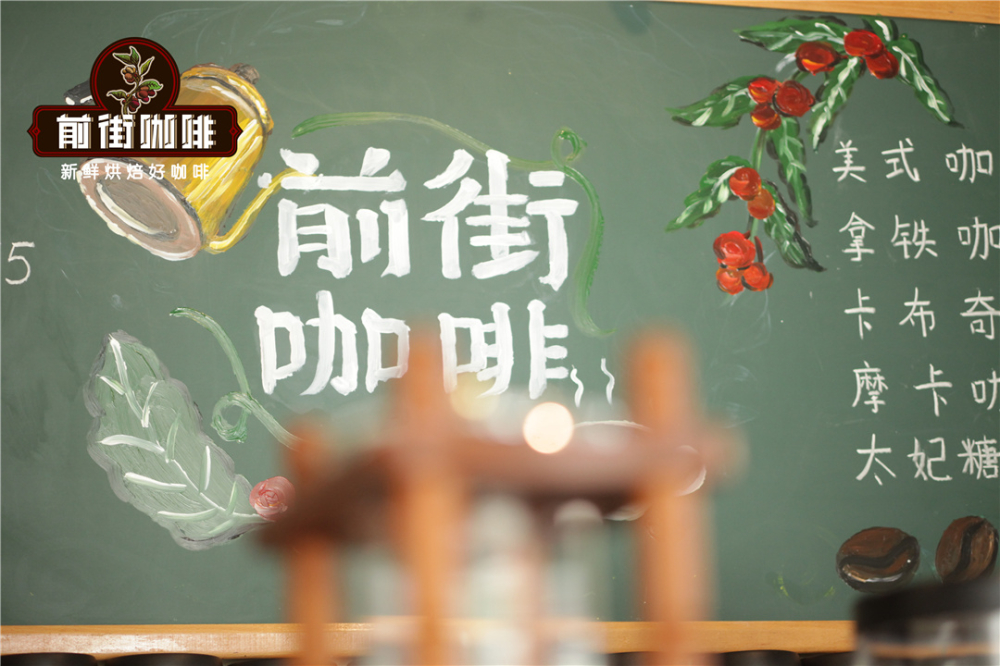
Stepping into a café, we often have to choose between espresso and pour-over. At Front Street, if you want pour-over, you can select from single-origin beans from different regions; if you choose espresso, you need to decide among categories like Americano, latte, and cappuccino, and some locations even offer the option to swap in SOE.
Today, more and more well-known single-origin beans are available in SOE versions, such as Front Street Granja Geisha coffee, Front Street Yirgacheffe coffee, and Front Street Huakui coffee. So some friends wonder: can these SOE coffee beans, typically used for espresso, also be used for pour-over?
What is the most prominent characteristic of SOE?
Traditionally, to ensure consistent output and achieve flavor balance, coffee shops prioritize espresso blend beans that are roasted darker and rich in oils. Because they blend two or more batches from different origins, the regional flavors are often hard to distinguish.
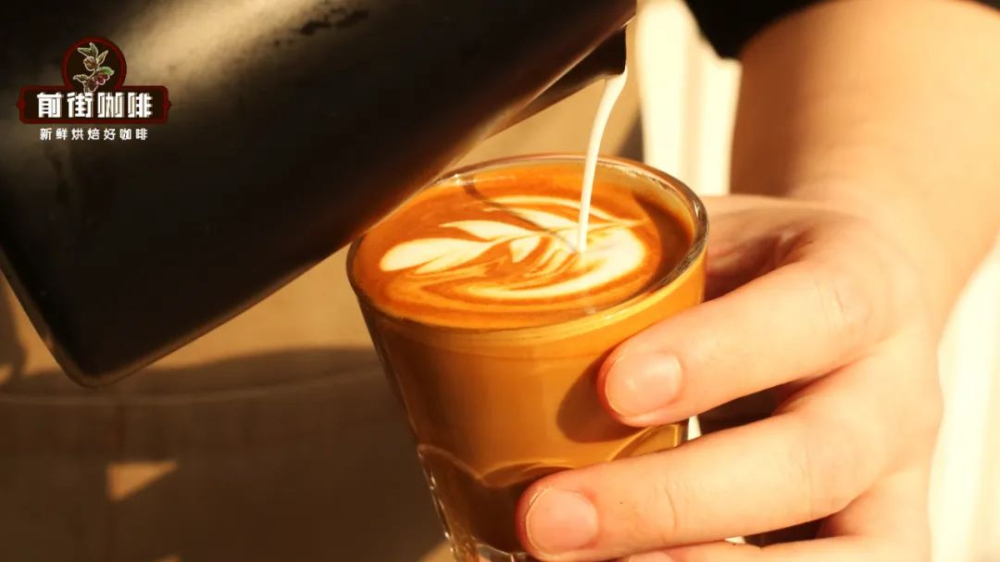
Setting flavor aside, purely conceptually, SOE is simply making any single-origin coffee bean into espresso. So-called "single-origin beans" refer to coffee that has been separated at the origin stage, ensuring that high-quality batches exist independently. This "single" can be a province or city, a town, a village, a processing plant, an estate… in short, the emphasis is on the uniqueness that the regional terroir gives the coffee.
For example, the Front Street Sunflower Warm Sun espresso blend commonly used at Front Street locations is made by combining two single-origin beans roasted in-house—Front Street Honduras Sherry and Front Street Yirgacheffe Sun-Dried Red Cherry—in a 7:3 ratio. Before each use, the barista mixes the two roasted beans in a fixed ratio to create the "blend" and then pours it into the hopper. But if we take only the Front Street Sun-Dried Red Cherry from it and extract it with an espresso machine, the resulting espresso is the familiar Yirgacheffe SOE.
In other words, SOE products sold on the market come from a single origin and are also suitable for extraction with an espresso machine. Generally, because the coffee beans selected are of a higher quality grade, the price is relatively higher.
Is there a big difference between SOE coffee beans and pour-over single-origin beans?
In the past, our impression of espresso's taste was balanced, thick in mouthfeel, and with oily, roasted aromas; black coffee mostly tasted bitter. This was not caused by the extraction method, but by the choice of raw materials. Espresso cannot be sold at too high a price and uses a large amount, so in terms of bean requirements, cost comes first, followed by stability, and flavor last. To balance the compatibility of beans from various origins, roasters roast them darker, and the resulting coffee is basically fixed between caramel, nuts, and chocolate.
Unlike the previous goal of pursuing stability, with the rise of the specialty coffee concept, people began to emphasize unique regional flavors and advocate for coffee with a clean taste, obvious fruity notes, and a light, elegant character. As a result, the quality of many imported coffees improved, and espresso blends were also adjusted for different extraction purposes.
For example, to highlight coffee oils, Front Street Classic Roast and Front Street Commercial Blend include a small amount of Robusta and use a medium-dark to dark roast; alternatively, Front Street Black Cocoa Base Blend and Front Street Specialty Blend have obvious creamy nut aromas, so they use a medium-dark to medium roast, and making a latte with them gives a chocolate-milk-like mouthfeel.
The entire community also gradually became fond of various "acidic coffees." For example, the white floral fragrance of Front Street Yirgacheffe, the sweet berry-like sweetness of Front Street Costa Rica Blackberry, the thick berry tone of Front Street Little Tomato, the orange-blossom honey charm of Front Street Granja Geisha, and the fermented wine note of Front Street Sidra, and so on.
As a concept that became popular under the development trend of specialty coffee, SOE carries a particularly important task: while emphasizing the origin, it highlights the coffee beans' own good flavors. Unlike blends, SOE more easily amplifies the characteristics of the beans, especially lightly roasted coffee; the espresso, in addition to its intense taste, also has a stimulating acidity, so it often leaves a deep impression.
Because a darker roast promotes more caramelization of substances, if coffee is to retain more floral and fruity aromas and thereby make its flavor attributes more recognizable, first the roast level cannot be too dark, otherwise the bitterness is too heavy and will cover up the origin's own flavors; but too light a roast will give the coffee an underdeveloped taste, or under the high temperature and pressure of the espresso machine amplify the beans' acidity, making the espresso sharply sour and unbearable, while also causing under-extraction because the coffee beans are too hard.
Therefore, for the same coffee bean, many merchants release two different roasting curves for pour-over and SOE uses. Generally speaking, floral-fruity acidic pour-over single-origins are presented with a light to medium roast, while SOE beans are roasted slightly darker than pour-over but do not completely change their main flavor profile, so that the espresso has both fruity acidity and the sweet aroma brought by caramelization; thus most are controlled at a medium roast.
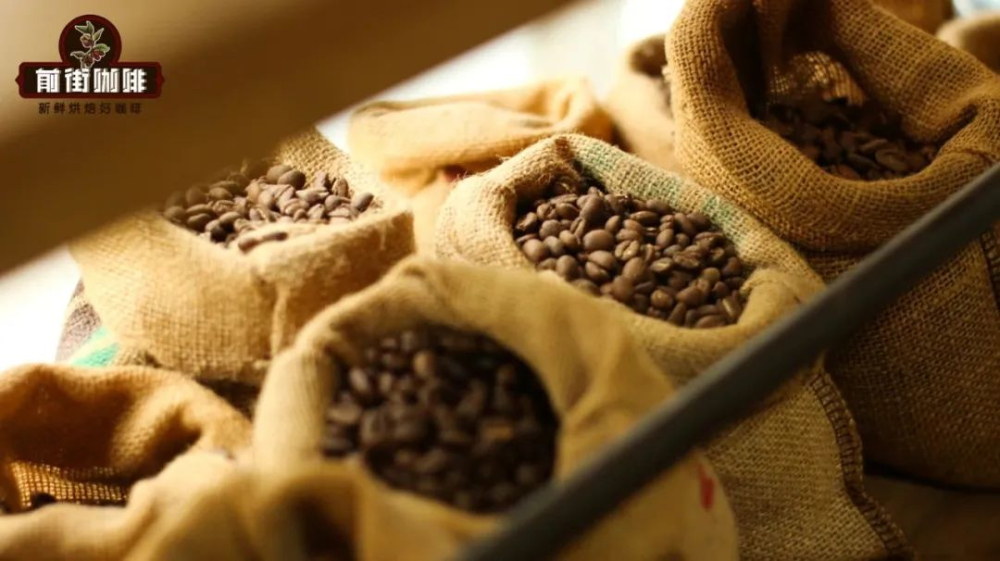
Take the Front Street Huakui coffee beans sold at Front Street as an example. The roast level column is divided into two types: "pour-over light-medium roast" and "SOE espresso roast." The former is suitable for atmospheric extraction methods such as pour-over, cold brew, French press, and drip bags, while the latter is preferred for pressure-based extraction such as espresso machines and moka pots.
What should be noted when making pour-over with SOE coffee beans?
Although we say that the roasting curve of SOE coffee beans is more suitable for espresso, as long as extraction is done properly, it can also make delicious pour-over coffee. As mentioned above at Front Street, products labeled SOE mostly use a light-to-medium, medium, or slightly medium-dark roast level, and the beans' expansion rate and flavor profile are between light and dark roasts. Therefore, regarding the choice of brewing parameters, we can first judge the roast level based on the flavor on the packaging.
For SOE beans whose flavor descriptions are all floral, fruit, tea-like, and with various types of acidity, then it is most likely a light to medium roast. The short heating time makes这类 beans harder in texture and less likely to release soluble substances, so we can use high-temperature water at 92–93°C and a grind size like fine granulated sugar (80% passing rate with a No. 20 sieve) for brewing;
If the SOE beans you bought generally have words like dark chocolate, cocoa, spices, hazelnut, caramel, full-bodied, and creamy on the packaging, it indicates that the coffee uses a medium-dark roast level. The longer heating time makes the bean structure loose, and it easily absorbs water and releases bitter substances. At this time, it is recommended to use a water temperature below 88°C and a grind size like white granulated sugar/coarse granulated sugar (70% passing rate with a No. 20 sieve) for extraction;
From left to right: light-medium, medium, medium-dark
The rest are SOE coffee beans that have both floral and fruity aromas, tea-like notes, and also nuts, cookies, milk chocolate, or flavors such as fermented wine, candy, and honey. We can judge these as medium roast, and when making pour-over, we might as well present them with a combination of 89–90°C water temperature + medium grind (75% passing rate with a No. 20 sieve).
The above content is compiled by CoffeeHunters, a coffee news website.


