







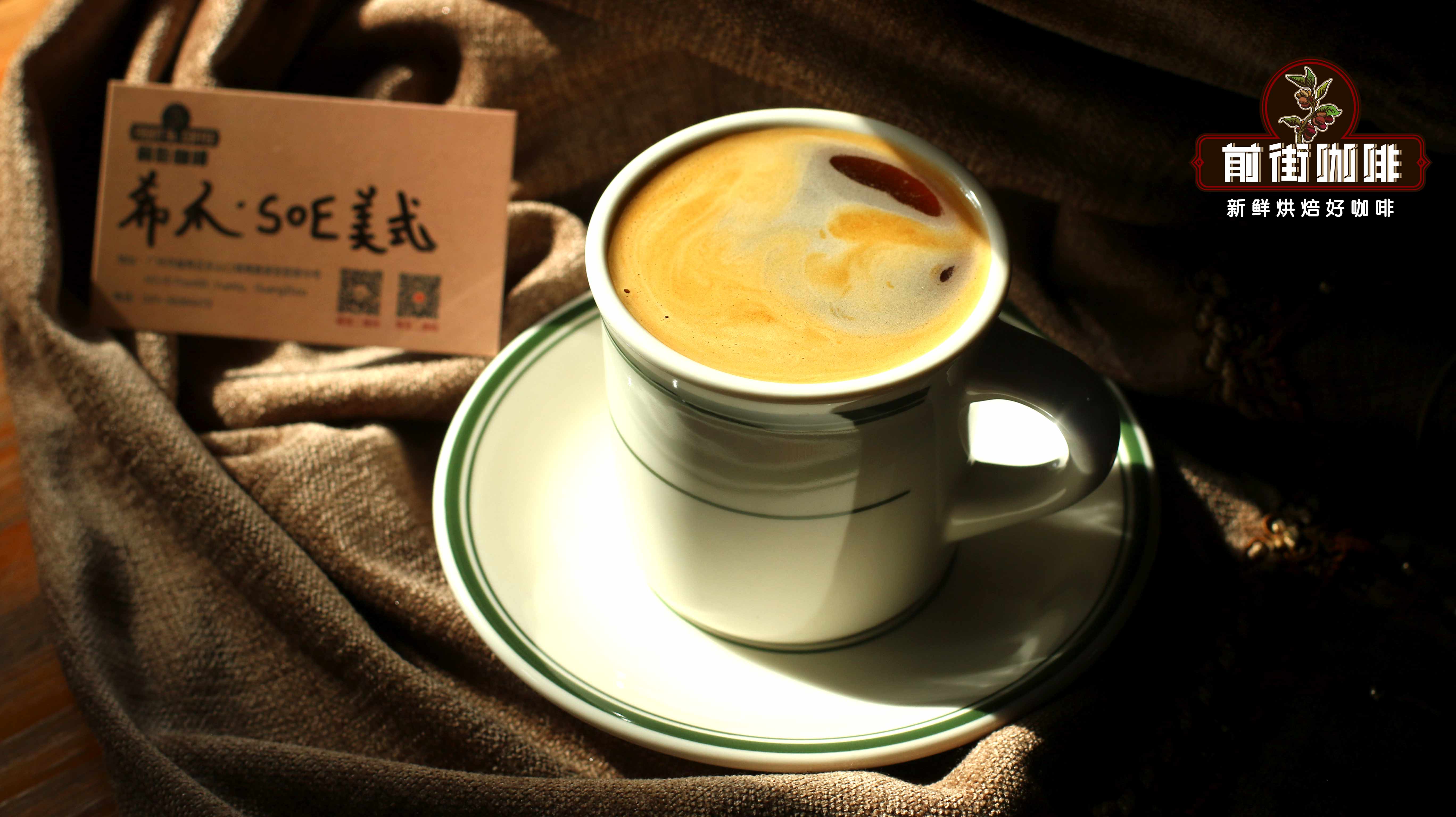
I believe many friends who have drunk coffee may not necessarily understand or even have heard of SOE coffee, but seasoned coffee connoisseurs certainly know about SOE coffee. Does mentioningSOE coffeemake friends who are new to coffee or even new to espresso not understand it well? But SOE sounds like it's quite high-end.
If you haven't heard of or don't understand this kind of coffee, there's really no need to feel like you must try it, because SOE coffee is simply espresso made with single-origin coffee beans as the raw material, or even milk coffee. Put that way, it doesn't seem particularly noble, but SOE still has its characteristics, such as a relatively high price... just kidding. SOE isn't complicated, but it can highlight regional flavors, and you can also learn about the historical background behind this kind of coffee.
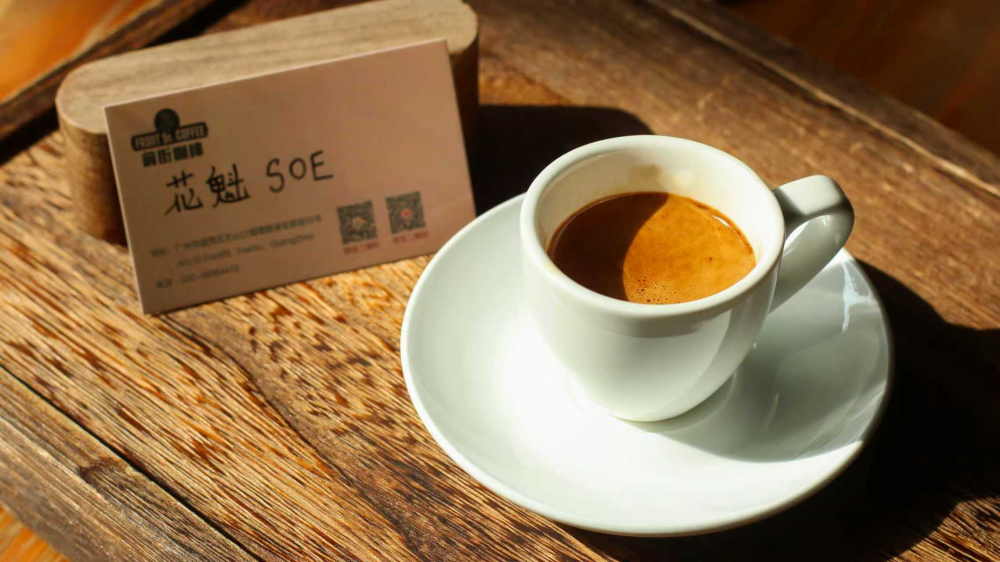
What isSOE coffee
SOE coffee is an English abbreviation, with the full name "Single Origin Espresso," meaning single-origin espresso, or more simply, single-origin espresso. The characteristic of this coffee is that it can showcase the flavor diversity of different regions. To put it simply, if you want to drink something acidic, use single-origin Yirgacheffe beans to make it; if you want a rich mouthfeel, you can choose single-origin Mandheling to make it. That is SOE coffee.
Compared to traditional blended beans, SOE can better highlight the flavor of a certain country or a certain coffee-producing region—that is the characteristic of SOE. SOE is already a very mature system abroad, because it has been popular overseas for over a decade, and the SOE coffee culture in China was also introduced from abroad. However, since China's coffee culture is not as mature as abroad, coffee in China is still a niche culture. Therefore, unless you are a seasoned coffee enthusiast, most friends don't know the meaning of SOE, and when entering a café, they won't directly ask whether they want SOE.
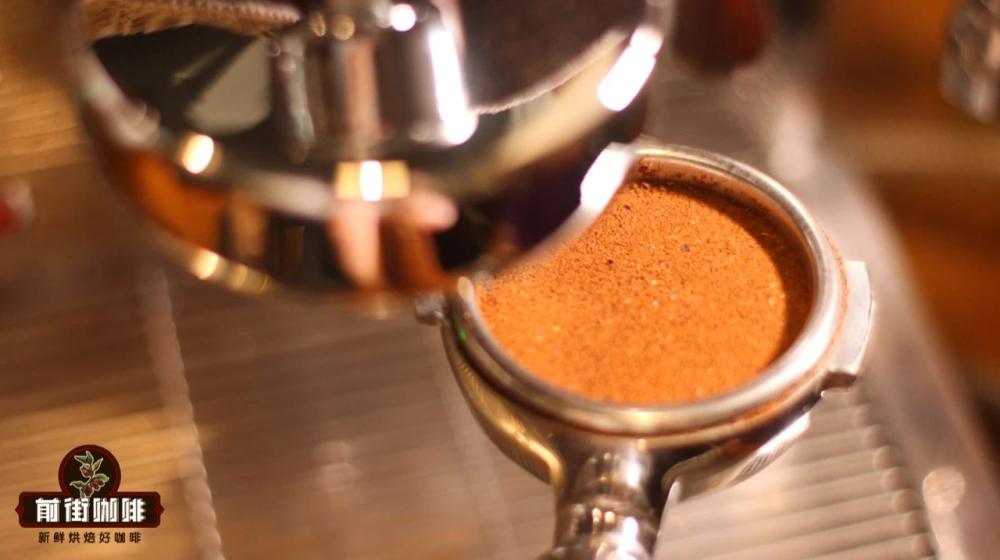
The advantages of SOE coffee are obvious—it can highlight regional flavors—and its disadvantages are equally obvious. Besides the relatively high price, there are also many uncertainties. First, SOE coffee is a seasonal product. Because coffee is an agricultural product, and the climate changes every day, when a batch of coffee made into SOE makes you feel amazed, the next batch made into SOE may not necessarily provide the same experience. And SOE is a human choice. If a café uses micro-batch coffee beans to make SOE, then the output is even smaller.
So why drink SOE? In a 2007 WBC (World Barista Championship) competition, the champion that year won using SOE, which seems to show that world judges have recognized the strength of SOE. Because this move made SOE cause a sensation worldwide, and for a long time afterward SOE received unprecedented attention. The biggest drawback of SOE is what was mentioned above: it cannot guarantee the flavor performance of every batch of coffee beans, so the coffee flavor of each batch varies greatly. Therefore, the flavor of every cup of SOE coffee is unique.
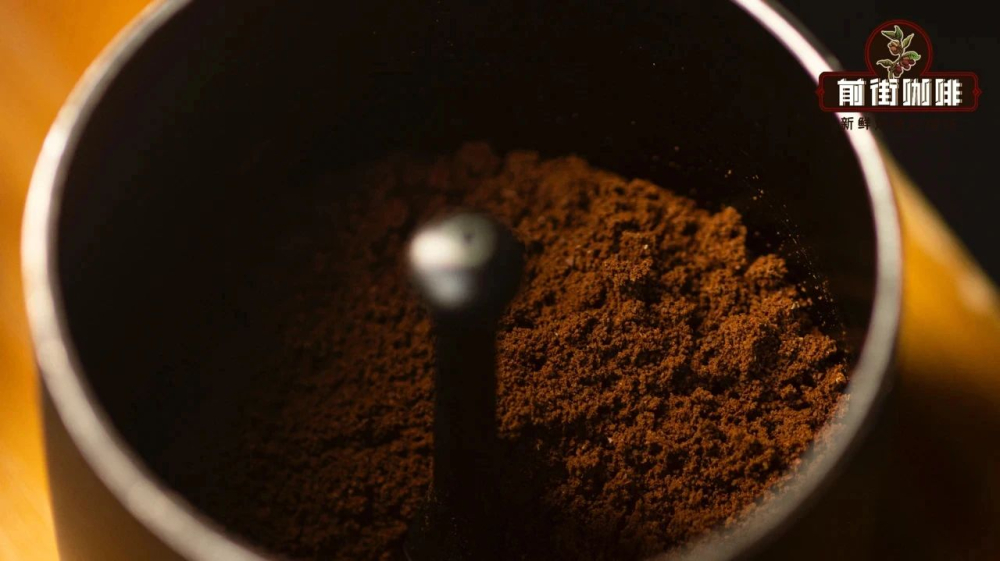
The difference between SOE coffee beans and single-origin beans
So here comes the question: since SOE is made using single-origin coffee beans, what is the difference between SOE coffee beans and ordinary single-origin coffee beans?
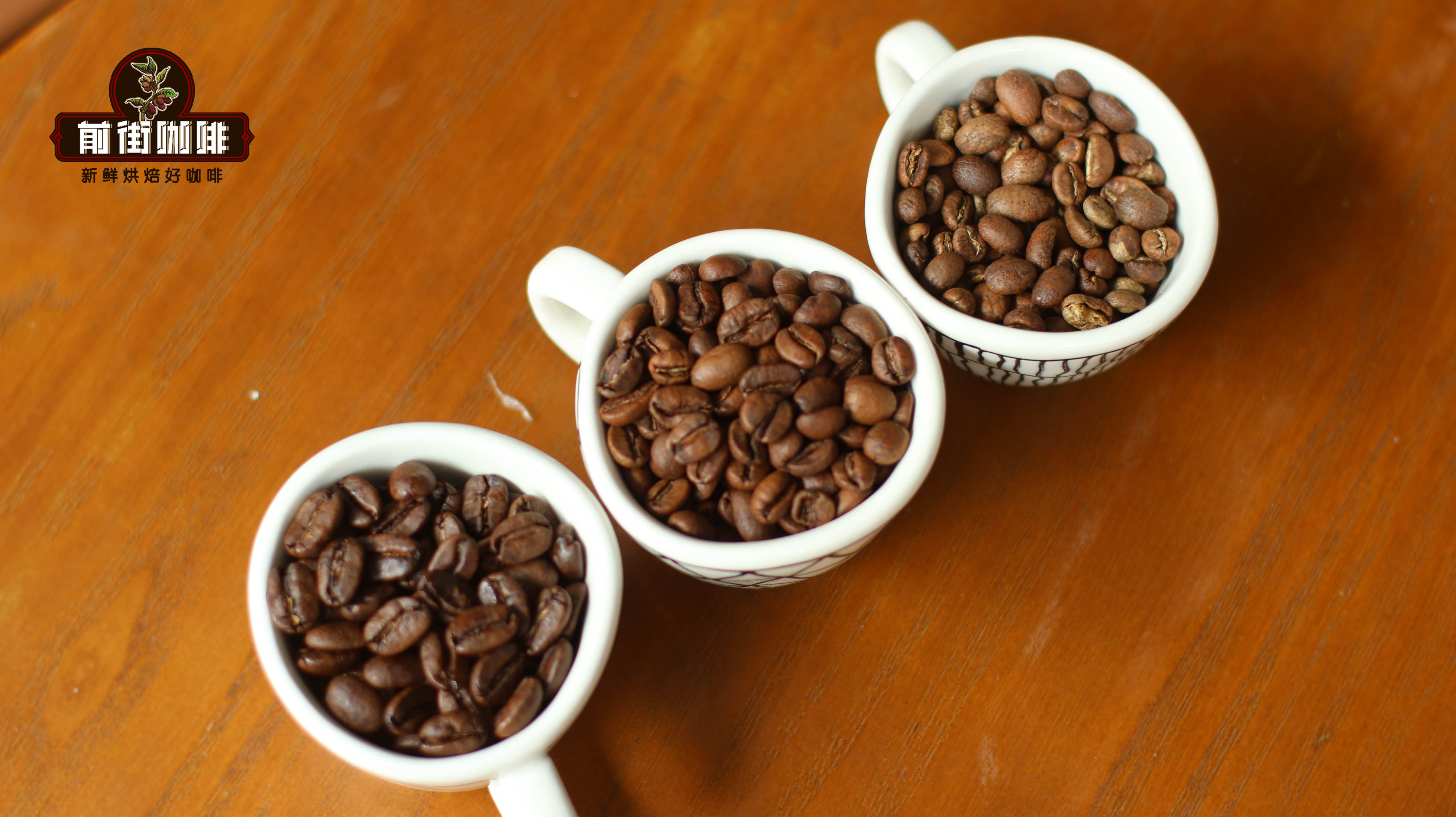
1. Roast level:
The roast level should be set according to the brewing method. Light, medium, and dark roasts each present different flavors, and the roast level used for pour-over and for espresso-making is different. Because making SOE not only needs to highlight the flavor characteristics of the region, but also needs a certain amount of crema to support the presentation of flavor. Because the crema of espresso is the source of the coffee's flavor—that is, the aroma you smell—while the coffee liquid beneath the crema is the mouthfeel. Therefore, if you simply use ordinary single-origin beans to make SOE, you will find that the crema is very thin and dissipates quickly. SOE made with Yirgacheffe feels sharply acidic, because Yirgacheffe is originally light-roasted. Using single-origin beans with this roast level to make SOE will only be very hard to drink.
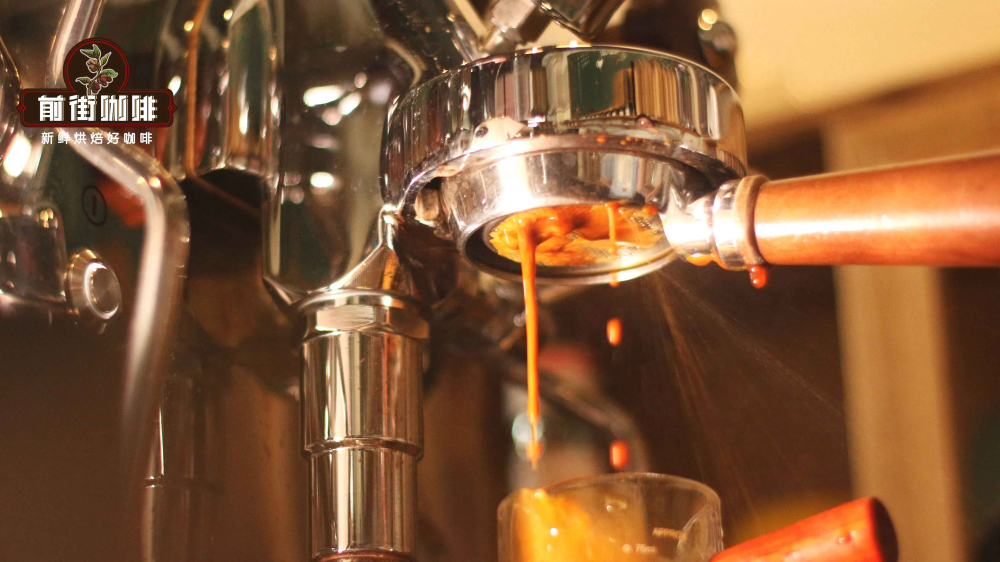
2. Extraction method:
This is linked to the roast level. The brewing equipment used must be considered before setting the roast degree, and extraction also involves differences in solubility. The solubility of pour-over is lower than that of espresso, and next is flavor presentation. Light-roasted coffee beans made into espresso will definitely be so sour that it is hard to drink, while pour-over indeed has fruit-like acidity and sugar-like sweetness. SOE's controllability is relatively poor. To make a good cup of SOE based on the stability of the machine, you obviously need an extremely stable espresso machine.
Just like Front Street's Warm Sun blend, when this dual-use coffee bean was blended at the time, an unchanging roasting method was used and it was directly made at the original roast level. As a result, the crema was very thin, stability was very poor, and it was sour and astringent, hard to drink. That is the content for today. Next, let's use Front Street coffee to make a comparison between SOE and single-origin.
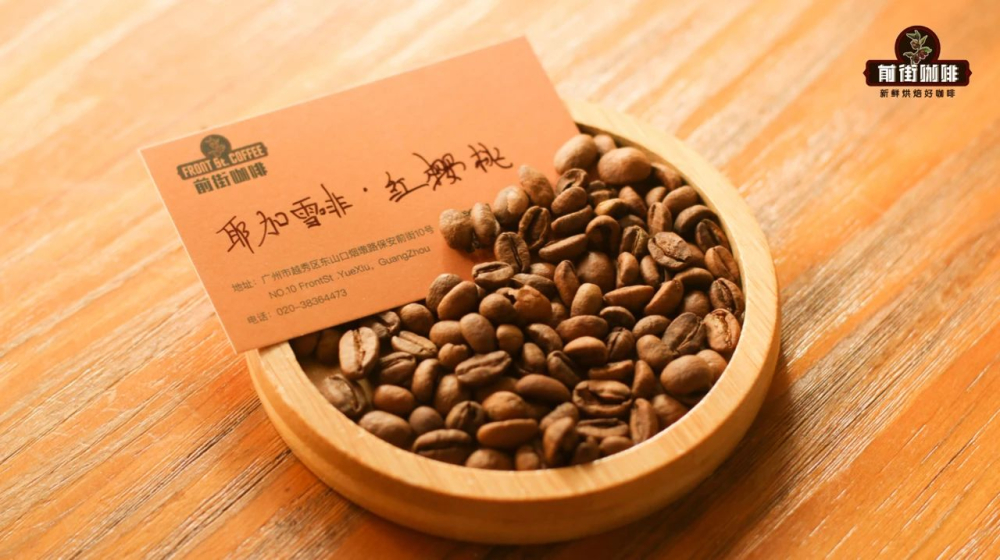
Taking Front Street Ethiopia Red Cherry coffee beans as an example
Region: Yirgacheffe
Altitude: 2000 meters
Variety: Heirloom
Processing method: Natural
Roast level: Light roast
SOE parameters
Coffee powder amount: 20grams Coffee liquid amount: 40 grams Extraction time: 27 seconds Grind setting: Faema 900N #1.7

SOE coffee flavor description:Medium acidity, medium-low bitterness, medium-low sweetness, viscous mouthfeel, berry juice flavor, slightly noticeable tea-like note, long aftertaste; poor crema stability, fast dissipation speed.
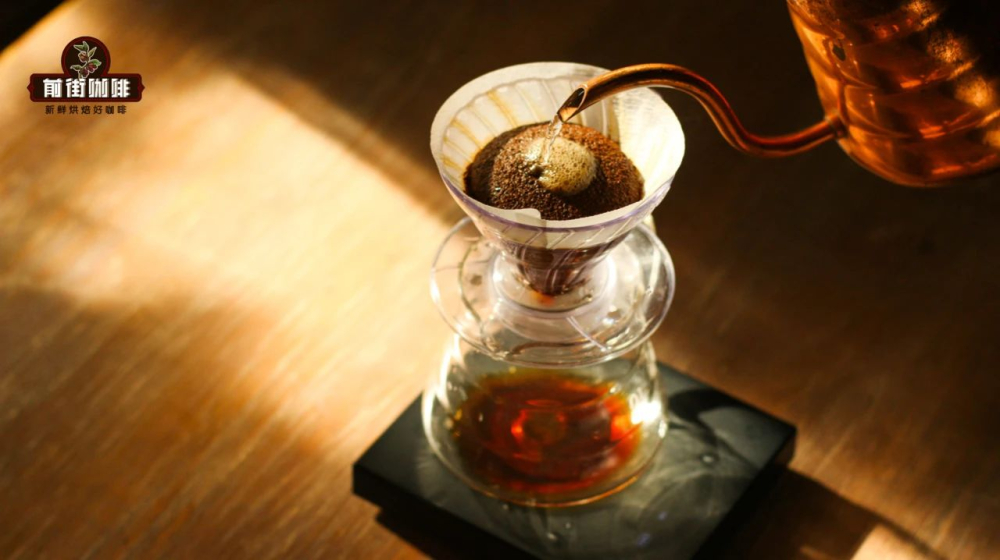
Pour-over parameters
Water temperature:91°C Powder-to-water ratio 1:15 Filter cup: V60 Grind: fine granulated sugar Pulse pouring
Brewing:Bloom with 30g of water for 30s, pour in a small stream in circles to 115g as a stage, then pour in three stages in circles to 225g and stop pouring. Extraction time 2 minutes.
Flavor description:Tropical fruit, strawberry, berry, honey
The above content is compiled by CoffeeHunters, a coffee news website.

