







What is SOE coffee and which myths should you drop?
SOE is espresso made from single-origin, single-varietal beans rather than a blend. The format appeared in 2007, matured around 2010, and spread through North American cafes as a seasonal menu item. It is not a separate coffee category; the only change is swapping blend components for beans from one origin and pulling them under pressure.
Two common beliefs do not hold: SOE is not automatically tastier than a blend, and not automatically more upmarket. Bean quality, roast level, machine performance, and personal preference all shape the cup. Because coffee is a crop, single-origin lots fluctuate in flavor year to year, so a group of floral, sweet, and low-acid SOE beans helps match different tastes.
SOE coffee beans have been a hot topic in the specialty coffee circle in recent years, but do you really understand them? This article will systematically explain the definition of SOE—espresso made with single-origin single-varietal beans—review its development trajectory since its birth in 2007 and its gradual spread in North America, and break down one by one cognitive misconceptions such as "SOE is definitely tastier than blends" and "SOE is necessarily more high-end." The article also compares the differences between single-origin pour-over and SOE in terms of roasting positioning and extraction methods, reminding everyone that single-origin beans, as agricultural products, naturally have flavor fluctuations. Finally, it includes three groups of SOE bean lists selected by Front Street Coffee with different styles, covering different taste needs such as floral, high sweetness, and low acidity, helping you choose the beans you like.
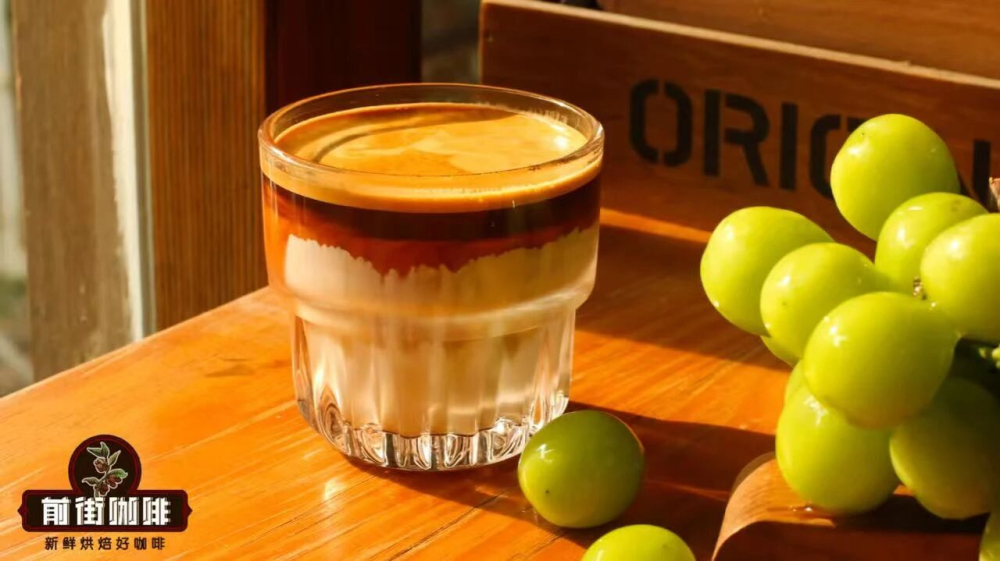
As early as 2007, SOE coffee beans had already appeared, and by around 2010 they had gradually matured. Customers in the North American market also gradually developed the consumption habit of walking into a cafe and ordering a cup of seasonal SOE. This trend made people realize: as long as you have sufficiently exciting good beans, the espresso recipe actually does not need to be too complicated.
●What exactly is SOE
By definition, SOE is the abbreviation of the English term Single Origin Espress, which translates to "single-origin espresso."
Does it feel like a sudden enlightenment? It is not some profound coffee category; in essence, it simply replaces the "blend beans" used in regular espresso with "single-origin beans," and it still relies on the high-pressure extraction of an espresso machine to complete this cup of espresso. By the same logic, SOE latte is a latte made with single-origin beans, SOE americano is an americano made with single-origin beans as the raw material...
●Common misconceptions about SOE
Although the concept is simple, consumers can easily develop misunderstandings, and the following two aspects are especially typical. The first is "SOE is definitely tastier than blends." You should know that there are many variables determining whether a cup of coffee tastes good, such as bean quality, roasting level, espresso machine performance, production process, and each person's taste preference.
SOE merely represents espresso made with single-origin beans. The beans it uses are not necessarily higher quality than blend beans, and moreover the other factors also profoundly affect coffee quality. So which kind of coffee tastes better really cannot be generalized! For the same reason, the judgment that SOE must be more high-end and more expensive also does not hold up.
●Similarities and differences between single-origin coffee and SOE
The similarity is that both follow the single origin principle—the beans all come from the same production region—but the roasting tasks they undertake are completely different. The difference is that: single-origin coffee in cafes is usually extracted by pour-over, while SOE needs to be completed with an espresso machine; the two craft paths are completely separate. Looking again at the difference between SOE and ordinary Espresso: the former uses beans from a single origin, while the latter is made by blending beans from multiple origins.
●Choose beans with prominent flavor recognition
Using single-origin beans to interpret espresso, in the end, is about allowing consumers who love espresso and milk coffee to also appreciate the flavor charm of single-origin beans themselves. If a certain bean's flavor characteristics are not distinctive enough, most people simply cannot taste its unique personality, so it would be better to have a cup of blended coffee with balanced taste and excellent body.
●The stability issue of SOE coffee beans
Coffee is essentially an agricultural product, and single-origin beans are inevitably affected by factors such as climate and growing conditions. Even if they come from the same production region, they may still show differences in flavor. This is exactly the difference between them and blend beans, which pursue stable taste. If you order SOE made from the same bean at the same shop on two occasions, but the flavors you taste differ slightly, this is normal and there is no need to doubt the shop's professionalism because of it.
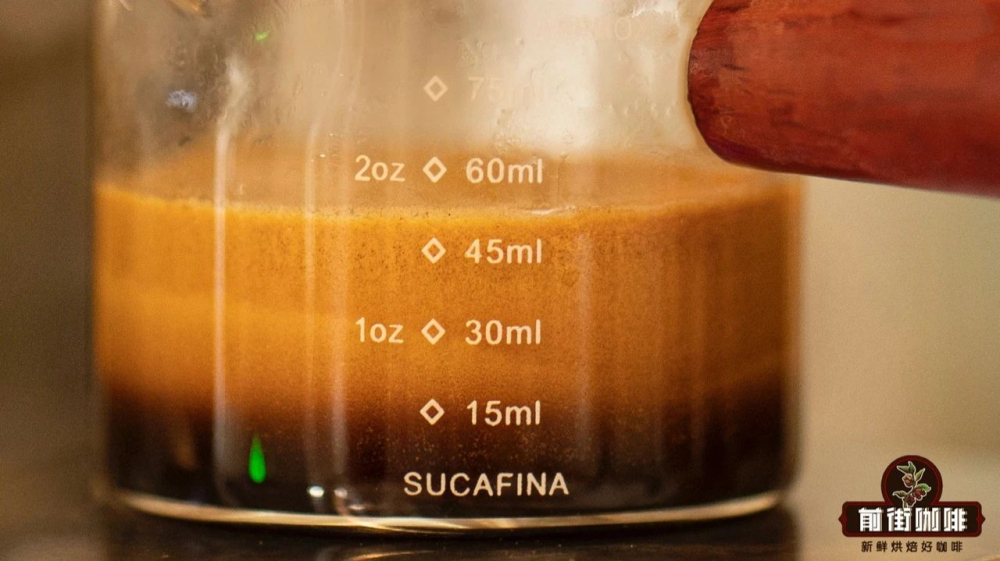
Next, Front Street Coffee has selected several relatively niche but very versatile SOE single-origin beans for everyone:
Recommendation One: For friends who prefer fresh floral notes, it is recommended to choose medium-roast beans from African production regions. The top recommendations are Front Street Coffee Red Cherry Yirgacheffe SOE and Front Street Coffee Grana Geisha SOE;
Recommendation Two: For coffee lovers who pursue high sweetness but fear bitterness, you may try medium-roast beans from American production regions. Recommended are Front Street Coffee Blackberry-Costa Rica, Front Street Coffee Mozart-Costa Rica, and Front Street Coffee Strawberry Candy-Gesha Blend;
Recommendation Three: If you cannot accept acidity at all, you can turn your attention to beans from South American and Asian production regions that use medium-dark roasting. Recommended are Front Street Coffee Queen's Manor-Brazil, Front Street Coffee Colombia Washed, and Front Street Coffee PWN Golden Mandheling.
The above content is compiled by CoffeeHunters, a coffee news website.


