







What Is SOE Coffee and Why Does Its Flavor Fluctuate?
SOE coffee stands for Single Origin Espresso, meaning espresso pulled from beans of one single origin rather than a blend. It is not the same as pour-over single-origin coffee: single-origin coffee is usually brewed as pour-over, while SOE is extracted as espresso. SOE flavors tend to fluctuate because they depend on many variables, making each cup somewhat unpredictable.
Blends are designed for stable, repeatable espresso, while a single origin reflects one harvest and one profile. That is why some shops focus on blends and pour-over single-origin coffees instead. If you want to judge whether SOE americano actually tastes good, compare extraction parameters like dose, yield, and grind setting between a single-origin and a classic blend.
In recent years, the specialty coffee trend has fueled the popularity of SOE, and many coffee enthusiasts are curious about how it differs from pour-over single-origin coffee and traditional espresso blends. This article, from the perspective of Front Street Coffee, first clarifies the definitions and roasting differences between single-origin coffee and SOE, then explains why SOE flavors tend to fluctuate and why Front Street has long focused on blends and single-origin coffees, and finally provides specific extraction parameters and flavor descriptions for Sun-Dried Huakui SOE and Front Street's classic blend, helping you judge whether SOE americano is actually good and how to make it at home without disaster.
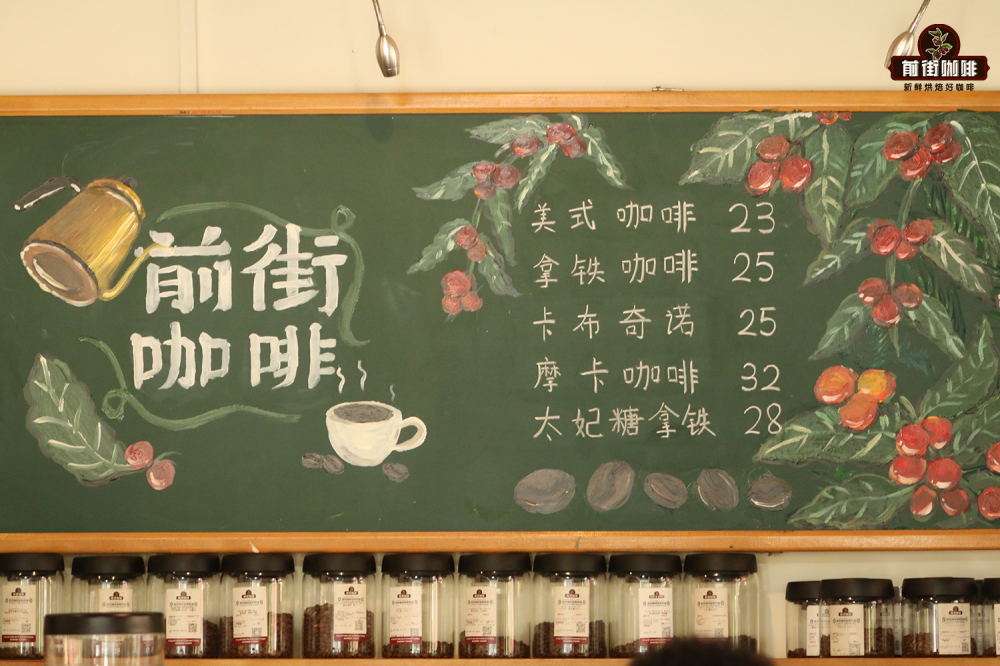
As the specialty coffee wave continues to heat up, SOE coffee has also gained considerable popularity in recent years. Front Street often encounters coffee fans asking: why doesn't the shop carry SOE? The reason is that Front Street judges that SOE flavor is constrained by too many variables, making it somewhat like opening a blind box when drinking, and it is difficult for customers to get a stable espresso experience every time. Front Street has always hoped that coffee fans can drink beans with stable quality and flavor over the long term, so in the past it did not stock SOE, but instead focused on single-origin coffee, because pour-over single-origin coffee is more controllable in flavor presentation. Below is a breakdown of the differences between single-origin coffee and SOE.
What is single-origin coffee?
Single-origin coffee refers to the specialty coffee in Front Street's shop, also called single-origin coffee, such as Ethiopia Yirgacheffe and Ethiopia Sidamo Huakui, both of which fall within the category of single-origin coffee. Its flavor direction is usually clear and prominent: African origins (such as Ethiopia) tend to be acidic, Asian origins (such as Indonesian Mandheling) tend to be bitter, and Latin American origins (such as Colombia) often show nutty notes. In other words, single-origin coffee emphasizes a single origin and a relatively single flavor direction.
What is SOE coffee?
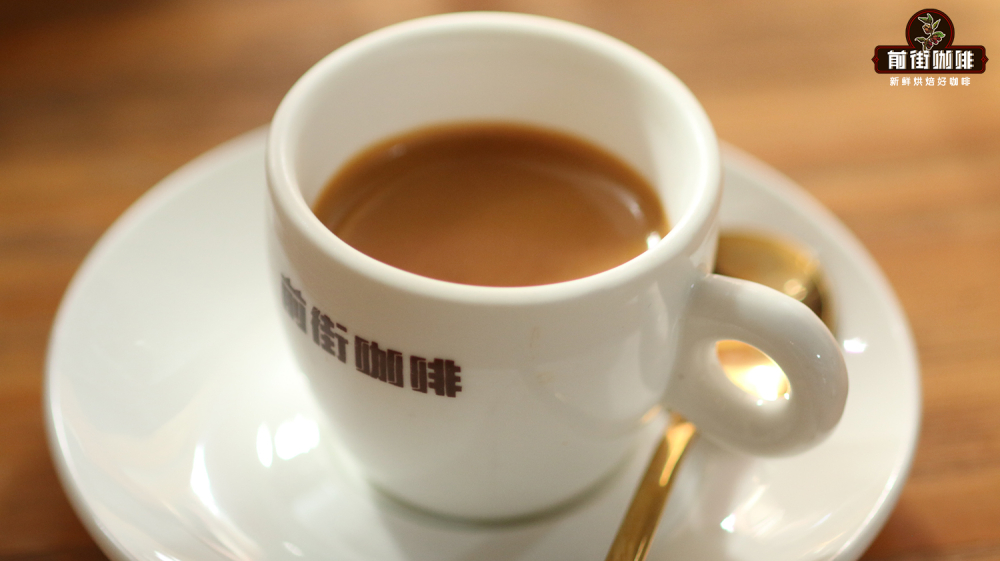
SOE stands for "Single Origin Espresso," meaning single-origin espresso. The name sounds close to single-origin coffee, but it is not equivalent to specialty coffee: specialty coffee is mostly presented as pour-over, while SOE is espresso made with an espresso machine. In addition, beans used for pour-over and beans used for SOE often differ in roast level.
A previous Front Street article mentioned that an espresso machine amplifies flavor under high pressure. Taking Yirgacheffe as an example, if it is made into espresso with a coffee machine, the acidity will be significantly increased, even to the point of being uncomfortably sour. Therefore, SOE is usually more intense and concentrated in flavor expression than pour-over single-origin coffee.
So why is SOE not necessarily pleasing in flavor, yet still popular recently? The key is that its drinking method is not like single-origin coffee, which is brewed by pour-over and drunk directly. SOE, like traditional espresso coffee, can be made into americano, milk coffee, fancy coffee, or creative coffee, so many specialty shops featuring SOE have appeared on the market.
As for why Front Street does not sell SOE, as mentioned above, it is because flavor stability is insufficient. The performance of coffee fruit varies slightly every year; different microclimates within the same country also make bean flavors different; weather, cultivation, roasting, and other stages likewise bring differences. When these variables are stacked together, it is very difficult to guarantee that every cup of espresso will always be consistent, and it will not fall roughly within the original flavor range every time like pour-over. Therefore, Front Street has not stocked SOE, but provides blended coffee, namely traditional espresso coffee, such as mocha, cappuccino, latte, and so on.
What is blended coffee?
Here we must discuss blended coffee, because SOE actually derived from the concept of blended coffee. Blended coffee is the espresso coffee we commonly see, and its original purpose was related to cost-effectiveness: single-origin coffee beans are high in quality and relatively expensive, while blended coffee first appeared in Italy, also called composite coffee, and its advantage is that it can balance the shortcomings of espresso machines while being more affordable than single-origin coffee.
As Front Street said, an espresso machine amplifies the original flavor of beans, and blending can combine multiple single-origin beans so that their respective strengths are fully released, and a more balanced taste is obtained after mixing beans from different origins. For example, if one bean is smooth in mouthfeel but lacking in aroma, another bean with abundant aroma can be added, allowing the advantages to complement each other, complementing or strengthening each other in taste, thereby creating a new taste with richer layers.
Points to note when making SOE
Front Street has found that many people think SOE is simply putting single-origin beans directly into an espresso machine to extract, making a single-origin espresso series. It is only after bringing home all kinds of floral and fruity beans and trying them with a coffee machine that they discover something is wrong: first there is a scene of spluttering and spraying, then they are scared by the extremely sour espresso and dare not take a second sip, and then they begin to suspect that the equipment is too poor or that they made an operational mistake.
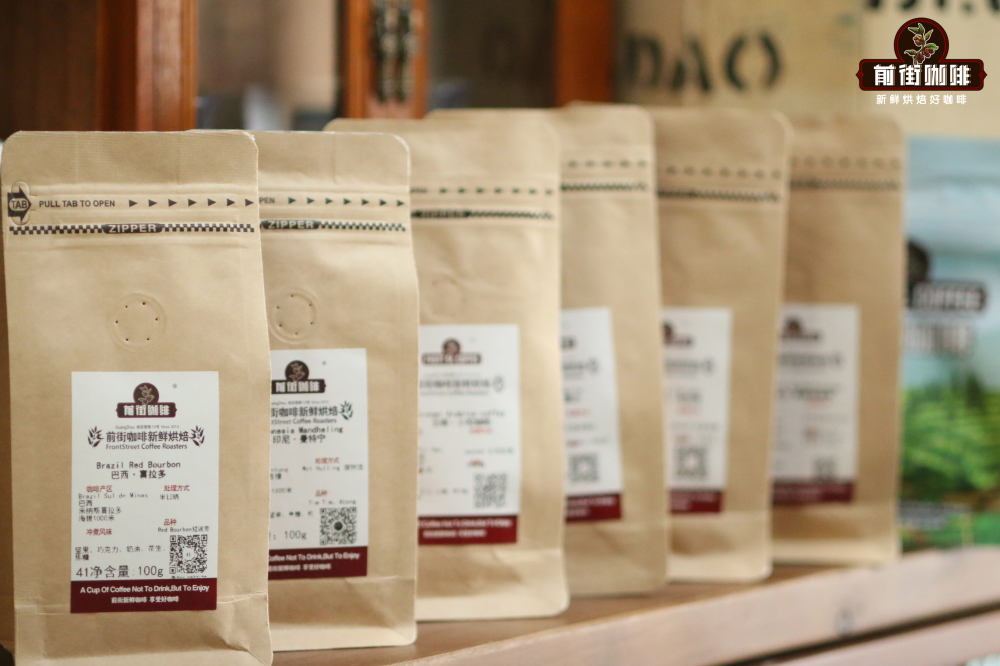
In fact, if you cannot make the same SOE at home as in the shop, the problem is likely not the equipment or technique, but that the roast level of this bean itself is not very suitable for espresso extraction. Based on the experience of Front Street Coffee baristas, choosing beans suitable for SOE extraction not only makes it easy to produce a delicious espresso, but also gets twice the result with half the effort when adding water or milk to make americano or latte. On Front Street's bean list, two single-origin beans offer SOE versions: one is the strawberry-aroma Huakui, and the other is Konga in the classic Yirgacheffe style. When ordering, just check the espresso roast option.
It can be seen that Front Street makes blended coffee to provide stable flavor and balanced taste; while SOE comes from a single origin, and the bean's own undesirable flavors are also easily amplified by factors such as roasting and grind size. The biggest difference between SOE and single-origin coffee also lies in flavor expression and brewing method.
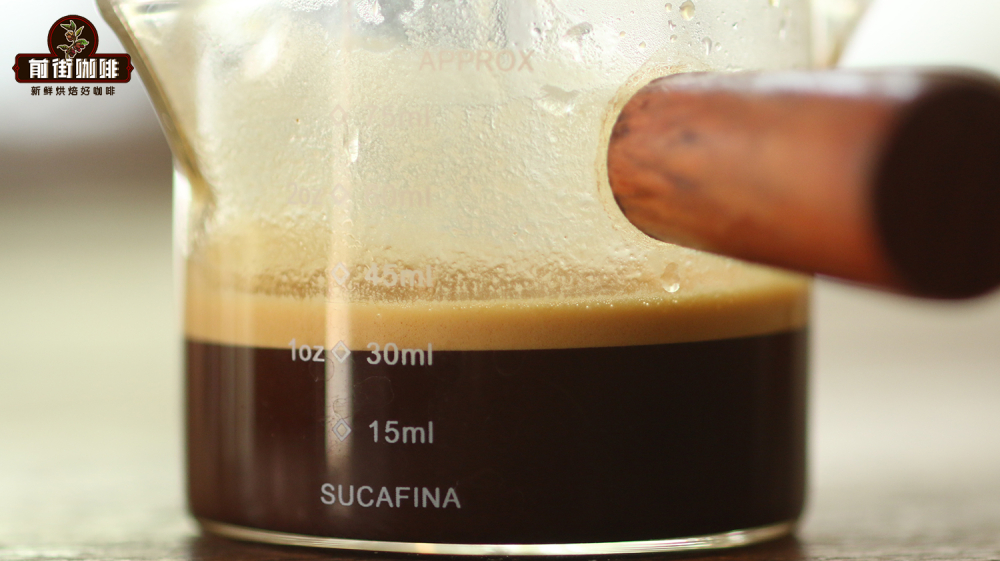
On the other hand, when using SOE as the base for espresso coffee, it is necessary to adjust the ratio of espresso, milk, and water, reducing the amount of milk or water so that the coffee flavor stands out more. Next, Front Street shares the data for making SOE, single-origin coffee, and blended coffee. First, the medium-roast Front Street Sun-Dried Huakui SOE is selected for comparison:
Front Street Sun-Dried Huakui SOE coffee beans Espresso extraction parameters:
Coffee powder dose 20 g
Espresso yield 40 g
Extraction time 27 seconds
Front Street Sun-Dried Huakui SOE flavor description: citrus, berries, fermented aroma, syrupy, medium bitterness, medium-high acidity, bright and lively acidity.
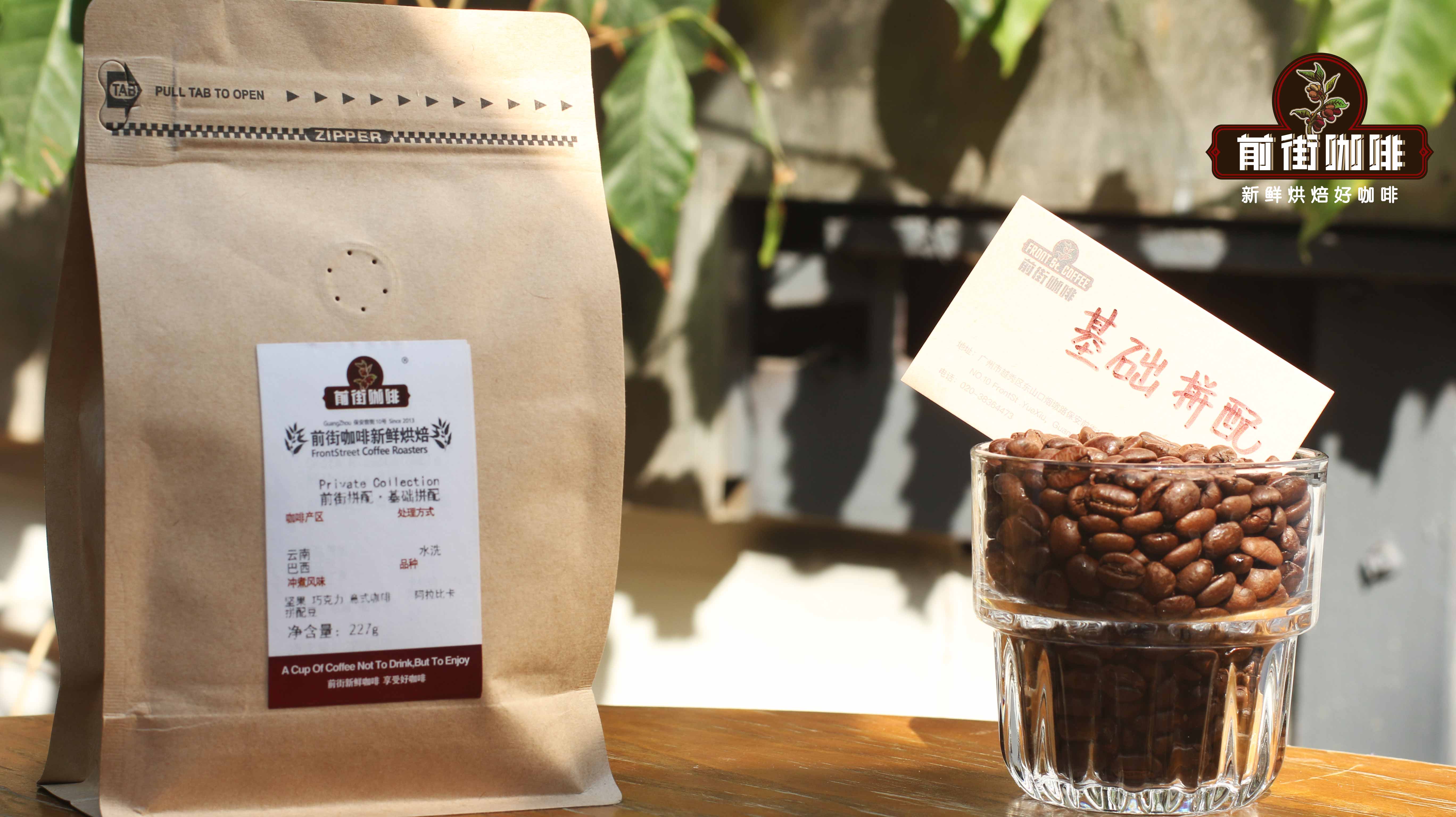
Having discussed Front Street's extraction of SOE, now let's talk about how Front Street extracts Front Street Classic Blend espresso beans. This is a tribute to the once-popular "Mamba Coffee," which combines Indonesian Mandheling beans and Brazilian espresso beans, carrying Mandheling's wild aroma and Brazilian beans' smooth mouthfeel, playing a complementary and harmonizing role in taste. Front Street Classic Espresso Blend adds robusta on the basis of the Mamba recipe, fully improving the coffee's crema and making the body of the espresso stronger, suitable for home preparation and for latte art.
Blended coffee bean extraction parameters:
Coffee powder dose 20 g
Espresso yield 40 g
Extraction time 30 seconds
Flavor: smooth mouthfeel, rich crema, obvious notes of dark chocolate, butter, toasted bread, and cookies on entry, with a noticeably sweet aftertaste.
The above content is compiled by CoffeeHunters, a coffee news website.


