







What are SOE coffee beans and how do they differ from blends?
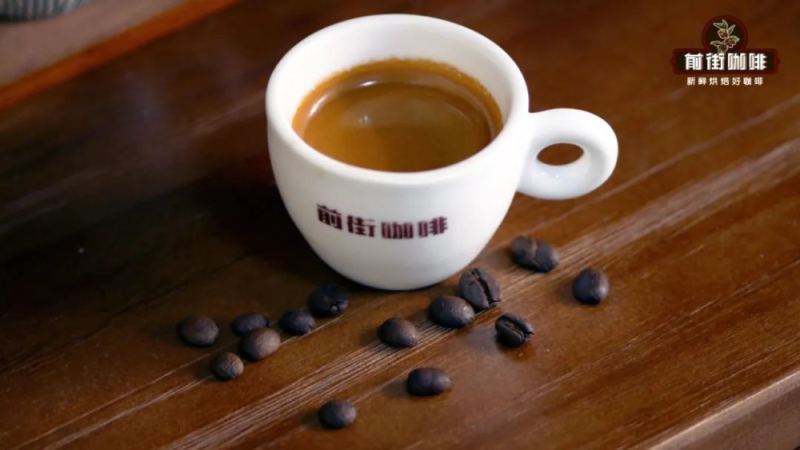
SOE coffee beans are single-origin espresso: espresso pulled from beans of one origin rather than a blend. The term grew alongside third-wave specialty coffee and single-origin sourcing. SOE and traditional espresso blends both fall under espresso coffee, but blends combine two or more origins and are usually roasted medium-dark for a rich, balanced cup, while SOE is roasted lighter to highlight one origin's distinct flavor.
The article covers how to choose single-origin beans for espresso, why roast level shifts between the two categories, and how origins such as Brazil and Ethiopia read differently in the cup. It closes with four Front Street SOE beans as examples, noting that shops increasingly list an SOE option on the menu and sometimes offer several at once.
In recent years, more and more coffee shops have added a "switch to SOE" option to their menus, and some even offer several SOE beans at once for customers to choose from. What exactly does this frequently appearing abbreviation stand for? What essential differences does it have from the common espresso blend beans? This article will explain the definition of SOE, its differences from blend beans, roasting orientation, and single-origin coffee beans suitable for making SOE, and recommend four Front Street Coffee SOE beans to help you understand this important concept in the field of espresso coffee.
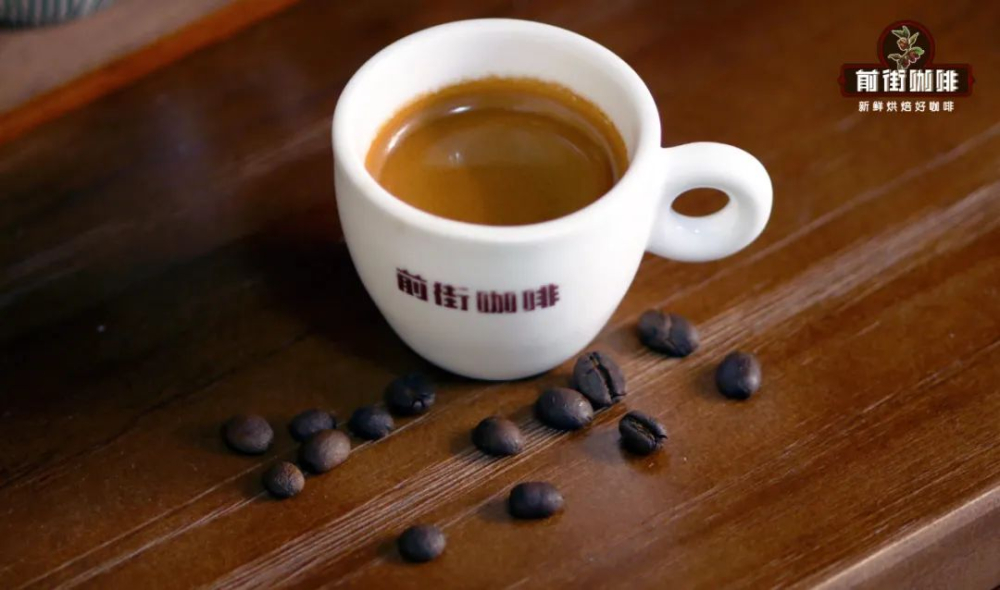
Have you noticed that many coffee shop menus now feature a "switch to SOE" option, and some shops even list several SOE beans at once for customers to choose from? What exactly do these three letters, which keep appearing, mean?
Let's start with the definition of SOE
SOE is the abbreviation of Single Origin Espresso, referring to espresso extracted from coffee beans of a single origin. The emergence of this concept is inseparable from the popularity of the specialty coffee and single-origin coffee ideas driven by the third wave of coffee.
Specialty coffee refers to high-quality coffee grown in regions with unique microclimates and geographical conditions, and cultivated to have positive aromas and a "taste of place." As more and more consumers begin to pay attention to the origin of coffee beans and are willing to pay higher prices for high-quality coffee, producers naturally invest more resources into the source of specialty coffee. Thus, single-origin coffee beans that emphasize a single origin emerged. In the early days, single-origin coffee beans were mostly extracted by pour-over, and later more and more single-origin beans were used for espresso. With the boost of various competitions and chain brands, the concept of SOE became increasingly popular.
Therefore, as long as it is espresso made from single-origin coffee beans, it can be called SOE. It and espresso blends (Blend) both belong to the category of espresso coffee. The difference is that espresso blends mix coffee beans from more than two origins, usually use medium-dark roasting, and pursue a rich and balanced taste. SOE, on the other hand, needs to highlight the unique flavor of the origin, and the roasting degree is relatively lighter. For example, the Front Street Ethiopia Natural Yirgacheffe Red Cherry coffee beans on the Front Street bean list present berry and citrus sweet-and-sour notes when extracted as SOE.
At present, the vast majority of coffee shops still use espresso blend beans as their main product. The reason blend beans can become the market mainstream is not only that they can lower raw material costs, but also that they can provide stable extraction performance for daily output and ensure as much consistency as possible in the flavor of espresso-based drinks. Simply put, coffee shops choose blend beans in order to obtain stable and consistent output. If you also want to replicate the coffee shop standard at home, you might try Front Street Classic Espresso Blend Coffee Beans. It combines the advantages of Brazil, Mandheling, and Robusta, allowing you to make espresso with rich aroma, mellow taste, and thick crema at home.
Single-origin beans used for pour-over, however, need to show the unique regional flavor of the origin and the aroma of the coffee beans themselves. For example, Front Street Yirgacheffe has fresh and bright citrus and lemon acidity, while Front Street Blue Mountain Coffee should have sweet chocolate and caramel aromas. Similarly, SOE also needs to express the flavor characteristics that the origin should have. If the roast level is too dark, the flavor and aroma are easily covered by the heavy substances produced by roasting; if the roast is too light, it is easy to cause under-extraction, resulting in sharp acidity and a thin taste.
The first condition for a delicious cup of coffee is high-quality coffee beans, and the coffee beans selected for SOE should also be relatively high-quality single-origin coffee beans. Front Street's roasting principle is "freshly roasted good coffee," and we hope every customer can drink freshly roasted coffee beans full of aroma. All shipped coffee beans are freshly roasted within 5 days. So, which single-origin coffee beans are suitable for making SOE?
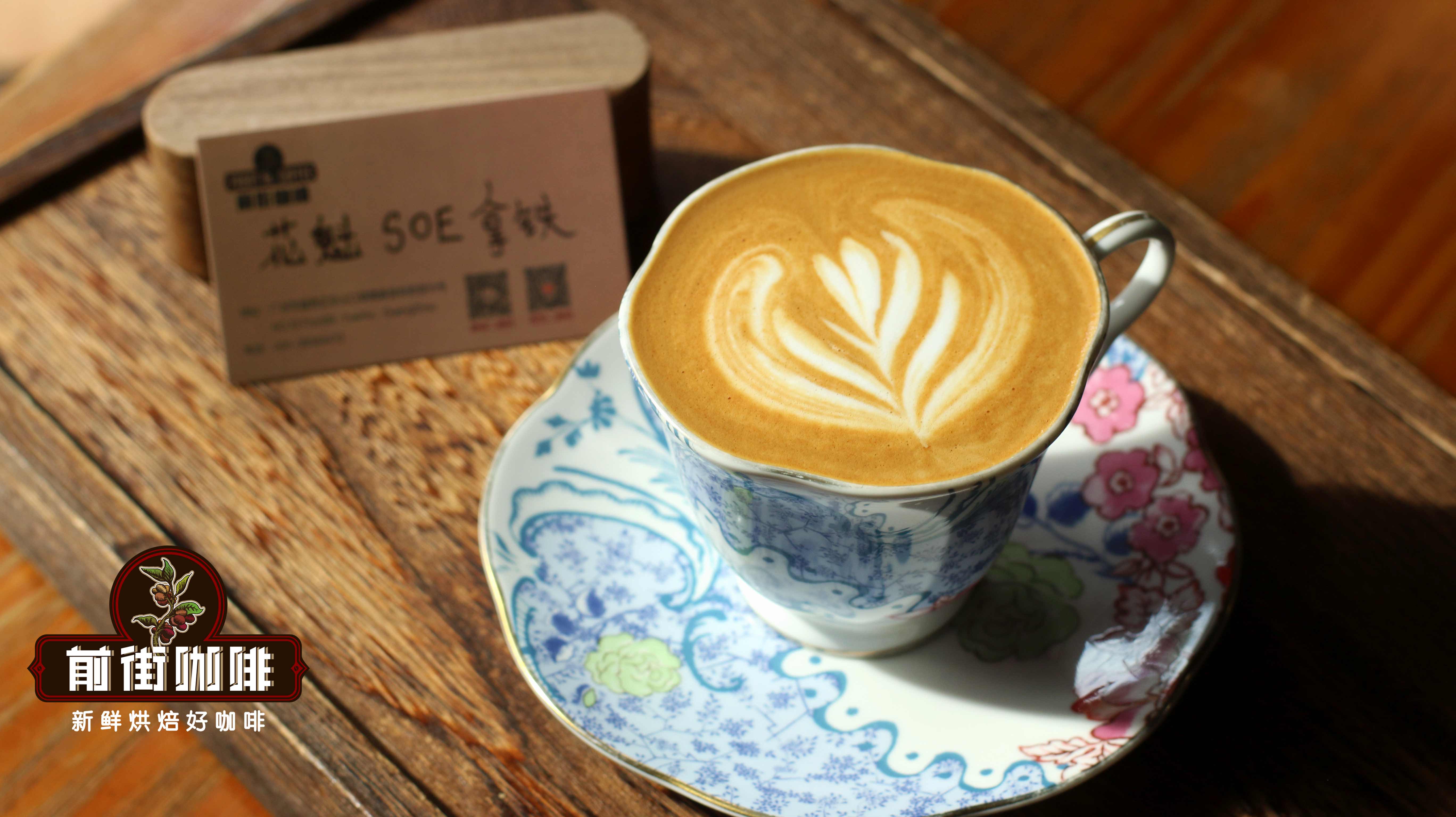
1. Front Street Yirgacheffe Natural Red Cherry SOE Coffee Beans
This Front Street Yirgacheffe Natural Red Cherry coffee bean already showed very high sweetness and a very rich fruity aroma when originally used for pour-over brewing. When used to extract espresso (the grind size needs to be adjusted), the crema on the surface is fine, the color is on the pale yellow side, and it smells of sweet berries. Sweet-and-sour berries interweave with caramel, and the mouthfeel is clean. When steamed hot milk is added, it presents a honey-like sweetness.
2. Front Street Natural Huakui SOE Coffee Beans
Natural Huakui is known for its rich creamy strawberry aroma and belongs to medium roasting. Extracted as SOE, it can present the characteristics of red berries, light floral notes, and orange. The taste is refreshing and the aroma is elegant, making it very suitable for making Huakui SOE Americano and Huakui SOE Flat White.
3. Front Street Costa Rica Mozart SOE Coffee Beans
Anaerobic honey processing allows the coffee beans to retain the mucilage layer for sealed fermentation before drying, maximizing the sweetness of the coffee beans. This Front Street Costa Rica Mozart coffee presents rich rose floral notes and the high sweetness of raisins when pour-over brewed. Extracted as SOE, it shows strong tropical fruit and fermented flavor notes.
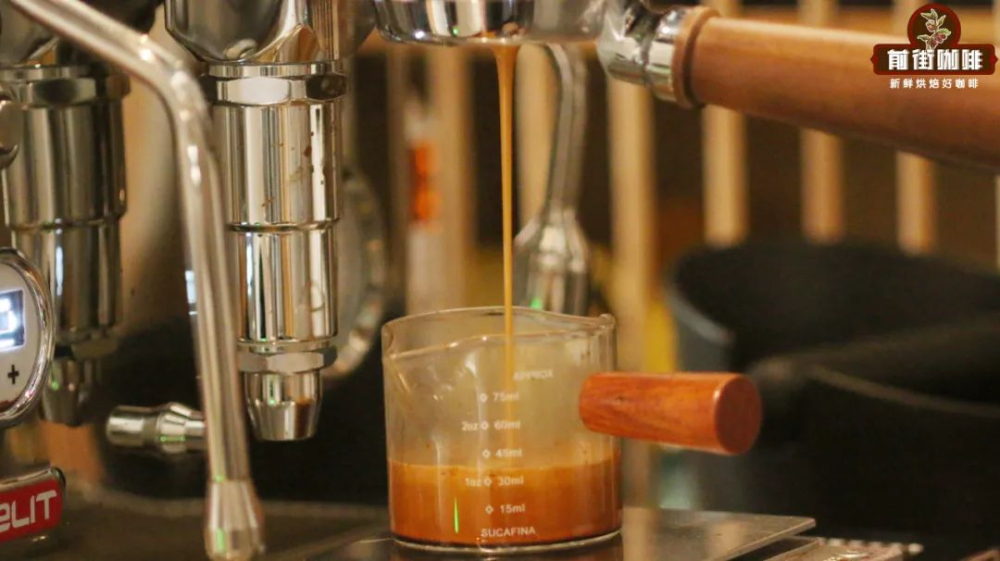
4. Front Street Brazil Queen's Farm SOE Coffee Beans
If none of the above is the flavor type you like, you might as well take a look at this Front Street Queen's Farm coffee bean from Brazil, a major coffee country. The medium-dark roast level gives the coffee strong nut, cream, and peanut aromas, with a sweet chocolate finish. The extracted SOE has beautiful rich crema, and it is also full of aroma when made into milk coffee.
The above content is compiled by CoffeeHunters, a coffee news website.


