







Can SOE Coffee Beans Be Used for Pour-Over?
Yes. SOE stands for Single Origin Espresso, espresso pulled from beans of one origin rather than a traditional Italian-style blend. Because the beans come from a single place, the cup shows that origin's recognizable flavor. The same beans also work for pour-over, though the grind, ratio, and water temperature need adjusting for the different brewing method.
SOE is not automatically better than blended coffee beans. It offers flavor clarity but demands precise roasting and extraction; blends gain balance and stability by combining origins. Front Street Coffee suggests beans such as Sun-Dried Red Cherry, Brazil Queen's Manor Yellow Bourbon, and Golden Mandheling for SOE, and notes that the choice depends on whether clarity or consistency matters more.
SOE is the abbreviation of Single Origin Espresso, that is, single-origin espresso, in contrast to traditional Italian-style blended coffee. As the specialty coffee wave advances, more and more cafés are adding SOE to their menus. It emphasizes highlighting the recognizable flavor of a particular origin, making it easier for consumers to connect with the place of origin. However, SOE is not absolutely superior to blends; each has its own suitable scenarios: SOE wins in flavor clarity, yet it places extremely high demands on roasting and extraction techniques; blends achieve balance and stability through complementary strengths. In this article, Front Street Coffee breaks down the definition, advantages, and difficulties of SOE in detail, compares it with Italian-style blended coffee beans, and recommends several coffee beans suitable for making SOE, including Sun-Dried Red Cherry, Brazil Queen's Manor Yellow Bourbon, and Golden Mandheling, and finally answers whether SOE coffee beans can be used for pour-over.
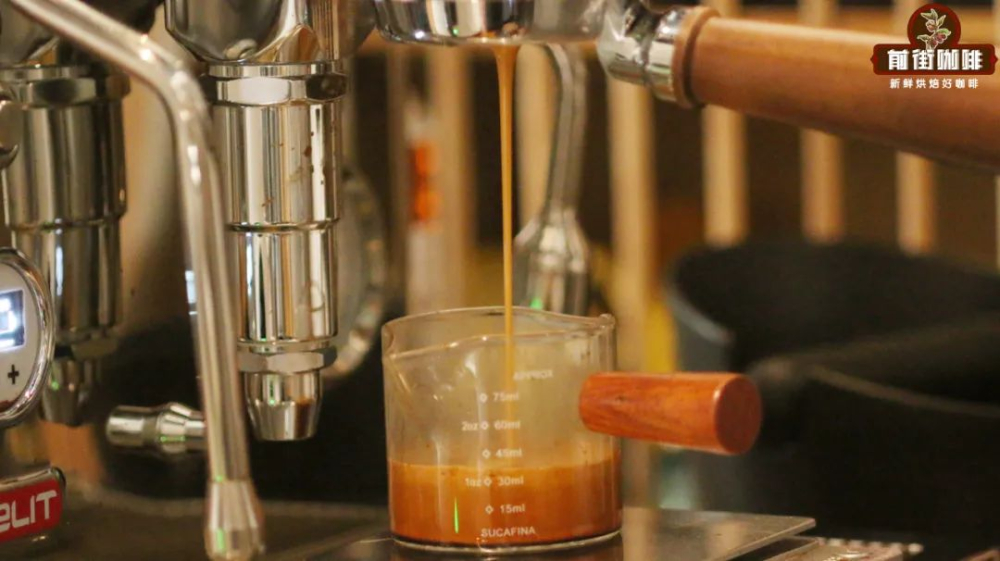
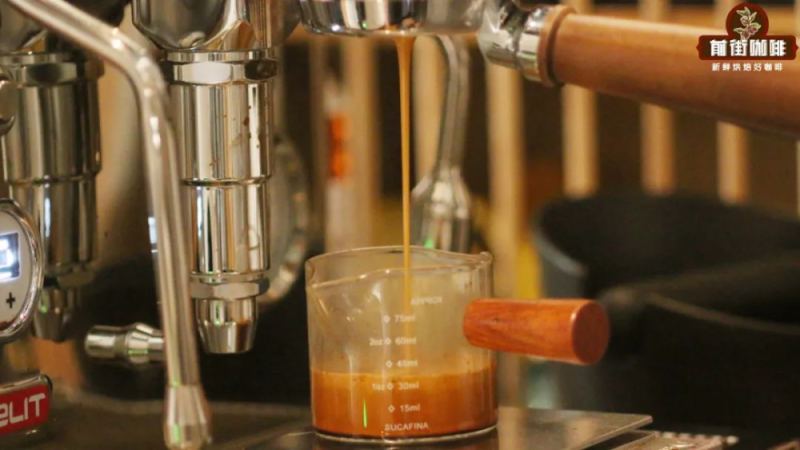
SOE refers to single-origin espresso, where origin means a single place of origin, while Blend represents blended coffee beans.
Front Street Coffee has noticed that more and more coffee shops are now adding an SOE option to their menus, so what exactly is SOE? Why do some baristas recommend SOE coffee? This article will explore it together with Front Street Coffee.
What is SOE?
SOE is the abbreviation of Single Origin Espresso, translated into Chinese as single-origin espresso. It emphasizes using coffee beans from the same origin to make espresso. This concept was put forward in contrast to traditional Italian-style blended coffee, with the aim of highlighting the characteristics of a single origin, making the flavor of that origin easier to recognize, and strengthening the connection between the origin and consumers.
The rise of SOE is closely related to the trend of specialty coffee. In the past, coffee production and export mostly operated under a commodity model, and the quality of coffee beans was difficult to guarantee consistently over the long term. If single-origin beans were used to extract espresso, excellent flavors could be fully displayed, but negative flavors would also be clearly exposed. Therefore, Italian-style blended coffee came into being, forming a balanced and stable flavor through the complementary strengths of coffee beans from different origins.
As specialty coffee continues to deepen, beans from some specialty coffee origins perform excellently and have high flavor recognizability, so using them as SOE can also deliver a unique experience. But Front Street Coffee needs to add that there is no distinction of superior or inferior between SOE and blended coffee. Choosing suitable beans for SOE can create astonishing flavors, while improper use can lead to poor results, so there is no need to over-pursue SOE. The key to the quality of the flavor performance of both lies in the quality and degree of match of the selected beans.
What are the advantages of SOE?
The biggest advantage of SOE lies in its single-origin characteristic. Baristas can use this factor to associate the coffee's taste with its origin, just as pour-over coffee brews single-origin beans. At the same time, because only one coffee bean is used, the taste is not as complex as a blend, and compared with a blend it has clearer flavor layers. For example, the difference between orange juice and mixed fruit juice is that single orange juice can better describe the taste of oranges, while mixed fruit juice makes it harder to explain all the fruit flavors clearly.
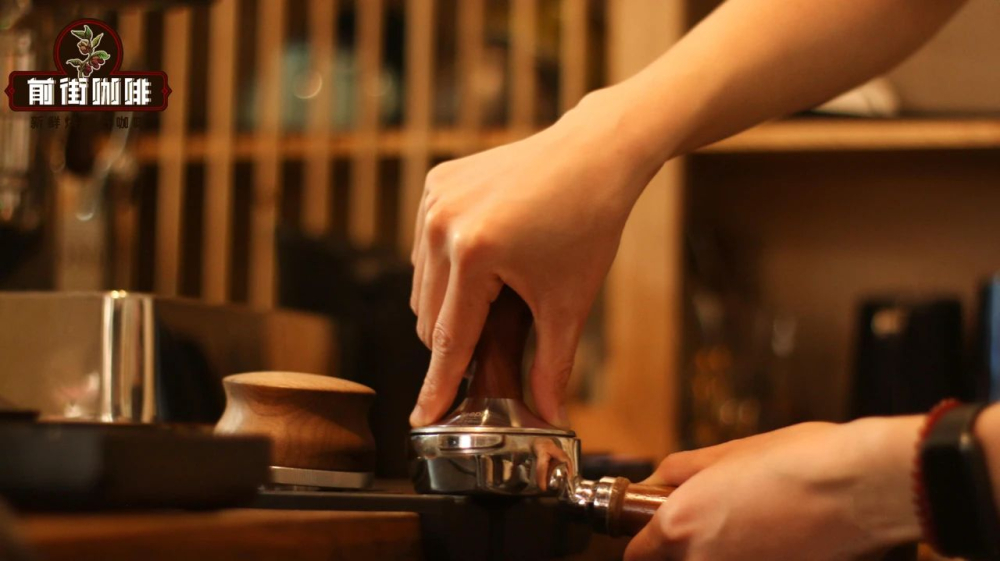
Therefore, many roasters choose coffee beans from origins with obvious and easily recognizable flavors to make SOE, such as sun-dried Ethiopia, washed Kenya, washed Colombia, and so on, all of which are common SOE coffee bean origins.
What are the difficulties of SOE?
Although SOE is now very common, looking only at the method, it seems very simple—just replace the blend with single-origin coffee beans—but is that really the case? Front Street Coffee believes that making SOE is simple, but extracting a delicious SOE is not simple; it can even be said to be difficult. Where is the difficulty? Just as its single-origin characteristic is meant to better present a clear flavor, this requires roasting and extraction to work in coordination.
In terms of roasting, to reflect the origin's flavor, the roast level cannot be too dark; once it is too dark, the origin's own flavor will be worn away completely. But it also cannot be too light, otherwise the acidity of the SOE espresso increases and causes imbalance, which increases the difficulty of extraction. In terms of extraction, continuous adjustment is needed to achieve the ideal state: first, coffee, as an agricultural product, differs from year to year and batch to batch; second, roasted coffee beans continuously release gas, and the pressure-based extraction of espresso is very sensitive to many factors, and the freshness of the coffee beans is also one of the factors affecting SOE extraction.
Because espresso magnifies the flavors in coffee, whether good or bad, and single-origin coffee comes from a single origin, its shortcomings are also relatively easy to magnify, so factors such as roast level and grind size will affect the flavor. Therefore, to make a delicious cup of SOE, certain requirements are placed on technique in all aspects. In this regard, blended coffee beans can show more stable performance.
The difference between SOE and Italian-style blended coffee beans
The superficial difference between the two is: SOE coffee highlights a single origin's flavor, while Italian-style blends maintain balance and stability, with more emphasis on the espresso itself. From this it follows that to make high-quality coffee with SOE, good-quality beans must be selected, which also makes SOE expensive per unit.
Blends also have grades. Some use single-origin-level beans for blending, and the resulting coffee is in no way inferior to SOE in flavor and price, just like
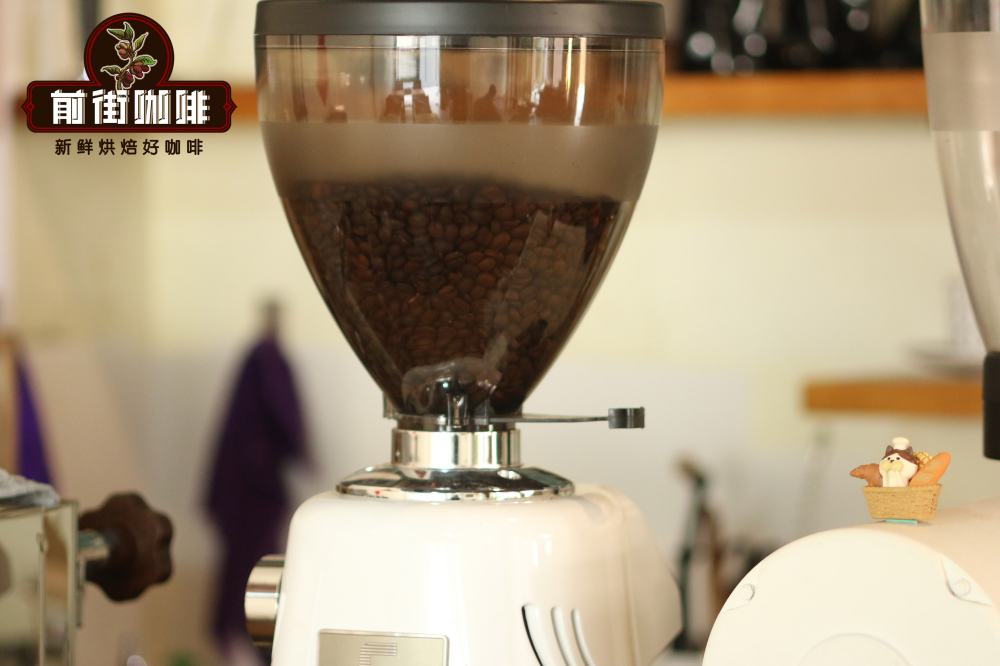
In roasting, SOE usually is not roasted too dark in order to highlight flavor, generally between first crack and second crack. Blends, however, focus on a balanced taste and are usually roasted darker.
What coffee beans are suitable for making SOE?
Fresh and sweet flavor: Front Street Coffee Sun-Dried Red Cherry is recommended. Yirgacheffe is the most common SOE recipe bean. This coffee comes from the Aletaland estate in Yirgacheffe, at an altitude of 1,700–2,200 meters, and is fully ripe-cherry sun-dried, with a very rich fruity sweetness and floral aroma. Front Street Coffee Red Cherry is known for its high quality during processing, reducing the common problem of a high defect rate in sun-dried coffee, while sun-dried Yirgacheffe is full of sweetness and brimming with berry notes, making it the best choice for SOE coffee.
Front Street Coffee Yirgacheffe Sun-Dried Red Cherry Coffee Beans
Origin: Yirgacheffe Aletaland Estate
Altitude: 1,700–2,200 meters
Variety: Heirloom local native variety
Processing method: Sun-dried
Nutty and balanced flavor: Buy Front Street Coffee Brazil Queen's Manor Yellow Bourbon. This is one of the few coffees produced under the Brazilian estate model, with a good full body and the sweet flavor of nuts and sucrose. It is very stable for producing SOE. It performs exceptionally well in mouthfeel, paired with the notes of almond, walnut, and sucrose.
Front Street Coffee Brazil Queen's Manor Coffee Beans
Origin: Brazil Mogiana region
Altitude: 1,400–1,900 meters
Variety: Yellow Bourbon
Processing method: Semi-washed
Rich and non-acidic flavor: You can try Front Street Coffee. Front Street Coffee PWN Golden Mandheling SOE coffee beans are one of the most famous specialty coffees in Asia. During production, Front Street Coffee Golden Mandheling SOE undergoes three rounds of hand sorting + one round of machine sorting, and the coffee beans are uniform and bright. After medium-dark roasting, the beans are large and carry rich aromas of spices, caramel, cedar, and dark chocolate. The coffee liquid extracted with a moka pot has a full body and good crema, making it very suitable for friends who do not like acidic coffee.
Front Street Coffee Indonesia Golden Mandheling Coffee Beans
Origin: Indonesia Sumatra Gayo region
Altitude: 1,600 meters
Variety: Ateng
Processing method: Wet-hulled
Can SOE coffee beans be used for pour-over?
In recent years, as specialty coffee has continued to be emphasized, high-quality single-origin coffee has also been singled out and added to the mainstream of espresso coffee, becoming a new trend. However, before SOE became popular, single-origin coffee beans in coffee shops were all produced as pour-over, so higher-quality SOE coffee beans can certainly be used for pour-over.
Front Street Coffee believes that as long as the parameters are suitable, pour-over coffee made with SOE coffee beans can present the unique flavor characteristics of the origin and rich layers.
The above content is compiled by CoffeeHunters, a coffee news website.


