







How Do SOE Coffee Beans Differ from Blends?
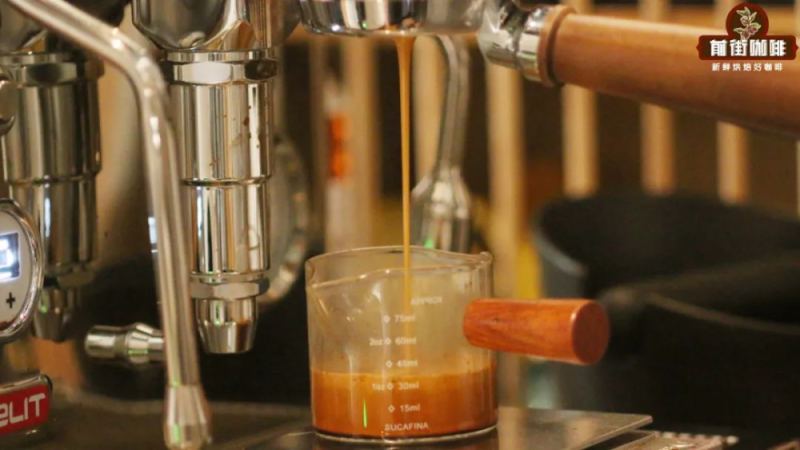
SOE stands for Single Origin Espresso, espresso pulled from beans of one origin rather than a blend. The approach highlights the character of a single producing region, making origin flavors easier to identify in the cup. Blended coffee beans combine two or more origins to build a balanced, stable profile, which is the logic behind traditional Italian espresso.
Single-origin espresso exposes flaws as clearly as it exposes strengths, so roasters adjust roast profiles and baristas adjust extraction accordingly. Beans suited to SOE span several directions, from bright and sweet to nutty and balanced to full-bodied with low acidity, and good SOE beans can also be used for pour-over brewing.
SOE stands for Single Origin Espresso, and it differs noticeably from traditional Italian blends in flavor logic, roasting orientation, and extraction difficulty. From the perspective of Front Street, this article sorts out the definition, advantages, and production challenges of SOE, compares it with blended coffee beans, and offers specific SOE bean suggestions for three flavor directions—fresh sweetness, nutty balance, and full-bodied acidity-free—such as Front Street sun-dried Red Cherry, Brazil Queen Farm Yellow Bourbon, and PWN Golden Mandheling. It also answers whether high-quality SOE coffee beans can be used for pour-over, helping coffee enthusiasts gain a more comprehensive understanding of the relationship between single-origin espresso and pour-over.
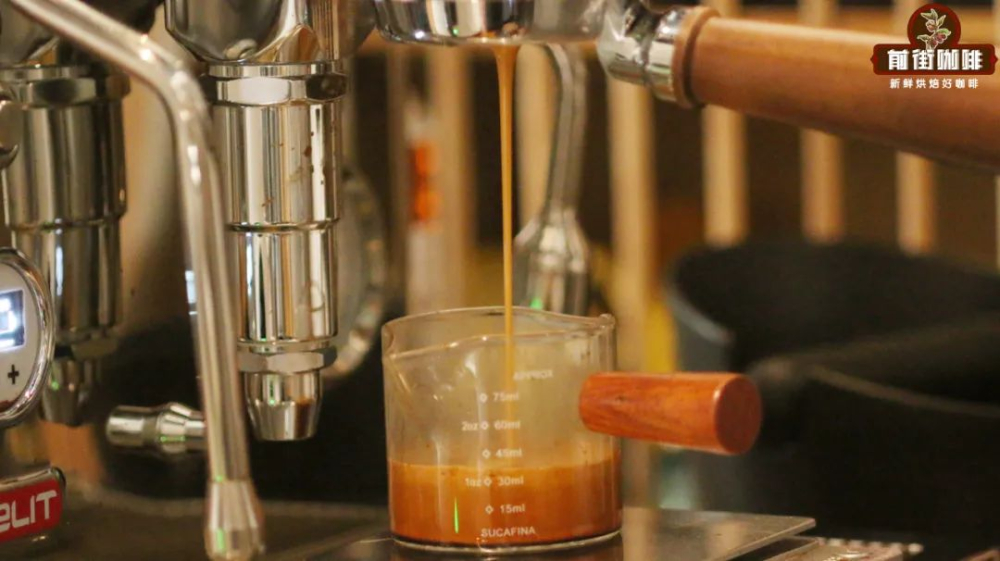
SOE refers to single-origin espresso, where "origin" emphasizes a single-origin source, while "Blend" represents blended coffee beans. Front Street has noticed that more and more coffee shops now include an SOE option on their menus, so what exactly does SOE mean? Why do some baristas actively recommend SOE coffee? Next, Front Street will explore the reasons with everyone.
What is SOE?
SOE is the abbreviation of Single Origin Espresso, which can be understood in Chinese as single-origin espresso. It emphasizes using coffee beans from the same origin to make espresso. This concept was proposed in contrast to traditional Italian blended coffee, with the focus on highlighting the characteristics of a single origin, making the flavor of that region easier to identify and easier to connect between the origin and consumers.
The popularity of SOE is inseparable from the trend of coffee specialization. In the past, coffee production and export mostly operated on a commodity model, and coffee bean quality lacked stable guarantees for a long time. If single-origin coffee beans are used to extract espresso, excellent flavors will be clearly presented, but equally obvious negative flavors will also be exposed. For this reason, Italian blended coffee emerged, using carefully matched coffees from different origins to complement each other and form a balanced and stable flavor.
As coffee specialization continues to advance, beans from some specialty coffee origins perform outstandingly and have high flavor recognition, so using them for SOE can also reveal unique character and bring another kind of experience. However, Front Street would like to add that there is no distinction of superior or inferior between SOE and blended coffee. SOE can create amazing flavors when the right beans are chosen, but if used improperly, it can be another story. Therefore, there is no need to overly praise SOE. Whether the flavor performance is good or bad ultimately depends on the quality and suitability of the selected beans.
What are the advantages of SOE?
The biggest advantage of SOE lies in its single-origin attribute. Baristas can use the single-origin factor to connect coffee flavor with its origin, just like brewing single-origin beans with pour-over. At the same time, because only one coffee bean is used, the flavor is not as complex as a blend, and compared with blends it has clearer flavor layers. It can be understood through orange juice and mixed fruit juice: single orange juice can more directly describe the taste of orange, while mixed fruit juice makes it harder to clearly explain all the fruit flavors it contains.
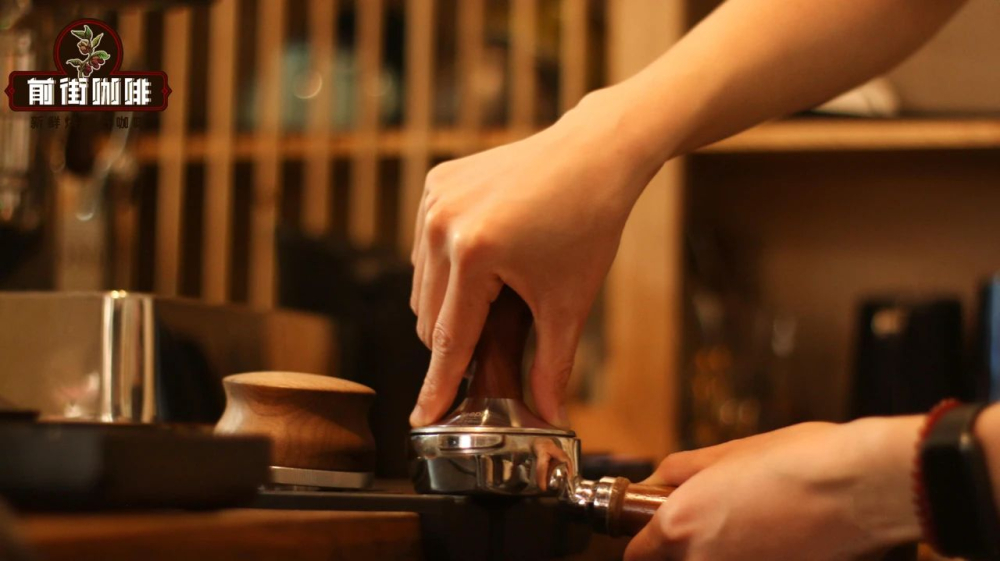
Therefore, many roasters choose coffee beans from origins with obvious and easily recognizable flavors to make SOE, such as sun-dried Ethiopia, washed Kenya, and washed Colombia, all of which are relatively common SOE coffee bean origins.
What are the difficulties of SOE?
Although SOE is now very common and sounds simple to make—nothing more than replacing blended beans with single-origin coffee beans—is it really that simple? Front Street believes that making SOE is simple, but extracting a delicious cup of SOE is not simple; it can even be said to be difficult. Where is the difficulty? Just as its single-origin characteristic is intended to better present a clearer taste, this requires roasting and extraction to work together.
In terms of roasting, in order to reflect the flavor of the coffee origin, the roast level cannot be too dark; once it is too dark, the origin's own flavor will be worn away. But it also cannot be too light, because too light will increase the acidity of the SOE espresso and cause imbalance, which in turn increases extraction difficulty. In terms of extraction, continuous adjustment is needed to achieve the ideal state. On the one hand, coffee is an agricultural product, and every batch differs each year; on the other hand, roasted coffee beans continue to degas, and the pressurized extraction of espresso is very sensitive to many factors, with bean freshness also being one factor affecting SOE extraction.
Because espresso amplifies the flavors in coffee, whether good or bad, and single-origin coffee comes from a single origin, its shortcomings are also relatively easy to amplify, and factors such as roasting and grind size will affect the flavor. Therefore, wanting to make a delicious SOE places certain demands on skills in all aspects. In this regard, blended coffee beans can perform more consistently.
The difference between SOE and Italian blended coffee beans
The superficial difference between the two is: SOE coffee highlights the coffee flavor of a single origin, while Italian blends maintain balance and stability and focus more on espresso itself. The resulting issue is that if SOE wants to make high-quality coffee, it must use good-quality coffee beans, which also causes the high unit price of SOE.
Blended coffee also has grades. Some are blended using single-origin-level beans, and the resulting coffee is in no way inferior to SOE in flavor and price, just like
In roasting, SOE usually is not roasted too dark in order to highlight flavor, generally between first crack and second crack. Blended coffee, with its focus on a balanced mouthfeel, is usually roasted darker.
What coffee beans are suitable for making SOE?
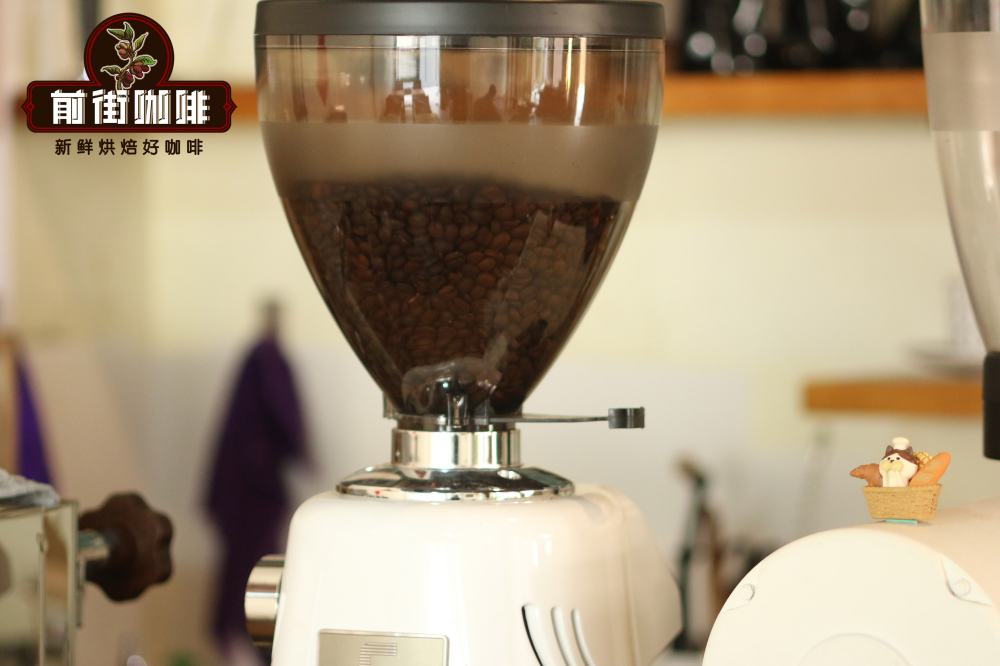
Fresh sweet flavor: Front Street Sun-Dried Red Cherry is recommended. Yirgacheffe is the most common SOE recipe bean. This coffee comes from the Aletaland estate in Yirgacheffe, at an altitude of 1,700–2,200 meters, and is fully red-cherry sun-dried, with very rich fruit sweetness and floral aroma. Front Street Red Cherry is known for high quality during processing, reducing the common problem of high defect rates in sun-dried coffees, and the sun-dried Yirgacheffe is full of sweetness and berry notes, making it the best choice for SOE coffee.
Front Street Yirgacheffe Sun-Dried Red Cherry Coffee Beans
Origin: Yirgacheffe Aletaland Estate
Altitude: 1,700–2,200 meters
Variety: Heirloom local native species
Processing method: Sun-dried
Nutty balanced flavor: Buy Front Street Brazil Queen Farm Yellow Bourbon. This is one of the few coffees produced in the Brazilian estate model, with a good full-bodied mouthfeel and sweet nut and sucrose flavors. It is very stable for producing SOE. It performs excellently in mouthfeel, with the charm of almond, walnut, and sucrose.
Front Street Brazil Queen Farm Coffee Beans
Origin: Brazil Mogiana region
Altitude: 1,400–1,900 meters
Variety: Yellow Bourbon
Processing method: Semi-washed
Full-bodied acidity-free flavor: You can try Front Street. Front Street PWN Golden Mandheling SOE coffee beans are one of the most famous specialty coffees in Asia. During production, Front Street Golden Mandheling SOE undergoes three rounds of hand sorting plus one round of machine sorting. The coffee beans are uniform and translucent. After medium-dark roasting, the beans are large and carry rich aromas of spices, caramel, cedar, and dark chocolate. The coffee liquid extracted with a moka pot is full-bodied and has good crema, making it very suitable for friends who do not like acidic coffee.
Front Street Indonesia Golden Mandheling Coffee Beans
Origin: Indonesia Sumatra Gayo region
Altitude: 1,600 meters
Variety: Ateng
Processing method: Wet-hulled
Can SOE coffee beans be used for pour-over?
In recent years, as coffee specialization has continued to be emphasized, high-quality single-origin coffee has also been singled out and added to the mainstream of espresso coffee, becoming a new trend. However, before SOE became popular, single-origin coffee beans in coffee shops were all produced in pour-over form, so higher-quality SOE coffee beans can certainly be used for pour-over.
Front Street believes that as long as the parameters are suitable, pour-over coffee made from SOE coffee beans can present the unique flavor and rich layering of the origin.
The above content is compiled by CoffeeHunters, a coffee news website.


