







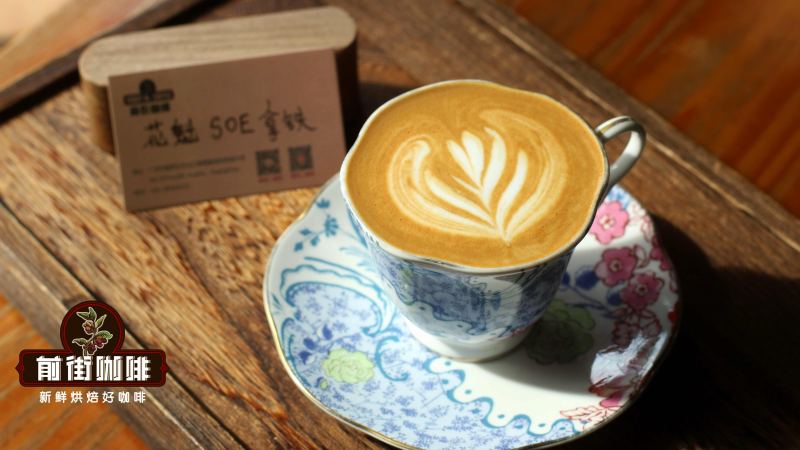
What separates SOE coffee from single-origin coffee?
SOE coffee, short for single-origin espresso, is one lot pulled as espresso on its own rather than blended with other origins. Single-origin coffee can be brewed any way, filter or espresso, so the two overlap. The difference is intent: SOE is dialed in for espresso extraction, while a single origin may be roasted for drip.
Roasters often develop SOE lots slightly darker to handle nine bars of pressure, and roasters pick beans with enough body and sweetness to stand alone. Front Street's approach follows that logic, matching each lot's roast profile to how it will be brewed.
In recent years, SOE (Single Origin Espresso) has gained increasing attention in the specialty coffee world. It refers to espresso made from coffee beans of a single origin, sharing the core concept of "single origin" with single-origin coffee, yet differing greatly in preparation method and roasting approach. Single-origin coffee is mostly presented as pour-over, while SOE requires extraction through an espresso machine at a pressure of 9 bars or more. This article will analyze the similarities and differences between SOE and single-origin coffee from the perspectives of definition, roasting strategies, and recipe trends, and, using Front Street Coffee's bean list as examples, explore the new demands SOE places on roasting craft and the expression of specialty coffee.
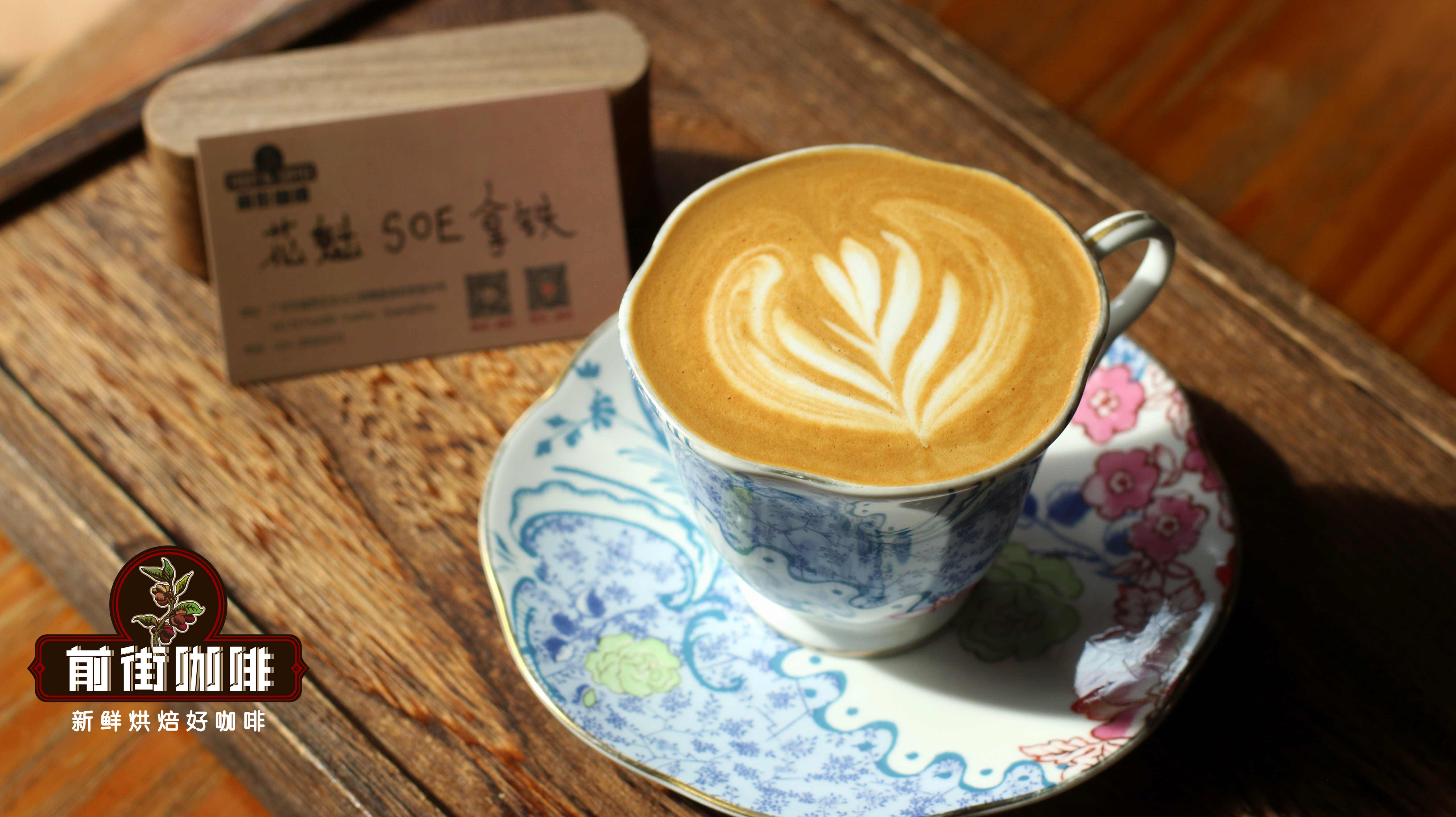
SOE is the abbreviation of single origin espresso, meaning espresso extracted from beans of the same coffee origin. The greatest common ground between single-origin coffee and SOE lies in the core concept of "single origin."
Typically, single-origin coffee in cafés is presented as pour-over, while SOE relies on an espresso machine for extraction, undergoing the baptism of 9 bars of pressure. Today, more and more "Single Origin" espresso recipes are winning consumers' favor.
SOE coffee ultimately integrates into the espresso system, so judging whether a bean can be considered a successful SOE after roasting requires not only cupping but also evaluating whether the final espresso meets espresso production standards. The popularity of simplified recipes shows that consumers have come to accept that good coffee is a product with seasonal flavors, which is also an important criterion for evaluating SOE.
Specialty coffee
Roasters no longer need to stack more than seven, or even over ten, types of green beans to maintain a recipe's flavor richness and consistency. With fewer components, whenever one "part" is replaced, the overall flavor profile changes significantly. Stability and consistency of taste are no longer prioritized; consistency of "concept" is what matters—faithfully presenting seasonal flavors while keeping the finished espresso blend under the same "concept." This is precisely the new blending trend for espresso beans.
The popularity of SOE has made people realize that only sufficiently exciting good beans can more perfectly showcase coffee flavors. Espresso recipes need not be complex; through simple yet clever combinations, they can achieve complementary and synergistic effects.
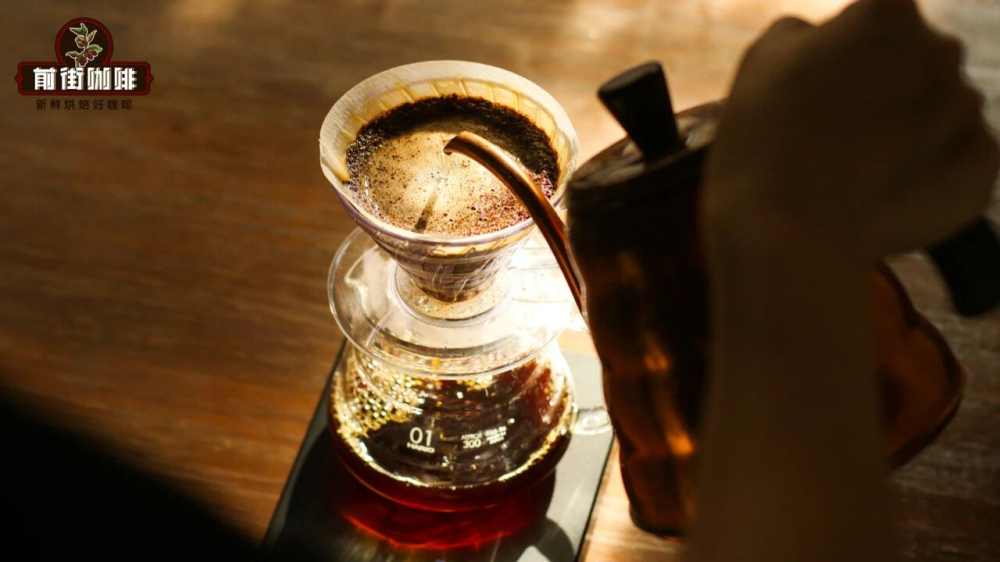
In Front Street's view, many excellent SOEs are no less impressive than single-origin coffees. The coffee beans used for SOE and those for pour-over differ greatly in roasting method, which is both a pursuit of roasting craft and a further expression of specialty coffee. Since espresso machines operate at pressures above 9 bars, and espresso extraction also involves near-boiling water and extremely fine coffee grounds, the roast level of SOE beans must not be too light, otherwise splattering and a sour, astringent taste can occur; nor too dark, otherwise the origin flavors will be masked.
If it is a single-origin coffee dominated by floral and fruity notes, a lighter roast level is usually adopted, and the SOE flavor manifests as the bright sweet-tartness of various fruits. For example, the sun-dried Huakui coffee beans on Front Street's bean list carry the sweet-tart taste of strawberry and passion fruit.
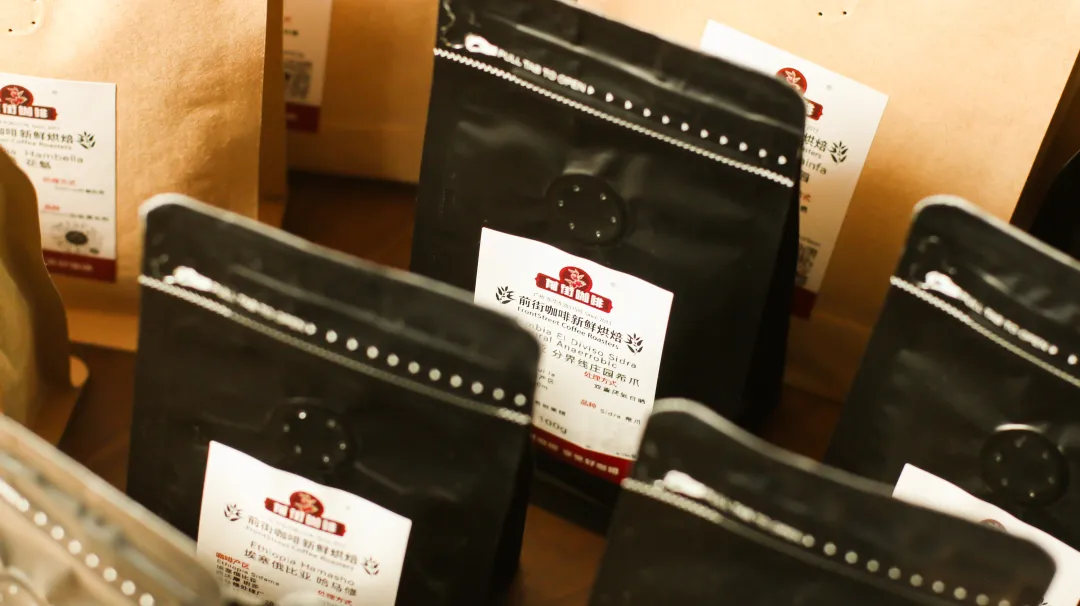
When choosing single-origin coffee beans with chocolate and nut notes, a slightly darker roast level is used, and the resulting espresso carries a rich roasted hazelnut aroma. For example, Front Street · Brazil Queen Estate coffee beans present the sweet fragrance of creamy peanut and dark chocolate.
The above content is compiled by CoffeeHunters, a coffee news website.


