







For more specialty coffee knowledge, please follow: Front Street Coffee (Frontsteet Coffee)
SOE is single-origin espresso, where "origin" refers to a single origin, while "Blend" means blended coffee beans.
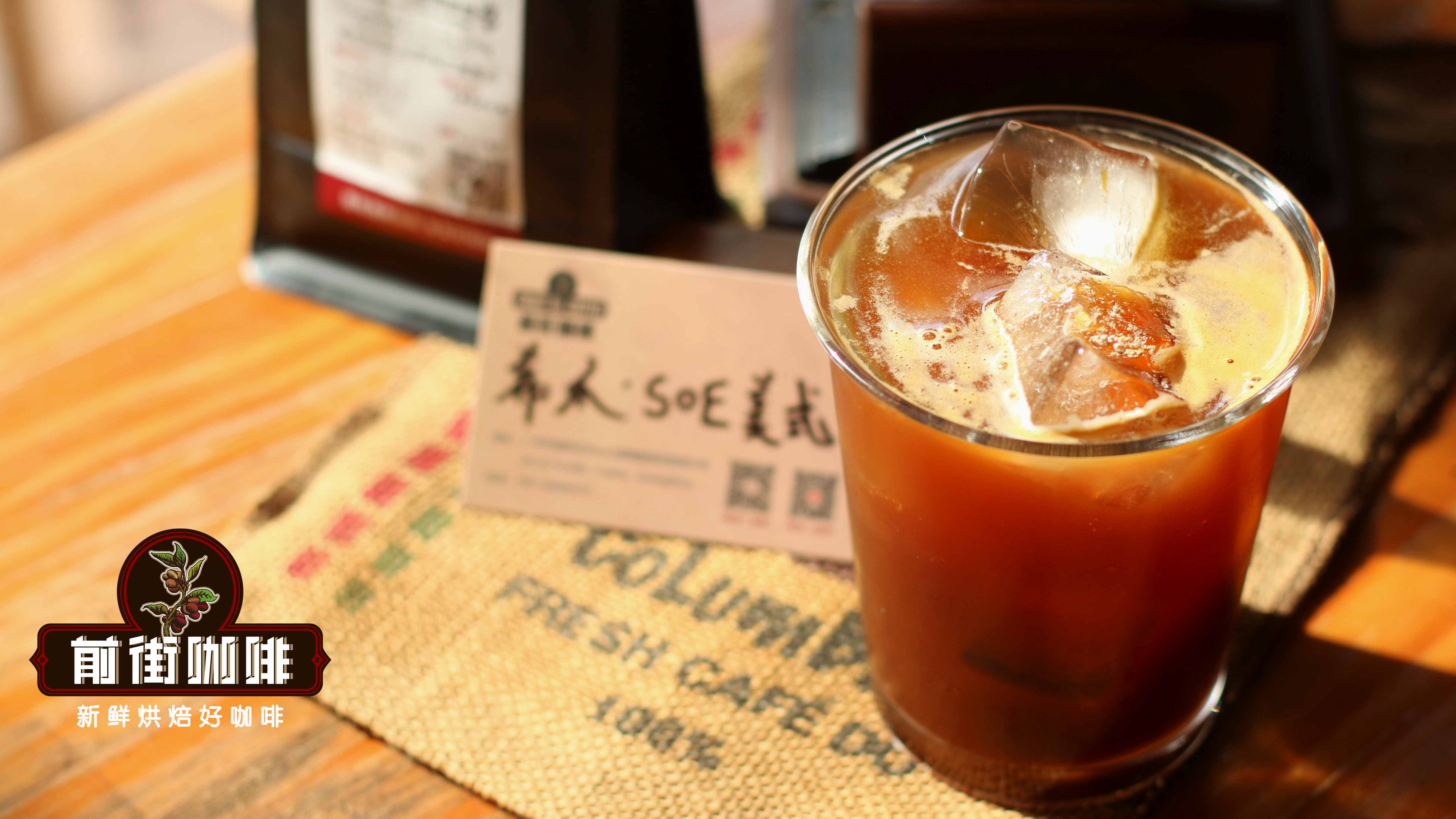
Front Street Coffee has noticed that more and more coffee shops now include an SOE option on their menus. So what exactly is SOE? Why do some baristas recommend SOE coffee? In this article, Front Street takes you to find out.
What is SOE?
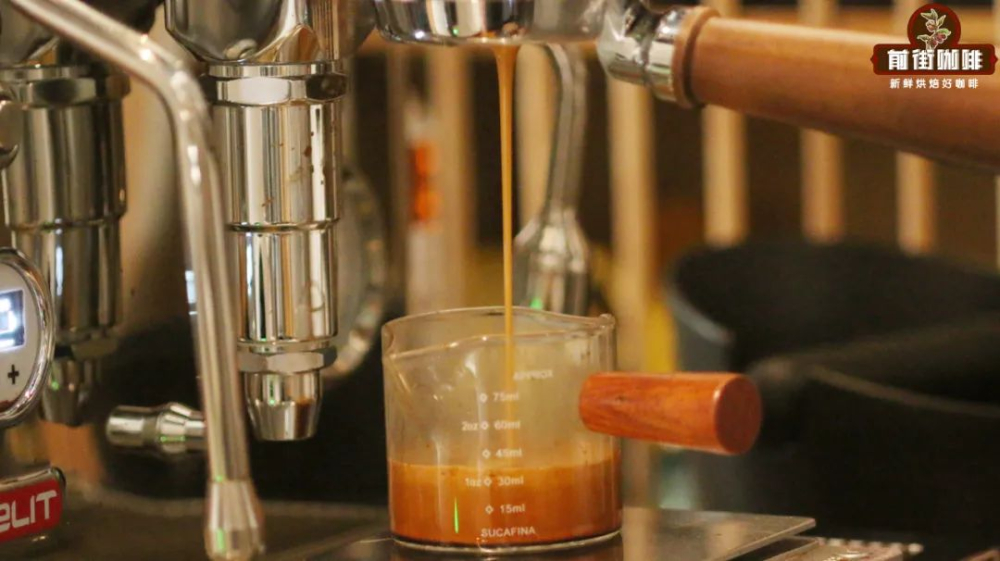
SOE is actually the abbreviation of Single Origin Espresso, which translates to: single-origin espresso. That is, an espresso that emphasizes a single origin and is made with it. This term is relative to traditional Italian blended coffee, emphasizing the characteristics of single-origin espresso and making it easier to identify the flavor profile of that origin, and making it easier to strengthen the connection between the origin and consumers.
The rise of SOE is also closely related to the trend toward specialty coffee. In the past, coffee production and export followed a commodity model, and the quality of coffee beans could not be well guaranteed for a long time. Therefore, if espresso were extracted from coffee beans of a single origin, good flavors would be expressed very well, but negative flavors would also be clearly exposed to the same degree. Thus Italian blended coffee emerged, using the strengths of coffees from different origins to complement each other and form a balanced and stable flavor.
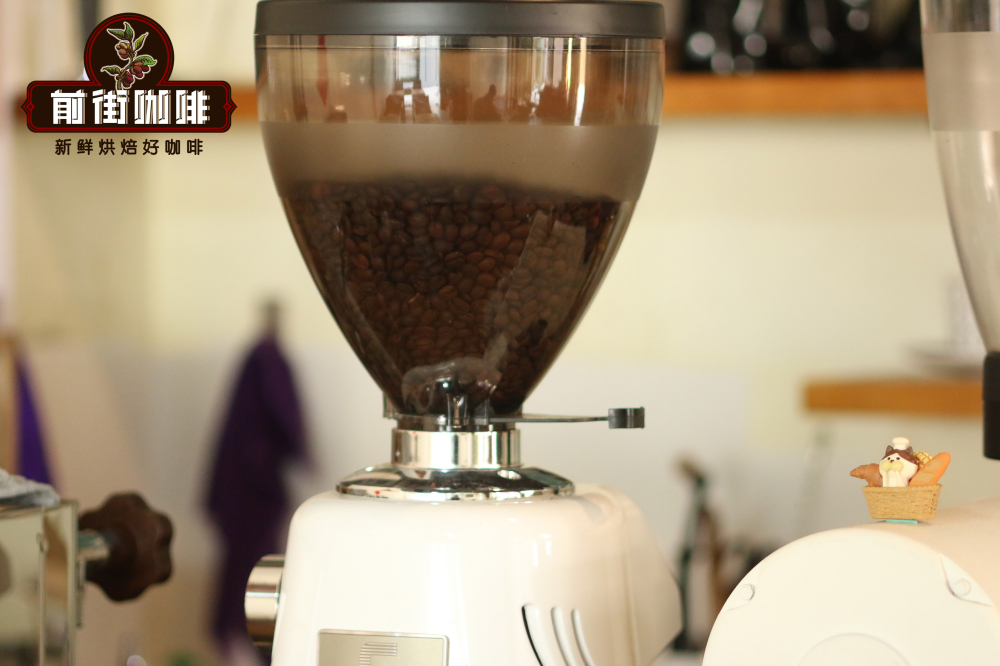
As the process of specialty coffee deepened, some coffees from specialty coffee origins performed excellently and had clearly recognizable flavors, so when used as SOE, their unique flavors could also be tasted, offering a different experience. But Front Street adds that SOE and blended coffee are not inherently superior or inferior to each other. SOE made with suitable beans can create amazing flavors, but if used improperly, it can be another story entirely. Therefore, there is no need to overly praise SOE. The key to the flavor performance of both lies in the quality and suitability of the selected beans.
What are the advantages of SOE?
The biggest advantage of SOE is none other than its single-origin characteristic. Baristas can connect the taste of the coffee with the origin through this single-origin factor, just as with pour-over coffee brewing single-origin coffee. At the same time, because there is only one type of coffee bean, the taste is not as complex as a blend; that is, compared with a blend, it has clearer flavor layers (the difference between orange juice and mixed fruit juice: a single orange juice can better describe the taste of oranges, but mixed fruit juice makes it difficult to describe all the fruit flavors it contains).
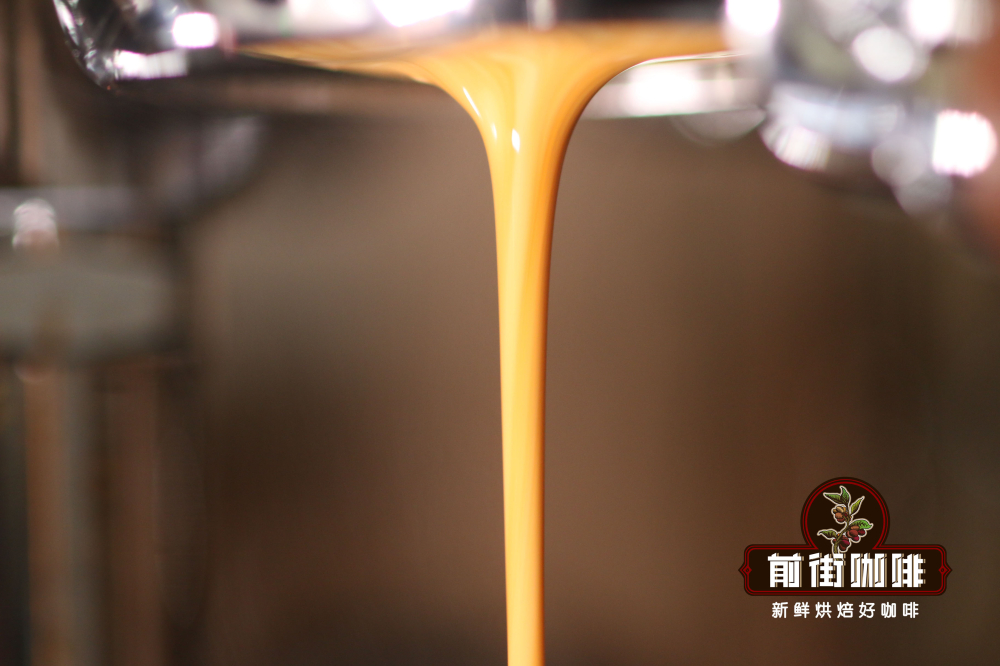
Therefore, many roasters choose coffee beans from origins with relatively obvious and easy-to-identify flavors to roast as SOE, such as naturally processed Ethiopian, washed Kenyan, washed Colombian, and so on. These are all relatively common SOE coffee bean origins.
What is difficult about SOE?
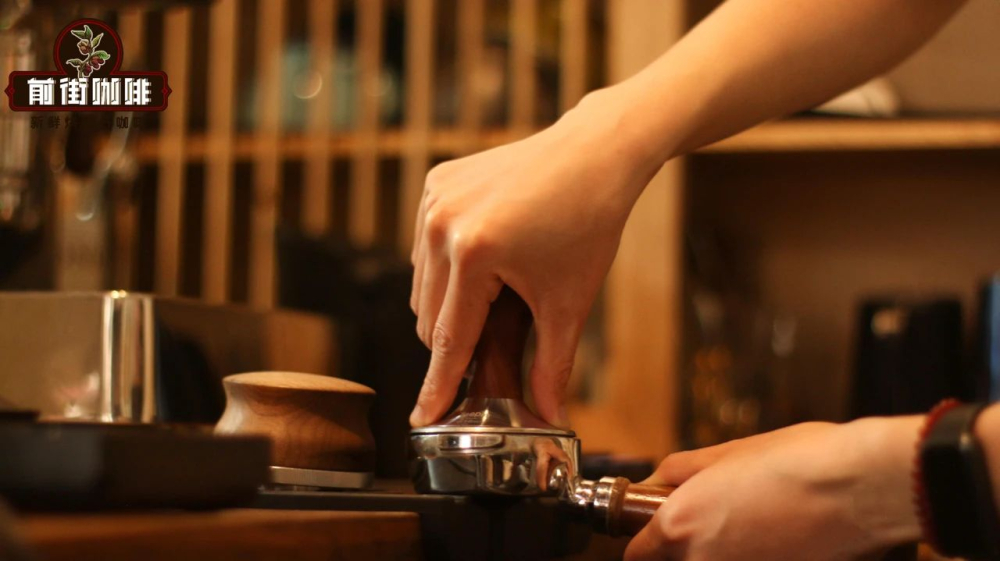
Although SOE is now very common and sounds very simple in method: you only need to switch the coffee beans from a blend to single-origin coffee beans, is it really that simple? Front Street Coffee believes that making SOE is simple, but extracting a delicious SOE is not simple; it can even be said to be difficult. Where is the difficulty? Just as with its single-origin characteristic, the goal is to better present a clearer taste, and this requires the combination of roasting and extraction.
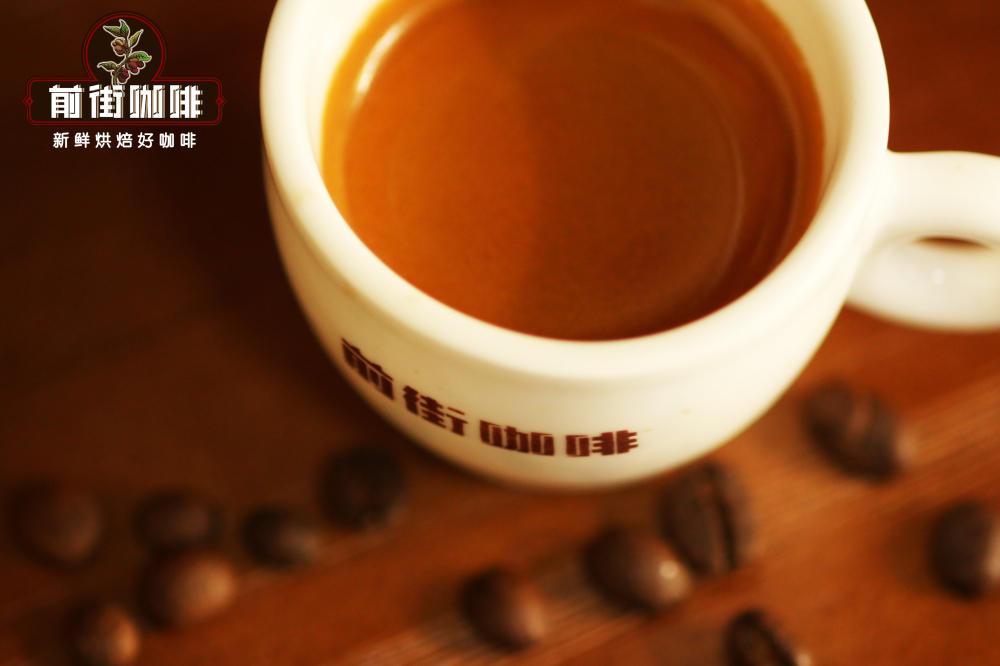
In terms of roasting, because the flavor of the coffee origin needs to be expressed, the roast level cannot be too dark. Once it is too dark, the origin's own flavors will be worn away completely. But it also cannot be too light, as this will increase the acidity of the SOE espresso and cause imbalance, which increases the difficulty of extraction. In terms of extraction, continuous adjustment is needed to achieve the ideal state. First, coffee is an agricultural product, and each batch of coffee differs every year. Second, roasted coffee beans release gas after roasting, and the pressurized extraction of espresso is also very sensitive to many factors, while the freshness of the coffee beans is also a factor affecting SOE extraction.
Because espresso amplifies the flavors in coffee, whether good or bad, and single-origin coffee comes from a single origin, its shortcomings are also relatively easy to amplify. Therefore, factors such as roasting and grind size will all affect the flavor. So if you want to make a delicious cup of SOE, you need certain requirements in all aspects of technique. In this respect, blended coffee beans can deliver a more stable performance.

The difference between SOE and Italian blended coffee beans
On the surface, the difference between the two is that SOE coffee highlights the coffee flavor of a single origin, while Italian blends maintain balance and stability, with more emphasis on the espresso itself. The SOE-derived requirement that high-quality coffee beans must be selected to make excellent coffee also explains why SOE has a high unit price.
Blended coffee also has different grades. Some blends use single-origin-level beans, and the resulting coffee is not inferior to SOE at all in flavor or price, such as Front Street Coffee's Sunflower Warm Sun blend, which uses specialty-grade Yirgacheffe Natural Red Cherry and Honduras Sherry. There are also blended coffees that focus on price advantage and balanced taste, usually using Brazil, Yunnan, or Robusta beans as the base.
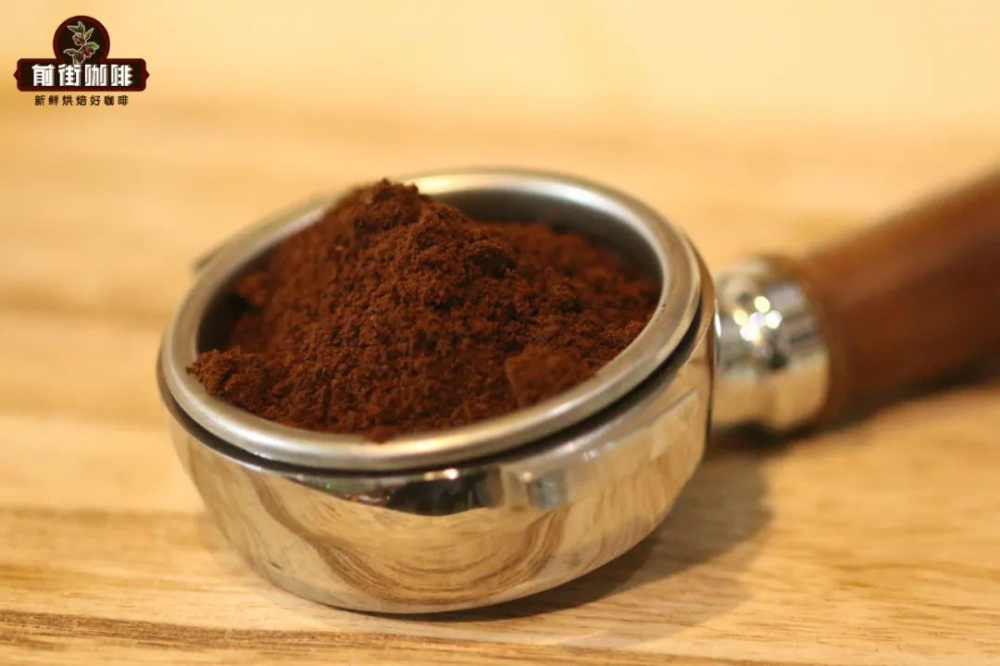
In roasting, SOE usually is not roasted too dark in order to highlight flavor, generally between first crack and second crack. Blended coffee, focusing on a balanced taste, is usually roasted darker.
What coffee beans are suitable for making SOE?
Fresh and sweet flavor: Front Street Coffee recommends using Yirgacheffe Natural Red Cherry. Yirgacheffe is the most common SOE recipe bean. This coffee comes from the Yirgacheffe Aletaland Estate, at an altitude of 1,700-2,200 meters, and is fully red-cherry naturally processed, with very rich fruit sweetness and floral fragrance.
Because this bean comes from the Red Cherry Project initiated by a Dutch green bean company, it is known for high quality during processing, reducing the common problem of a high defect rate in traditional natural processing. The naturally processed Yirgacheffe is full of sweetness and rich in berry notes, making it the best choice for making SOE coffee.
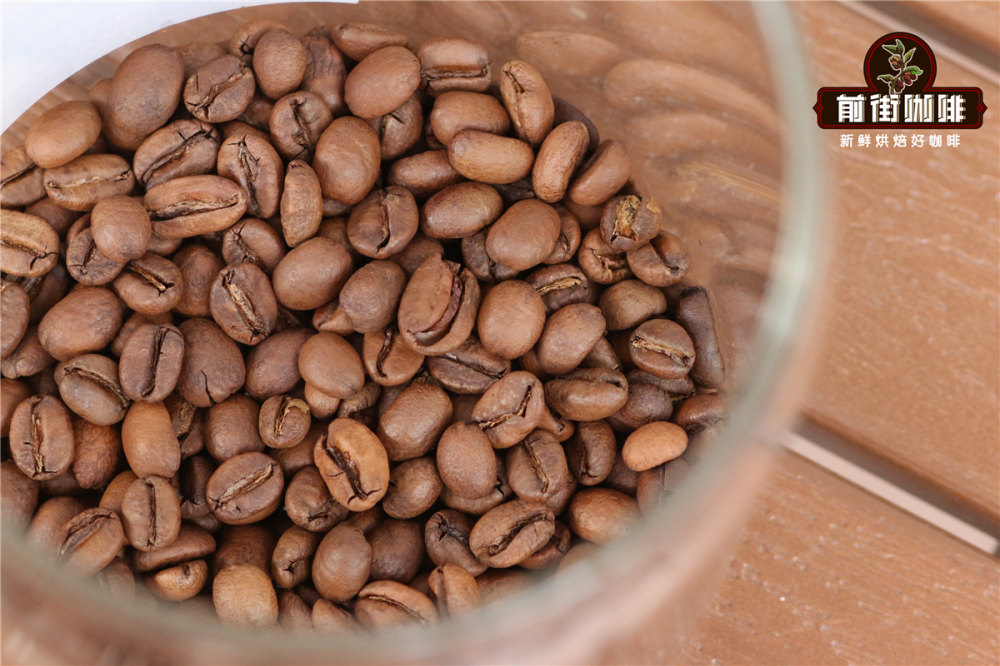
Front Street Coffee — Yirgacheffe Natural Red Cherry Coffee Beans
Origin: Yirgacheffe Aletaland Estate
Altitude: 1,700-2,200 meters
Variety: Heirloom local native species
Processing method: Natural processing
Winey and fruity flavor: Front Street Colombia Sidra coffee is recommended; simply place an order directly through the Front Street Taobao store or Front Street Tmall flagship store. This coffee comes from Finca La Divisoria in the Huila region, grown at an altitude of 1,700 meters, and uses double anaerobic natural processing. It has very rich grape, passion fruit, and citrus flavors. Made into an SOE Sidra Americano, it has a refreshing and clear grape juice profile, cool and pleasant.
Front Street Coffee — Colombia Sidra Coffee Beans
Origin: Colombia Finca La Divisoria
Altitude: 1,700 meters
Variety: Sidra
Processing method:Double anaerobic natural processing
Balanced and full-bodied flavor: Front Street recommends using Brazil Queen Estate Yellow Bourbon. This is one of the few coffees produced in the Brazilian estate model, with a good full-bodied mouthfeel and sweet nutty and cane sugar flavors. It is very stable for producing SOE. It performs excellently in mouthfeel, paired with almond, walnut, and cane sugar notes.
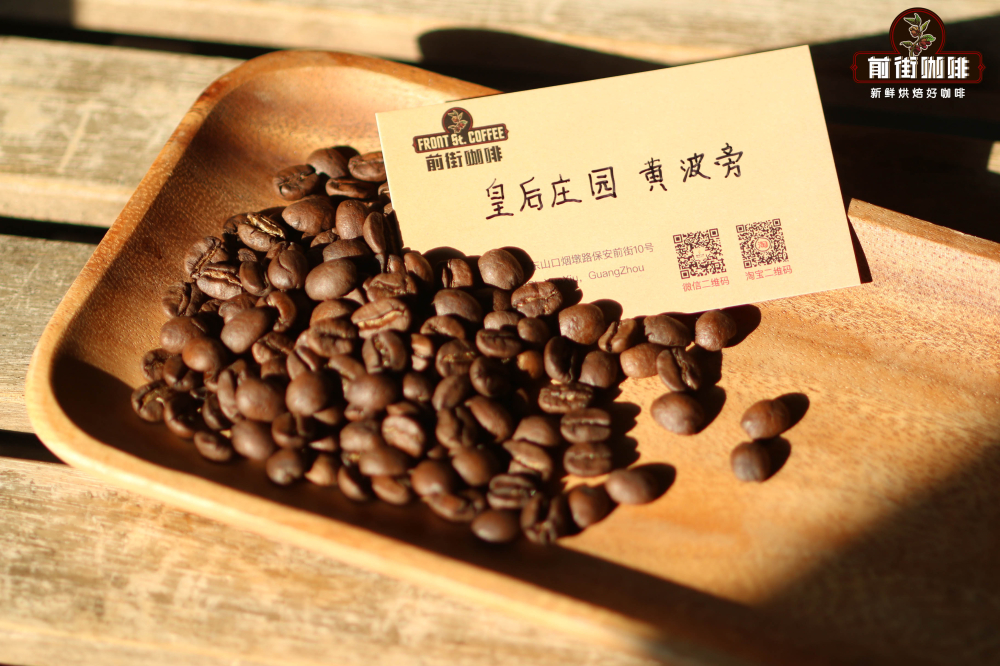
Front Street Coffee — Brazil Queen Estate Coffee Beans
Origin: Brazil Mogiana region
Altitude: 1,400-1,900 meters
Variety: Yellow Bourbon
Processing method: Semi-washed
The above content is compiled by CoffeeHunters, a coffee news website.

