







For more specialty coffee knowledge, please follow our WeChat official account: Front Street Coffee (FrontStreet Coffee)
In recent years, as the wave of specialty coffee has swept in, SOE coffee has also begun to gather momentum. Therefore, recently many coffee fans who come to Front Street have asked why Front Street does not have SOE coffee in its stores. This is because Front Street believes that SOE is affected by many factors that make its flavor variable, just like opening a blind box, and cannot let coffee fans drink a stable espresso. Front Street stores have always focused on allowing coffee fans to drink high-quality and stable-flavor coffee beans over the long term, so Front Street has not listed SOE coffee. Instead, it focuses on single-origin coffee, because the flavor of pour-over single-origin coffee is more stable. In this article, Front Street will talk about the differences between single-origin coffee and SOE coffee.
What is single-origin coffee?
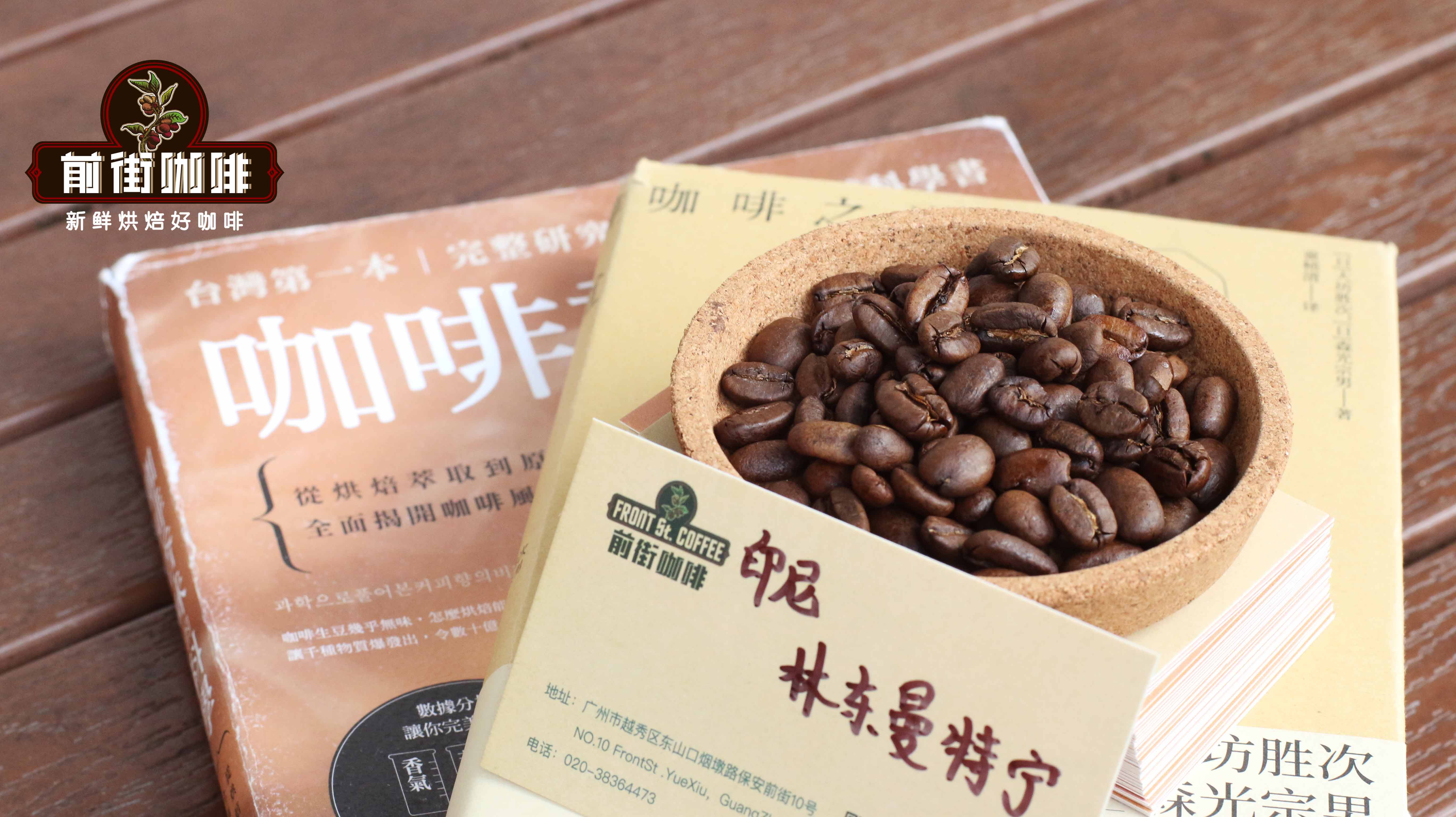
Single-origin coffee refers to the specialty coffee in Front Street stores, also called single-origin coffee, such as Ethiopian Yirgacheffe coffee beans or Ethiopian Sidamo Huakui coffee beans. These are all called single-origin coffee, and their flavor expression is also relatively prominent and obvious. For example, Ethiopia belongs to the African producing region, and its flavor expression tends toward acidity, such as Front Street Huakui, Front Street Gudingding, and Front Street Kafa Forest. The flavor expression of Indonesian Mandheling coffee beans from the Asian producing region is bitterness, while the flavor expression of Colombia from the Latin American producing region is nutty. These all refer to a single flavor, so single-origin coffee also refers to coffee beans from a single producing region with a single flavor.
What is SOE coffee?
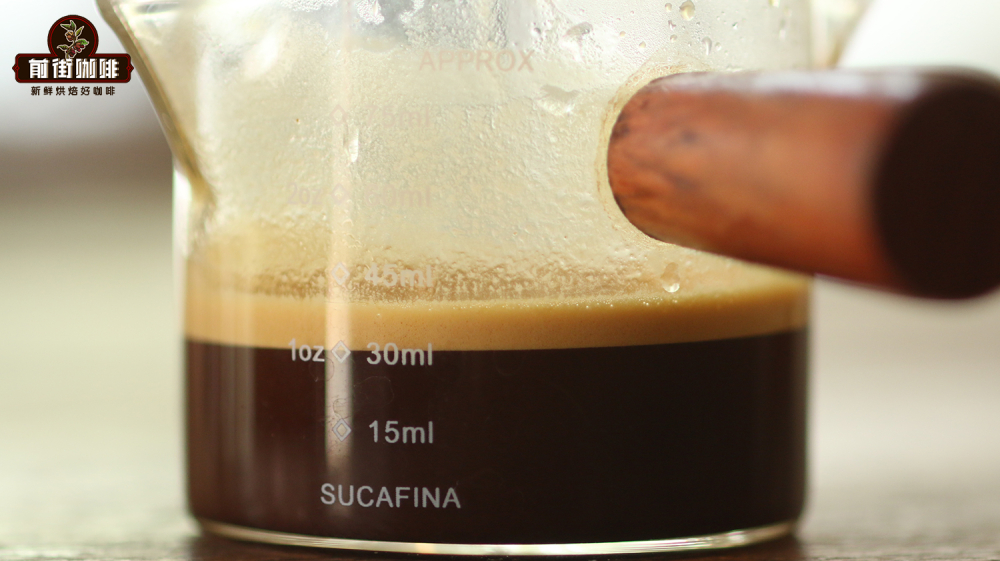
The full name of SOE is "Single Origin Espresso." It refers to espresso from a single producing region. It sounds very similar to single-origin coffee, but although it expresses espresso from a single producing region, it is not actually specialty coffee, because specialty coffee is generally mainly pour-over, while SOE is espresso made with an espresso machine. In addition, the coffee beans used for pour-over and the coffee beans used to make SOE coffee also differ in roast level.
Front Street's previous articles have also said that an espresso machine under high pressure will magnify the flavor of coffee. For example, if Yirgacheffe coffee beans are extracted as espresso with an espresso machine, the acidity that comes out will be magnified, and may even become an unpleasant acidity. Therefore, SOE is more prominent in flavor expression than pour-over single-origin coffee.
At this point, some coffee fans will certainly be curious and ask Front Street: if SOE coffee does not perform well in flavor, why has it become so popular recently? This is actually because the way SOE coffee is enjoyed is not like single-origin coffee, which is drunk directly after pour-over. Like traditional espresso, it can be made into Americano, milk coffee, fancy coffee, or creative coffee. Therefore, many specialty stores focusing on SOE coffee have now appeared in the coffee market.
As for why Front Street does not sell SOE coffee, as mentioned above, its flavor is very unstable, because the flavor of coffee fruit changes slightly every year. Just as coffee beans grown in the same country have different flavors due to different microclimates, coffee beans will also differ in flavor due to weather, cultivation, roasting, and other factors. This also means that it cannot be guaranteed that the flavor of every cup of espresso will always be the same. Its flavor expression will not be like pour-over coffee, where every cup does not deviate from the original taste. Therefore, Front Street has not listed SOE coffee, but it does have blended coffee, that is, traditional espresso, such as mocha, cappuccino, latte, and so on.
What is blended coffee?
Here Front Street has to mention blended coffee. After all, SOE coffee is also derived from blended coffee, and blended coffee is the espresso we commonly see. It was created for cost-effectiveness. Coffee fans all know that single-origin coffee beans are relatively expensive because of their high quality. Blended coffee first appeared in Italy, and it is also called composite coffee. Its advantage lies in balancing the shortcomings of the espresso machine, while also being more affordable in price than single-origin coffee.
As Front Street said, the espresso machine magnifies the original flavor of coffee beans, while blended coffee can combine various single-origin coffee beans together, thereby fully bringing out the strengths of each single-origin coffee bean. It is made by blending coffee beans from different producing regions to create a more balanced taste. For example, if one coffee bean is smooth but lacks aroma, another coffee bean rich in aroma can be added. By making use of the strengths of single-origin coffee beans and having them complement each other's weaknesses, whether in taste by complementing or strengthening each other, a coffee with a richer new mouthfeel can be created. Sometimes the beans are mixed first and then roasted, which is called pre-roast blending; sometimes the coffee beans are roasted first and then mixed, which is called post-roast blending.
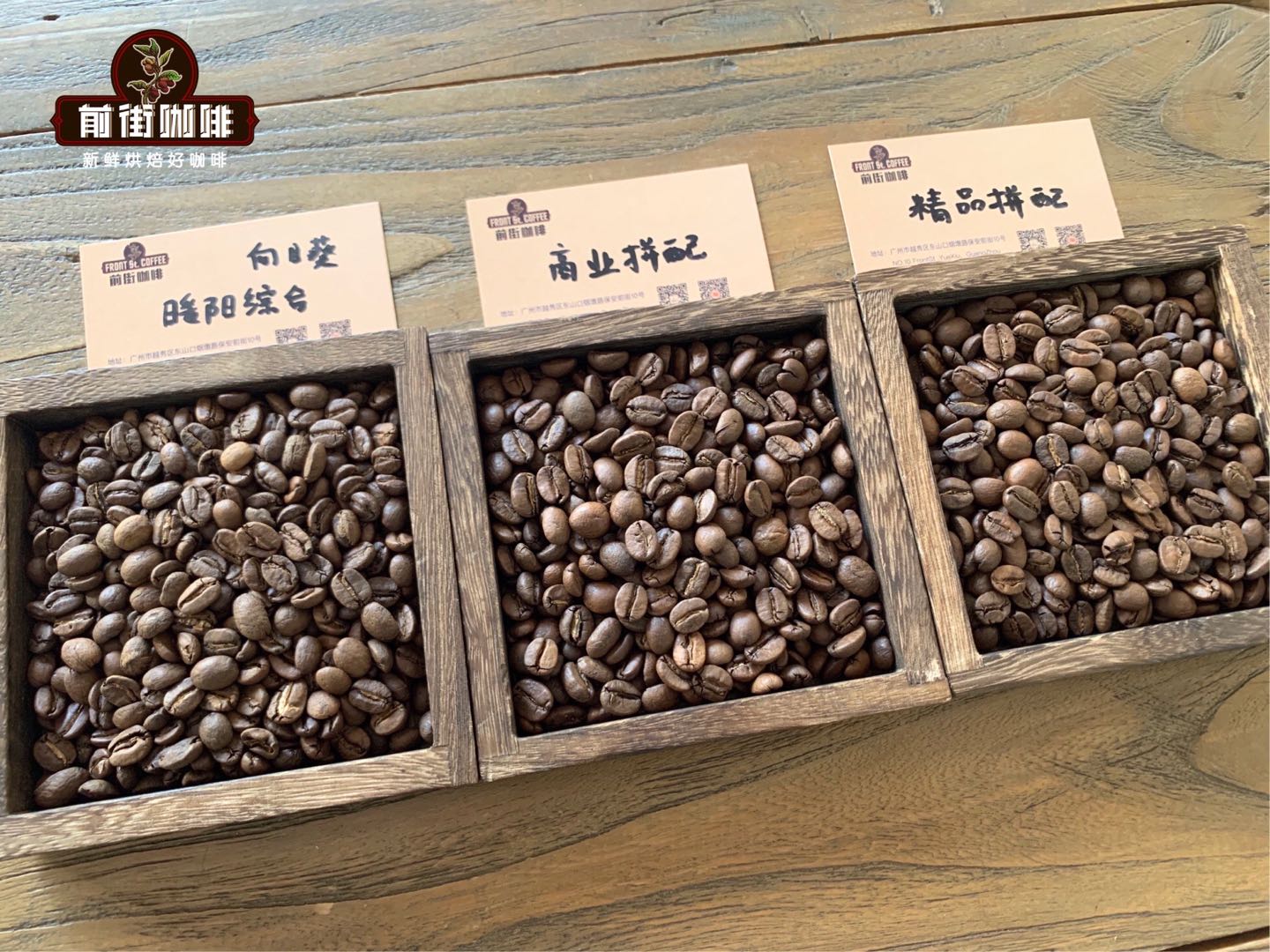
Front Street currently has four blended beans in its stores. For those who like creamy aroma, Front Street Sunflower Warm Sun Blend is recommended (Yirgacheffe + Honduras); for those who like nutty flavor, Front Street Specialty Blend is recommended (Brazil + Colombia); for coffee with rich crema, Front Street Commercial Blend is recommended (Brazil + Colombia + Robusta);
For those pursuing cost-effectiveness, Front Street Basic Blend is recommended (Brazil + Yunnan); among them, the one used in Front Street stores to make espresso is the Sunflower Warm Sun Blend. The combination of these two beans gives Front Street's espresso a soft fruit acidity and fermented feel, as well as fermented wine aroma and a chocolate finish, very sweet and wonderful.

ProductionPoints to note when making SOE coffee
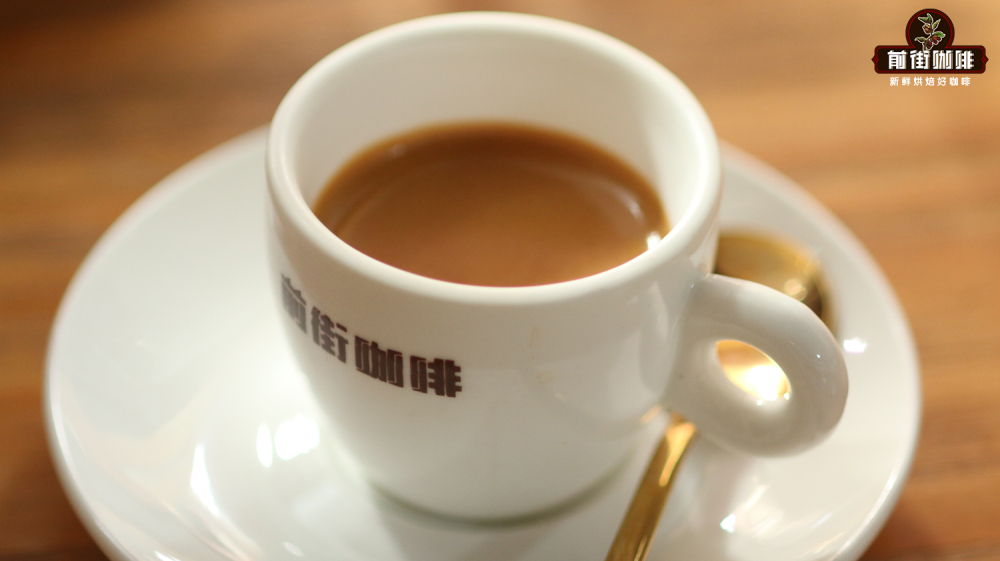
It can be seen that the reason Front Street makes blended coffee is that it can provide stable flavor and balanced taste, while SOE, because it comes from a single producing region, is also prone to having the beans' own undesirable flavors magnified by factors such as roasting and grind size. The biggest difference between SOE and single-origin coffee also lies in flavor expression and brewing method.
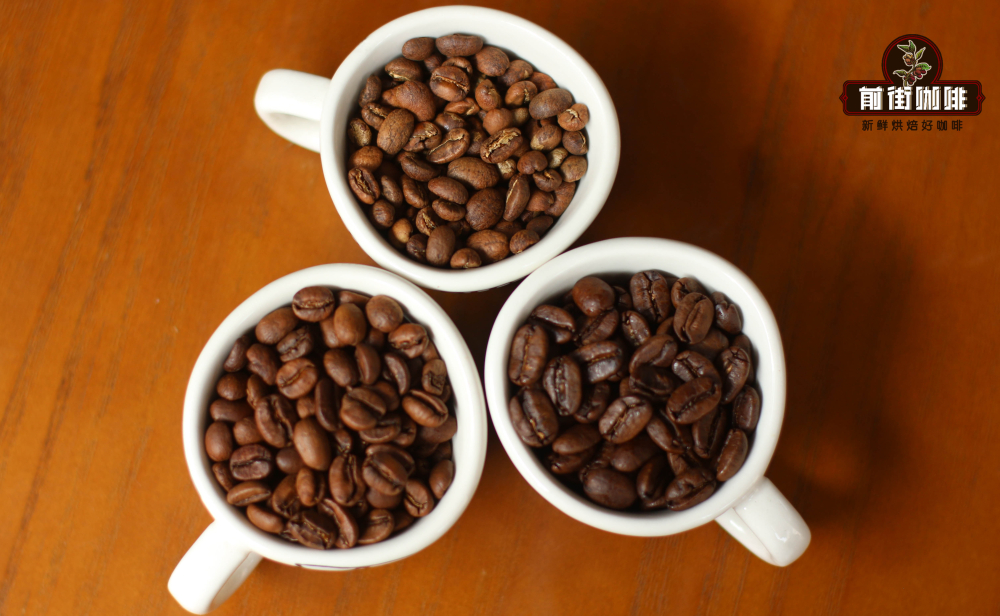
Therefore, Front Street suggests that coffee fans who like SOE coffee, when choosing coffee beans, should preferably not roast them too dark or too light, because the espresso machine itself magnifies flavor. If the roast level is too dark, the original flavor will be harder to extract; if it is too light, the coffee beans themselves are harder in texture, resulting in insufficient espresso extraction, and the coffee will become extremely sour and astringent. Based on this, to make delicious SOE coffee, Front Street recommends Front Street Paradise Bird, Front Street Mozart, Front Street Huakui SOE, and Front Street Queen's Estate. These coffee beans can be welltasted from espressoas the flavor of the producing region.
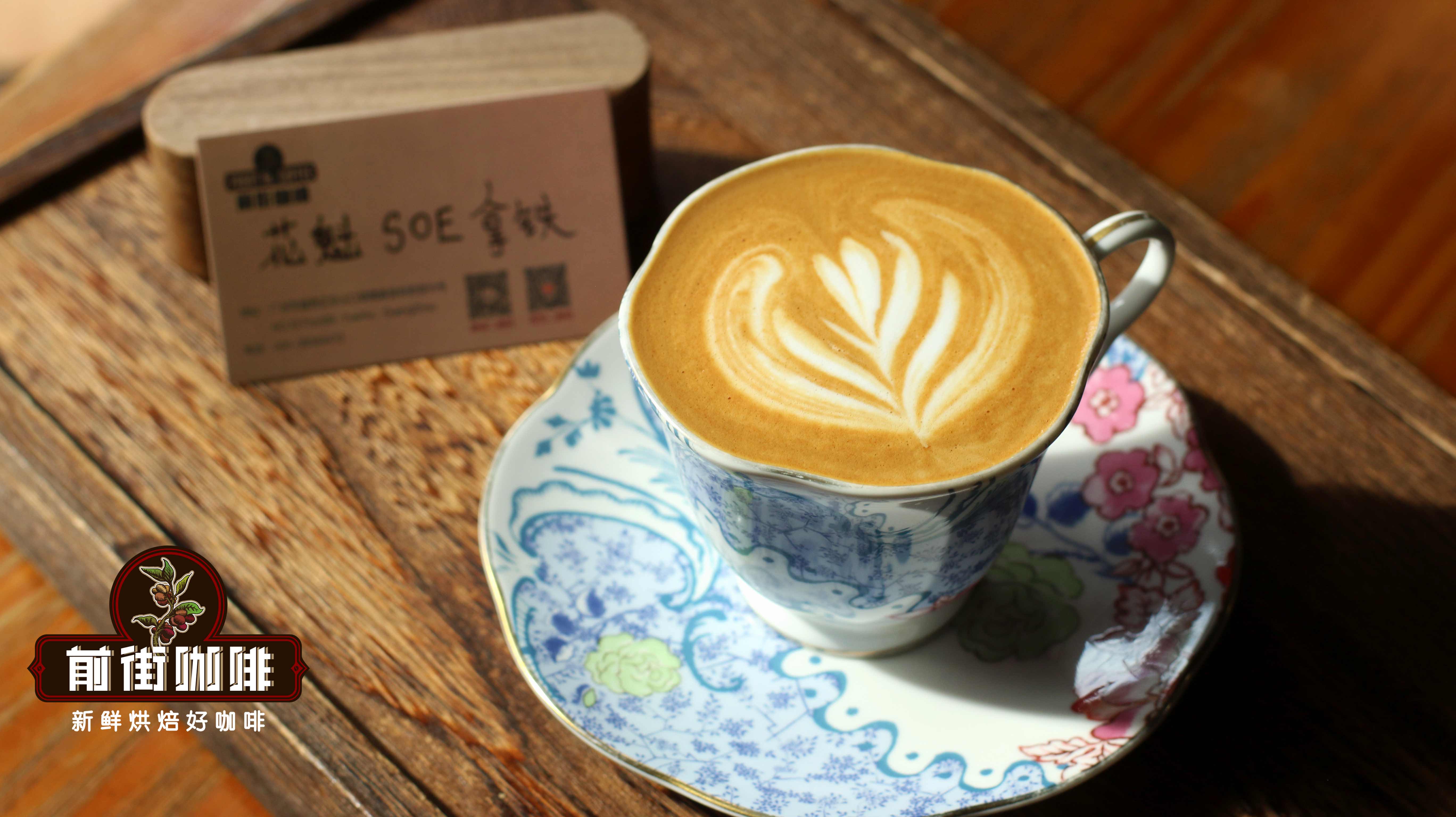
In terms of extraction, Front Street believes that on the one hand, extraction parameters need to be adjusted to increase the extraction yield. For example, extending the extraction time, making the grind finer, increasing the dose, and so on.
On the other hand, when using SOE as the base for espresso, it is necessary to adjust the ratio of espresso to milk and water, reducing the milk or water to highlight the taste of the coffee.
Next, Front Street will share with all coffee fans the data from Front Street's production of SOE coffee, single-origin coffee, and blended coffee.
First, Front Street chose lightly roasted Yirgacheffe Natural Red Cherry for comparison:
Front Street Coffee (FrontStreet Coffee) Yirgacheffe Natural Red Cherry Coffee Beans
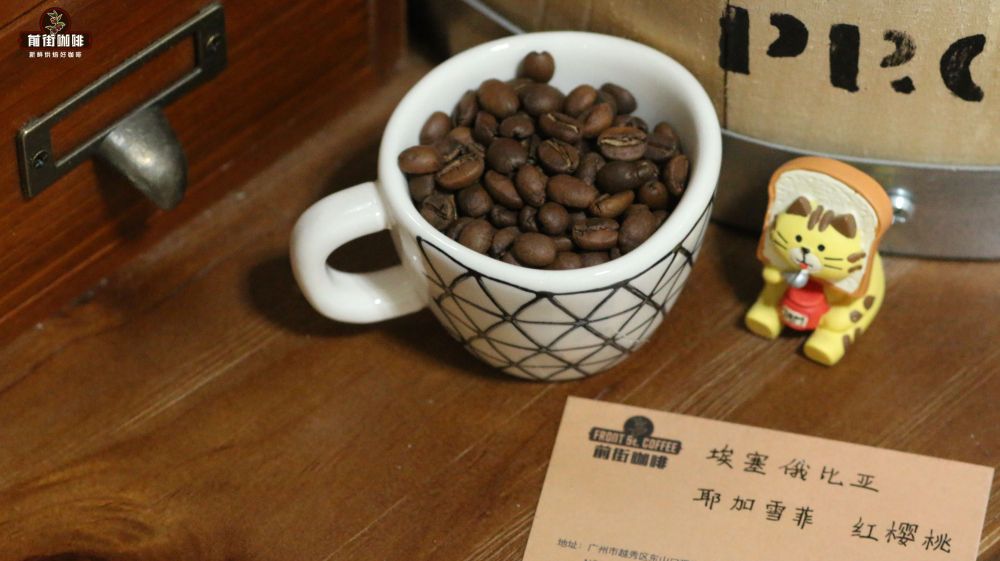
Country: Ethiopia
Producing region: Yirgacheffe
Altitude: 1700-2200m
Processing method: Natural process
Variety: Local heirloom varieties
SOE espresso extraction parameters:
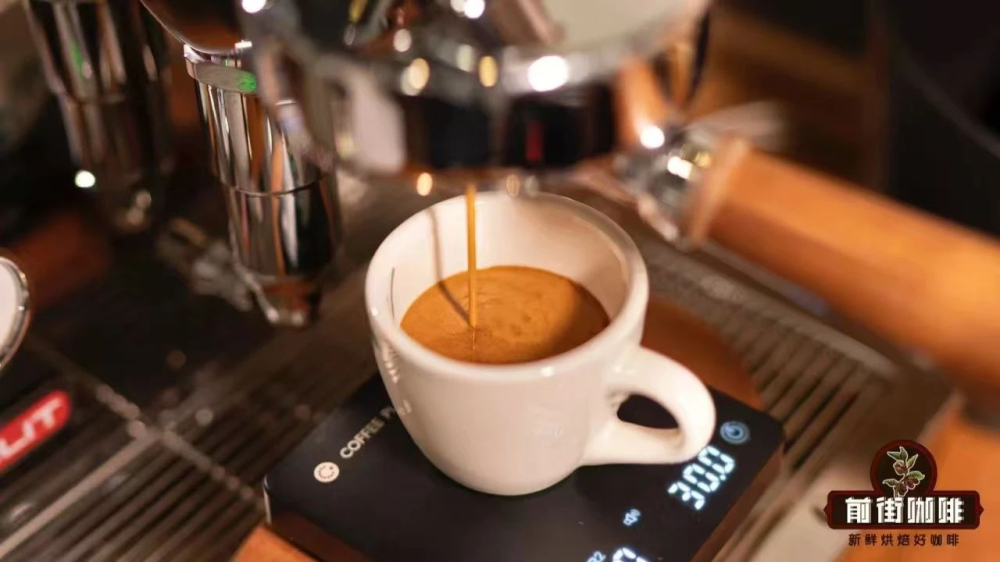
Coffee dose 20g
Coffee liquid yield 40g
Extraction time 30 seconds
SOE flavor description: citrus, berries, fermented aroma, syrupy, medium bitterness, medium-high acidity, bright and lively acidity.
Now that Front Street's SOE extraction has been explained, let's talk about how Front Street extracts the Warm Sun Blend.
Blend combination: Honduras Sherry & Yirgacheffe Natural Red Cherry
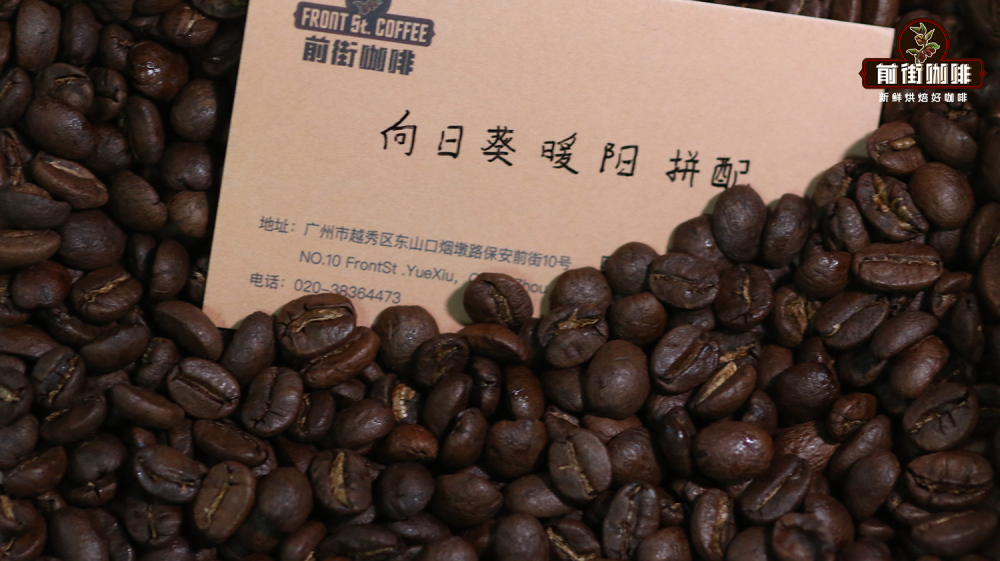
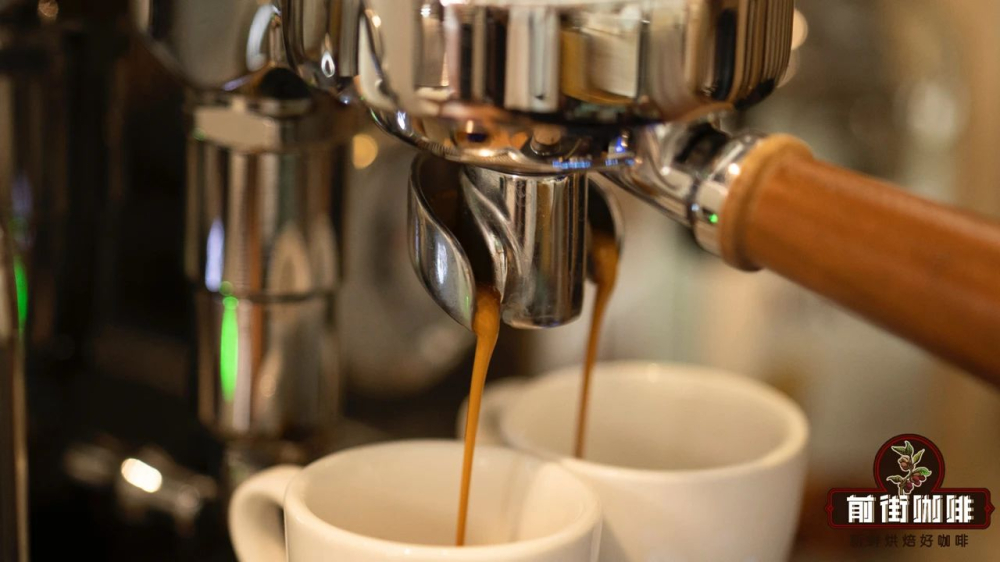
Blended coffee bean extraction parameters:
Coffee dose 20g
Coffee liquid yield 40g
Extraction time 28 seconds
Flavor: smooth mouthfeel, obvious fruit acidity on entry accompanied by a light berry aroma, whiskey aroma and rich chocolate flavor, with a noticeably sweet finish.
Finally, Front Street will also share the brewing data for Natural Red Cherry single-origin coffee.
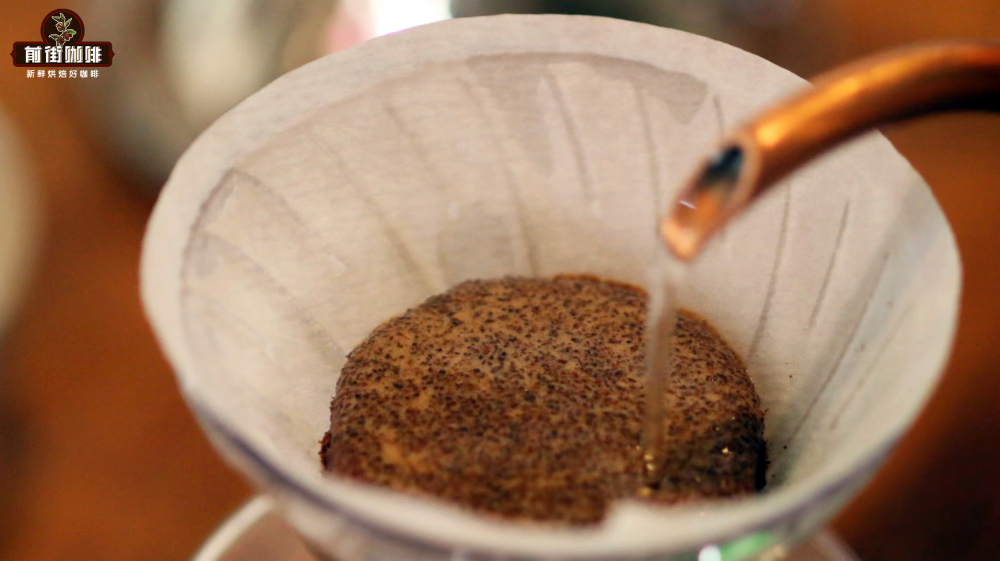
Brewing parameters:
Dose: 15g
Water-to-coffee ratio: 1:15
Dripper: V60
Water temperature: 91°C
Grind size: 80% passing through a No. 20 sieve
Brewing method:
First pour 30g for a 30-second bloom. After the bloom, pour in a circular motion to 125g. After the water level drops by half, continue pouring in a circular motion to 225g. Extraction time 2'00.
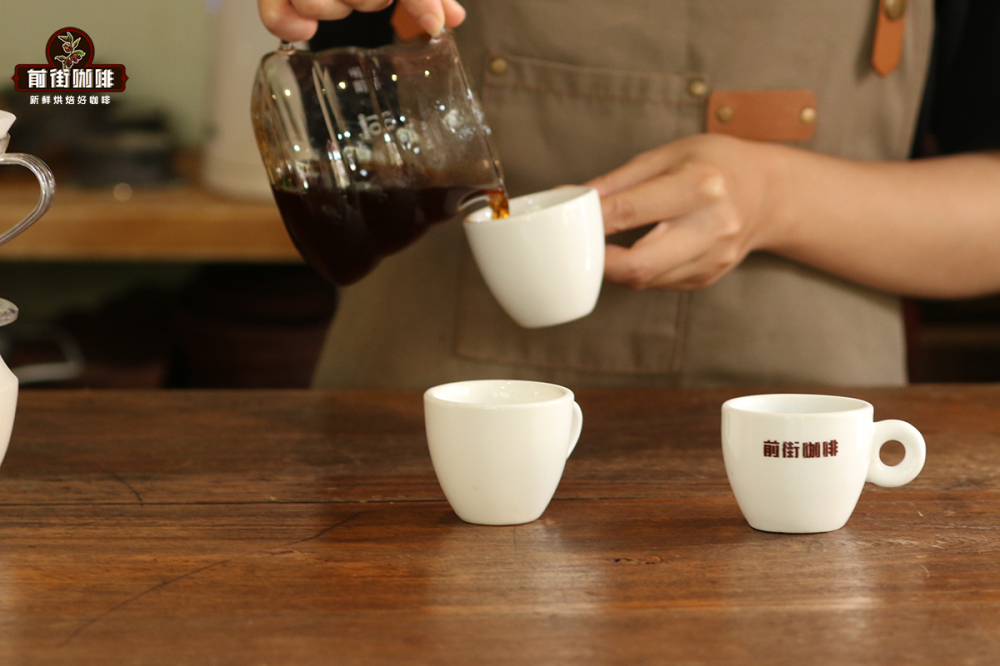
Flavor: obvious sweet and sour sensation on entry, with lemon, berries, and fermented wine aroma. The lemony acidity in the finish is lasting and the sweet aftertaste is obvious.
The above is Front Street's summary of the differences between SOE and single-origin coffee. We hope it can help coffee fans who want to learn about SOE coffee.
The above content is compiled by CoffeeHunters, a coffee news website.

