








For more coffee origin information and coffee knowledge, please followCoffeeHuntersToutiao account
With the advancement of coffee specialization, SOE has gradually become popular, so what is SOE,SOE coffeeIs it better tasting than blended coffee? Now Front Street Coffee (FrontStreet Coffee) will guide you throughSOE coffee.
What is SOE?
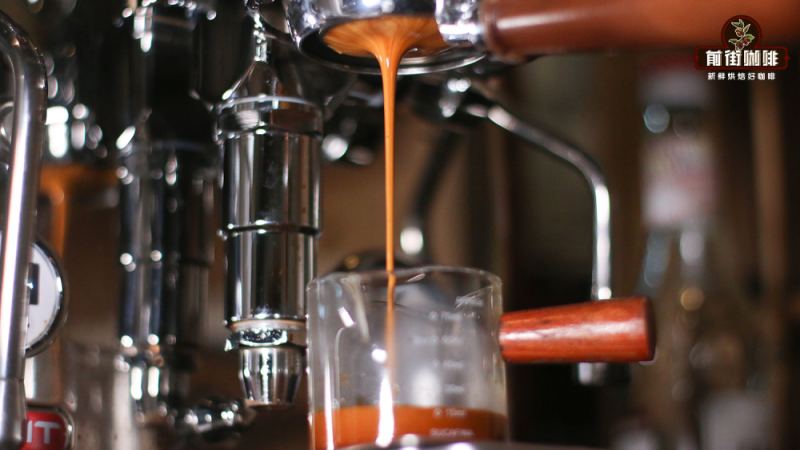
SOE stands for Single Origin Espresso, known in Chinese assingle-origin espresso. Although it represents single-origin espresso, it does not necessarily equal specialty coffee. If a single-origin coffee bean with easily recognizable flavor is selected as SOE, it can produce an espresso with a unique and typical flavor.

For example, the citrus flavor of Yirgacheffe, the berry flavor of Kenya, etc., combined with the high pressure of the espresso machine that amplifies the coffee's taste, the flavor performance will be more prominent compared to pour-over. However, although SOE performs prominently, because it comes from a single origin, its shortcomings are also relatively easy to amplify, so factors such as roasting and grind size will affect the flavor. This is also why Front Street Coffee (FrontStreet Coffee) stores do not offer SOE—Front Street hopes that every guest who comes in can drink an espresso beverage with stable and distinctive flavor.
Talking about the rise of this trend, Chen Chih-Huang, founder of Fika Fika Café , who won the Nordic Cup Coffee Roasting Championship in 2013, believes that the development of coffee to this day is remarkably similar to whisky; everyone initially only knew brands and tasted blended whisky, until in the past decade single malt whisky from different regions began to become popular, and SOE is exactly the same concept.
SOE coffeeIs it equal to making espresso with pour-over single-origin beans?
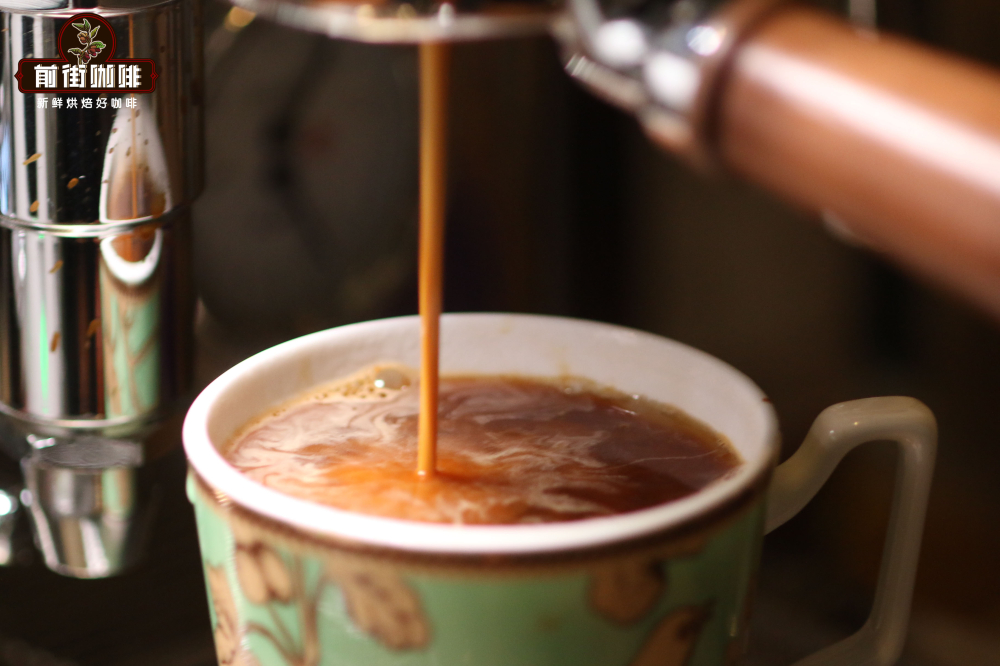
According to the concept, making espresso with pour-over single-origin coffee beans is indeed SOE "single-origin espresso," but in actual operation it is not as simple as imagined.
Compared with blends, espresso made from single-origin coffee beans more easily offers clear flavors or the taste of the origin. Because blended coffee beans mix several different coffee beans, their greatest advantage is balance and stability, but also because there are too many components, the flavor of the coffee bean origin is difficult to identify.

Therefore, compared with traditional blended espresso, SOE should be an espresso that highlights flavor more. This characteristic also affects the bean selection for SOE: coffee beans with high and strong flavor recognition should be chosen as much as possible. If a Brazil Cerrado (medium roast) with relatively low flavor intensity is chosen to make SOE, the resulting espresso will be weak and powerless. Imagine such an SOE that has neither distinctive features nor the balance and stability of a blend—wouldn't that be more loss than gain?
Secondly, the roast level of SOE beans should be neither too dark nor too light. A darker roast level will greatly diminish the flavor of the origin, while a lighter roast level will cause the espresso machine, under high pressure, to amplify the acidity brought by the light roast, easily making the espresso sharply acidic and unbearable. A lighter roast level also makes the coffee beans harder in texture, making under-extraction more likely. Both diminishing the origin flavor and causing imbalance due to sharp acidity go against the original intention of highlighting the flavor of a single origin, so the roasting curve for the same bean when producing SOE and when producing pour-over coffee should naturally be two different roasting curves.

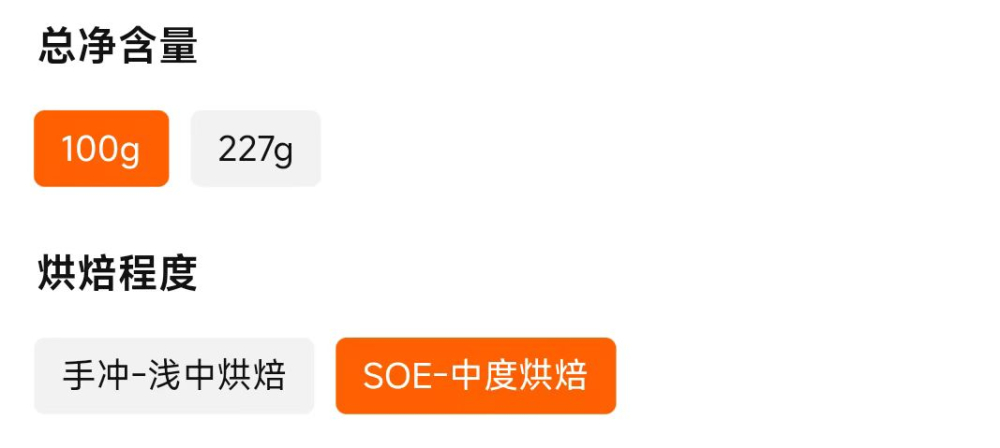
Considering that everyone may brew it differently after purchase, Front Street's roaster has created two different roasting curves for the sun-dried Huakui single-origin bean: one is a medium-light roast for cold brew and pour-over, and the other is suitable for espresso machines and moka potsSOEmedium roast. For example, if someone likes something simple and convenient and chooses cold brew, or pursues a sense of ritual and extracts in the form of pour-over, then they can choose medium-light roast; if you prefer golden crema, or hope to draw exquisite patterns on a latte, Front Street recommends the SOE roasting curve.
What coffee beans are suitable for makingSOE coffee?
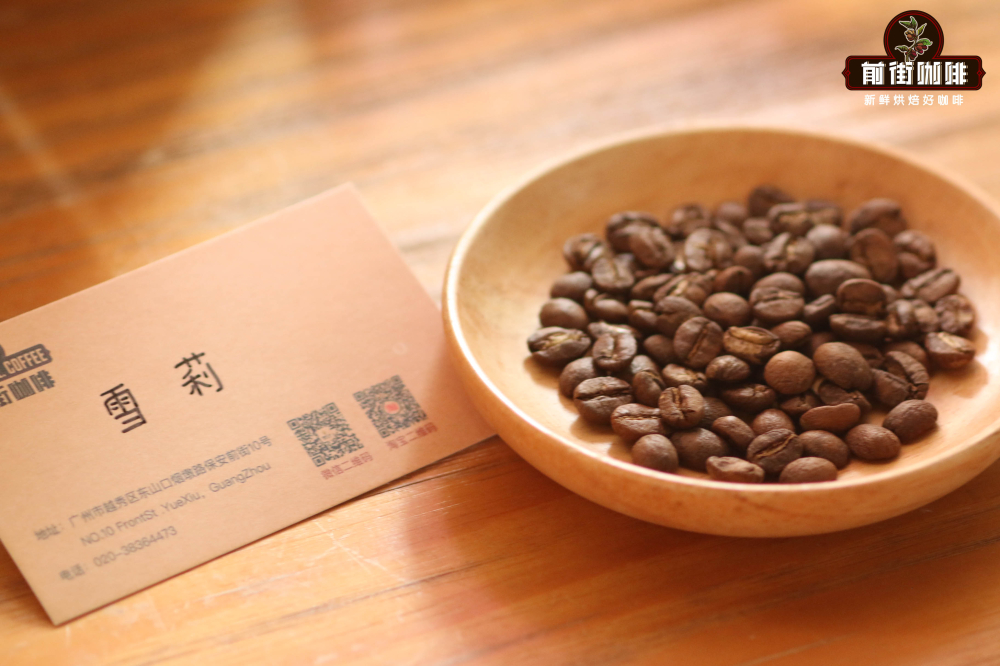
Fresh and sweet flavor: Front Street Coffee (FrontStreet Coffee) recommends Yirgacheffe sun-dried Red Cherry. This coffee comes from the Aletaland estate in Yirgacheffe, at an altitude of 1700-2200 meters, using fully red cherry sun-dried processing, and has a very rich fruity sweetness and floral aroma.
Flavor description: citrus, berries, fermented aroma, syrupy, medium bitterness, medium-high acidity, bright and lively acidity.

Rich vinous flavor: Front Street recommends Honduras Sherry Barrel. This coffee comes from the Mocha estate in Honduras, at an altitude of 1500-1700 meters, using fine washed Sherry barrel fermented processing, and has a very rich vinous fermentation aroma and dark chocolate creamy flavor.
Flavor description: whisky aroma, soft and relatively high fruity acidity, smooth mouthfeel, creamy viscosity, cocoa.
What should be noted when making SOE?
SOE single-origin espresso, the coffee beans selected generally are not roasted too dark in order to highlight the flavor of the origin. Compared with traditional darker-roasted espresso beans, the flavor is more difficult to extract.

Therefore, on the one hand, extraction parameters need to be adjusted to increase the extraction yield. For example, extending the extraction time, making the grind finer, increasing the dose, etc. On the other hand, when producing espresso drinks using SOE as the base, the ratio of espresso to milk or water needs to be adjusted. Reduce the milk or water to highlight the coffee's taste, so that the coffee does not become too weak.
The above content is compiled by CoffeeHunters, a coffee news website.


