







Wednesday, September 16 2026

Yirgacheffe SOE | What is SOE coffee? Does SOE refer to single-origin beans? What are the differences in taste characteristics between SOE beans and blended coffee beans?

November 27, 2025
qj

9491656239366_


In recent yearsSOE coffeehas been especially popular. Basically, newly opened small community coffee shops will be equipped with more than two espresso grinders, one filled with traditionally flavored coffee beans (usually a blend), and the other with SOE coffee beans. SOE is generally seen as an upgraded version of traditional (blended) coffee beans, and you need to pay extra to switch to it. Depending on the scale of urban consumption and the quality of the coffee beans, the price varies, usually an additional 3-10 yuan.


Here, please allow Front Street Coffee to add some notes on these terms for everyone's understanding:

SOE is the abbreviation of "Single Origin Espresso," which translates to single-origin espresso. It is espresso made specifically from coffee beans of a single origin.
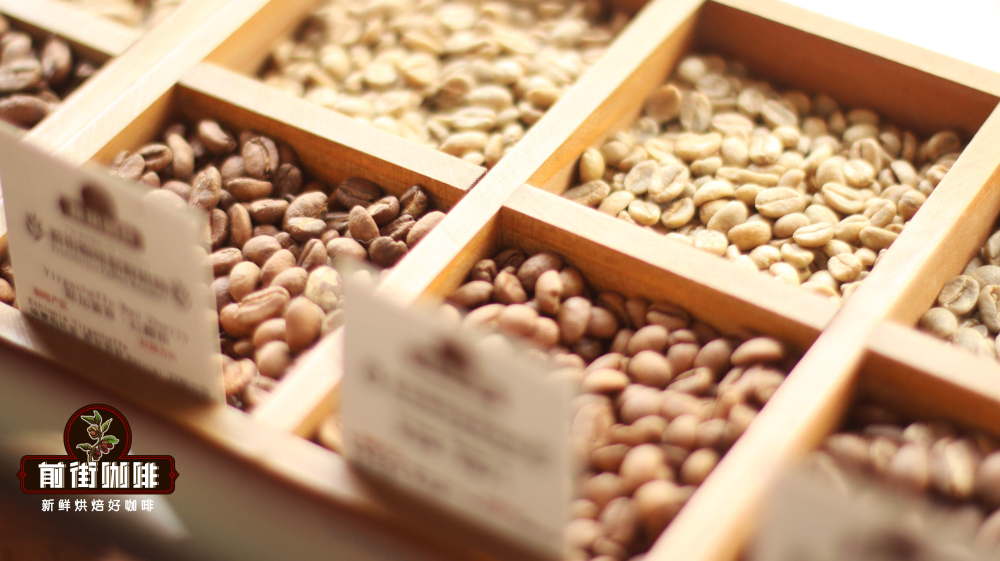

花魁生豆260


Single-origin coffee beans are Single Origin Coffee Bean, referring to coffee beans from a single origin. In a broad sense, it includes the meaning of all single-origin coffee beans, including SOE. Influenced by the specialty coffee trend, the traceability of single-origin coffee is now more detailed the better.


Blended coffee beans refer to the artificial blending of coffee beans from two or more origins (usually by producing country) for the purposes of cost, stability, and flavor. Similarly, blended coffee is divided into those used for espresso and those used for pour-over, with espresso use being the main one.
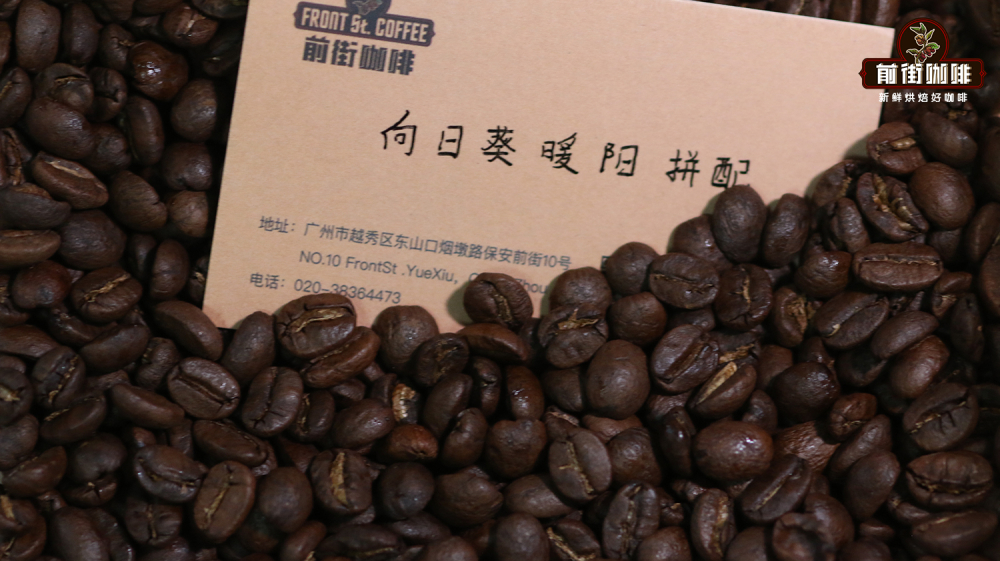
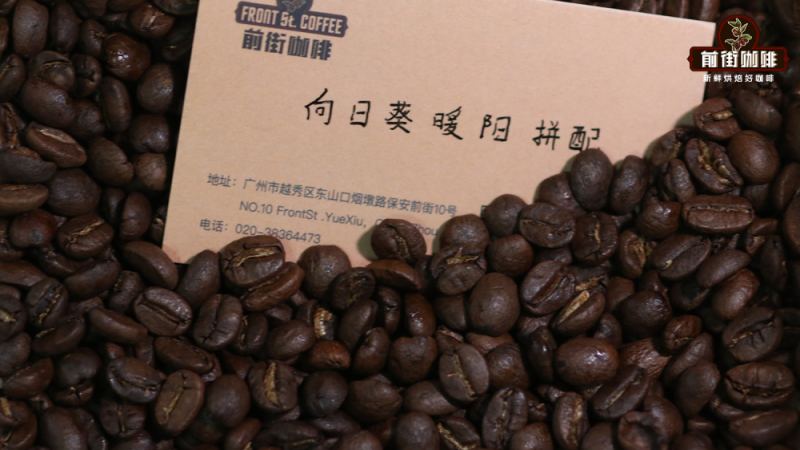
向日葵暖阳拼配豆


SOE did not appear only in recent years!
Many people just want to simply drink a cup of coffee and naturally won't deliberately learn more about the stories behind coffee. When they hear about SOE coffee beans and that switching to them costs extra, they must think it's a premium product.

In fact, SOE is not some new product; it appeared earlier than blended coffee (it's just that the name SOE came later). Here, Front Street Coffee needs to clarify the logic behind the emergence of blended coffee beans. Before blended coffee beans appeared, the world originally used single-origin coffee beans—coffee from Mocha, coffee from Brazil, coffee from Java. At that time, single origin was not emphasized because it was taken for granted and did not need special explanation.


IMG_4528


It wasn't until the consumer market reached a certain scale (mainly the European market at the time), combined with the risk of unstable production and quality of coffee beans from various origins, that someone blended coffee beans from different origins together to counter this risk. From then on, blended coffee became the mainstream at the time, using coffee beans from different origins to complement each other and stabilize the taste of coffee. Even if a certain origin had a poor harvest the next year, it could be compensated for by adjusting the blend formula.

In recent years, SOE coffee has risen again, mainly due to the influence of the broader environment. Single-origin coffee has gradually taken root in people's hearts. In pour-over coffee, most are single-origin coffees, and the brewed flavors are excellent, which also creates the subconscious notion that "single-origin coffee is good coffee."

In fact, the rise of single-origin coffee starts with the concept of specialty coffee. In summary, it's a group of coffee industry leaders solving the problem of inconsistent coffee quality at its root, through a series of measures such as setting standards, teaching coffee farmers scientific cultivation, and purchasing high-quality coffee at high prices to incentivize farmers in coffee-producing regions to cultivate meticulously. In this way, the quality of coffee beans is improved, and the brewed taste is naturally better.


IMG_4092


In the past, our impression ofespresso coffeewas that it was balanced, a bitter black coffee that only tasted good with milk added. This is not a problem with the extraction method, but with the coffee beans used. The price of espresso coffee cannot be too high, and the usage is large, so in terms of bean requirements, cost comes first, then stability, and finally flavor. Blending is the safest approach. The raw beans used in the blend must have large production and stable supply, so the raw materials can basically only be selected from the top ten coffee-producing countries. As for flavor, it is basically fixed between caramel, nuts, cream, and cocoa, because to accommodate the flavor and taste compatibility of various coffee beans, roasting all the beans dark is the most worry-free method (of course, market taste demand is also the dominant reason). At that time, traceability was relatively poor, and consumers could only recognize which roaster or coffee shop's coffee tasted good.

Single-origin coffee, on the other hand, emphasizes the flavor of the coffee-producing region and the story of traceability. It achieved success in extraction methods such as pour-over and siphon, and gradually applied to espresso coffee as well, which became "SOE."


花魁8


Why do you have to pay extra when choosing SOE coffee?
Since SOE coffee is not superior to blended coffee by definition, why can SOE sell at a higher price? The reason is simple: the raw material cost of the SOE coffee beans used by merchants is higher.

Logically speaking, using coffee beans from a single producing region in Brazil to make espresso can also be called "SOE." But such an operation is rarely seen on the market. Because the espresso extracted this way may not necessarily match blended coffee beans in flavor and taste! Therefore, coffee beans branded as "SOE" must have a flavor different from those traditional blends, a flavor that catches consumers' eyes and makes them willing to pay. So many coffee beans from small producing regions in Ethiopia are used as SOE, because Ethiopia is mainly characterized by citrus and floral flavors, and with a relatively bold (slightly lighter) roast, it can let people taste a different espresso flavor.


橙子浓缩_6947


Later, more and more specially processed coffee beans appeared, with increasingly distinctive flavors (higher recognizability), and they were quickly applied to SOE as well. The rise in coffee bean costs will naturally be reflected in the extra charge. Therefore, many coffee shops will be equipped with at least one ordinary blend and one SOE coffee bean, which can satisfy both those who prefer affordability and those who pursue flavor.

SOE? Or blend?
Front Street Coffee has also said before that SOE coffee beans and blended coffee beans are not superior or inferior to each other; the only difference is the user's purpose. For example, a popular blended coffee bean from Front Street Coffee—Front Street Sunflower Warm Sun Blend—uses Front Street Sherry coffee beans from Honduras and Front Street Sun-Dried Red Cherry Plan coffee beans from Ethiopia Yirgacheffe. Both are top-quality single-origin coffee beans, and blending them can create a taste where 1+1>2—sherry, vanilla cream, chocolate—also achieving a highly distinctive flavor different from traditional espresso blends. Of course, when your blending purpose chooses flavor and stability, price no longer has an advantage.


IMG_0988经典意式拼配


Due to historical reasons, the word "blend" has become a stereotype in many people's minds, which is also why many merchants do not choose high-quality blends. The term "SOE" forms a sharp impression contrast with blends (blend corresponds to single origin, bad impression corresponds to good impression). For this reason, when SOE coffee beans became a trend, it was also destined that many follow-the-crowd phenomena would appear, thus forming SOE that is not aimed at flavor as the main purpose, but SOE for the sake of SOE.


How to choose suitable coffee beans for SOE?


Front Street Coffee has found that many people think SOE is simply applying single-origin beans directly to espresso machine extraction, thereby making a single-origin espresso series. It isn't until they bring home beans with various floral and fruity flavors and try them with a coffee machine that they realize something is wrong. First, there's the scene of splashing and spraying like below, then they're startled by the extremely sour espresso and dare not take a second sip, and then they begin to suspect whether their equipment is too poor or whether they made a mistake somewhere in operation.
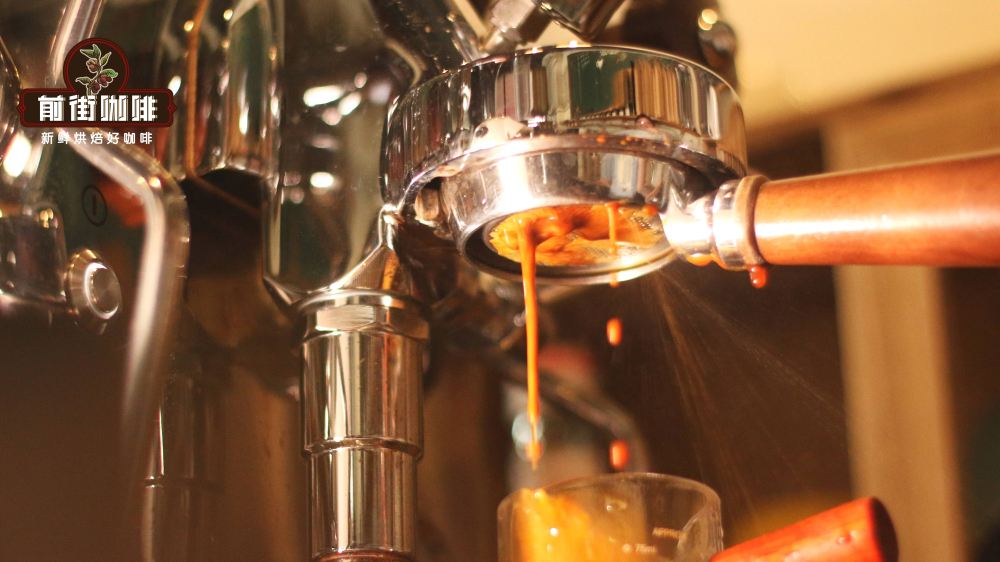

IMG_喷了0997


In fact, the reason you can't make the same SOE at home as in the shop is likely not your equipment or technique, but that the roast level of this coffee bean is simply not suitable for making espresso. Based on the experience of Front Street Coffee baristas, choosing a coffee bean suitable for SOE extraction not only makes it easy to produce a delicious espresso, but also makes Americano or latte coffee made by adding water or milk twice as effective. On Front Street's bean list, two single-origin coffee beans have SOE versions launched: one is the strawberry-scented Front Street Huakui, and the other is the classic Yirgacheffe-flavored Front Street Konga. We just need to check the espresso roast option when placing an order.
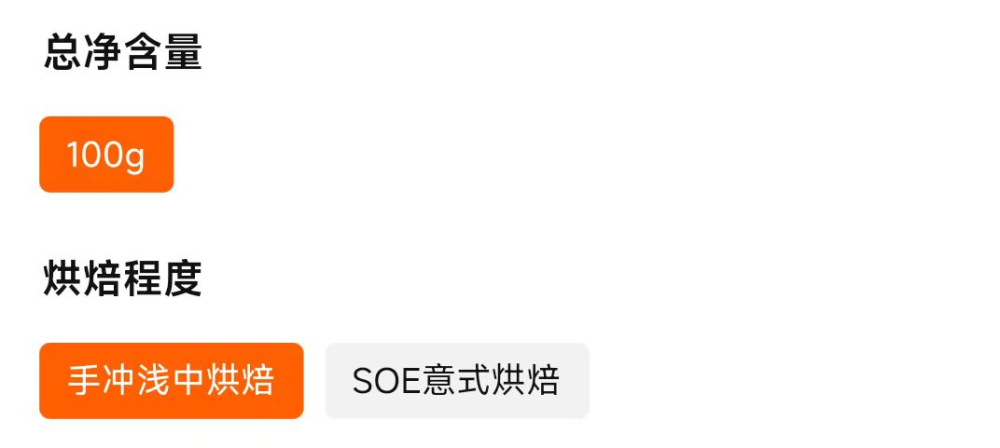

孔家soe烘焙度选择3219


Teach you to make a cup of SOE with Front Street Konga single-origin beansYirgacheffe Dirty


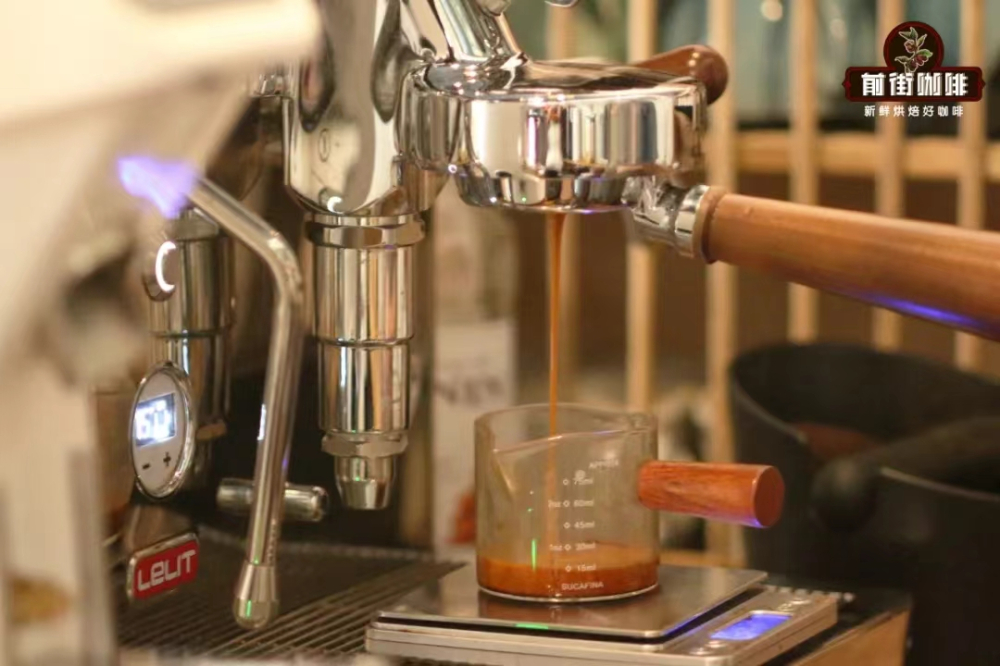
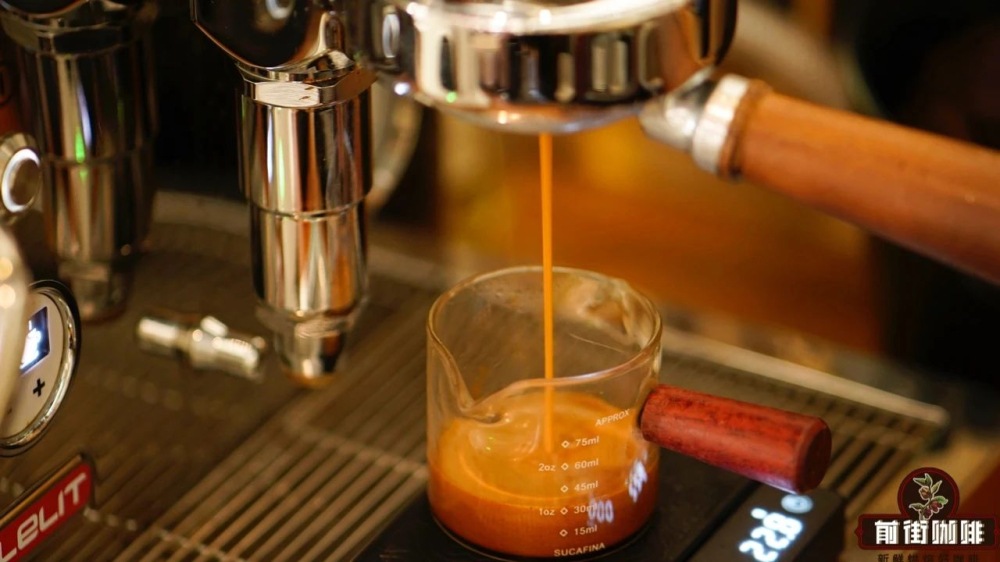
The coffee machine at Front Street's store is a commercial single-head "Lelit Bianca," which can adjust extraction by changing pressure, with a maximum pressure of 11 bar. A household coffee machine only needs to reach 9 bar pressure to satisfy the functions of extraction and milk frothing, paired with an espresso coffee grinder.

意式浓缩003


SOE coffeeextraction parameters sharing


Coffee beans: Front Street Ethiopia Sun-Dried Konga

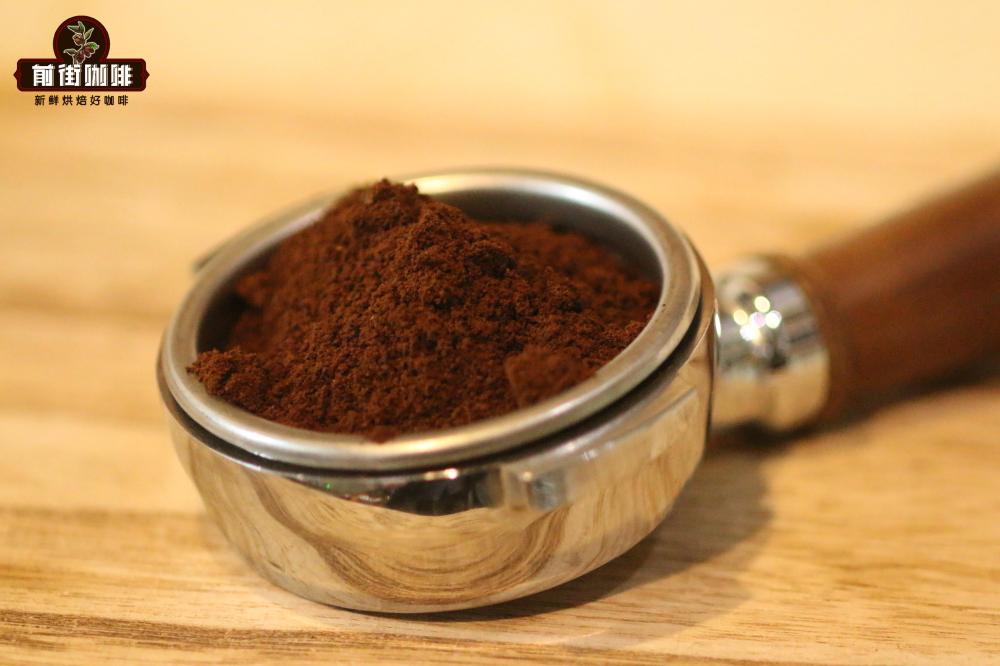
Coffee powder amount: 20g

Coffee liquid amount: 40g

Powder-to-liquid ratio: 1:2

Extraction time: 26~33 seconds  

Grind setting: Galileo 2.0


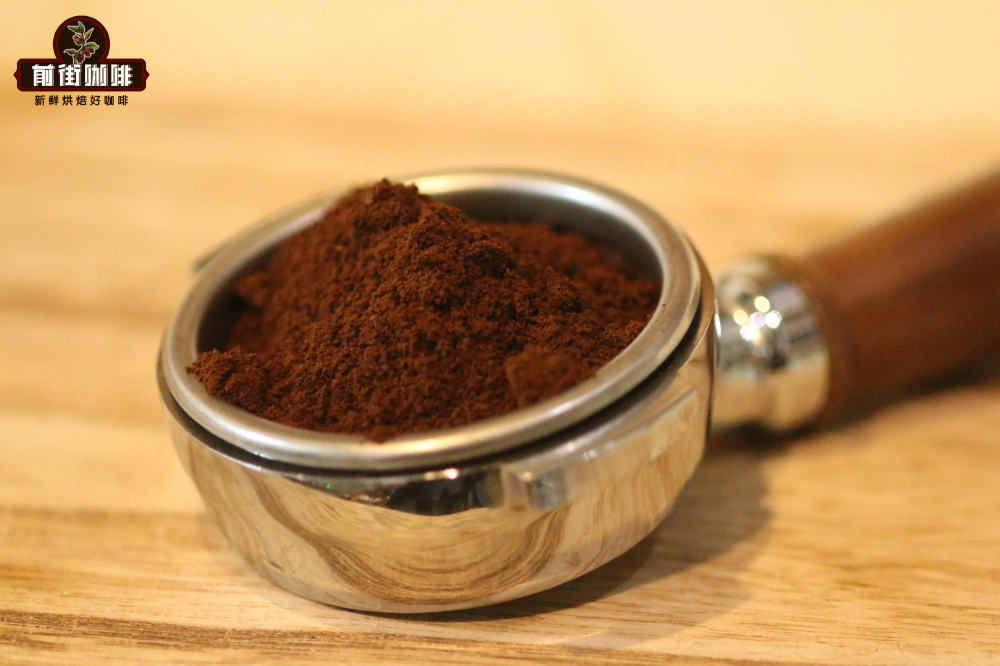
Front Street uses the capacity of a double powder basket, with a powder amount of about 18-20 grams. Front Street uses 20 grams of coffee powder when producing.

意式手柄8d0fb


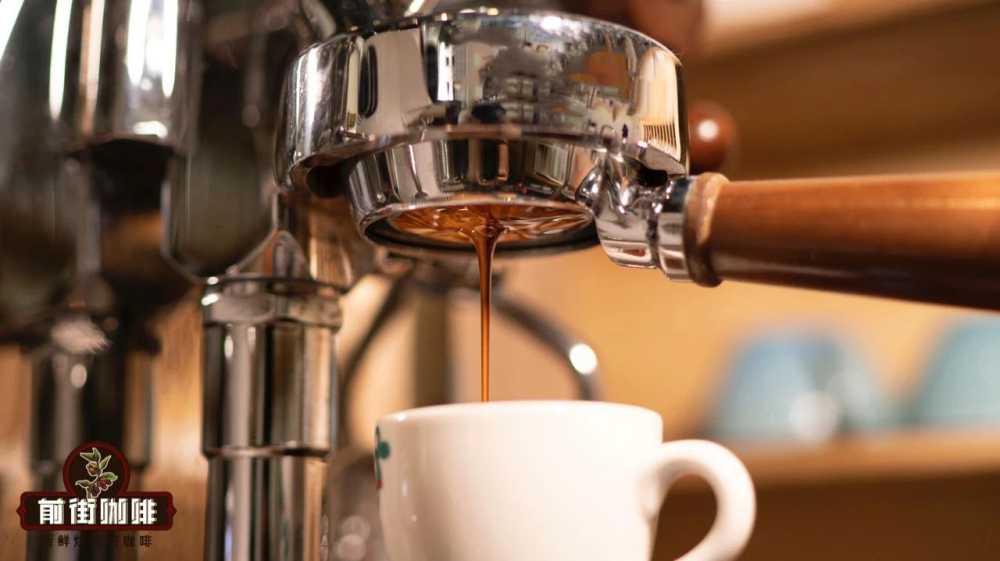
Usually the ratio of coffee powder to coffee liquid is between 1:1.5 and 1:2.5. Front Street's extraction ratio is 1:2, that is, 20 grams of coffee powder extracts 40 grams of coffee liquid. Time is related to the flow rate of the coffee powder. Generally, a single extraction time is controlled at 20-35 seconds, because within 20 seconds the coffee usually tastes thin, while exceeding 35 seconds tends to over-extract and produce a burnt bitter taste. Front Street's espresso is mostly in the range of 28-30 seconds.

意式浓缩咖啡液39


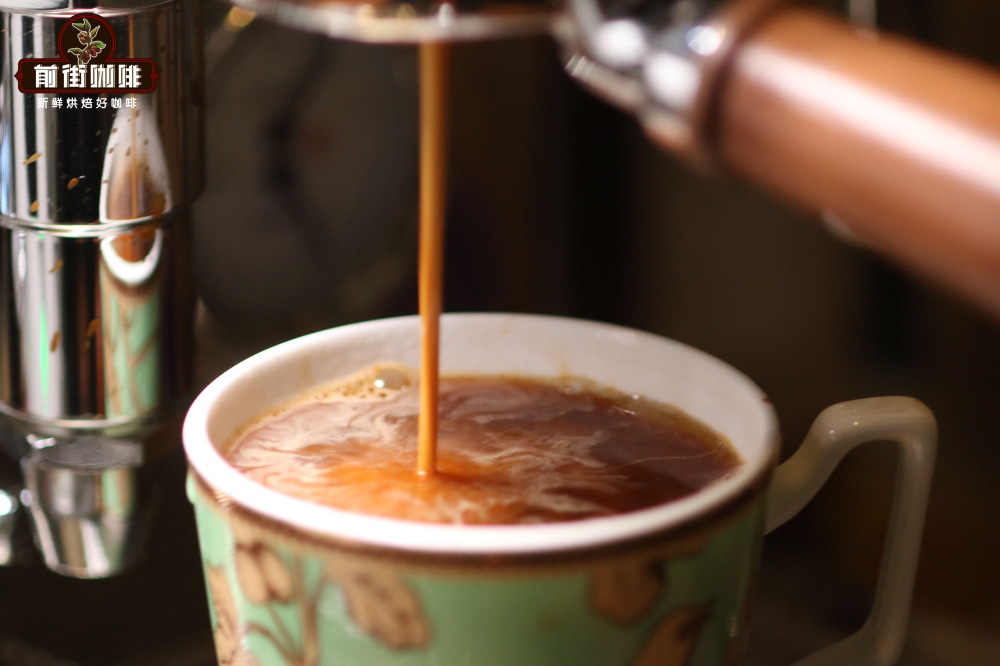
Front Street first wipes the powder basket dry, turns on the grinder, grinds out the amount for a double shot of coffee powder, places it on an electronic scale to adjust up or down to reach 20 grams. Then use a tool to distribute the powder evenly, tamp the coffee puck firmly to ensure more stable extraction. Then turn on the extraction switch to release water, moistening the brew head while washing away the coffee grounds stuck on it, gently lock the portafilter onto the brew head, and start the extraction. When the electronic scale shows 40 grams of coffee liquid extracted, at about 28-33 seconds, you can pull down the extraction switch, and a cup ofSOE espresso is ready. We can add an appropriate proportion of ice water or 80°C hot water according to our preference to make a cup of YirgacheffeSOE Americano.

奶咖拉花42254


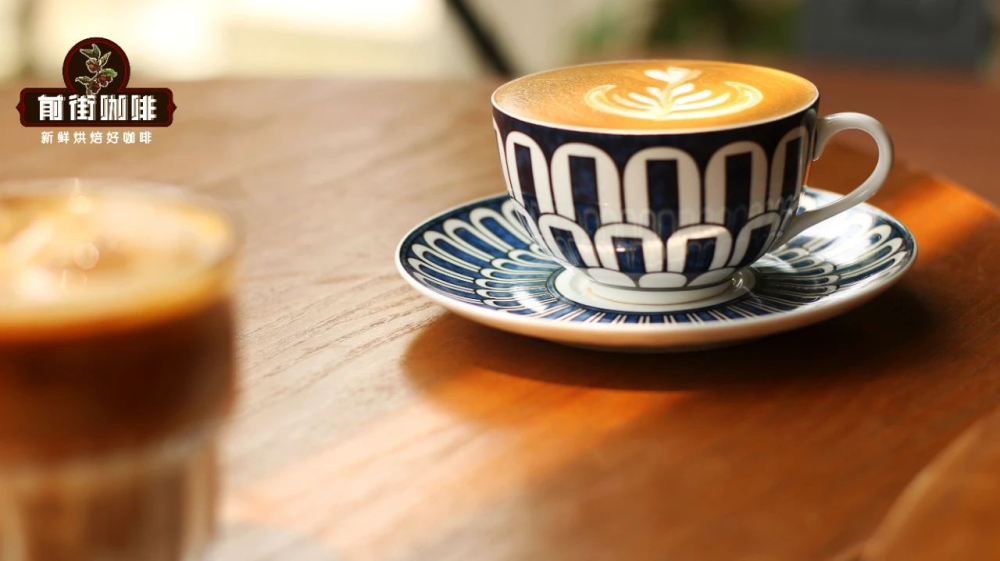
When making an SOE hot latte, Front Street uses a 1:6 ratio, adding 40 grams of espresso liquid to a preheated coffee cup, then using the espresso machine steam to froth 240g of milk. The milk temperature is best controlled between 50-65°C to form a dense milk foam with moderate thickness, then blend it evenly with the coffee liquid. The Yirgacheffe SOE latte made this way tastes like eating a lemon-flavored cookie, rich and smooth, and after drinking it you feel warm all over.


For professional coffee knowledge exchange and more coffee bean information, please follow Coffee Workshop (WeChat public account cafe_style)
For more specialty coffee beans, please add private WeChat Front Street Coffee (FrontStreet Coffee), WeChat ID: qjcoffeex

The above content is compiled by CoffeeHunters, a coffee news website.

You May Also Like
