







Search Results for: temperature changes
How Temperature Shapes Coffee Flavor: Sensory Changes and Tasting Techniques from Hot to Cool
After a cup of hot coffee sits for a while, its flavor and aroma often undergo noticeable changes, even revealing sweetness, fruity notes, or floral notes that were hard to detect right after brewing. This change is not an illusion, but the result of specific chemical reactions and physical volatilization triggered by temperature fluctuations. Coffee contains over a thousand aroma compounds, of which about forty are the more commonly occurring prominent aromas, and they are released and perceived differently at different temperatures. Front Street Coffee believes that understanding the effect of temperature on coffee not only helps you find the most suitable drinking window for each bean, but also allows you to more accurately identify the balance between acidity, sweetness, bitterness, and aroma. This article will systematically sort out the flavor evolution patterns from 82°C to below room temperature, and provide actionable tasting suggestions. [more…]
How Temperature Affects Pour-Over Coffee Flavor, Optimal Drinking Window, and the Patterns of Taste Change
When tasting pour-over coffee, you often hear the saying "you should drink it from hot to cold." This is not without reason—as the coffee liquid gradually cools, our taste buds' perception of acidity, sweetness, and bitterness quietly changes as well. So how exactly does temperature affect the presentation of flavor? What temperature range is best for drinking? This article starts from the scientific perspective of taste perception, combines Front Street Coffee's brewing and tasting experience, analyzes the flavor change patterns of pour-over coffee at different temperature stages, and offers recommendations on the best drinking temperature and timing to help you more fully capture a cup of coffee's layers and details. [more…]
Examining the Necessity of Warming Coffee Cups: How Temperature Affects Flavor Perception and the Milk Temperature Requirements for Lattes
In recent years, there has been ongoing debate about whether the traditional practice of warming coffee cups is practical. Some believe that warming the cup is an unnecessary step, as the taste of coffee will not change due to the cup's temperature; others insist that warming the cup helps retain heat and prevents the coffee from being cooled by absorbing heat from the cup. Front Street Coffee points out that whether to warm the cup depends on the situation. Although the taste of coffee itself does not change with temperature, our ability to perceive flavor does change with temperature. For example, with pour-over coffee, after preheating the container, the extraction temperature is about 70°C, which is too hot to drink and the flavor is not obvious; when the cup is not warmed, it is about 65°C, which is palatable and rich in taste. Although the temperature difference between the two is small, the initial taste experience is completely different. So, is pour-over coffee better without warming the cup? What are the requirements for milk temperature in a latte? This article will provide a detailed analysis for you. [more…]
How does water temperature influence coffee extraction efficiency and crema formation? Can it also change espresso flow rate?
Water temperature is a key variable in coffee extraction, as it directly determines the dissolution rate of flavor compounds. In pressurized espresso extraction, the role of water temperature goes far beyond simply affecting the extraction yield—it also alters the release rhythm of carbon dioxide, thereby influencing the thickness and texture of the crema, and even affecting the flow rate of the coffee liquid. Front Street Coffee once mentioned in an analysis of crema hardening that when extraction efficiency is too high, carbon dioxide surges out in a concentrated burst, making the crema layer thicker, and water temperature is one of the factors driving this change. Starting from Front Street Coffee's observations, this article sorts out the interconnected relationships between water temperature and extraction efficiency, crema formation, and flow rate, to help you control the variable of water temperature more precisely in your daily brewing. [more…]
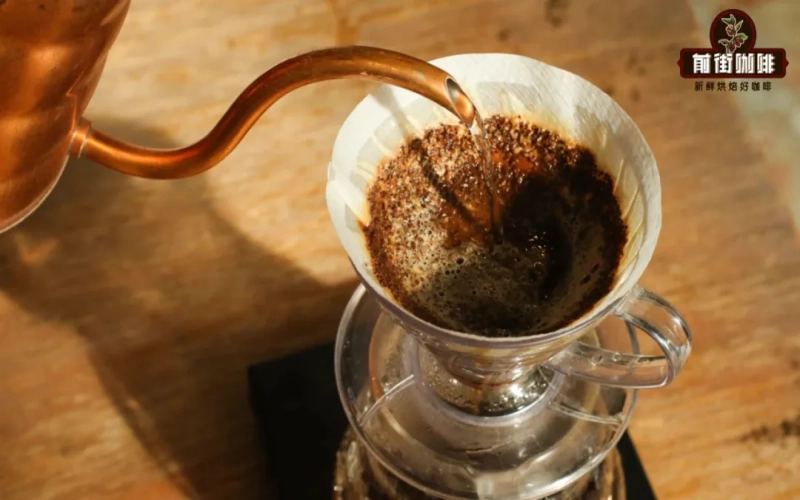
A Complete Analysis of the Optimal Drinking Time for Pour-Over Coffee and How Temperature Changes Affect Flavor
A freshly ground and brewed cup of coffee, like the coffee beans themselves, has its own optimal tasting window. Coffee aromas volatilize easily, and temperature constantly affects how the taste buds perceive sweetness, acidity, and bitterness. Therefore, from the moment it is brewed, the flavor continuously changes with time and temperature. Front Street Coffee compares the tasting performance of dark-roasted Golden Mandheling and light-roasted Gedinding at different time points, documenting the evolution of aroma, mouthfeel, and taste, to find the limit of coffee's tasting window under normal standing conditions. It will also answer common questions such as whether reheating can restore the flavor, and how to extend aroma retention with a lid or thermos, helping you seize the most brilliant drinking window of every cup of coffee. [more…]
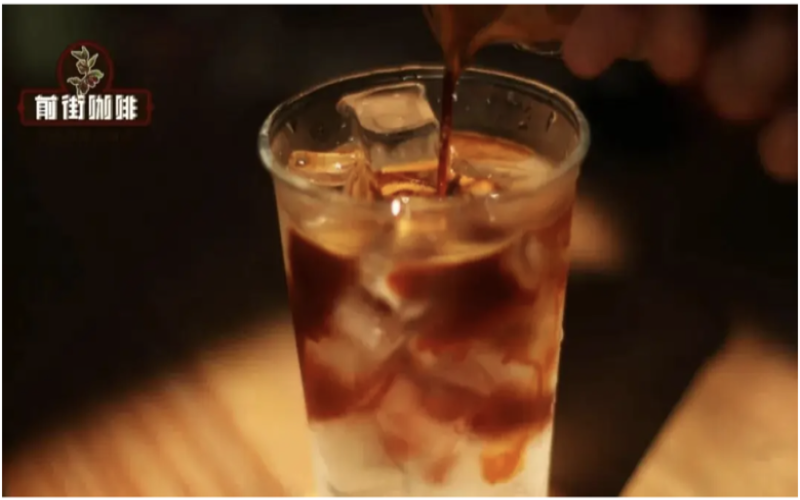
Origin Selection for Cold Brew: Flavor Changes Under Low-Temperature Extraction
The charm of cold brew lies in how low-temperature slow extraction reshapes flavor—the same beans can taste completely different when hot-brewed versus cold-brewed. Understanding how beans from different origins change under low-temperature extraction gives you a deeper basis for choosing beans for cold brew. Light-roasted beans from African origins show the most noticeable changes in cold brew. Beans with bright acidity when hot-brewed, in cold brew [more…]
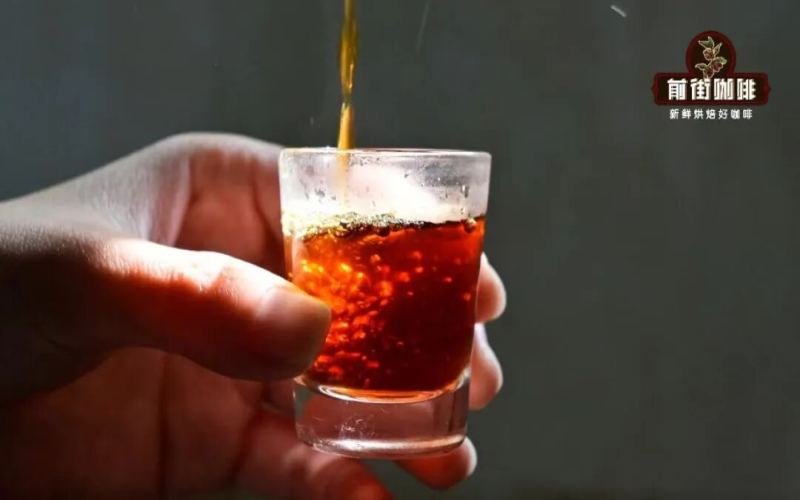
Coffee Tasting Time | How soon after brewing is it best to finish a pour-over coffee? What changes in the coffee flavor of a pour-over coffee the longer it sits?
The peak flavor period refers to the optimal window for tasting coffee beans after roasting is completed. During this time, because there is not too much carbon dioxide interference, and the coffee's flavor compounds have not yet been lost in large amounts, we can brew coffee with the richest aroma and obtain the most complete flavor experience. But did you know, [more…]
Why does coffee taste more acidic after it cools? Causes of pour-over flavor changes and solutions for coffee that's too sour
Many coffee enthusiasts notice that certain coffees seem to become more sour after they cool down. But this is not a universal trait of all coffee—most coffees simply lose some aroma as they cool, without their flavor framework shifting dramatically, and some even reveal greater sweetness as the temperature drops. So why does the sourness of certain coffees rise noticeably after the temperature falls? Behind this lies both the way human perception changes with temperature and the flavor composition of the coffee itself. From the perspective of Front Street, this article sorts out how temperature affects the perception of sourness, sweetness, and bitterness, explains the principle behind the intensified sourness of light-roasted coffee after cooling, and offers directions for adjustment when coffee is too sour. [more…]
Is Hot Latte Bad When It Cools? A Full Analysis of the Correct Way to Reheat It and the Changes in Taste
A freshly made hot latte is rich in aroma and smooth in texture, but once it cools, the milk foam collapses and separates, the coffee turns bitter, and it may even take on a greasy mouthfeel. Faced with a cold latte, many people choose to reheat it and drink it again. So can a reheated latte still taste good? To what temperature should it be heated? Is a steam wand, an electric hot plate, or a microwave more suitable? Front Street compared the effects of different heating methods on latte flavor through actual testing and offered practical suggestions. This article will provide a complete analysis of how a hot latte's flavor changes after it cools, and how to reheat it so the coffee is easier to drink and less is wasted. [more…]

Panama Climate Change Warning: Rainfall to Decrease and Temperatures to Rise by 2050, Coffee and Other Agricultural Exports Face Challenges
Panama's National Adaptation Plan (NAP) project recently released a report that, using global models and nearly 30 years of meteorological data, simulated the country's climate trajectory for 2050 to 2070. The results show that reduced rainfall and rising temperatures will directly impact Panama's agricultural production, especially the cultivation and trade of export crops such as coffee and bananas. At the same time, shipping through the Panama Canal and hydroelectric power generation will also face greater pressure due to drought. This article will walk you through the report's core findings and their potential impact on the coffee industry. [more…]
Uncovering the Hidden Factors Behind Unstable Espresso Extraction: How Residual Grounds, Water Temperature, Pressure, Environment, and Chamber Pressure Affect the Flow
Many coffee enthusiasts will notice that with the same beans and the same machine, the flow rate of espresso can change every few hours or even every few dozen minutes, sometimes fast and sometimes slow. Beyond the aging characteristics of the coffee beans themselves, there are actually quite a few easily overlooked hidden factors influencing the extraction results, including residual grounds in the grinder's chute, temperature fluctuations in the espresso machine's hot water, the state of the pump pressure, changes in ambient temperature, humidity and air pressure, and whether the grinder's hopper pressure remains stable in a café setting. Front Street will analyze these factors' mechanisms of influence on espresso extraction one by one, and provide corresponding improvement solutions to help everyone reduce unnecessary adjustments and make their output more consistent. [more…]
Pour-Over Coffee | For coffee that has cooled down, is it better to reheat it or add ice? Why does coffee's taste change so much from hot to cold?
We all know that brewed coffee will naturally cool down over time, but beyond that, its flavor also undergoes irreversible changes during this process. For example, the originally rich and fragrant aroma has clearly dissipated, dark-roasted coffee becomes less smooth, medium-light roasted coffee highlights its sour and astringent notes even more, and may even develop an unpleasant [more…]
Pour Over Coffee Tasting | Can Cold Pour Over Coffee Be Reheated? Will the Coffee Flavor Change? What to Pay Attention to When Reheating Pour Over Coffee
Good coffee should be drunk while it's hot, as that allows you to better appreciate its rich flavors and mouthfeel—this is a saying that Front Street Coffee often has on the tip of its tongue. Although Front Street Coffee still hasn't been able to completely ditch short sleeves even now, as autumn and winter draw nearer, in the chilly indoor space, a freshly brewed hot coffee has only been drunk for a short while before, in the blink of an eye, [more…]
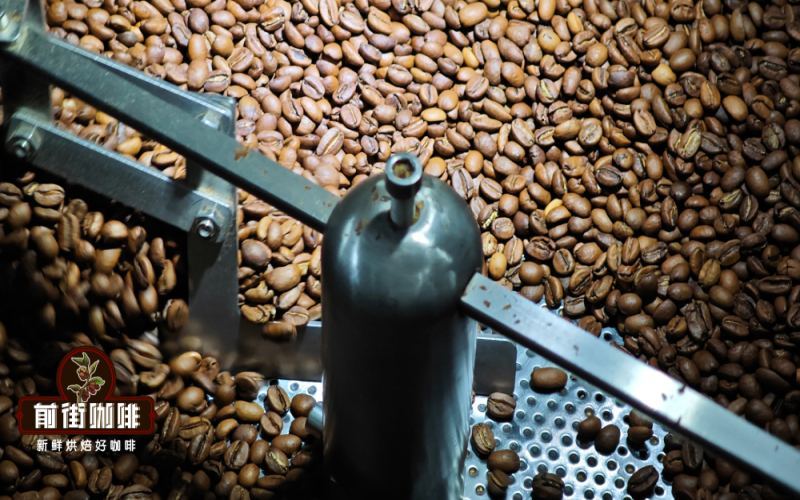
How Big Is the Difference Between Dark Roast and Medium Roast Coffee? A Detailed Look at the Chemical Changes in Roasting and Medium-Dark Roast Coffee Recommendations
Why can green coffee beans emit such captivating flavors after high-temperature roasting? The key lies in a series of chemical changes that occur during the roasting process. This article will provide an in-depth analysis of the impact of the Maillard reaction and caramelization reaction on coffee flavor, explain the practical differences between dark roasts and medium roasts, and introduce several Front Street Coffee beans with different roast levels along with their brewing parameters, helping coffee enthusiasts gain a more comprehensive understanding of the relationship between roast level and flavor. [more…]
How Does Portafilter Temperature Affect Espresso Extraction? A Comparative Test of Brew Head Preheating vs. Chilled Portafilter
Espresso extraction involves numerous variables, and portafilter temperature is often overlooked. Front Street Coffee designed a comparative experiment to address the question of "whether the hot or cold brew head affects tamping force": keeping dose and yield fixed while only changing the portafilter temperature, recording time, concentration, flavor, and milk-coffee performance. The experiment used Front Street Sunflower Warm Sun Blend, and the results showed that although temperature did not significantly change the extraction yield, it clearly steered the flavor direction—a preheated portafilter made the full-bodied feel and winey notes more prominent, while a chilled portafilter amplified the fruity acidity and light texture. This article will present the complete experimental data and tasting conclusions, and answer whether tamping force needs to be adjusted with temperature, as well as how to decide on a portafilter preheating strategy based on the coffee bean roast level. [more…]
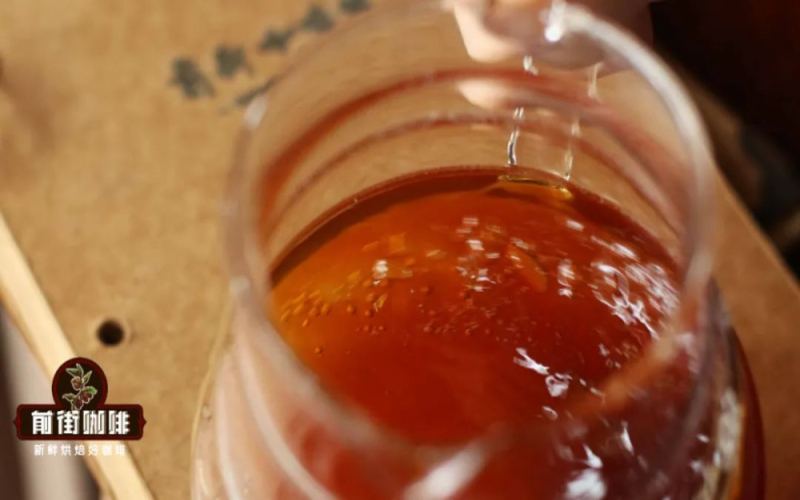
Can cooled coffee be reheated? Analyzing the impact of temperature drop on flavor and practical remedies
After a freshly brewed cup of coffee sits for a while, its aroma gradually dissipates, and its mouthfeel changes noticeably. Dark roasts become less smooth, medium-light roasts develop a more pronounced sourness and astringency, and a bitter, muddled finish may even appear. Why does cooling rob coffee of its appeal? If you reheat cold coffee or chill it with ice, can it regain its original flavor performance? This article analyzes the issue from two perspectives—chemical changes and sensory perception—and, through a comparative experiment between Front Street Coffee Kafa Forest and Front Street Coffee Yirgacheffe, explores practical remedies for cooled coffee. [more…]
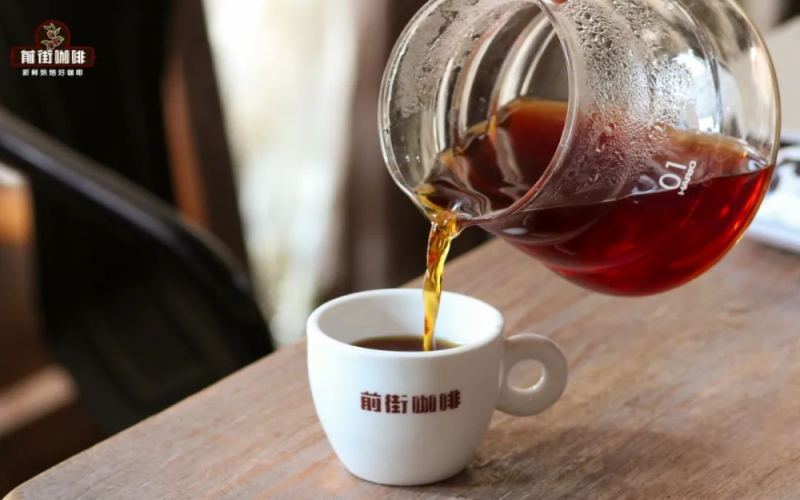
How Much Aroma Can a Thermos Preserve When Storing Pour-Over Coffee? A 6-Hour Flavor Change Test of Yirgacheffe
As temperatures drop, pour-over coffee quickly goes cold. Front Street Coffee conducted an experiment using a washed Yirgacheffe Gedingding, pouring freshly brewed coffee into a 316 stainless steel thermos and sealing it, then measuring the temperature and tasting the flavor hour by hour. At 1 hour, 65.8°C, it still retained floral and citrus notes; at 2 hours, 60°C, there was almost no change; at 3 hours, 54°C, the flavor was slightly weaker; at 4 hours, 50°C, the floral notes had dissipated and the acidity and sweetness became more prominent; at 5 hours, 46°C, only honey green tea and citrus acidity remained. The test shows that a qualified thermos can preserve the flavor well for 2-3 hours, making it suitable for taking to work, but after 4-5 hours the drop in temperature makes it prone to bacterial growth, so long-term storage is not recommended. [more…]
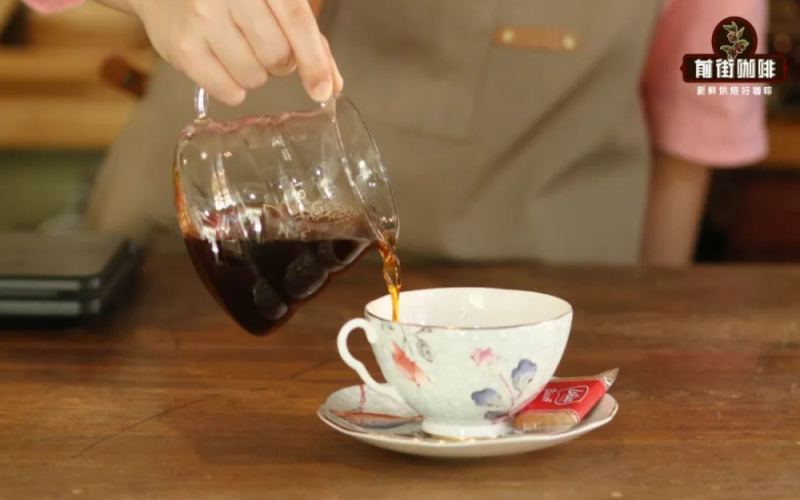
Why Does Pour-Over Coffee Taste Sour After It Cools? A Comprehensive Analysis from Aroma Loss to Taste Perception
Many coffee enthusiasts encounter a phenomenon when tasting pour-over coffee: as the temperature drops, the flavor of the coffee seems to change, sometimes even developing an unpleasant sourness. This is not a problem with brewing technique, but rather a series of physical and chemical changes that coffee undergoes as it goes from hot to cold. Front Street Coffee will take you on an in-depth look at the processes of aroma loss, oil oxidation, pigment polymerization, and condensation after coffee cools, while also explaining from the perspective of sensory science why the perception of sourness, sweetness, and bitterness on the taste buds changes with temperature. Through this article, you will understand the real reasons why coffee becomes sour or bitter after it cools, allowing you to view the relationship between coffee temperature and flavor more rationally and improve your tasting experience. [more…]
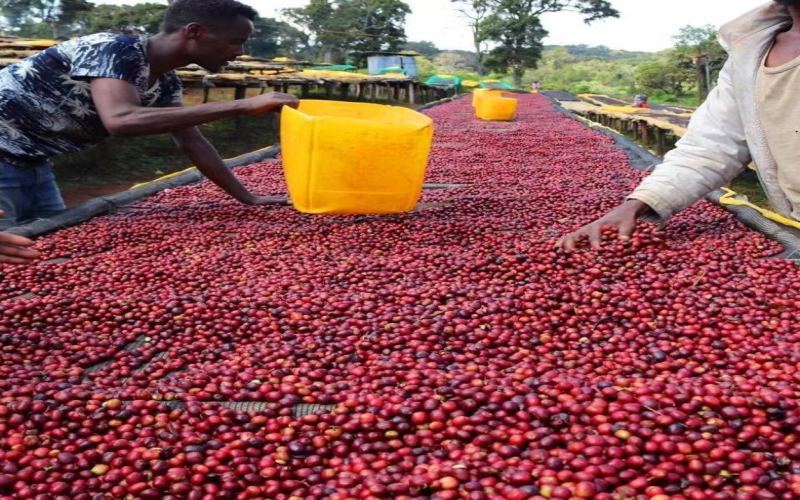
Coffee Beans Worth Trying for Hand Grinder Enthusiasts: How Different Roast Levels Change the Cup
The roast level changes the flavor focus and extraction rhythm of coffee beans. Light roasts usually retain more floral and fruity aromas and bright acidity, medium roasts tend to present sweetness and balance, while dark roasts lean toward nutty, cocoa, and full-bodied flavors. None is inherently better than another; the key is whether it matches your brewing method. Pour-over flavor is mainly determined by origin, variety, [more…]
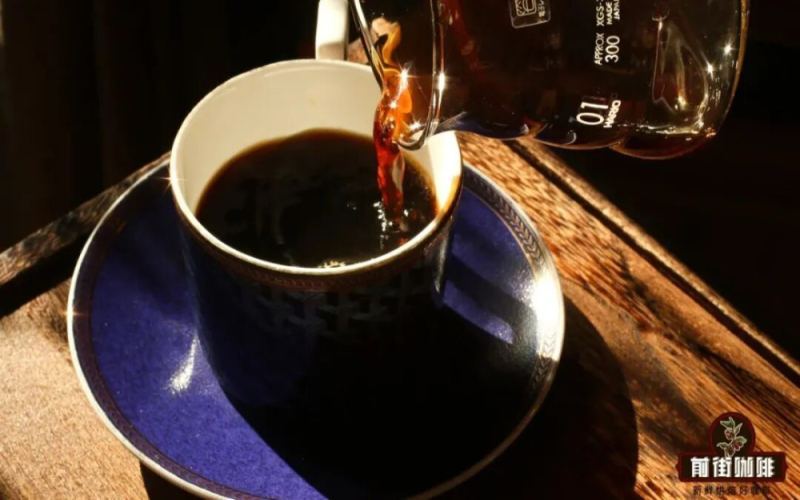
How Does the Flavor of Pour-Over Coffee Change After It Cools? Can You Reheat It and Keep Drinking? A Professional Analysis of Temperature's Effect on Taste
Drinking coffee while it's hot is the only way to enjoy it—this is the consensus among many coffee lovers. But when a pour-over goes from scalding hot to lukewarm, or even completely cold, what exactly happens to the flavor? When coffee goes cold, some people try to rescue it by reheating it—is this approach viable? From the professional perspective of Front Street, this article breaks down in detail the differences in how taste buds perceive sweetness, acidity, and bitterness across different temperature ranges, analyzes the deterioration in mouthfeel caused by aroma loss, oil oxidation, and precipitation of soluble compounds after coffee cools, and uses a tasting example of Sidamo Alo to illustrate the concrete flavor expression at each stage—high temperature, medium temperature, and low temperature. At the same time, the article offers practical advice on reheating, providing reference temperature ranges for warming back up according to the different characteristics of medium-light roasts and medium-dark roasts, helping readers minimize waste as much as possible while preserving the pleasant experience a cup of coffee should have. [more…]