







How to Make a Hot Vanilla Latte That Survives Reheating
A freshly made hot latte carries rich aroma and smooth microfoam, but as it cools the foam collapses and separates, the coffee turns bitter, and a greasy mouthfeel can appear. Reheating can make the drink easier to finish and cut waste, but the flavor will not fully return to its just-poured state, so the temperature and method you choose matter.
A steam wand, electric hot plate, and microwave each affect the milk and espresso differently, and testing shows the results vary. Keep the reheating gentle and stop before the milk scalds. Whether a latte tastes bitter depends largely on the espresso base and milk temperature, so pulling a balanced shot and steaming milk correctly limits the bitterness that shows up once the cup cools.
When a hot latte is freshly made, it has a rich aroma and smooth texture, but once it cools, the milk foam collapses and separates, the coffee turns bitter, and it may even develop a greasy mouthfeel. Faced with a cold latte, many people choose to reheat it before drinking. So, can a reheated latte still taste good? What temperature should it be heated to? Is a steam wand, electric hot plate, or microwave more suitable? Front Street conducted actual tests comparing the effects of different heating methods on latte flavor and offers practical advice. This article provides a complete analysis of how a hot latte's flavor changes as it cools, and how to reheat it so the coffee is easier to drink and less is wasted.
Friends who enjoy milk coffee have likely experienced this: a hot latte is at its most enticing the moment it is served. The oils release abundant aroma, and the first sip delivers delicate, dense microfoam. At the right temperature, the richness of the espresso and the natural sweetness of the milk complement each other, creating a balanced, full-bodied cup.
In the article "What Milk Temperature Makes the Best Latte?", Front Street also discussed the critical impact of temperature on milk coffee. Once a hot latte cools, the aroma fades noticeably, the milk foam gradually congeals, and the coffee liquid at the bottom of the cup takes on a rough, sandy texture, sometimes with a hint of greasiness that lingers on the tongue. After it has fully cooled, just one small sip is enough to make you grimace—and in winter, you won't even want a second sip.
Out of a habit of not wasting food, most people face two choices: either pinch their nose and down it (most likely with a pained expression), or reheat the coffee before drinking it. For those with a full set of equipment at home, there are plenty of appliances that can reheat coffee, so the second option is often preferred.
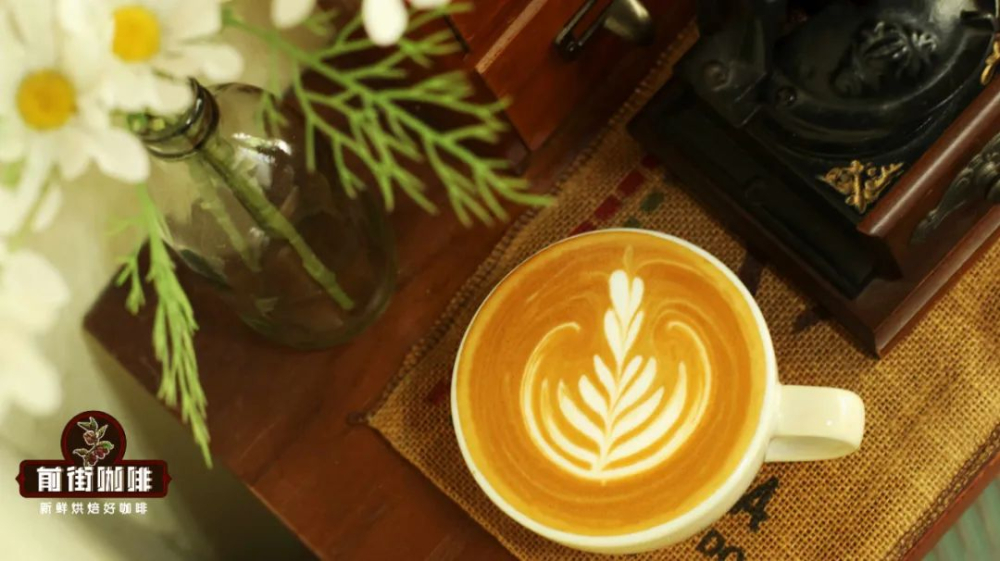
(Boss, could you heat up my latte, please~)
So the question arises: Does a reheated latte still taste good? What temperature is best for reheating? And what everyone cares about most—how should you reheat it to get the best flavor?
Why doesn't a hot latte taste as good after it cools?
What we perceive as taste is essentially the result of chemical substances in food reacting with receptors on the tongue. As coffee goes from hot to cold, two main aspects are affected: aroma and mouthfeel. Freshly brewed coffee continuously releases volatile aromas as it cools. When the coffee temperature drops below human body temperature, the taste buds become less sensitive to sweetness and pleasant sweetness, while sourness and bitterness are relatively amplified.
The same applies to a hot latte. When a well-integrated milk coffee drops from 65°C to below 45°C, the aroma of the coffee oils and the sweet scent of hot milk continually dissipate, the milk foam gradually breaks down and separates from the coffee liquid. Moreover, heated milk has already undergone changes in its fat and protein structure, and once cooled, the two present different flavors, ultimately degrading the overall mouthfeel of the coffee.
Can a cooled latte be reheated?
Front Street first made a hot latte using the house blend Warm Sun. When freshly made, the measured temperature was 61°C. On the palate there were notes of vanilla, creamy melon seeds, milk chocolate, and a faint fermented wine aroma. The sweetness of the milk and the aroma of the espresso paired harmoniously in the mouth.
After leaving it outdoors for 20 minutes, the latte's temperature dropped to 38°C. It tasted of chocolate and nutty cookies, but the aroma had weakened, the coffee's bitterness somewhat overpowered the milk, and the mouthfeel became sharp. After another 40 minutes, the temperature measured 29°C. By then the coffee had lost the flavors that provided sweetness, and a slight burnt note emerged in the mouth, like drinking a bitter glass of low-temperature milk.
Next, Front Street divided the remaining coffee evenly into two portions: one reheated with a steam wand, and the other warmed on an electric hot plate, until both returned to 50°C.
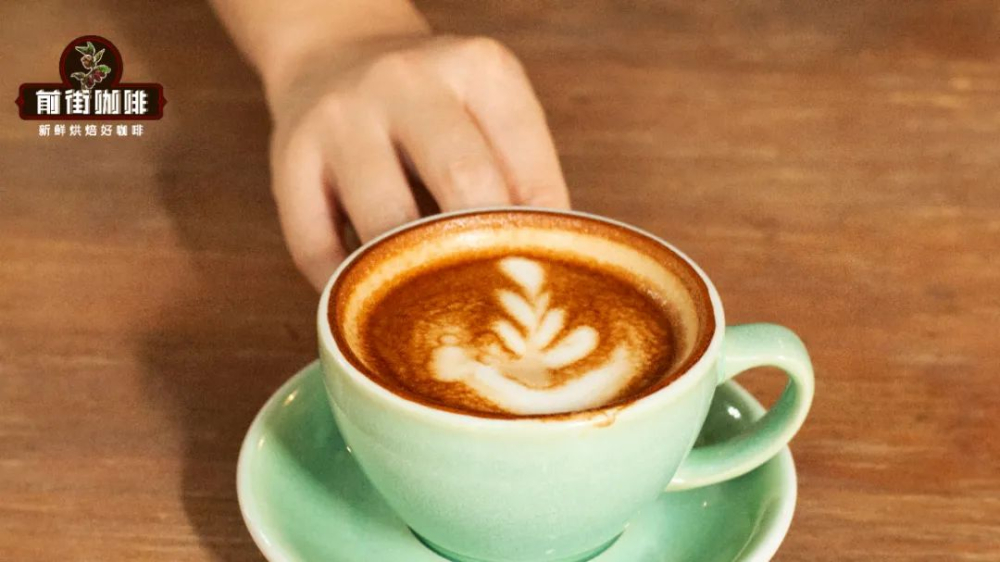
After tasting and comparing, neither reheated coffee retained the aroma of the Warm Sun blend, and both tasted relatively flat. Among them, the latte heated with the espresso machine's steam wand, affected by the high-temperature steam, tasted watery; although it wasn't bitter, it left a slight astringency after swallowing.
The second portion, heated directly on an electric hot plate, showed no change in strength, but the reheating also intensified the coffee's bitterness, with a dry, walnut-skin-like finish.
By now, you can probably draw the conclusion: for a hot latte that has already gone cold, whether you use steam or a direct heat source, it is theoretically impossible to return it to its freshly made delicious state, because the coffee has undergone irreversible flavor changes. However, compared to the bracing chill of a cold drink, bringing the coffee back to near body temperature does make it easier to drink—and naturally avoids waste.
Besides the two reheating methods mentioned above, there is actually another common approach: microwaving. For office workers or those at home, microwaving is clearly the most convenient and quickest option. However, because microwave heating tends to be uneven, once the liquid boils it can spatter and overflow. So it's best to leave half the container empty, avoid using too high a power level, and start by heating for 30 seconds—then check the temperature before deciding whether to continue.
- END -
The above content is compiled by CoffeeHunters, a coffee news website.


