







Search Results for: entry

Recommended entry-level moka pot coffee beans: balancing budget and drinking frequency
Entry-level moka pot coffee beans can reveal different facets depending on the brewing method. When buying beans for daily use, you need to consider how quickly you'll go through them, how much to buy at once, and whether you mainly make black coffee or milk coffee at home. Pour-over easily brings out the aroma, espresso machines emphasize intensity, and the moka pot amplifies richness. When choosing beans, you should first determine what you usually [more…]

Espresso and Fancy Coffee | How Can Coffee Newbies Make a Latte at Home? What Are the Latte Making Methods, Espresso Ratios, and Preparation Techniques? An Introduction to the Characteristics, Origin, and History of the Latte
A few days ago, a coffee enthusiast asked Front Street Coffee (FrontStreet Coffee): if the same bean is used, with the same grind size and the same dose, when producing milk coffee, Americano, and espresso, will there be different requirements for the espresso's brew ratio? So Front Street Coffee (F [more…]
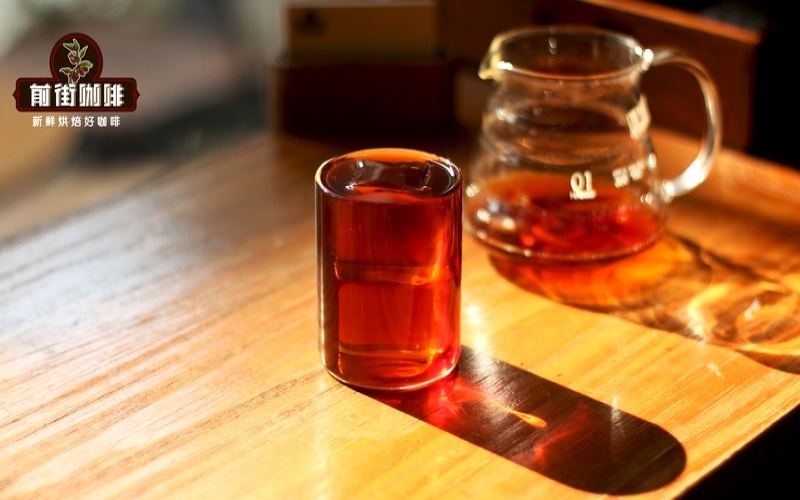
Beginner-Friendly Yirgacheffe Entry-Level Options: Balancing Budget and Drinking Frequency
When it comes to Yirgacheffe entry-level options suitable for beginners, first consider how you'll be drinking it every day. For daily bean purchases, you need to think about how quickly you'll go through them, how much to buy at a time, and whether you'll mainly be making black coffee or milk coffee at home. If you mostly drink black coffee, you can pay more attention to aroma and aftertaste; if you often add milk, then consider whether the strength and body can hold [more…]
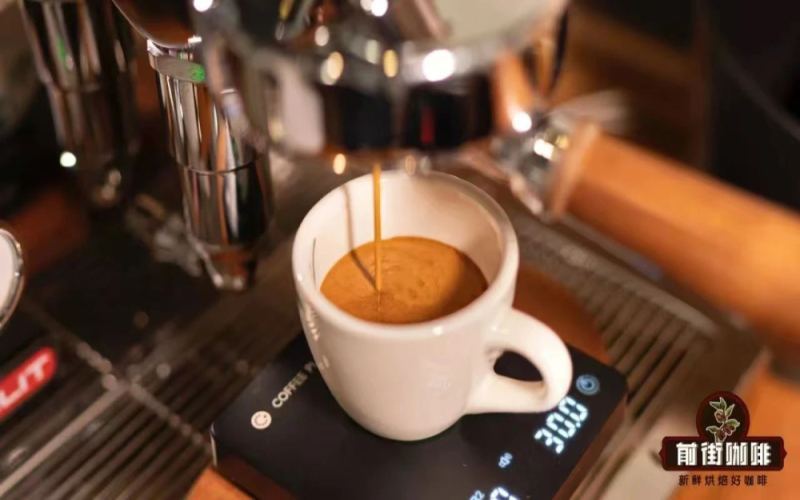
拿铁咖啡的由来与特点解析:不同浓缩粉水比对奶咖美式的风味影响
拿铁、美式与浓缩咖啡同根同源,却因浓缩萃取比例不同而呈现出截然不同的风味表现。前街咖啡以同一款精品拼配豆、相同研磨度与粉量,测试了1:1、1:1.5、1:2三种粉水比对浓缩、拿铁、美式的具体影响。结果显示,粉水比1:1的浓缩偏酸但加奶后甜感突出,1:1.5层次最丰富且拿铁均衡,1:2则容易过萃出现木质与烟味。文章还解释了意式浓缩对拼配豆的依赖,并推荐了前街经典意式拼配。 [more…]
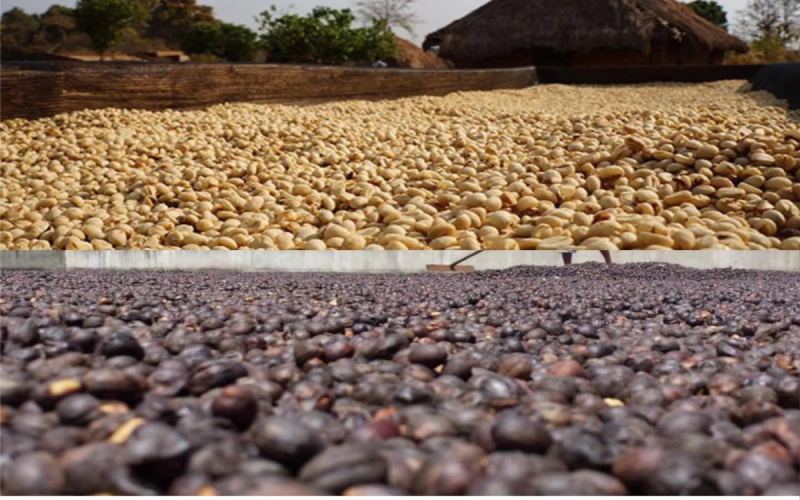
Entry-Level Manual Grinder Coffee Bean Recommendations | Why Do All Coffee Newbies Fall in Love with Yirgacheffe? What Makes Yirgacheffe Single-Origin Beans So Special?
How can anyone who drinks coffee not know Yirgacheffe? Such a poetic name, paired with coffee beans that are equally poetic, because it is world-famous for its intoxicating floral and fruity aroma. Front Street Coffee, after cupping numerous coffee beans from the Yirgacheffe region, found that the coffee beans produced in this area all have a clear and clean taste as well as [more…]
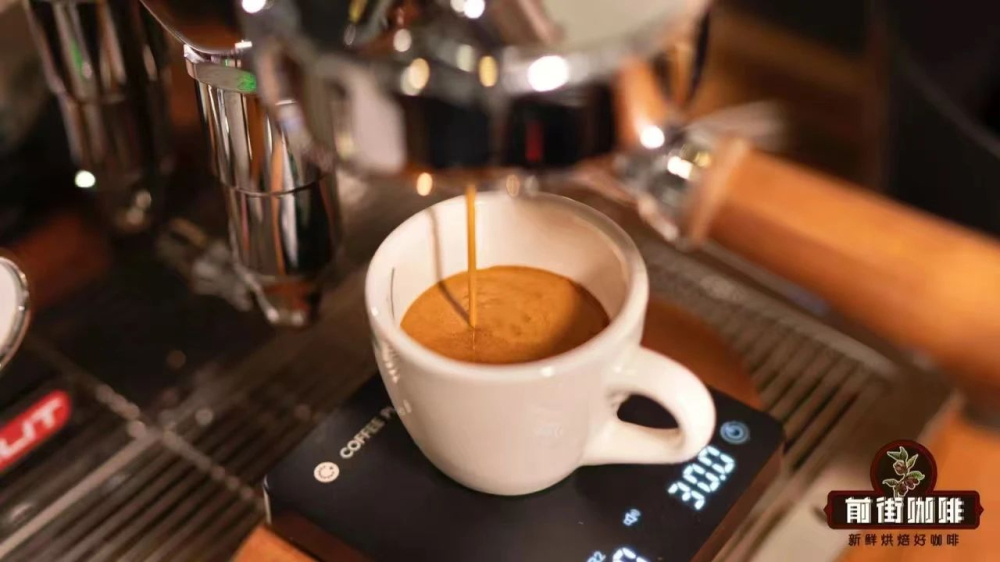
The Origin of Latte | What is the espresso extraction coffee-to-water ratio for the espresso base of a latte or americano? What coffee beans are used for espresso?
A few days ago, a coffee enthusiast asked Front Street Coffee (FrontStreet Coffee): if the same bean is used, with the same grind size and the same dose, when preparing milk coffee, Americano, and espresso, will there be different requirements for the espresso's brew ratio? So Front Street Coffee (F [more…]
Top Ten Well-Known Pour-Over Coffee Bean Brands | Which Coffee-Producing Country Has the Best-Tasting Single-Origin Beans? What Specialty Pour-Over Beans Do Seasoned Coffee Enthusiasts Recommend?
Coffee is one of the best-selling beverages in the world. Because different countries export coffee, the quality, taste, and mouthfeel of coffee can vary from country to country. So which country has the best coffee? 1. Front Street Ethiopia Sidamo Huakui coffee beans. Region: Sidamo Hambela Buku A [more…]
SOE Coffee Bean Recommendations: How to Choose Between Light, Medium, and Dark Roasts
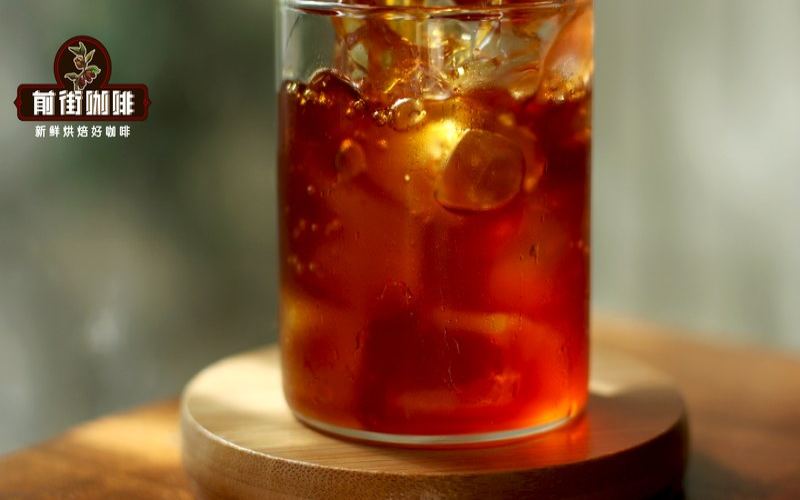
SOE usually refers to single-origin coffee used for espresso extraction, and the roast level of the beans directly affects the aroma, the balance of acidity and sweetness, and the mouthfeel. To choose more accurately, start by deciding whether you prefer something light and bright or round and rich, then narrow the range among light, medium, and dark roasts, and your brewing method will fall into place more easily too. Light roast [more…]
Not Sour, Not Bitter: What Roast Level Determines in Pour-Over Beans
If you want your pour-over coffee to taste mellow, roast level is a very practical entry point to observe. It affects the brightness of acidity, the way bitterness appears, the thickness of sweetness, and the direction of aroma. The so-called "neither sour nor bitter" does not mean weakening all the flavors, but rather finding the position that suits you best among refreshing, sweet, and full-bodied. [more…]

Choosing Beans for Cold Brew Based on Roast: Finding Fruity Notes, Sweetness, and Body at Low Temperatures
The charm of cold brew coffee lies in how low temperatures and prolonged contact soften the palate: acidity feels less sharp, and bitterness is less likely to dominate your attention. Different roast levels leave different focal points in the final cup: light roasts lean toward bright fruit notes, medium roasts more readily achieve a sweet, well-rounded balance, while dark roasts rely on cocoa, nuts, and a hefty body. [more…]
Light, Medium, and Dark Roasts: Cup Profile Differences in Decaf Pour-Over Beans
When selecting decaffeinated coffee beans, you can first judge the flavor direction by the roast level, then confirm the decaf or decaffeinated label on the packaging. The roast level mainly affects aroma, acidity, sweetness, and body, and does not by itself determine caffeine content. To reduce your intake, you should first confirm what process the beans have undergone; to make your brew [more…]
Choosing Non-Acidic Pour-Over Beans by Roast Level: From Medium to Dark Roast
Pour-over coffee doesn't only express bright fruity acidity. If you prefer a soft, easy-drinking cup with nutty or cocoa notes, you can start by choosing beans from three directions: medium roast, medium-dark roast, and dark roast. The darker the roast, the more the acidity usually recedes, and the flavors gradually shift toward caramel, roast, chocolate, and nuts, making them suitable for breakfast, [more…]
How to Choose Between Sweet and Sour Balance: Looking at Coffee Beans from Light Roast to Dark Roast
A coffee bean with balanced acidity and sweetness is not simply a matter of adding sourness and sweetness together; rather, it has a bright sensation on entry, followed by a soft sweetness, with a finish that is neither sharp nor astringent, and is not overpowered by bitterness. The roast level changes how this balance is expressed: light roasts lean toward aroma and fruity acidity, medium roasts toward rounded sweetness, while dark roasts use caramel and cocoa [more…]
Choosing Hand-Ground Coffee Beans by Roast Level: From Bright Fruity Notes to Rich Cocoa
How to choose coffee beans for hand grinding—you can start with the roast level. It doesn't just determine how dark the beans are; it also influences the direction of the aroma, the balance of acidity and sweetness, the body, and the brewing method best suited to the ground coffee. People who enjoy bright fruity notes usually take more readily to light roasts; if you want rounded sweetness that works well hot or iced, look to medium roasts; if you lean [more…]
Entry-Level Espresso Beans | What Conditions Must Be Met for Standard Espresso Output? Recommended Espresso Blend Coffee Beans for Great Americano and Latte
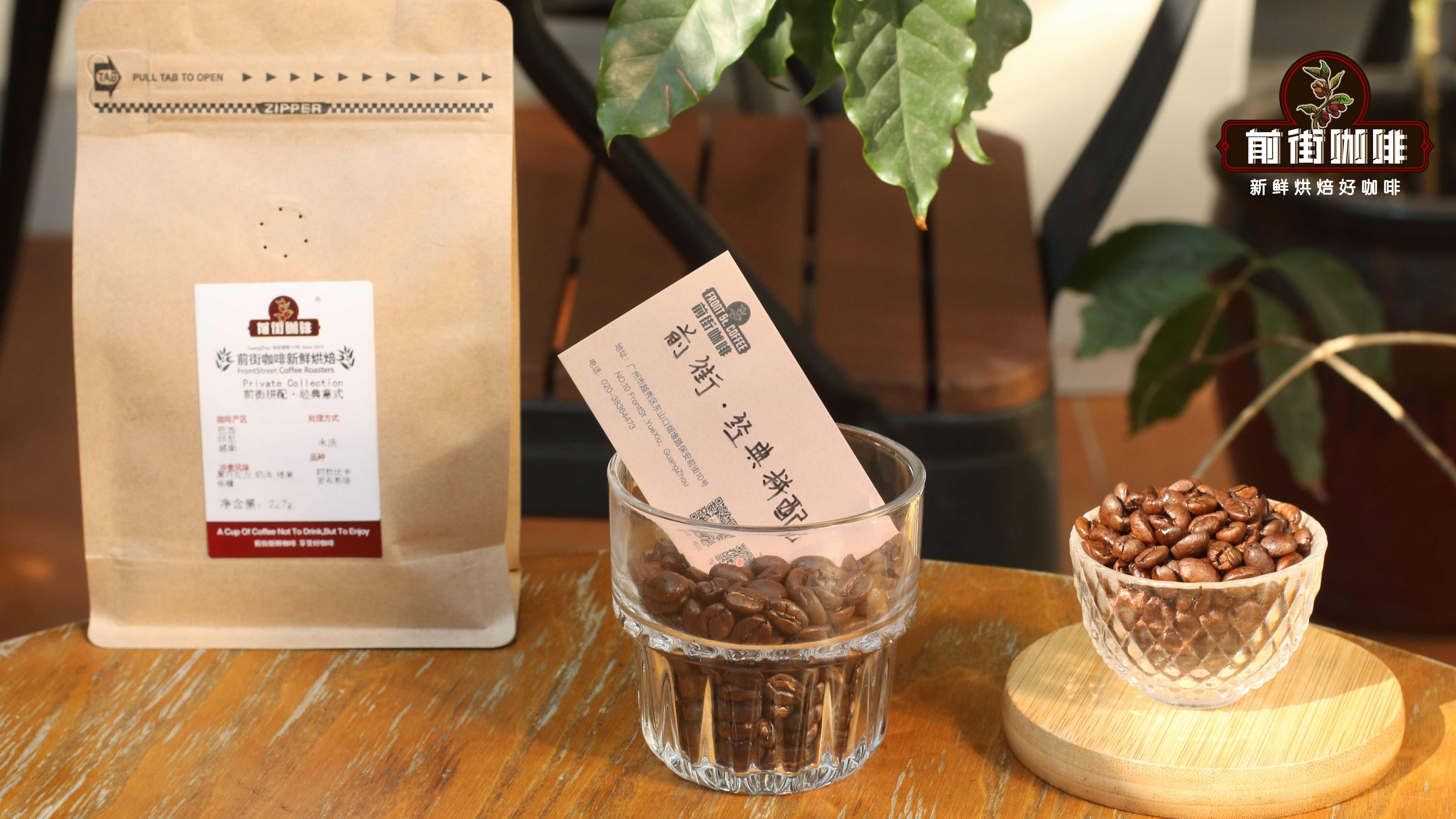
The coffee beans used for mainstream espresso in today's coffee shops are essentially of two types: blends or single-origin espresso SOE. So, what is the difference between these two types of coffee beans when made into espresso? Let's first talk about traditional Italian espresso, which is what we usually call Espresso, referring to a type with a strong taste. [more…]
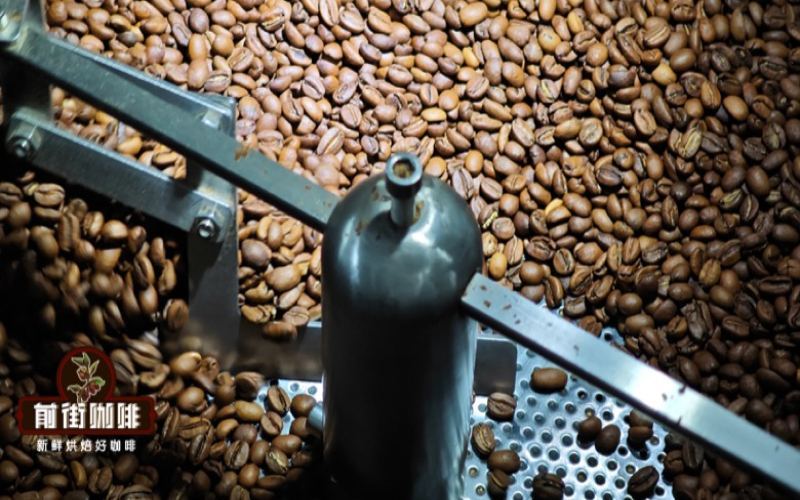
How to Choose Blended Coffee Beans: A Bean Selection Guide for Everyday Drinkers
When you first start buying beans, there's no need to chase a wide range of flavors all at once. A more practical approach is to start with a bean that has a clear flavor profile and works well across different brewing methods, then keep your dose, grind, and water temperature fixed while you observe how the entry, sweetness, and finish change. This way you can build your own taste reference. For espresso extraction, the key is dose [more…]
Espresso Machine Medium-Roast Coffee Bean Recommendations: A Bean Selection Method for Everyday Drinkers
When you first start buying beans, there's no need to chase a wide range of flavors all at once. A more practical approach is to start with a bean that has a clear flavor profile and is highly compatible with different brewing methods, then lock in your dose, grind, and water temperature, and observe how the entry, sweetness, and finish change. This way you can build your own taste reference. For espresso extraction, the focus is on dose [more…]
Delicious Americano Coffee Beans Recommendations: A Bean Selection Method for Everyday Drinkers
When you first start buying beans, you don't need to chase a wide range of flavors all at once. A more practical approach is to first choose a bean with a clear flavor profile and high compatibility with different brewing methods, then lock in your dose, grind, and water temperature, and observe how the entry, sweetness, and finish change. This way you can build your own flavor reference. Pour-over flavor is mainly determined by the origin. [more…]
Recommendations for Espresso Beans with Lots of Crema: A Bean-Selection Method for Everyday Drinkers
When you first start buying beans, you don't need to chase a wide range of flavors all at once. A more practical approach is to first choose a bean with a clear flavor profile and high compatibility with different brewing methods, then lock in your dose, grind, and water temperature, and observe how the entry, sweetness, and finish change. This way you can build your own taste reference. For espresso extraction, the focus is on the dose [more…]
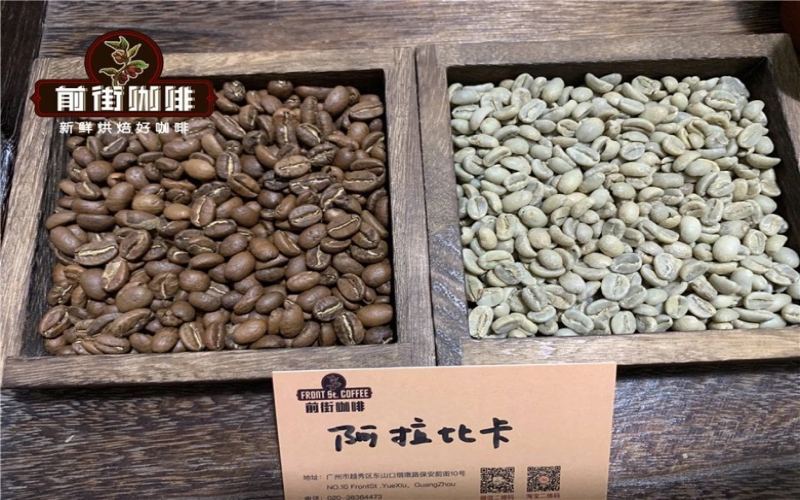
How to Choose SOE Single-Origin Coffee Beans: A Bean Selection Method for Everyday Drinkers
When you first start buying beans, you don't need to chase a wide range of flavors all at once. A more practical approach is to start with a bean that has a clear flavor profile and high brewing-method compatibility, lock in your dose, grind, and water temperature, then observe how the entry, sweetness, and finish change. This way you can build your own taste reference. In espresso extraction, the focus is on dose. [more…]