







Search Results for: cooling

Pour-Over Coffee | For coffee that has cooled down, is it better to reheat it or add ice? Why does coffee's taste change so much from hot to cold?
We all know that brewed coffee will naturally cool down over time, but beyond that, its flavor also undergoes irreversible changes during this process. For example, the originally rich and fragrant aroma has clearly dissipated, dark-roasted coffee becomes less smooth, medium-light roasted coffee highlights its sour and astringent notes even more, and may even develop an unpleasant [more…]

Pour-over black coffee drinking method | What is the best temperature for tasting coffee? Is there a big difference in coffee flavor at different temperatures? Can pour-over coffee be reheated after it cools down?
The saying "coffee should be drunk while it's hot" is something people often keep on their lips, and not without reason! Front Street Coffee remembers a coffee friend describing coffee after it had gone cold like this: "After one sip my head hurt so much, that bitter/sour + woody taste lingered in my mouth and wouldn't go away, and it made me withdraw for a long time~" Hot coffee left to cool [more…]
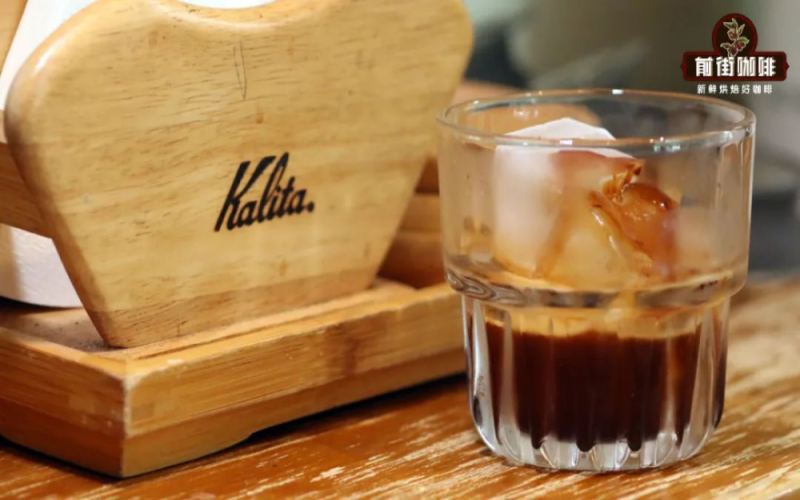
Black Coffee Brewing Methods | Which Tastes Better: Full-Ice Americano or Iced Americano? How Can Coffee Beginners Make a Waterless Iced Americano?
“Hey handsome! One iced americano, and make it the kind without water.” This was a request a barista at Front Street Coffee once received. Although Front Street has quite a few secret menu items (such as Flat White and Dirty), hearing this request still caught them a little off guard. [more…]

Japanese-Style Iced Pour-Over Tutorial | For iced pour-over coffee, should you add ice first or ice last? What is the ratio of coffee grounds, water, and ice for iced coffee brewing?
For more specialty coffee knowledge, please follow our WeChat public account: FrontStreet Coffee. A while ago, a customer asked, "How do you brew your iced pour-over coffee? Is there a difference between adding ice first and adding ice later?" In this issue, Front Street will conduct an experiment to compare them, hoping to [more…]
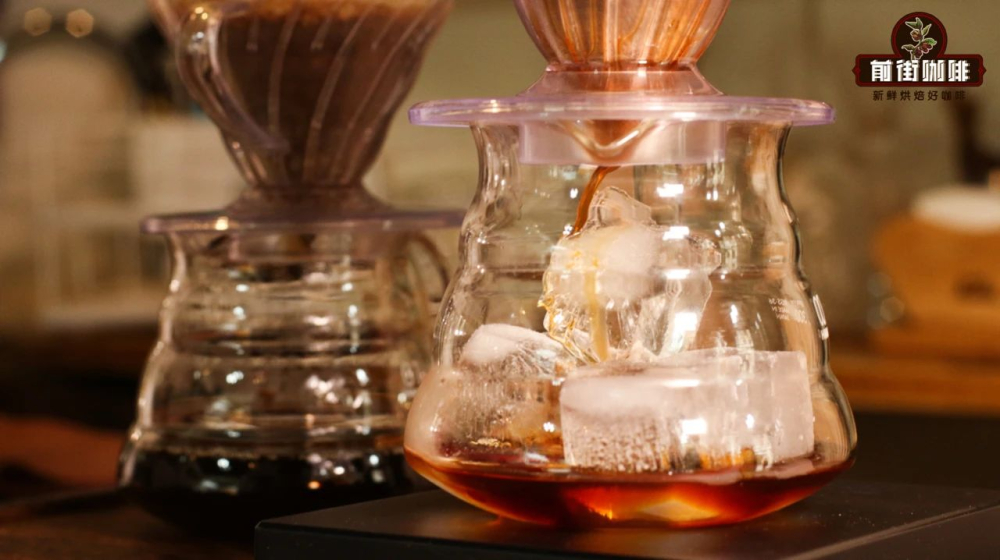
Japanese Iced Pour-Over Ratio | How Do You Make Iced Pour-Over Coffee? For Iced Pour-Over Coffee, Do You Put the Ice in First or Add It Later? How Do You Describe the Flavor and Mouthfeel Characteristics of Iced Pour-Over?
To drink iced coffee, is cold brew the only option? Not at all!! There are many ways to make iced coffee, such as Japanese-style iced coffee. Today, I'll share with you how to make a cup of Japanese-style iced coffee. A few days ago, a customer asked, "How do you brew your iced pour-over coffee? Is there a difference between adding ice first and adding ice later?" This [more…]

After the roast date: when to open a bag of pour-over beans and how to keep the aroma going
After coffee beans leave the roaster, they continue to release carbon dioxide internally. If you brew them immediately, the gas may prevent hot water from evenly entering the coffee bed, making the aroma lively but somewhat hollow, and the sweetness not fully developed. After resting for a period, degassing tends to slow down, and the floral and fruity notes, acidity, sweetness, and aftertaste are more easily connected in the cup. This is the arrangement for [more…]

The Science of Specialty Coffee | How do you interpret coffee roasting levels and roasting percentages? What are the flavor characteristics of different roasting levels?
We usually talk a lot about coffee bean brewing, but today Front Street Coffee will explain coffee bean roasting knowledge to everyone. We know that the process of coffee beans going from green beans to roasted beans is the roasting process, and this process includes light roast, medium roast, and dark roast. Exactly how should different coffee beans be roasted? At the same time, light roast, medium roast [more…]
Can SOE be brewed with pour-over? Balancing budget and drinking frequency
The pour-over performance of SOE coffee beans isn't something you can master just by memorizing a few names. When buying beans day to day, you need to consider how quickly you'll drink them, how much to buy at once, and whether your household mainly drinks black coffee or milk coffee. What's truly worth referencing is the sweet-to-sour ratio on the palate, the body's thickness or thinness, and the lingering finish as the coffee cools—then, combined with your brewing habits, make your choice. [more…]

Coffee recommendations that make it easier for beginners to choose well: balancing budget and drinking frequency
For beginners, choosing coffee beans isn't just about memorizing a few names. When buying beans for daily use, you need to consider how quickly you'll drink them, how much to buy at once, and whether you'll mainly make black coffee or milk coffee at home. What's truly worth referencing is the sweet-to-sour ratio on the palate, the body thickness, and the aftertaste once it cools; combine that with your brewing habits, and your options become [more…]

Choosing Yirgacheffe Coffee Beans Suitable for Pour-Over by Roast Level
When Yirgacheffe is placed in a dripper, the usual notes are floral, citrus, and berry aromas, with a light body on the palate, and as it cools, sweetness gradually emerges. Different roast levels push these characteristics in different directions: a light roast is livelier and brighter, a light-medium roast is rounder and more balanced, while a medium-dark roast brings cocoa, nuts, and a fuller body. To choose the right one [more…]
Recommend coffee beans with a pronounced berry flavor: balancing budget and drinking frequency
Coffee beans with a noticeably berry-like flavor aren't something you can nail down just by memorizing a few names. When buying beans day to day, you need to consider how quickly you'll drink them, how much to buy at once, and whether your household mainly makes black coffee or milk coffee. What's genuinely useful for reference is the sweet-to-sour ratio on the palate, the body's thickness or thinness, and the aftertaste once the coffee cools—then, combined with your brewing habits, choose [more…]
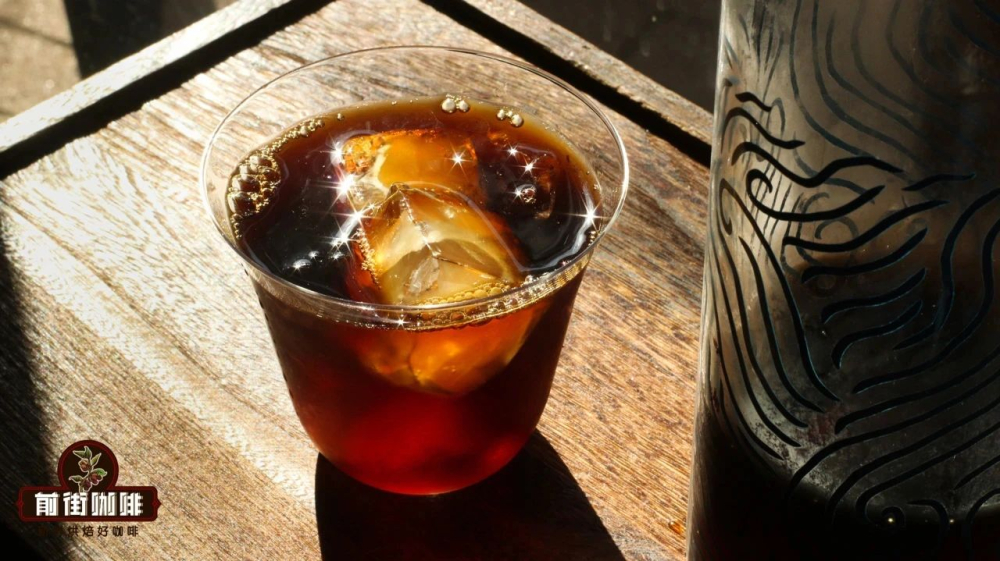
Coffee Culture Extraction Knowledge | Why is Cold Brew Black Coffee More Expensive Than Iced Americano? Cold Brew Coffee Flavor Characteristics, Extraction Parameters, and Step-by-Step Method Introduction
Iced coffee has been around for centuries, and the concept seems to have originated in places as far-flung as Vienna and France, so don't be ashamed if it's your go-to. Cold brew coffee has rapidly gained its own fame over the past five years or so, as it has become more readily available. The difference between cold brew coffee and iced coffee [more…]
Yirgacheffe High-Value Picks: Balancing Budget and Drinking Frequency
For everyday-priced Yirgacheffe coffee beans, simply memorizing a few names isn't enough. When buying beans for daily use, you need to consider how fast you'll drink them, how much to buy at once, and whether you'll mainly make black coffee or milk coffee at home. What's truly worth referencing is the sweet-to-sour ratio once it hits your palate, the body's thickness or thinness, and the lingering aftertaste once it cools—then, combined with your brewing habits, choose [more…]
Sweet fruity pour-over beans: when is the best time to open the bag after roasting?
Hand-brew beans with pronounced sweetness and abundant fruit aromatics are not necessarily best brewed the closer they are to leaving the roaster. Freshly roasted beans are still continuously releasing carbon dioxide, and when hot water touches them, the coffee bed tends to puff up noticeably; the aroma may seem soaring, but the cup can taste somewhat scattered. Give them a quiet, stable period of rest, and the fruit notes and sweetness will usually connect more [more…]
The Flavor Window and Drinking Rhythm of Yirgacheffe SOE
Yirgacheffe SOE is often expected to have a bright aroma, but a bag of beans will undergo continuous changes in flavor from the moment it is roasted to the moment it is tasted. Freshly roasted coffee contains more carbon dioxide, and the aroma is easily held up by the gas; during extraction, there may also be sharp acidity, channeling, or excessive foam. Keep track of the purchase date, resting time, and how quickly the bag is opened. [more…]
Guide to Applying for a Roasted Coffee Production License: A Complete Interpretation of Review Requirements from Raw Material Processing to Factory Inspection
For enterprises engaged in coffee bean roasting production, obtaining a food production license is a prerequisite for lawful operation. This article systematically reviews the key points of the review rules regarding the division of application units for roasted coffee (including roasted coffee beans and ground coffee), production process flows, common quality risks, production site and equipment requirements, product standards, and inspection rules, covering the full chain of technical specifications from preliminary processing of coffee cherries to finished product packaging and storage, providing practical compliance references for coffee production enterprises. Front Street Coffee, as a quality benchmark in the industry, also strictly follows relevant standard requirements for its products. [more…]

Types of Iced Coffee | What Are the Flavor and Characteristic Differences Between Ice Drip Coffee, Cold Brew Coffee, and Cold Brewed Coffee? How Can Coffee Beginners Make Ice Drip and Cold Brew?
It's May, and summer has arrived. In the scorching heat of Guangzhou, even after rain, it remains so muggy that without a refreshing cold drink, one truly lacks the courage to survive in this furnace-like city. That's why recently, many more friends have been coming to Front Street Coffee (FrontStreet Coffe [more…]

Pour Over Coffee Tasting | Can Cold Pour Over Coffee Be Reheated? Will the Coffee Flavor Change? What to Pay Attention to When Reheating Pour Over Coffee
Good coffee should be drunk while it's hot, as that allows you to better appreciate its rich flavors and mouthfeel—this is a saying that Front Street Coffee often has on the tip of its tongue. Although Front Street Coffee still hasn't been able to completely ditch short sleeves even now, as autumn and winter draw nearer, in the chilly indoor space, a freshly brewed hot coffee has only been drunk for a short while before, in the blink of an eye, [more…]

Summer Iced Coffee Making Guide | How to Make Iced Coffee at Home? Which Coffee-Producing Countries' Beans Are Suitable for Brewing Iced Coffee? What Is the Method for Making Cold Brew Coffee?
“Coffee is my life! And iced coffee is what keeps me going!” While that may be a bit of an exaggeration, there's no denying that during the hot season, iced coffee is truly a fantastic way to beat the heat! Before the weather fully hits its peak temperatures, Front Street Coffee has put together a few super simple iced coffee recipes that are perfect for making at home or in the office. [more…]
After the Roast Date: A Flavor Calendar for Beginner Pour-Over Beans
From the day a batch of coffee beans finishes roasting, it enters a constantly shifting flavor curve. Right after roasting, the beans are full of gas, so brewing tends to puff up and resist the water flow, and the aromas are not necessarily at their most open; after a few days of resting, the sweetness and complexity often become clearer. For beginners buying pour-over beans, rather than chasing beans that are as close to the roast date as possible, it is better to look at [more…]