








What Are the Coffee Stages as a Cup Cools?
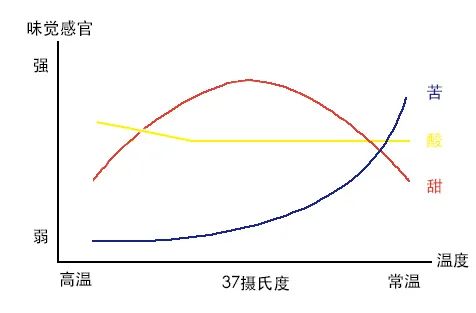
Pour-over coffee changes as it cools, which is why tasting from hot to cold is common advice. Above roughly 50°C and below about 35°C, the taste buds register sweetness slowly, while near body temperature sweetness becomes easier to notice. Acidity and bitterness shift along with it.
The practical approach is to start tasting while the coffee is hot, then wait and taste again as the temperature drops. Each coffee stages differently depending on roast and origin, so a full body coffee may stay rounded longer, while brighter coffees reveal more acidity once warm rather than hot.
When tasting pour-over coffee, you often hear the saying "you should drink it from hot to cold." This is not without reason—as the coffee liquid gradually cools, our taste buds' perception of sweetness, acidity, and bitterness quietly changes. So how exactly does temperature affect the presentation of flavor? What temperature range is most suitable for drinking? This article starts from the scientific perspective of taste perception, combines Front Street Coffee's brewing and tasting experience, analyzes the flavor change patterns of pour-over coffee at different temperature stages, and provides suggestions for the best drinking temperature and timing, helping you more fully capture a cup of coffee's layers and details.

"Tasting coffee requires drinking it from hot to cold..." I wonder if everyone has heard similar expressions. Drinking coffee does require starting to taste it at high temperature, but do not rush to finish it. As time passes, the coffee temperature slowly drops, and then you taste the flavor of the coffee after the temperature has fallen. Is that so?
When sweetness is above 50°C and below 35°C, we (our taste buds) perceive sweetness relatively sluggishly, while when it is close to human body temperature, the perception of sweetness becomes more sensitive.
The above content is compiled by CoffeeHunters, a coffee news website.


