







What Happens to Pour-Over Coffee After It Cools?
Pour-over coffee often turns sour or bitter as it cools, and the shift is not caused by a brewing mistake. Once the cup leaves the carafe, volatile aroma compounds escape, oils oxidize and clump, pigments polymerize, and condensation forms. At the same time, taste perception changes with temperature, so sourness and bitterness read differently on a cooler palate.
Aroma loss is the largest single factor. Much of what is registered as flavor is actually smell, and most of those volatile compounds leave with the steam. The remaining oils in coffee then meet air and oxidize, adding a stale, rancid note and a heavier mouthfeel. Cooled coffee is not ruined, but it is measurably less pleasant than the hot cup.
Many coffee enthusiasts encounter a phenomenon when tasting pour-over coffee: as the temperature drops, the flavor of the coffee seems to change, sometimes even developing an unpleasant sourness. This is not a problem with brewing technique, but rather a series of physical and chemical changes that coffee undergoes as it goes from hot to cold. Front Street Coffee will take you through an in-depth look at the processes of aroma loss, oil oxidation, pigment polymerization, and condensation after coffee cools, while also explaining from a sensory science perspective why our taste buds' perception of sourness, sweetness, and bitterness changes with temperature. Through this article, you will understand the real reasons why coffee becomes sour or bitter after it cools, allowing you to view the relationship between coffee temperature and flavor more rationally and enhance your tasting experience.
This is not the unpleasant taste caused by poor brewing technique; in fact, coffee's flavor after cooling is indeed not as appealing as when hot (note that this does not mean coffee necessarily becomes undrinkable after cooling, but rather that it is inferior compared to when it is hot). Therefore, Front Street Coffee will talk with you about what coffee actually goes through from hot to cold that produces this gap in quality.
- Aroma loss
Part of the reason coffee's flavor declines after cooling lies in the loss of aroma. When sharing knowledge about coffee flavor, Front Street has mentioned that a considerable portion of the flavor we perceive when tasting coffee comes from aroma. When coffee has just been brewed, it contains more volatile flavor compounds that evaporate along with water vapor, so freshly brewed coffee has a rich, inviting aroma.
After the coffee cools, a large amount of volatile flavor compounds have already escaped. At this point, if you smell the coffee again, the aroma is no longer rich and may retain only a small amount of fruity sweetness brought by furan compounds (or even no aroma at all). In this situation, the drinking experience of cooled coffee naturally suffers greatly.
- Oil oxidation
Although using paper filters to filter coffee today can intercept most of the oils, a small amount of oil still remains in the coffee, just not easily noticed. These oils can give coffee a smooth mouthfeel.
However, if the coffee is left to sit for a period of time (that is, after cooling), the oils come into direct contact with air and oxidize, coagulating into lumps. This not only affects the mouthfeel but also produces a rancid, oil-oxidized smell similar to cooking oil left out for a long time (an unpleasant odor).
- Pigment oxidation and polymerization
If after brewing coffee you leave the paper filter untouched for half an hour, you will find that the edge of the filter turns scorched black. This is precisely the result of "pigment oxidation and polymerization."
These brown pigments come from the caramelization reaction during coffee roasting and also dissolve into the coffee during brewing, bringing flavors such as caramel and chocolate to the coffee. But if you taste a bitter, muddled flavor after the coffee cools, that is caused by pigment oxidation and polymerization. This is also why dark-roasted coffee often does not taste good after cooling.
- Condensation
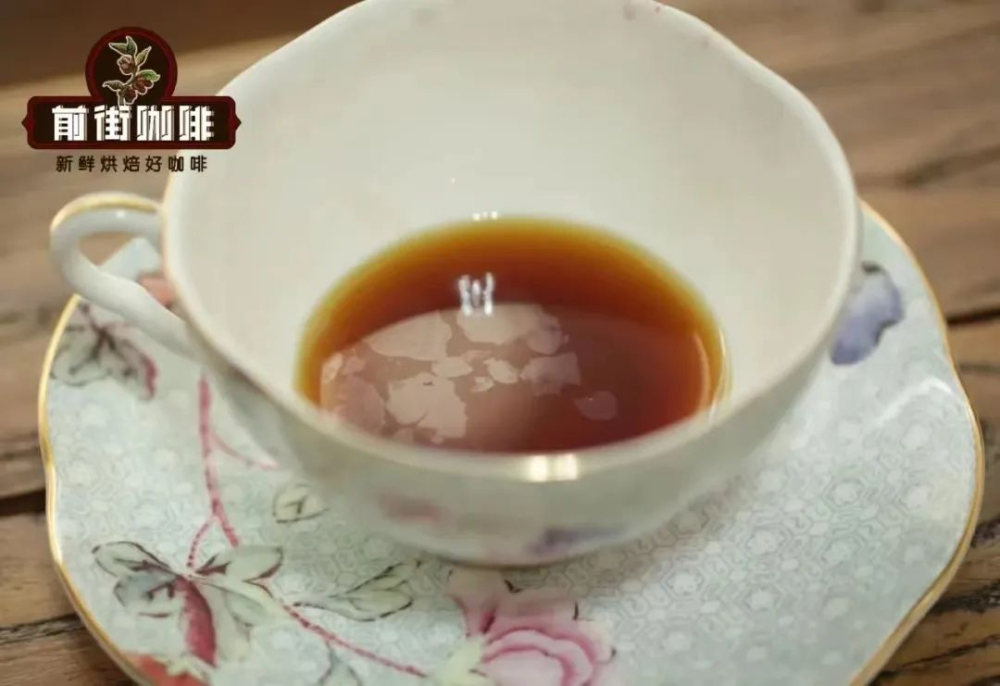
If after the coffee cools you find that the liquid becomes cloudy and unclear, this is because certain substances in the coffee undergo condensation after the temperature drops. These condensates give the coffee a rough, sandy mouthfeel.
In addition to the unpleasant sensory experiences that arise after coffee cools, our taste buds also differ in sensitivity to sourness, sweetness, and bitterness at different temperatures.
A cup of coffee contains substances that are sour, sweet, and bitter. When we feel that coffee is very sour, it is because sour-tasting substances make up a large proportion; when we feel that coffee is a bit bitter, it is because more bitter substances have been extracted and the sour and sweet substances cannot mask the bitterness. This is objectively true!
As a cup of coffee cools and becomes more and more sour, this belongs to our subjective sensory perception. This is because the sour, sweet, and bitter substances in a cup of coffee are already fixed once brewing is complete and do not change as the temperature drops. However, in our perception of sourness, sweetness, and bitterness, sourness does not change with temperature; sweetness is perceived most clearly at a temperature close to human body temperature, roughly in the range of 32-42°C; bitterness becomes more pronounced as the temperature decreases.
Therefore, if we feel that coffee becomes very sour after cooling, it is because this cup of coffee itself does not have many bitter substances, and the perception of sweetness declines, thereby highlighting the sourness; and if we feel that bitterness appears after the coffee cools, it is because this cup of coffee has extracted more bitter substances. When hot, the perception of bitterness is not obvious while the perception of sweetness is obvious, so it can mask the bitterness, but after the temperature drops, the bitterness is exposed.
The above content is compiled by CoffeeHunters, a coffee news website.


