







How Does Coffee Aroma Change After Brewing?
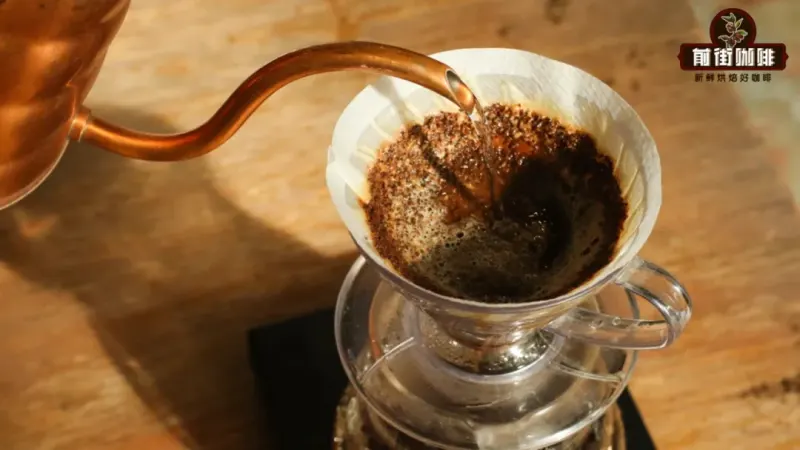
Freshly brewed pour-over coffee has a narrow flavor window: aroma compounds are volatile, and temperature shifts how taste buds read sourness, sweetness, and bitterness. A tasting comparison of a dark-roasted Golden Mandheling and a light-roasted Yirgacheffe at several time points shows the cup changes from the first sip onward, so drinking it soon after brewing preserves the most aroma and balance.
The test brewed 15g doses ground to 75 to 80 percent passing a No. 20 sieve, then tasted each cup at set intervals and temperatures. Results trace how coffee aroma fades and mouthfeel shifts as the liquid cools. A lid or thermos slows aroma loss, while reheating does not restore the original taste of golden mandheling coffee or any other roast.
A freshly ground and brewed cup of coffee, like the beans themselves, has its own optimal flavor window. Coffee aromas evaporate easily, and temperature constantly affects how our taste buds perceive sourness, sweetness, and bitterness, so from the moment it is brewed, the flavor keeps changing with time and temperature. Front Street compares the tasting performance of a dark-roasted Golden Mandheling and a light-roasted Fruit Ding Ding at different time points, documenting the evolution of aroma, mouthfeel, and taste, to find the limit of coffee's flavor window under normal storage conditions. It also answers common questions such as whether reheating can restore the taste, and how to extend aroma retention with a lid or thermos, helping you seize the finest drinking window of every cup.
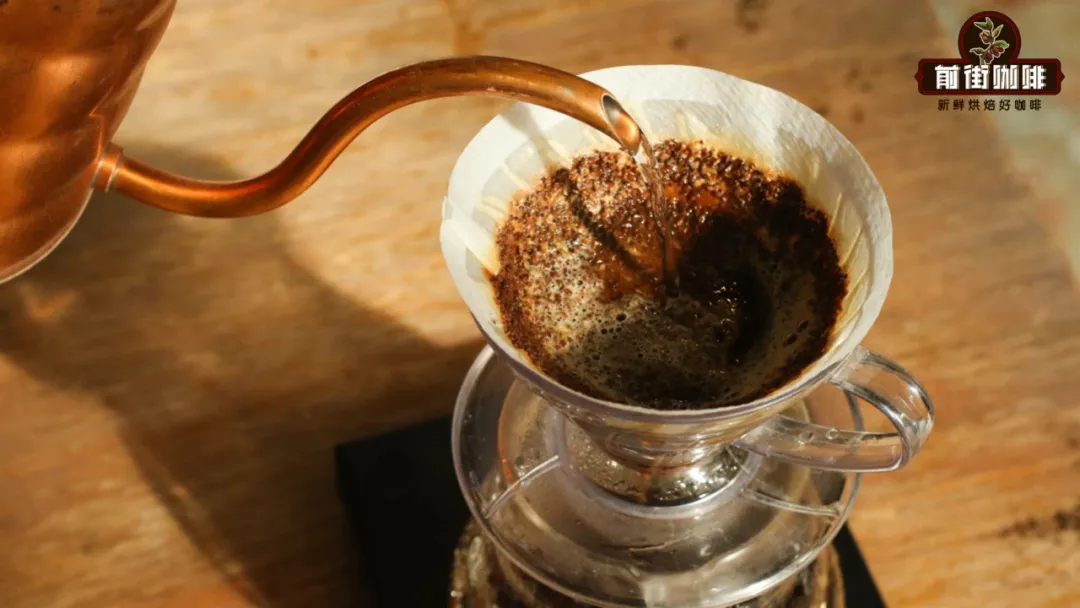
But do you know that, besides coffee beans, freshly ground and brewed coffee also has an optimal drinking window? The logic is actually the same as with beans: coffee aromas are volatile, so it should be enjoyed as soon as possible after brewing, to get the fullest sensory experience before the aroma fades. What makes brewed coffee different from beans, though, is that it is also constrained by temperature. As Front Street often shares, temperature affects the sensitivity of our taste buds, and under different temperature conditions, the intensity with which we perceive various tastes is not the same. And because tastes check and balance one another, once the intensity of certain tastes changes, the overall drinking experience becomes vastly different.
In addition, temperature fluctuations also affect certain components in the coffee, which in turn changes the mouthfeel. So once the coffee is brewed, Front Street usually recommends drinking it as soon as possible. In reality, however, we often cannot finish a cup quickly, so many friends ask: "How long after brewing is it ideal to finish a cup of coffee?"
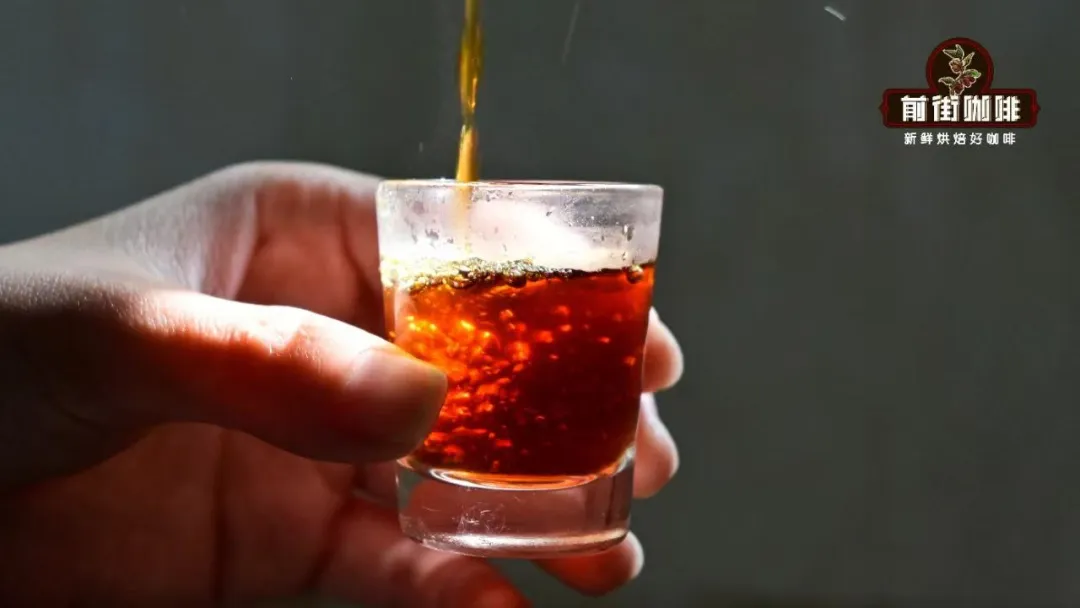
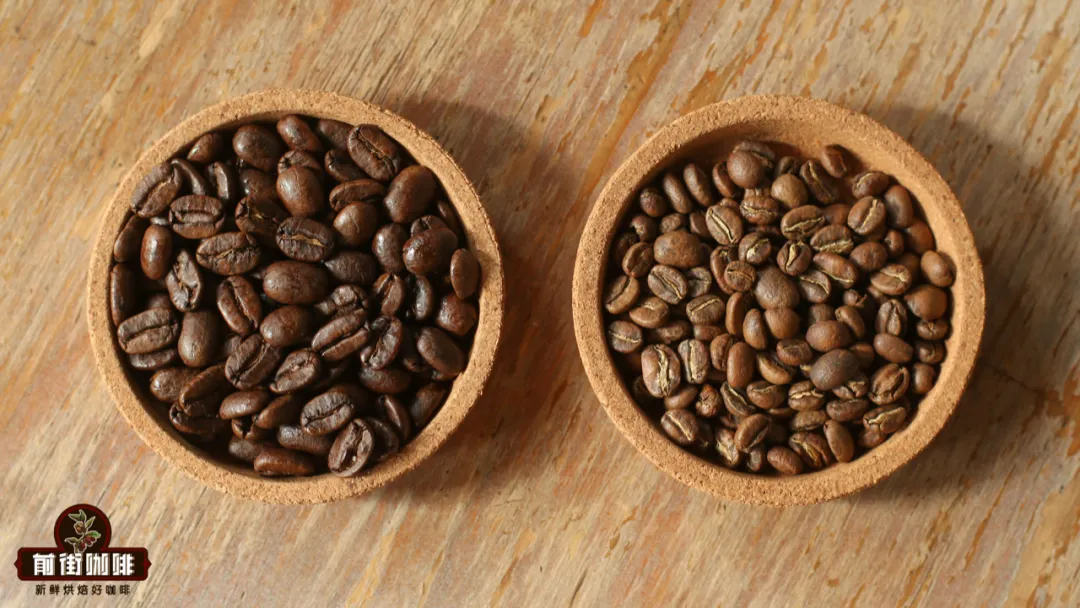
Next, Front Street will use a set of experiments to observe how long after brewing coffee is best to drink. Brewing Experiment In this test, Front Street will brew two beans of different roast levels, then taste them at multiple time points and different temperatures, comparing the differences at each stage to find the most suitable drinking time limit. The experiment also uses one dark-roasted bean and one light-roasted bean, namely Front Street Sumatra · Front Street PWN Golden Mandheling (left) and Front Street Yirgacheffe · Fruit Ding Ding (right) from the Front Street bean list. The brewing parameters are as follows:
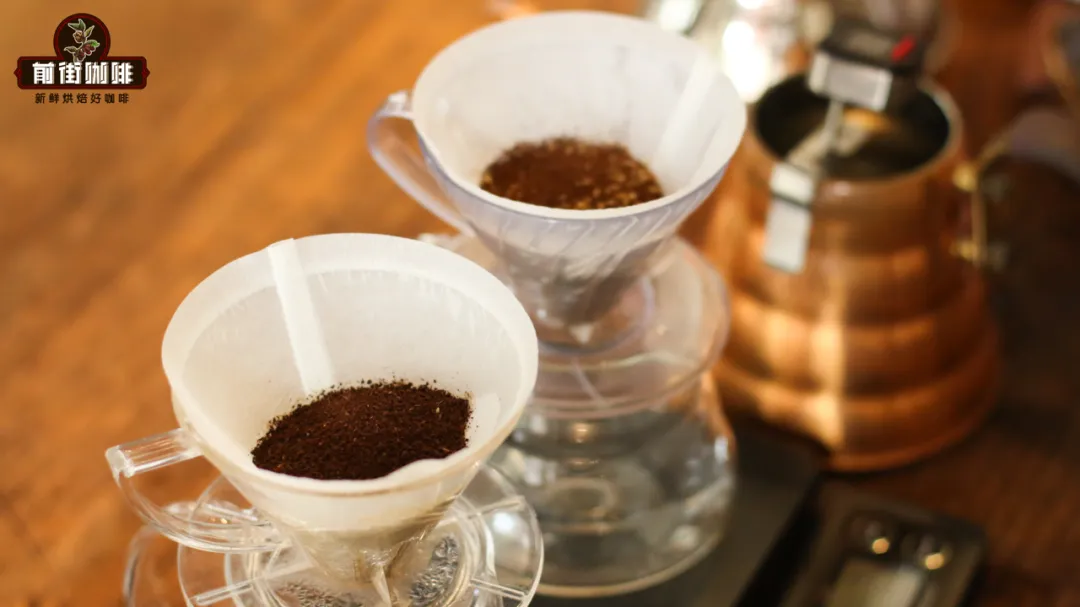
Dose: 15g Grind: 75%–80% passing a No. 20 sieve Coffee-to-water ratio: 1:15 Water temperature: 92°C (light roast) /88°C (dark roast) Brewing method: three-pour (30ml+120ml+75ml) Brew time: 2 minutes
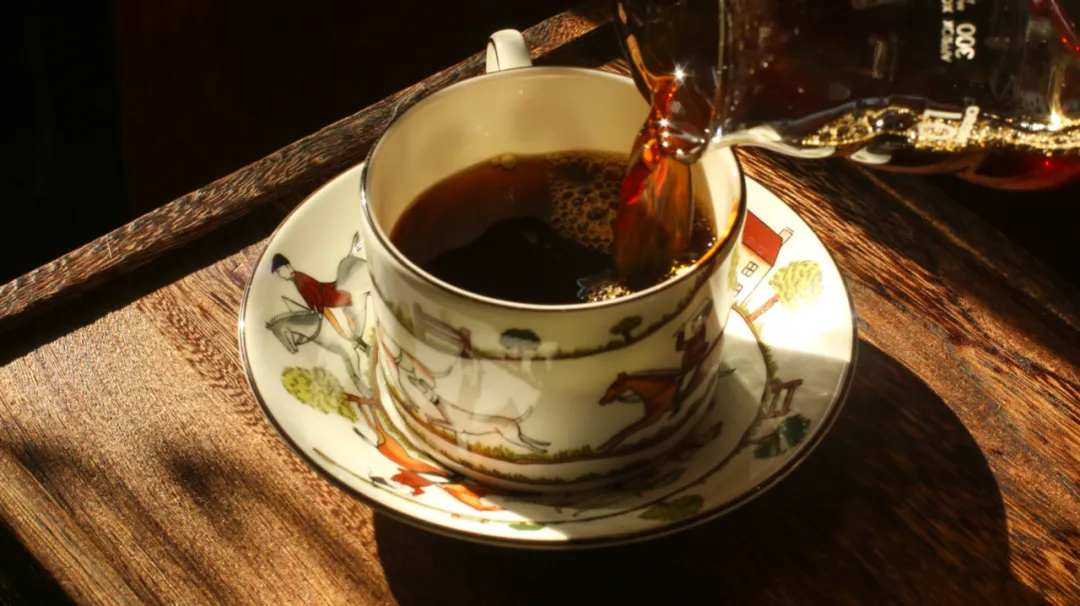
The brewing process will not be detailed here; let's go straight to the tasting. Just after brewing, the coffee temperature is in the 60–65°C range. The Fruit Ding Ding shows a particularly prominent aroma—come a little closer and you can sense floral and lemon notes; on the palate it is very balanced and smooth, followed by white florals, lemon, apricot, berries, and oolong tea. The Golden Mandheling likewise has a distinct aroma and balanced taste, with a full body, flavors of chocolate, nuts, and caramel, a creamy sweetness, and a slight spicy finish.
After 10 minutes, the coffee temperature drops to the 50–55°C range. The experience of both is not much different from before—still prominent aroma and smooth mouthfeel—except the Fruit Ding Ding's acidity begins to increase slightly. By the 20th minute after brewing, the temperature falls to the 45–50°C range, and the coffee shows a clear shift. Up close there is no longer the rich aroma from before, clumped oils are visible on the surface, and the mouthfeel is less smooth. Although the flavors are still prominent, their clarity has declined somewhat.
At the 30th minute, the coffee temperature drops to the 40–45°C range. The aroma and mouthfeel are similar to the previous period, with little change; what truly begins to change is the taste. The Fruit Ding Ding's acidity becomes pronounced, and it is already hard to catch floral notes on the palate, with the flavor showing more of the sweet-and-sour fruit profile of lemon, apricot, and berries. The same goes for the Golden Mandheling: bitterness starts to stand out, with flavors of dark chocolate, nuts, cream, and caramel. By the 40th minute, the temperature falls to the 37–40°C range. The two cups perform consistently: the pungent aroma has completely disappeared, and the mouthfeel is slightly inferior, no longer smooth. Although the sourness and bitterness have not intensified further, there is little flavor left to speak of. By the 50th minute, the temperature of the two cups stops changing, but the flavor, mouthfeel, aroma, and taste are all no longer outstanding. While it is not exactly unpleasant to drink, it cannot be called good either. Therefore, it can be concluded that after brewing, 50 minutes is the limit of coffee's flavor window (under normal storage conditions) .
Overall, under normal circumstances coffee is best finished within 50 minutes of brewing, to ensure a high-quality tasting experience throughout. At this point, some friends who have not previously followed Front Street may wonder: since coffee does not taste as good once it cools, can reheating bring back the deliciousness?
The answer, of course, is no. Front Street has previously shared a great many related articles and conducted countless experiments, and the results are invariably the same—although reheating can make the taste a bit more balanced, the aroma has already evaporated, and reheated coffee cannot return to how delicious it was just after brewing. If you wish to extend the "flavor window" of brewed coffee, Front Street recommends the method shared in the article "Just One Trick to Keep Coffee's Aroma Lasting" , using a lid or placing it in a thermos to slow both aroma evaporation and temperature decline, so the coffee's aroma lingers longer and its flavor window is extended accordingly. - END -
The above content is compiled by CoffeeHunters, a coffee news website.


