







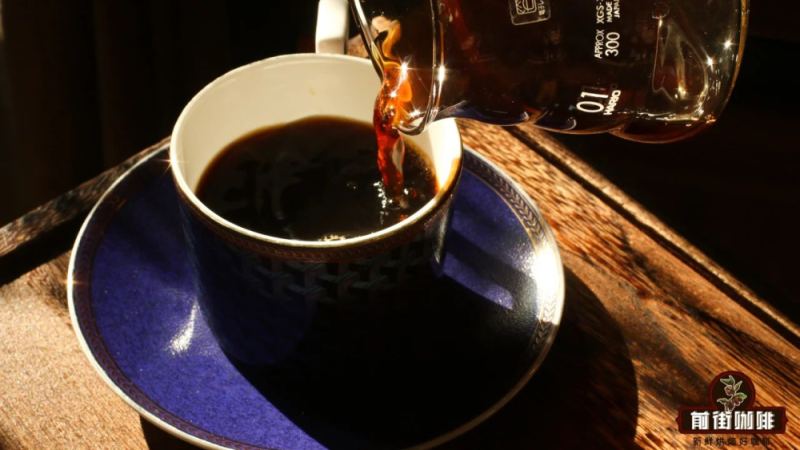
Why does coffee aroma change as the cup cools?
Coffee flavor shifts noticeably as a cup cools, and the change is chemical rather than imagined. Coffee contains more than a thousand aroma compounds, roughly forty of which are the common, clearly recognizable ones. They volatilize at different rates, so sweetness, fruit, and floral notes that stay hidden in a very hot cup often emerge once the temperature drops.
The typical evolution runs from around 82°C down to below room temperature, with different compounds peaking at different points. Tasting across that range helps identify the balance among acidity, sweetness, bitterness, and aroma. Organic acids in coffee and the roast-born aroma compounds together shape what is perceived, so each bean has its own suitable drinking window.
After a cup of hot coffee sits for a while, its flavor and aroma often change noticeably, sometimes revealing sweetness, fruity notes, or floral notes that were hard to detect right after brewing. This change is not an illusion, but the result of specific chemical reactions and physical volatilization triggered by temperature fluctuations. Coffee contains more than a thousand aroma compounds, about forty of which are the more commonly occurring and obvious aromas, and they are released and perceived differently at different temperatures. Front Street Coffee believes that understanding the effect of temperature on coffee can not only help you find the most suitable drinking window for each bean, but also allow you to more accurately identify the balance among acidity, sweetness, bitterness, and aroma. This article will systematically sort out the flavor evolution patterns from 82°C to below room temperature and offer practical tasting suggestions.
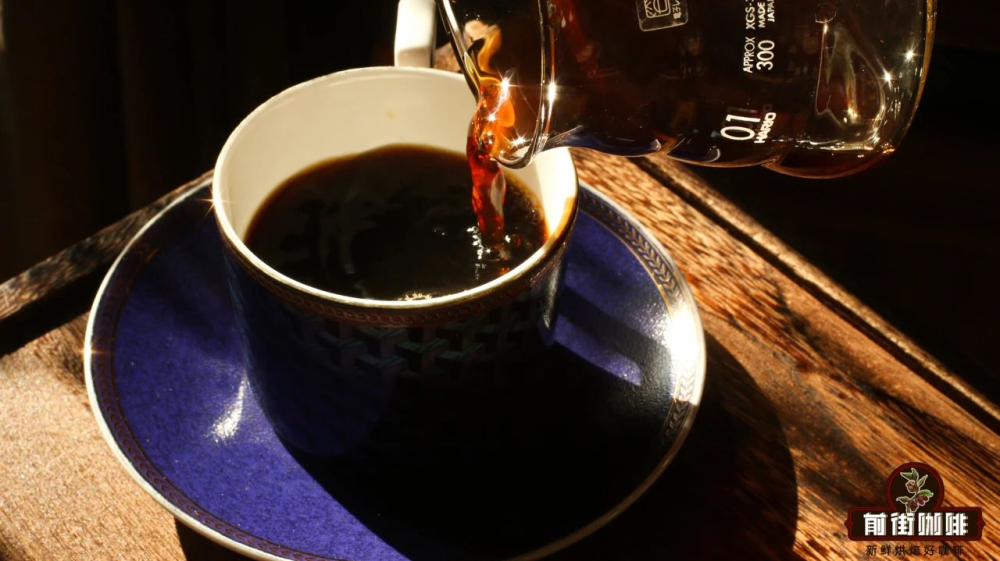
Have you ever encountered this situation: when you first get a cup of hot coffee, it seems unremarkable, but after it cools, it suddenly gives off delicate aromas and flavors you had not noticed at all before? This is not an illusion. As the temperature drops, certain compounds in the coffee begin to volatilize at different rates, and your taste buds and olfactory receptors also pick up new information. You may find that distinct sweetness, fruity notes, or floral notes appear in the cup, and all of this is thanks to the specific chemical reactions triggered by temperature changes. Front Street Coffee believes that to truly understand this phenomenon, it is necessary to first understand the science behind it.
Coffee is an extremely complex beverage, containing more than a thousand aroma compounds. These substances work together during brewing and drinking to form the complete experience we perceive through smell and taste. Among these thousand-plus substances, about forty are the more commonly occurring and clearly characteristic aroma components in coffee. They are mainly born during roasting: after green coffee beans are heated, the sugars, carbohydrates, and nitrogen-containing compounds inside undergo a series of transformations. The sugars in green beans gradually degrade under roasting heat, with one part turning into caramel color and bringing the familiar caramel flavor, while another part forms brown substances through the Maillard reaction.
This process releases volatile compounds, which turn into gas at room temperature and evaporate. It is precisely these volatiles that give us a strong sensation when we smell the aroma, and the tongue and nose work together to allow us to identify various aromatic compounds related to sweetness, with a flavor spectrum extending from chocolate all the way to fruit.
The taste buds on our tongue are distributed with receptors for sourness, bitterness, sweetness, and other tastes. They respond to specific chemical substances and transmit signals to the brain. At the same time, chemical substances among the volatile compounds travel from the mouth backward to the nasal cavity, stimulating the retronasal olfactory system. This collection of olfactory organs plays a crucial role in our perception of flavor and aroma.
When we experience other flavors, it is often the result of interactions among various organic acids, sugars, oils, and other substances. Chlorogenic acid in green beans brings a bitter sensation, while quinic acid produces both bitterness and astringency. If a cup of coffee has sourness, this acidity can enhance our ability to identify acidity. When tasting, we unconsciously associate sourness with volatile compounds, for example linking the perceived sourness with lemon aroma. Once this connection is established, sensory ability becomes enhanced.
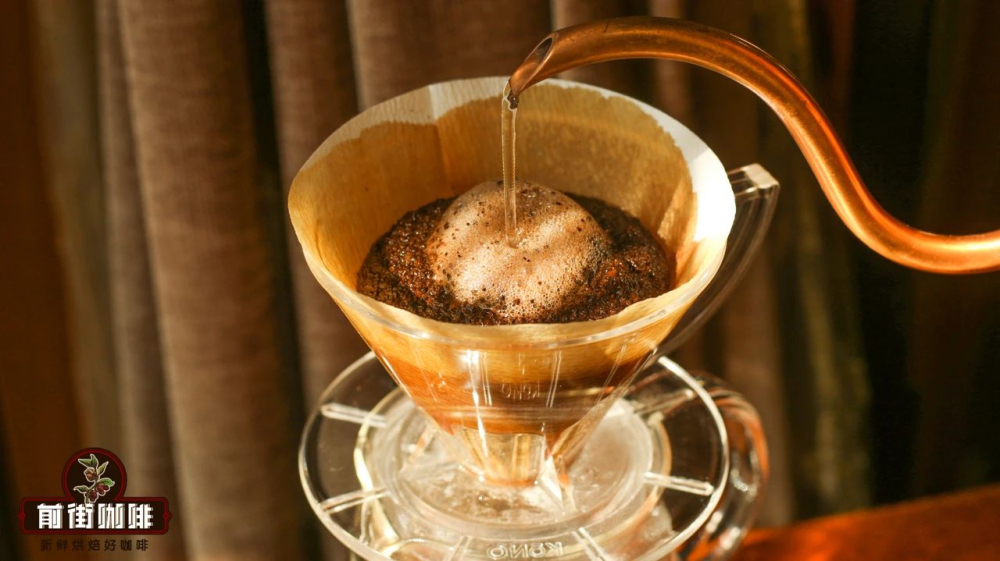
It is well known that the extraction process has a huge impact on the presentation of coffee flavor and aroma, and the brewing water temperature directly determines extraction efficiency. Molecules in coffee are extracted one after another at different stages depending on the water temperature. Hot water can extract most compounds in coffee, and the higher the water temperature, the easier it is for these compounds to dissolve out. The more frequent the interactions among molecules, the greater the extraction amount. In this process, water molecules dissolve more compounds from the coffee grounds, thereby changing the taste and olfactory experience we perceive.
If water at a lower temperature is used for extraction, it is impossible to fully obtain all the flavors of the coffee, including those alluring volatile compounds. However, research also points out that when low-temperature brewing is used—for example, extraction at room temperature to near zero degrees for several hours—the situation changes. This extraction method creates a complex and unique flavor profile because it allows most compounds to reach a balanced extraction, including sugars, organic acids, chlorogenic acid, caffeine, and other poorly soluble compounds that require longer to dissolve.
Long low-temperature extraction can fully release sugars, giving cold brew coffee a distinct sweetness and caramel-like aroma, while bitterness and astringency are relatively low.
Usually, freshly brewed coffee is between 82°C and 85°C. This temperature not only easily burns the mouth, but also makes it genuinely difficult to taste the coffee's flavor and aroma within this range. When drinking coffee this way, the best method is to sip or slurp—just take in a small amount of coffee liquid while drawing in air at the same time, which allows the liquid to cool quickly.
When the temperature drops to around 70°C, the coffee's flavor and aroma begin to become more obvious and easier to perceive. At this temperature, the coffee releases a large amount of steam, which can enhance the aroma experience, but at the same time it also suppresses the tongue's perception of taste, thereby affecting flavor judgment. Volatile compounds are released faster at this stage, and evaporation is also very quick.

At around 70°C, aroma intensity is high, and it can last until about 60°C. This stage is usually relatively difficult for perceiving flavor, especially when the coffee itself has a more delicate flavor. In fact, some studies point out that when different coffees of the same roast degree are brewed and tasted at higher temperatures, their performance may be very similar. What we mainly perceive at 70°C is bitterness and aroma, and in terms of flavor we can usually only catch the smell brought by roasting.
These sensations continue until the coffee cools by about another 10°C. At this temperature, we may find that bitterness increases somewhat, and some people say that the bitterness of coffee is strongest at around 56°C.
When the temperature is below 50°C, you will feel the coffee's flavor and aroma change significantly again. The aroma becomes less obvious, mainly because less vapor is produced as the coffee cools. At the same time, bitterness weakens, allowing people to perceive more complex flavors. Between 31°C and 50°C, the greatest number of flavors can be perceived, mainly flavors related to acidity and sweetness. Sweetness peaks at about 44°C, while bitterness is least obvious at around 42°C.
Between 31°C and 37°C, some interesting small changes may occur. Within this temperature range, volatile compounds related to sweetness, fruity aroma, floral notes, herbal notes, acidity, and nutty notes become more obvious, and this is when we can truly experience a coffee's flavor characteristics. Compared with 44°C or 70°C, at lower temperatures—such as 25°C—acidity is perceived at its best. For example, drinking a cup of Kenya coffee at this temperature will make its flavor more lively and its acidity brighter. It allows us to taste the complete flavor of this single-origin coffee, and also shows us that the same cup of coffee can present completely different mouthfeels at different temperatures, while at higher temperatures the taste often performs worse.
Whether you like to drink coffee hot or after it has cooled, understanding how temperature affects the flavor and aroma you perceive is very important.
Next time you brew coffee yourself, you can record the flavors and aromas you perceive across different temperature ranges, and try to find the "ideal range" among acidity, sweetness, bitterness, and aroma.
This will help you find the type of coffee you prefer—whether with more prominent acidity or more obvious sweetness—or clarify which flavor characteristics in coffee you enjoy more.
No matter which way you choose, at any temperature, you can better savor the flavor of coffee.
The above content is compiled by CoffeeHunters, a coffee news website.


