







Search Results for: tapping the dripper
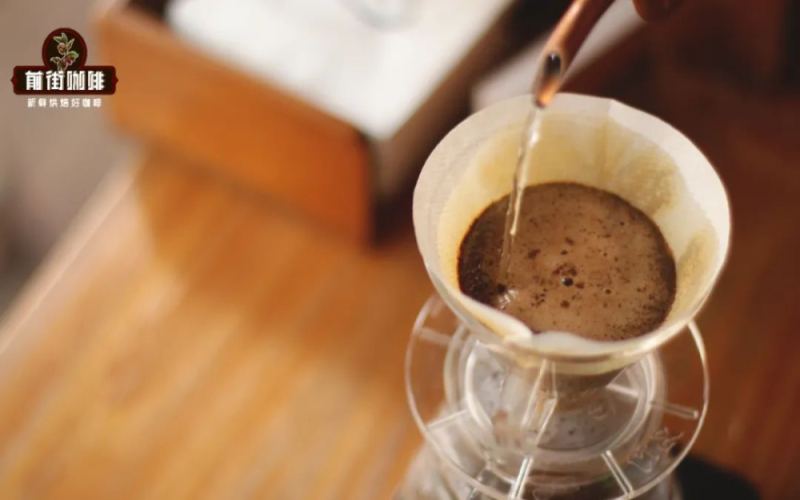
Can gently tapping the dripper really change the extraction result? The hidden link between fine migration and channeling
In pour-over coffee, many enthusiasts habitually tap the dripper before pouring water, trying to make the surface of the coffee bed more level. However, this seemingly harmless little action may cause fines to gradually settle to the bottom under vibration, creating a coffee bed density that is loose at the top and compact at the bottom. When hot water passes through this uneven structure, it will bypass the denser areas of greater resistance and flow toward the edge of the dripper, triggering channeling and a failed bloom, ultimately leading to uneven extraction, clogging in the final stage, and even over-extracted woody flavors. Through comparative experiments, Front Street Coffee found that the two groups of coffee—one without tapping and one with ten taps—showed clear differences in drip time and flavor performance. This article will break down the physical mechanism of fines settling and share a coffee-dosing technique that achieves a level coffee bed without repeated tapping, helping you consistently reproduce the ideal flavor in your daily brewing. [more…]
Why does tapping the coffee grounds in a pour-over dripper cause clogging? A complete analysis of fines migration and over-extraction risk
Many coffee enthusiasts have experienced this impulse while brewing: the moment they see an uneven coffee bed, they want to tap the dripper to level out the grounds. Yet this seemingly reasonable action can trigger a chain of negative reactions—fines sinking, the filter paper clogging, extraction time stretching out, and ultimately a bitter, over-extracted cup. Through comparative experiments, Front Street Coffee found that a tapped coffee bed took 21 seconds longer to complete extraction than an untapped one, with a noticeably bitter taste. The key principle behind this is the Brazil nut effect: vibration causes large particles to rise and fines to sink, clogging the pores of the filter paper. This article will analyze the causes of this phenomenon in detail and offer the correct methods for distributing the grounds and remedying the situation. [more…]
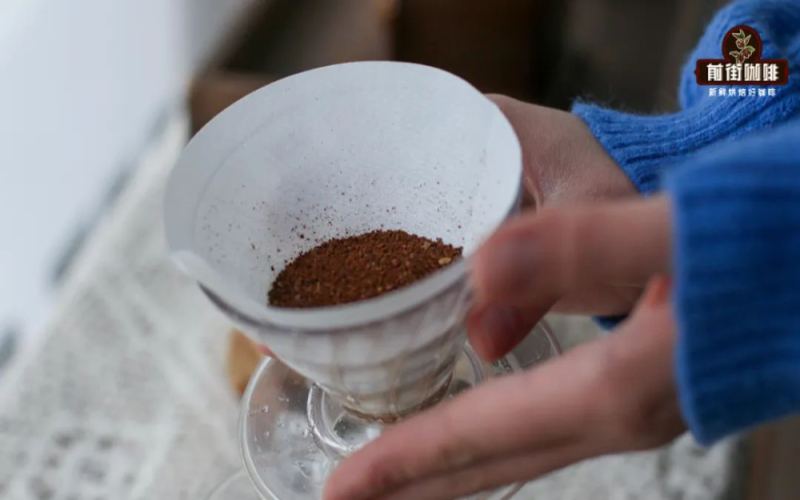
Why Shouldn't You Tap the Dripper When Leveling the Coffee Bed in Pour-Over? Analyzing the Real Impact of Fine Migration on Bloom Degassing
In pour-over coffee, keeping the coffee bed level is a prerequisite for even extraction, and many enthusiasts are in the habit of tapping or shaking the dripper to level the grounds. Yet hidden behind this gesture is an easily overlooked problem: the vibration causes fines to migrate downward through the gaps between the coarser particles, forming a dense layer at the bottom of the dripper while leaving fluffy coarse grounds on the surface. This structural change not only alters the appearance of the coffee bed but also directly affects the degassing effect during the bloom stage. Through comparison charts and actual brewing photos, this article breaks down in detail the changes in fines distribution caused by tapping the dripper, and explains their practical impact on subsequent brewing, to help you make more sensible judgments when leveling the coffee bed. [more…]
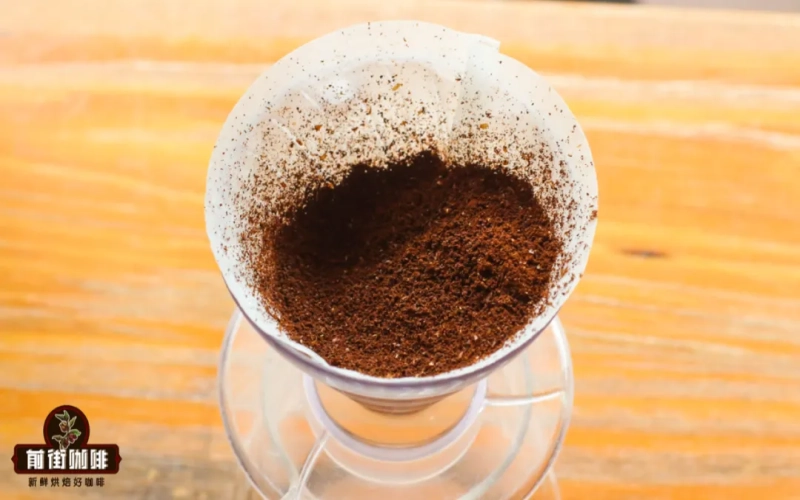
The art of leveling the coffee bed in pour-over brewing: How the Brazil nut effect causes uneven blooming and over-extraction
Many coffee enthusiasts are in the habit of tapping the dripper during pour-over to level the coffee bed, believing this promotes more even extraction. But you may not know that frequent or forceful tapping can actually trigger the "Brazil nut effect," causing fine particles to sink to the bottom and coarse particles to float up, leading to two negative outcomes: first, during blooming, hot water struggles to evenly saturate all the coffee grounds, and the fine particles at the bottom stay dry, resulting in under-extraction; second, the fine particles clog the pores of the filter paper, prolonging the extraction time and causing over-extraction. Through repeated testing, Front Street Coffee has found that when using a conical dripper and denser coffee grounds, digging into the bed after multiple taps often reveals dry clumps at the bottom. So how should an uneven coffee bed be handled? And what should you watch out for when tapping? This article will break it down for you in detail. [more…]
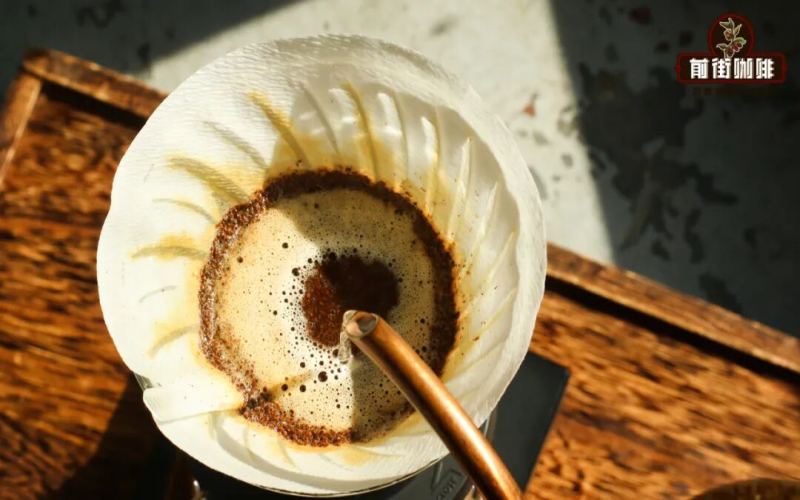
Pour-over coffee brewing method | What is the "Brazil nut effect" and how to avoid affecting coffee extraction when leveling the coffee bed
A surprise question from Front Street Coffee: when you pour coffee grounds into the dripper and end up with the scene shown below, what would you choose to do? A: Pat it flat. B: Pat it flat. C: Choose one or two. I believe most friends, just like Front Street Coffee, would choose to tap the dripper to make this unevenly distributed coffee bed become more level. [more…]

Ten easily overlooked details in pour-over coffee, Front Street breaks them down for you one by one
Many coffee enthusiasts, when brewing pour-over coffee, follow established parameters yet the final flavor often deviates from expectations—the problem usually lies in those easily overlooked operational details. Front Street Coffee has compiled ten points that beginners most often neglect, covering pre-grinding burr rinsing, filter paper fitting, tapping the dripper, checking before pouring, timing of water temperature confirmation, parameter execution, bloom saturation, focusing on the coffee bed rather than the scale, shaking for evenness, and correctly interpreting the shape of the spent coffee bed. These details may seem minor, but they directly affect extraction uniformity and the final taste. Mastering them will help you pinpoint the source of problems more quickly during troubleshooting, bringing every cup closer to the ideal state. [more…]
How to brew pour-over coffee grounds to make it taste good? Analysis of nine detailed mistakes beginners often make
Many friends who are just getting into pour-over coffee encounter this confusion: they've bought the same beans as the café uses and followed the brewing recommendations, yet the cup they make tastes far different from what they had in the shop. In fact, the problem often isn't about how advanced your technique is, but rather a few easily overlooked small details. From purging the grinder before grinding, filter paper fitting, and the force of tapping the grounds, to checking before pouring, water temperature control, and bloom saturation, and further to executing parameters, observing the coffee bed, and swirling before drinking—every step can sway the final flavor in the cup. Front Street Coffee has put together nine details that beginners most easily overlook, to help you eliminate unstable factors at the source and bring every brew closer to the ideal taste. [more…]
Nine common operational mistakes made by pour-over coffee beginners—only by troubleshooting them one by one can you consistently reproduce good flavor
When brewing coffee at home, you follow the barista's advice to the letter, yet the result is always far from what you get in the café. The problem often isn't how advanced your technique is, but rather some easily overlooked basic details. Front Street Coffee has sorted out the nine most common operational oversights among beginners: not rinsing the grinder before grinding beans, which causes flavor transfer; the filter paper not sitting flush against the dripper; over-tamping the grounds; inadequate checking before pouring; confirming water temperature too early; uneven blooming; imprecise execution of parameters; staring only at the digital scale and not at the coffee bed; and drinking without swirling the coffee first. These steps seem minor, yet they directly affect extraction uniformity and the final taste. Only by checking them one by one and turning them into habits can you reduce sources of instability at the root and more quickly find the real reason your coffee doesn't taste good. [more…]
Nine Easily Overlooked Details for Pour-Over Coffee Grounds That Noticeably Improve Flavor Once Mastered
Many coffee enthusiasts, after enjoying a satisfying pour-over at a café, will buy beans to try at home, only to find the result falls short of what they had in the shop. In fact, the problem often lies not in complex techniques, but in some of the most basic details being overlooked. From rinsing the grinder before grinding and fitting the filter paper, to blooming and moistening the grounds, to observing the coffee bed while pouring, every step can affect the final flavor. Front Street Coffee has compiled nine brewing points that beginners most easily overlook, to help everyone eliminate unstable factors from the source and more accurately determine whether the coffee tastes bad due to grinding, water temperature, or pouring technique. [more…]
Pour-over Coffee Brewing Details | How to Brew Single-Origin Beans Once Ground? Is Blooming Necessary for Pour-over? An Introduction to Pour-over Coffee Pouring Techniques and Extraction Parameters
After patiently listening to the barista's explanation and painstakingly choosing a bag of coffee beans to take home, you also "follow the same pattern" according to the brewing suggestions, only to find that the coffee you brew is vastly different from what you drank in the shop. You think it over and over, but still can't figure out where the problem lies... This is very likely caused by overlooking a certain detail. [more…]
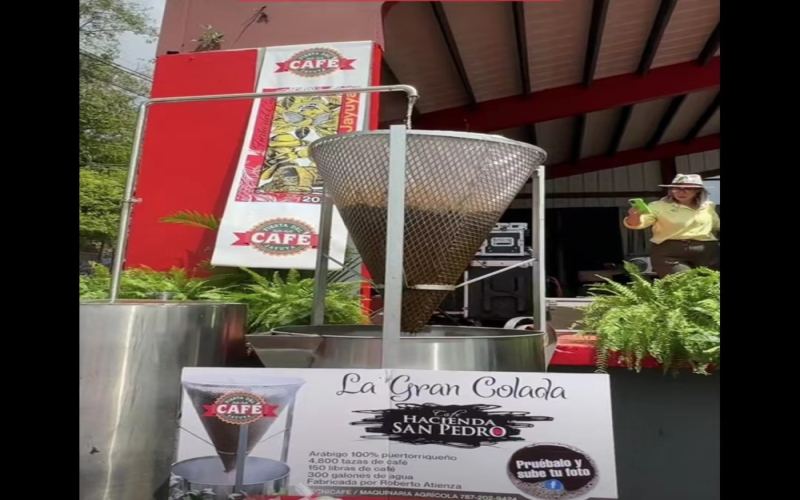
One Machine Brews 4800 Cups of Coffee: The Mega Brewing Setup at the Puerto Rico Coffee Festival
There are more and more coffee festivals, and baristas are often extremely busy. But at the seventh coffee festival held in Jayuya, Puerto Rico, a super-large coffee brewing device satisfied the coffee needs of over a thousand people at once—it is said that one brew could produce about 4,800 cups of coffee. This device consists of three parts: a water tank, a giant dripper, and a receiving container. Its appearance closely resembles an enlarged pour-over setup, using 150 pounds of local Arabica coffee beans and about 300 gallons of hot water. Although its brewing method is closer to that of a drip coffee maker, and the flavor may not be outstanding, its efficiency is astonishing. This article will take you through the structure of this device, how it operates, and the interesting details behind it. [more…]
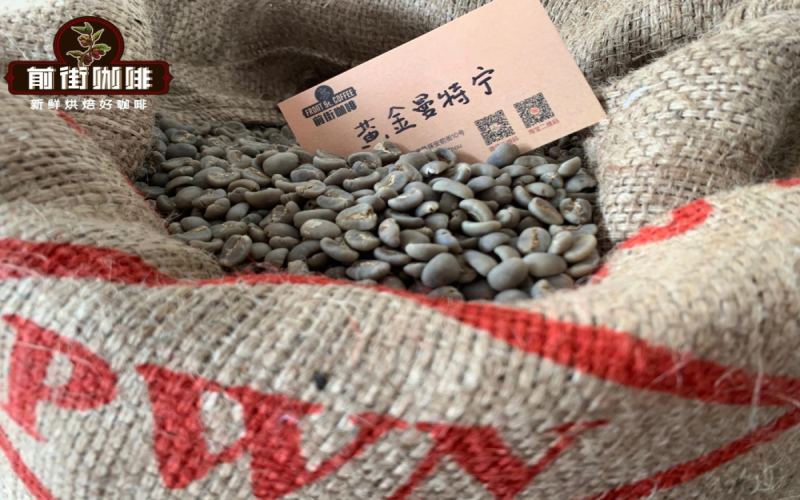
Brewing Parameters for Dark Roast Coffee Beans | What are the requirements for the coffee-to-water ratio, grind size, water temperature, and extraction time when making pour-over coffee with Indonesian PWN Golden Mandheling coffee beans?
When it comes to Indonesian Mandheling, the most famous and popular is undoubtedly the Golden Mandheling coffee beans produced by the Indonesian PWN company. Many people come to try Golden Mandheling coffee and decide to buy the beans to brew at home, but they can never replicate the taste they had in the coffee shop. Why is that? [more…]
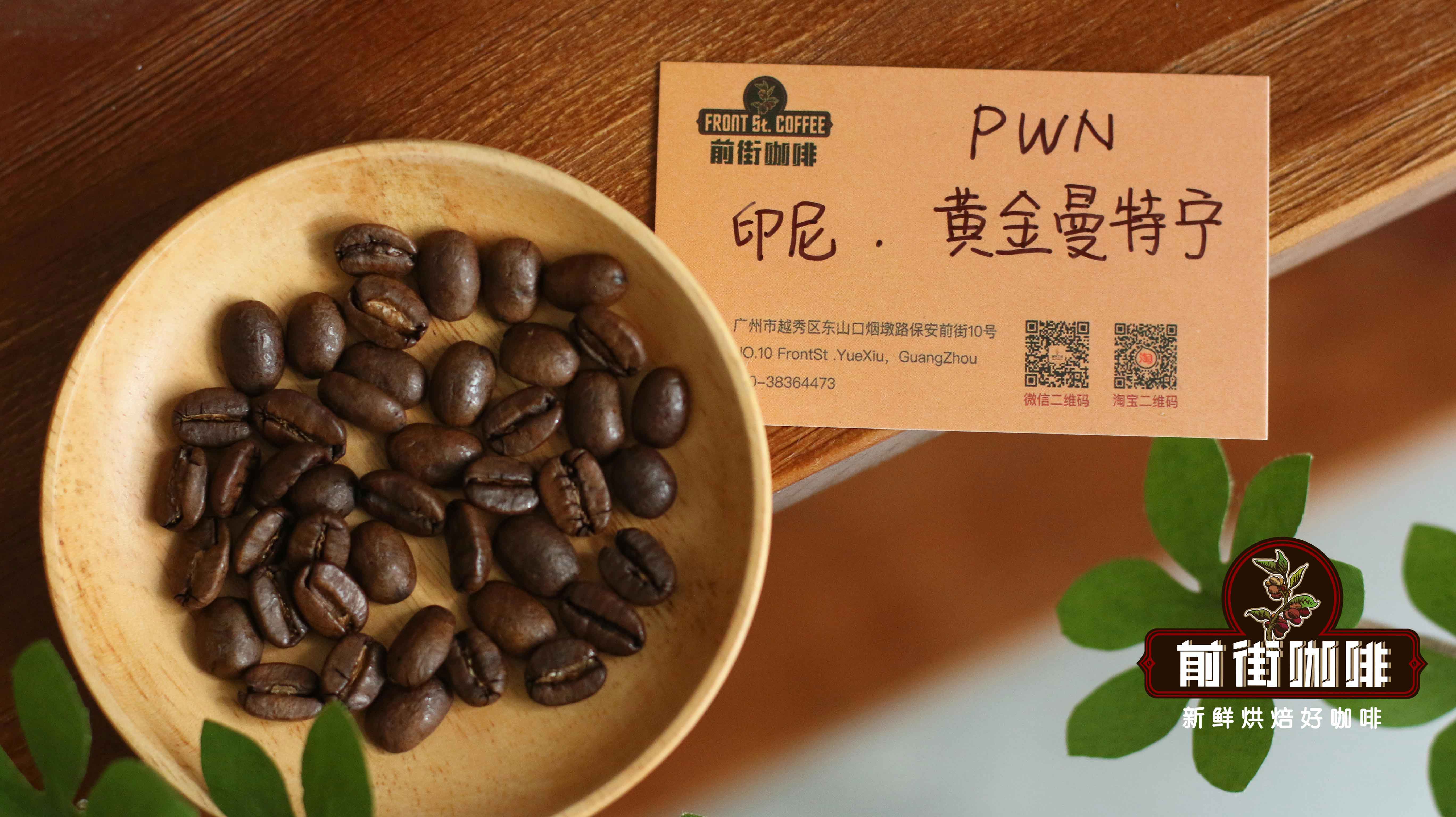
The Complete Guide to Indonesian PWN Golden Mandheling Pour-Over: Parameters, Technique, and Flavor Analysis
The Golden Mandheling produced by Indonesia's PWN company has always been the benchmark among Mandheling coffees, yet many coffee enthusiasts find it difficult to replicate the taste they enjoy in cafés after buying the beans. Drawing on Front Street Coffee's hands-on experience, this article systematically breaks down the seven key elements of pour-over brewing for Golden Mandheling, covering bean freshness, grind size, water temperature, water quality, dripper selection, coffee-to-water ratio, and brewing time, while detailing each step of the three-stage pouring technique. It also provides Front Street's specific brewing parameters and flavor description for this medium-dark roasted bean, helping you brew a cup of Golden Mandheling that is rich, clean, and layered with complexity. [more…]
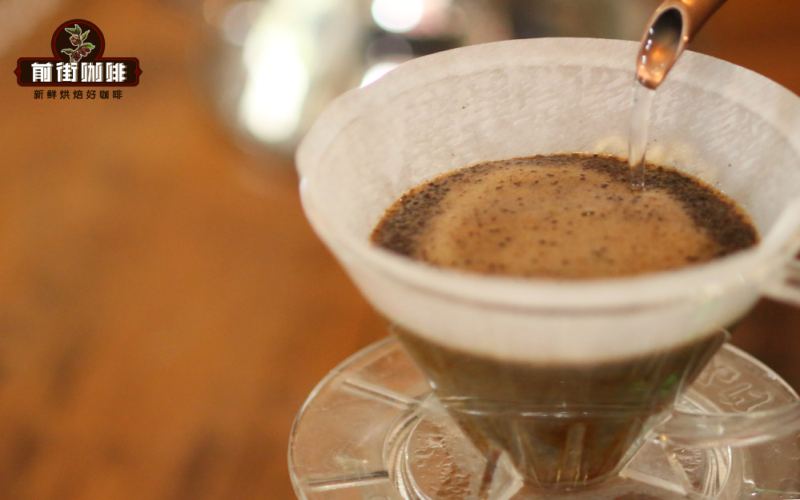
Pour-Over Parameter Plan | What are the requirements for coffee grind size, coffee-to-water ratio, water temperature, and brewing technique when making pour-over coffee with Indonesian PWN Golden Mandheling coffee beans?
When it comes to Indonesian Mandheling, the most famous and popular is undoubtedly the Golden Mandheling coffee beans produced by the Indonesian PWN company. As a result, many people come to try Golden Mandheling coffee and decide to buy the beans to brew at home, but they can never reproduce the taste they had in the coffee shop. Why is that? [more…]
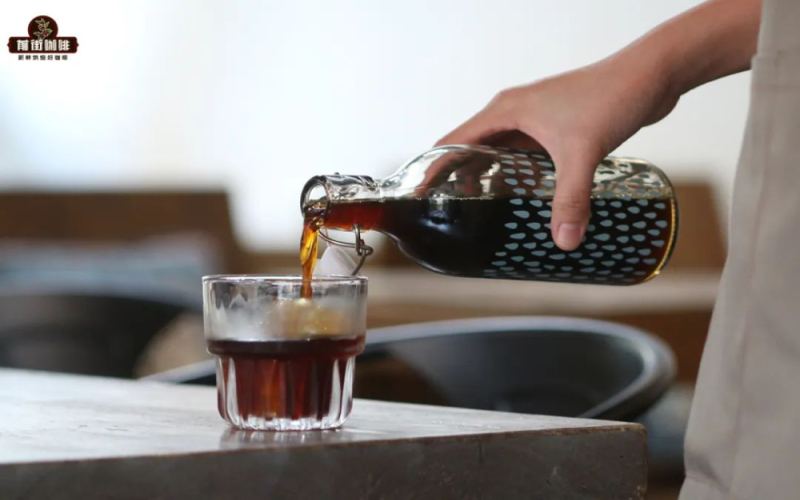
Cold Brew Coffee Complete Guide: Detail Techniques from Coffee-to-Water Ratio to Grind Size and Single-Origin Bean Recommendations
Cold brew coffee presents a refreshing, rich sweet-and-sour flavor through low-temperature slow extraction, but making a satisfying cup requires attention to many details. This article walks through the key points of cold brew coffee production one by one, from bean selection, roast date, tapping and tamping, pre-wetting, and filter paper placement, to grind size, drip rate, coffee-to-water ratio, and finally refrigeration fermentation and storage. It also combines Front Street brand's recommended single-origin beans such as Sidra, Strawberry Candy, Little Tomato, and Huakui, along with a recipe example of Strawberry Candy blended with Red Cherry, to help coffee enthusiasts master the core techniques of low-temperature extraction and reliably reproduce a clean, layered cup of cold brew coffee at home. [more…]
A Beginner's Guide to Pour-Over Coffee: Practical Advice on Mastering the Seven Key Elements and Extraction Principles
Just starting out with pour-over coffee, facing all kinds of equipment and brewing methods, it's easy to feel unsure where to begin. Drawing on years of pour-over experience, Front Street Coffee has put together seven simple, easy-to-understand core points for beginners, covering coffee bean freshness, grind size, water temperature control, water quality selection, dripper choice, coffee-to-water ratio, and brewing time, helping novices grasp the essentials without having to dig through piles of material. The second half of the article also explains in depth the three stages of coffee extraction—wetting, dissolution, and diffusion—and uses an Ethiopian Sidamo natural-process Huakui 8.0 as an example to walk through a complete standard pour-over routine, tightly combining theory with practice. [more…]
An Analysis of the Reasons Why Pour-Over Coffee Tastes Weak and Sour, and a Practical Guide to Parameter Adjustment
Many pour-over enthusiasts try repeatedly at home but still can't brew the flavors described on the coffee packaging, and even find the result sour and flat. Front Street Coffee has compiled the common confusions people face, analyzing everything from the coffee beans' peak flavor period, brewing water, to grind size and pouring technique, to help you pinpoint the problem. The article not only explains the difference between flavor and taste, but also gives specific recommendations on parameters such as dose, water temperature, ratio, and time, so that even beginners can quickly establish a brewing method with a high tolerance for error. If you want your pour-over coffee to truly reveal rich aromas and layers, it's worth adjusting these key points. [more…]
A Beginner's Guide to Pour-Over Coffee: 7 Key Elements from Bean Selection to Extraction and a Step-by-Step Breakdown
For those just getting into specialty coffee, the wide array of equipment and techniques can often feel overwhelming. In reality, pour-over coffee isn't as complicated as it seems—master a few core points and you can get started quickly. This article compiles 7 key elements distilled from Front Street Coffee baristas' years of hands-on experience, covering coffee bean freshness, grind size, water temperature control, water quality requirements, dripper selection, coffee-to-water ratio, and extraction time, and further breaks down the three stages of coffee extraction: wetting, dissolution, and diffusion. Finally, using Front Street Ethiopia Sidamo Natural Hualing 8.0 as an example, it presents a complete practical workflow from parameter setting to brewing technique, helping beginners build a clear pour-over framework. [more…]
Learn Pour-Over from Scratch: Seven Core Elements, Extraction Principles, and a Full Brew Guide for Huakui 8.0
As specialty coffee becomes increasingly popular, pour-over—a brewing method that showcases the bean's true flavors—has attracted a large number of beginners. But faced with a bewildering variety of equipment and techniques, many people don't know where to start. Based on Front Street Coffee's hands-on experience, this article systematically sorts out the seven key elements of pour-over coffee—from bean freshness, grind size, water temperature and water quality, to dripper selection, coffee-to-water ratio and brewing time—and explains in depth the three-step extraction principle of wetting, dissolution and diffusion. Finally, using Ethiopia natural Hachira 8.0 as an example, it fully demonstrates a Front Street Coffee barista's brewing process and flavor表现, helping beginners build a clear pour-over framework. [more…]
Pour-Over Single-Origin Coffee Brewing | How Do Coffee Beginners Brew Specialty Coffee Beans? What Are the Steps to Make Pour-Over Black Coffee? What Factors Affect Coffee Flavor?
With the rapid development of the specialty coffee market, more and more people are beginning to explore pour-over coffee. Many beginners feel completely lost when it comes to making pour-over coffee—the dazzling array of brewing equipment, coffee brewing techniques, and so on make many people feel it's a hassle. Quite a few friends have also come to Front Street Coffee asking how to get started with pour-over coffee, how to brew [more…]