








Which Pour-Over Habits Hurt Coffee Extraction Most?
Nine overlooked habits account for most inconsistent pour-over results at home. They include not purging the grinder before grinding, filter paper that does not sit flush against the dripper, over-tapping the grounds, skipped checks before pouring, confirming water temperature too early, uneven blooming, imprecise parameters, watching only the scale instead of the coffee bed, and drinking without swirling first. Each one affects extraction uniformity.
Stale fine powder left on the burrs oxidizes and carries woody or rancid notes into fresh grounds, so purging a few grams first limits flavor transfer. Because the flaws are basic rather than advanced, a coffee enthusiast can fix them by turning each step into a habit, which makes it easier to trace why a brew tastes wrong.
When brewing coffee at home, you follow the barista's advice to the letter, yet the result is always far from what you get in the shop. The problem usually isn't how advanced your technique is, but rather some easily overlooked basic details. Front Street has sorted out the nine most common operational oversights made by beginners: not purging the grinder before grinding beans, which causes flavor transfer; the filter paper not sitting flush against the dripper; over-tapping the grounds; inadequate checks before pouring; confirming water temperature too early; uneven blooming; imprecise execution of parameters; staring only at the scale and ignoring the coffee bed; and drinking without swirling the coffee first. These steps may seem minor, but they directly affect extraction uniformity and the final taste. Only by checking them one by one and turning them into habits can you reduce instability at the source and more quickly find the real reason your coffee doesn't taste good.

With the barista's patient explanation, you carefully picked out a bag of coffee beans to take home, and you "followed the drawing" by brewing according to the recommendations, only to find that the coffee you made was vastly different from what you drank in the shop. You think it over and over but can't figure out where the problem lies... It's very likely caused by overlooking some detail.
In fact, for beginners just learning pour-over, compared with flashy brewing techniques or tricky extraction parameters, mastering details is the key to getting off to a successful start. If you've run into the problems above and are struggling with coffee that doesn't taste good, take a look at these details that Front Street has listed as the ones beginners most easily overlook.
Detail One: Not "purging the grinder" before formally grinding beans, causing flavor transfer in the coffee
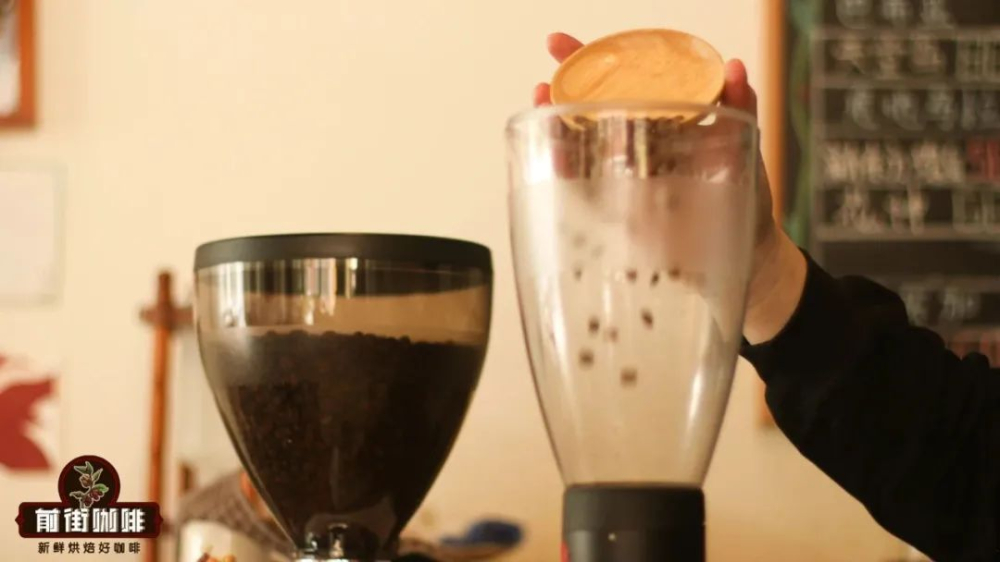
Whether you use a hand grinder or an electric grinder, after each grinding session, fine particles will more or less stick to the burrs. Many people don't have the habit of disassembling and cleaning it, and if they don't use it very often, the fine powder accumulated in the crevices will oxidize and deteriorate over time, producing a woody or rancid taste.
To avoid old powder left on the burrs being carried into the new grounds and causing flavor transfer, before formally grinding, Front Street always tosses a few beans into the hopper to run through first. In addition, to make a grinder last longer, you should develop the good habit of cleaning it after each use.
Detail Two: A wet filter paper that doesn't sit flush against the dripper
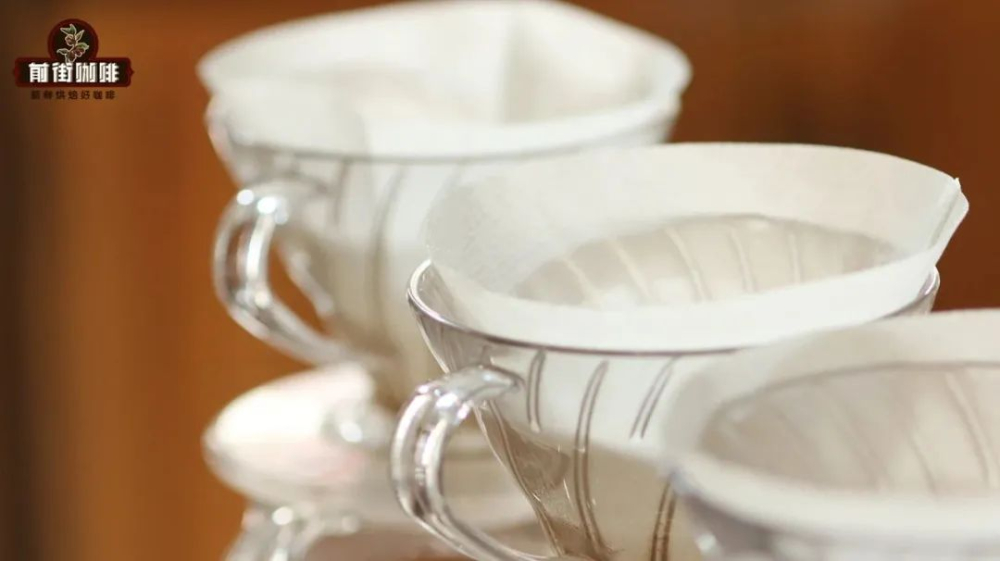
Rinsing the filter paper is a default action many people perform before brewing. First, it's to make the filter paper "tightly" fit the dripper, and second, it also preheats the dripper and the server at the same time. Some beginners only know to "pour" water to wet the filter paper, while ignoring the importance of it sitting flush.
Front Street once did a comparative experiment: if the filter paper doesn't sit flush, the escape of gas from the coffee grounds during blooming will be hindered, and some dripper wall designs will also lose their auxiliary function (such as the V60's spiral ribs for channeling, or Kono's smooth curved surface), and the extraction uniformity and flow rate will be affected accordingly. For the technique of making the filter paper sit flush, you can refer to this.
Detail Three: Tapping the dripper too many times after adding the grounds
I'm sure everyone knows that an uneven coffee bed easily leads to uneven contact between grounds and water, so after pouring in the coffee grounds, we gently tap or shake the dripper to level the surface of the bed. But you should know that tapping too hard or too many times will cause a large amount of very fine particles to fall through the gaps to the bottom. At this point, the upper layer of the bed becomes loose while the lower layer becomes tightly compacted, making it hard for hot water to penetrate, ultimately causing clogging in the final stage of brewing.
There's also technique to adding the grounds: we can first aim at the center point and slowly pour out the coffee grounds, so that it's less likely to end up leaning to one side, and just a gentle shake will distribute the particles evenly across the bottom of the dripper.
Detail Four: Inadequate checks before pouring
Front Street has brewed at least a thousand pots of coffee by now, with all kinds of parameters at our fingertips, yet we still occasionally make some rookie mistakes. So to avoid situations that are hard to salvage, the checks before pouring are very important. First, please check whether the water that just rinsed the filter paper and flowed into the server has been poured out, and whether there's enough water in the kettle. After the coffee grounds are ground, tare the scale before adding them, to reconfirm the weight and guard against the grinder "eating" grounds.
Detail Five: Confirming the water temperature too early, then taking too long to start brewing
This is a problem many home brewers overlook, and also the one most commonly seen among beginners. They're used to confirming the water temperature first, putting the lid on, and then going off to do other things. But by the time they actually pour, the temperature has long since dropped. So Front Street suggests making water temperature confirmation one of the last two steps. If you're using this kind of non-temperature-controlled pouring kettle, you can take its heat absorption into account and pour in hot water a few degrees above the brewing temperature, then wait for it to slowly drop to the target temperature and immediately start pouring.
Detail Six: During blooming, some of the coffee grounds are not wet
Waiting 30 seconds with water at twice the weight of the coffee grounds is a blooming formula everyone knows, but it actually has a prerequisite: making sure all the coffee grounds are soaked and can release gas at the same time. If you only focus on the amount of water and time for blooming, and your flow control isn't very skilled, it's easy to end up with one side of the bed dry and the other wet. Based on Front Street's pour-over experience, if you can't get all the grounds wet within twice the water amount, then you might as well "borrow" a little water from the later stages (5–10 grams) to pursue a better blooming effect.
Detail Seven: Not strictly executing the brewing parameters
Before brewing a coffee, we create a corresponding brewing plan, including parameters such as dose, water amount, temperature, grind size, water temperature, and pouring distribution. Only by brewing strictly according to the originally set values can we, if the coffee tastes off in the end, adjust within the original extraction framework during review.
Imagine this: if you use a 1:15 coffee-to-water ratio, but with 15 grams of coffee grounds you end up pouring a total of 238 grams of hot water, and then before the coffee has finished dripping, you think the tail end will be bitter and hurriedly remove the dripper, and finally "top up" with water to balance the concentration—then the actual coffee-to-water ratio is no longer 1:15, the taste of the coffee is left "to fate," and it can't serve as a valid extraction reference.
Detail Eight: Staring only at the scale and ignoring changes in the coffee bed
Many beginners have a not-so-great habit: when pouring, they like to stare at the numbers on the scale the whole time. For coffee extraction, the accuracy of the numbers is certainly important, but devoting too much attention to the data often means missing changes in the coffee bed. For example, when brewing a light roast, a fine grind slows the flow rate somewhat. If you're too focused on grams and time, and the water level keeps rising above the coffee bed, the water will run straight down along the channeling ribs and cause under-extraction.
Therefore, during pouring, more attention should be placed on changes in the coffee bed.
Detail Nine: Drinking the coffee without swirling it first
Generally speaking, the flavor compounds extracted at different stages of brewing are different, and the taste goes from strong to weak. So if you don't want a coffee that's strong in one sip and weak in the next, you need to swirl it a few times by hand to let it fully blend before tasting.
Mastering these details may not make your coffee ten times better right away, but doing them well will eliminate various unstable factors at the source and help you more directly identify why your coffee doesn't taste good—whether it's the grind, the water temperature, the coffee-to-water ratio, the pouring technique, or something else.
- END - Front Street Coffee
No. 10, Baoqian Street, Yandun Road, Dongshankou, Yuexiu District, Guangzhou, Guangdong Province
The above content is compiled by CoffeeHunters, a coffee news website.


