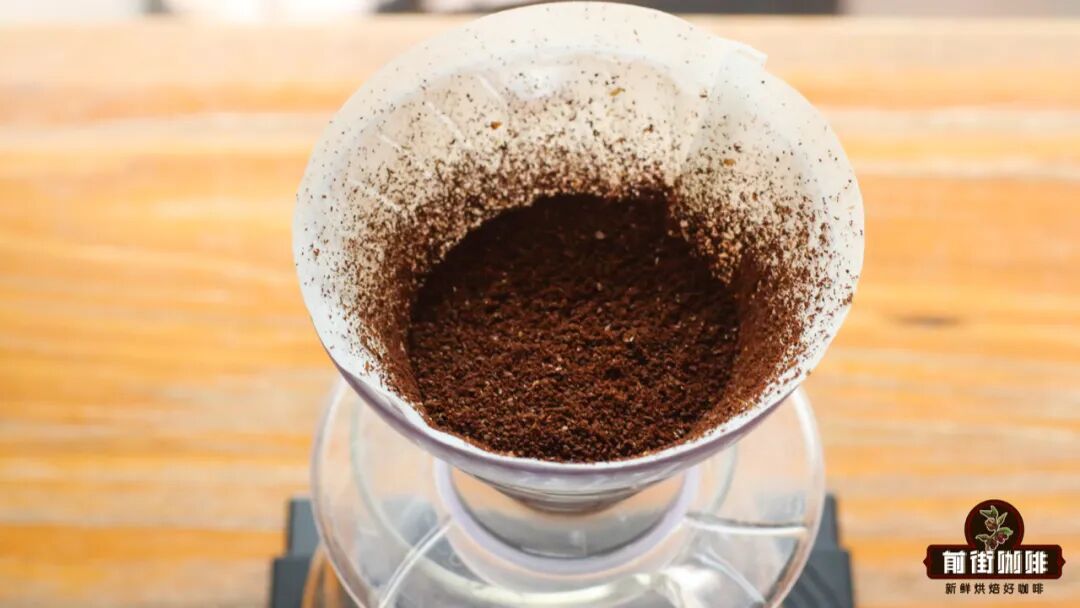
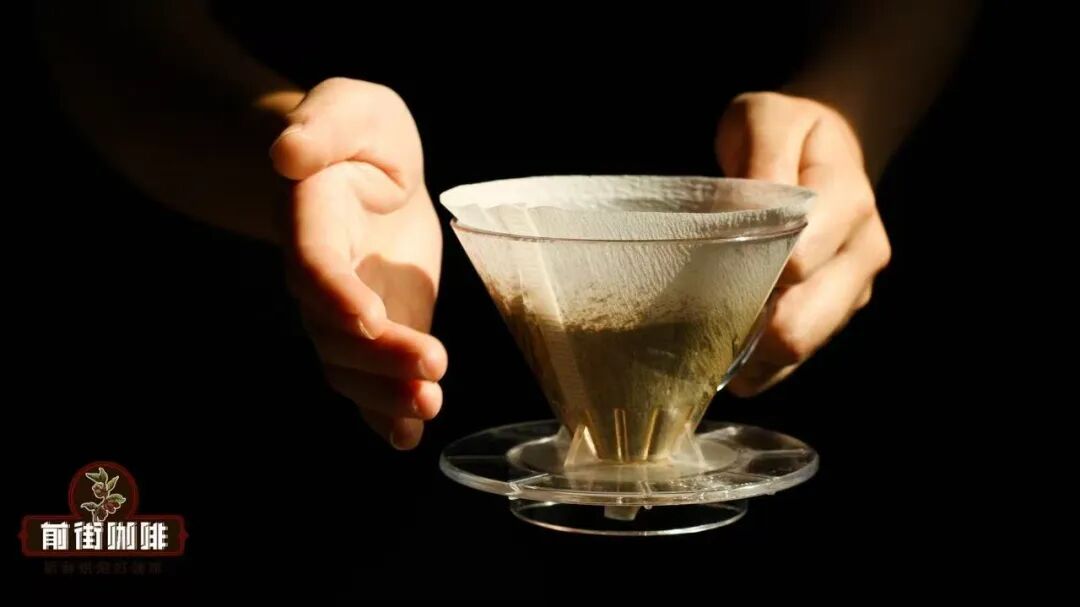
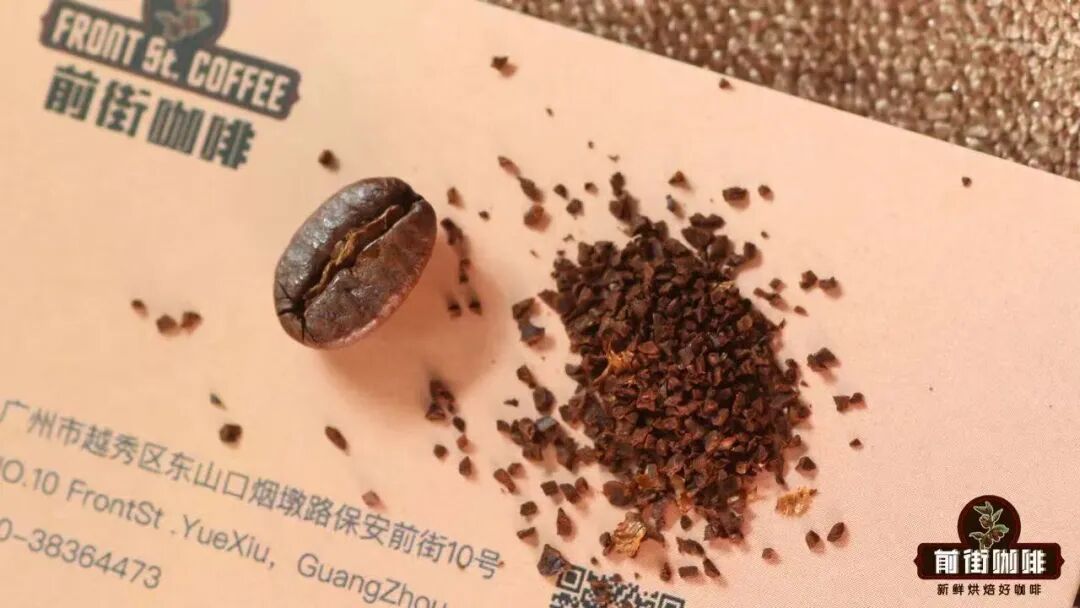
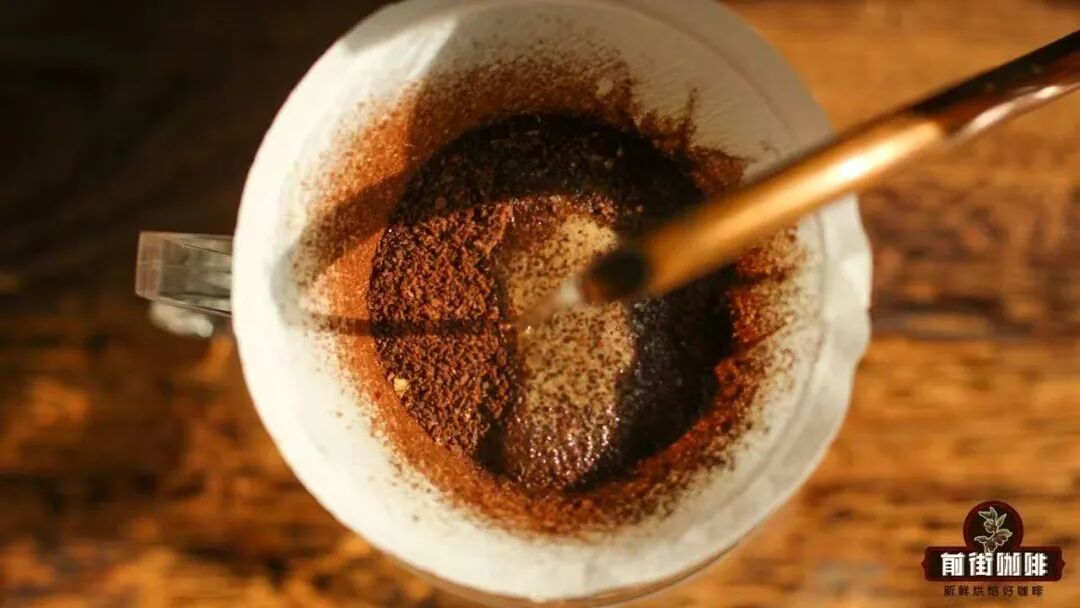
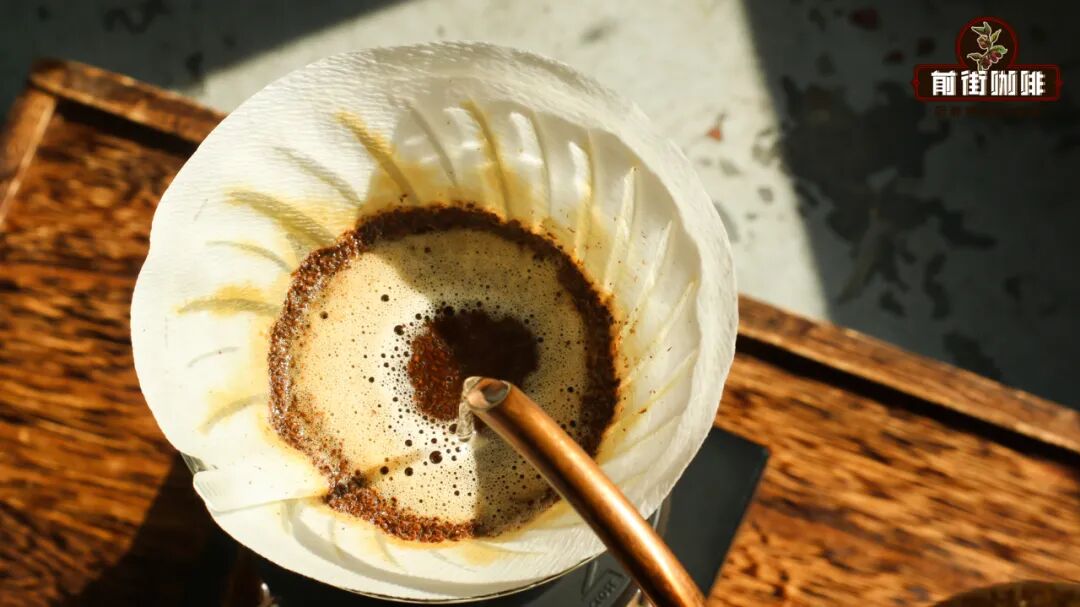
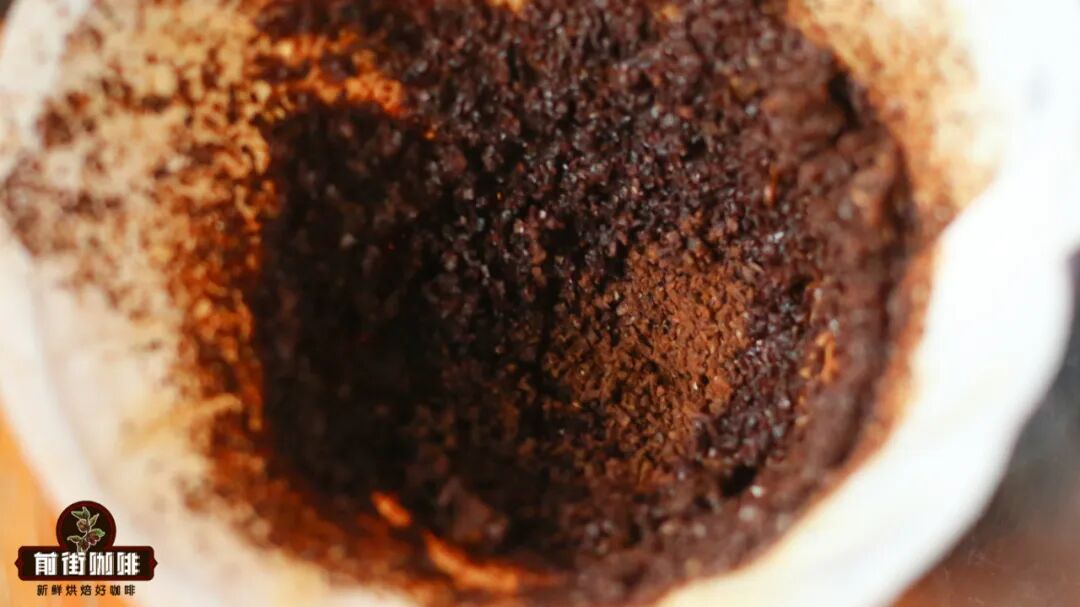
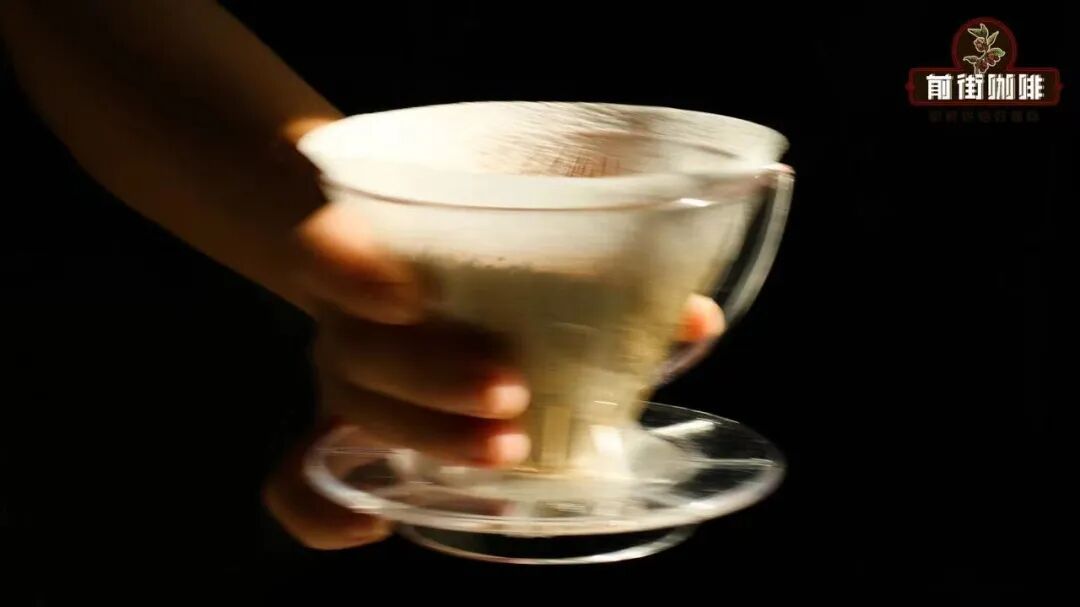
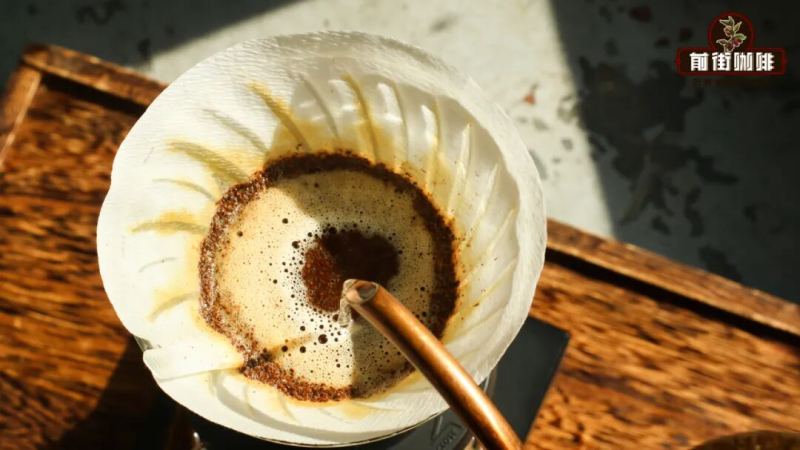
A surprise question from Front Street: when you pour coffee grounds into the dripper and end up with the scene shown below, what would you choose to do?Most friends, like Front Street, would choose to tap the dripper so that this uneven coffee bed becomes level . This is not just to make it look nicer, but also because everyone believes that leveling the coffee bed allows for a more even extraction.And that is indeed true! Compared with an uneven coffee bed, a level one makes it easier for hot water to achieve even extraction and lets us more easily brew a delicious cup of coffee.But! However! There is also a lot of nuance in how you level the coffee bed. If you do not pay close attention, then the coffee brewed after leveling the bed may actually not taste as good! For example, when we tap very frequently, it may be because of the "Brazil nut effect" that extraction is affected.The so-called "Brazil nut effect" means that when we apply external force under normal conditions by shaking, tapping, or similar actions to a container filled with particles of different sizes, a phenomenon appears inside the container: larger particles gradually rise to the surface, while smaller particles in the container sink toward the bottom.Front Street often shares this effect, because this phenomenon is very common in coffee! It applies not only to coffee beans, but also to coffee grounds!The coffee grounds produced by the grinder are not all the same size; there are both large particles and small ones. When such a difference exists, it leads to the Brazil nut effect! When we tap the dripper, the smaller coffee particles accumulate at the bottom of the dripper, while the larger coffee particles concentrate toward the upper layer. And this easily triggers two extraction problems:When the smaller coffee particles all accumulate at the bottom, it becomes very difficult for the hot water during blooming to evenly wet all the coffee grounds, which then affects the subsequent extraction.This is because the gaps between small particles are narrower, and especially after frequent tapping, the "connections" between particles become tighter, greatly reducing the space for hot water to flow through the coffee grounds. As everyone knows, water is lazy, and it will concentrate on flowing where it can flow easily. So when the bottom coffee bed is very compacted because it is packed with small coffee particles, hot water will preferentially flow toward larger gaps and easier paths, such as the edges of the dripper.If the amount of water poured in is large enough, then this effect can be completely ignored. For example, in the main extraction stage of pour-over coffee, because enough water is poured in, there is no need to worry about being affected by channeling during extraction as with espresso.But during blooming it is different, because the amount of water we use during blooming is not much(generally twice the weight of the coffee grounds), so when the coffee bed is too compacted, a small amount of hot water will find it hard to wet all the coffee grounds because of its laziness, since after touching the compacted coffee bed the hot water will run to other places where it can flow more easily.Front Street has done many tests for this and found that when we use conical drippers, which allow a taller coffee bed, and coffee grounds with higher density, tapping the dripper multiple times can easily lead to a situation where hot water cannot wet all the coffee grounds. When the blooming time is up and we dig into the coffee grounds, we can always see that some coffee grounds at the bottom are still dry.The appearance of this situation prevents these coffee grounds from fully degassing during blooming and from releasing enough flavor substances during extraction, so the coffee we finally brew will not taste as good! Because the extraction yield drops, the flavor is less prominent and the mouthfeel is less full.Second, excessive tapping can also easily lead to over-extraction! The reason is also simple. As Front Street mentioned earlier, the Brazil nut effect causes small coffee particles to sink downward, and these small coffee particles of course also include the coffee's fines. When we tap to make these fines sink to the bottom, they can easily clog the filter paper's pores!The more times you tap / the greater the force, the higher the chance of clogging. Once the filter paper's pores are clogged, the space for water flow will be further reduced, which will延长 the coffee's extraction time. And overly long extraction time brings higher extraction efficiency, so in the end we will easily brew a cup of over-extracted coffee.The above are the possible negative situations after leveling coffee grounds. Front Street believes that at this point some friends will say, in summary, when we encounter uneven coffee grounds, can we only level them by other methods instead of patting them flat?Of course not! You can still pat them, but it is best not to tap the dripper too many times or with too much force, so that not too many coffee grounds migrate, and naturally these negative situations above will not appear. Of course, we can also choose other ways to level them, but the principle is the same: just do not make too much of a fuss~
 The above content is compiled by CoffeeHunters, a coffee news website.








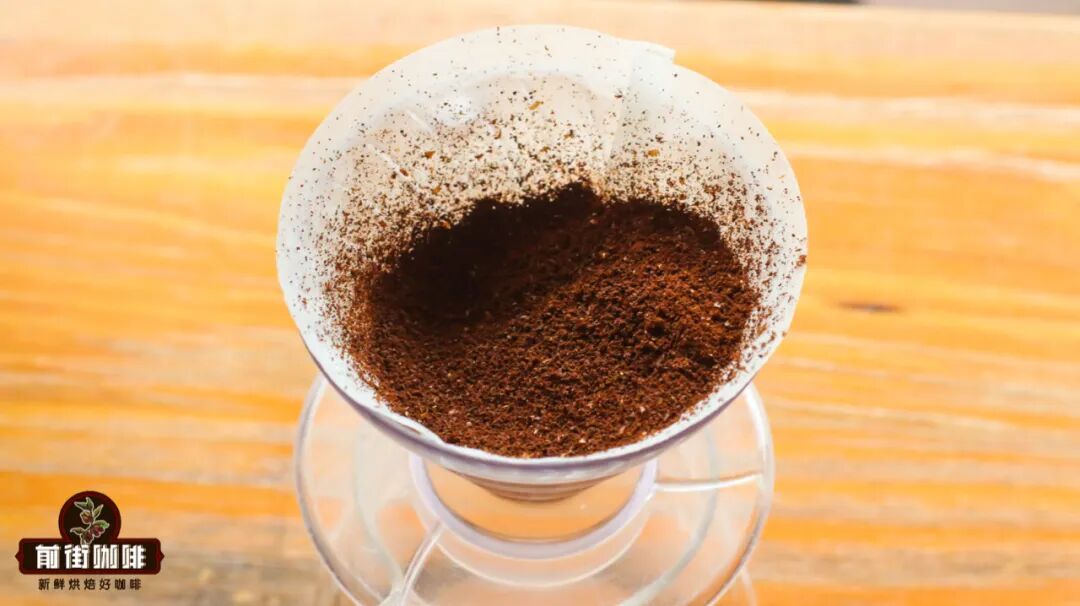
 . This is not just to make it look nicer, but also because everyone believes that leveling the coffee bed allows for a more even extraction.