







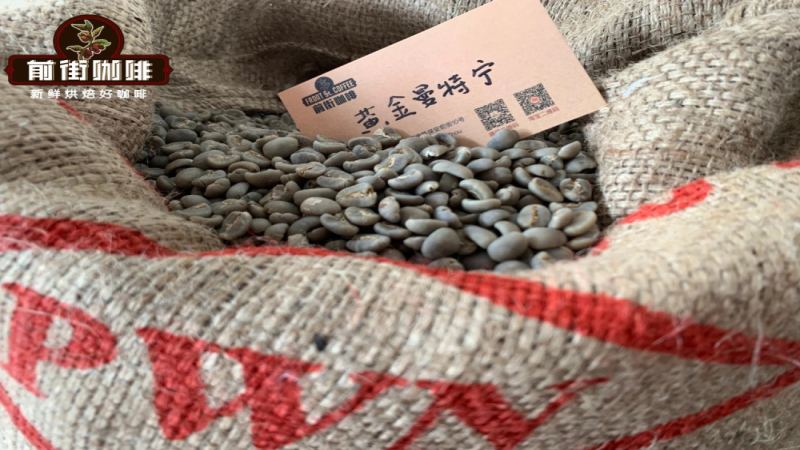
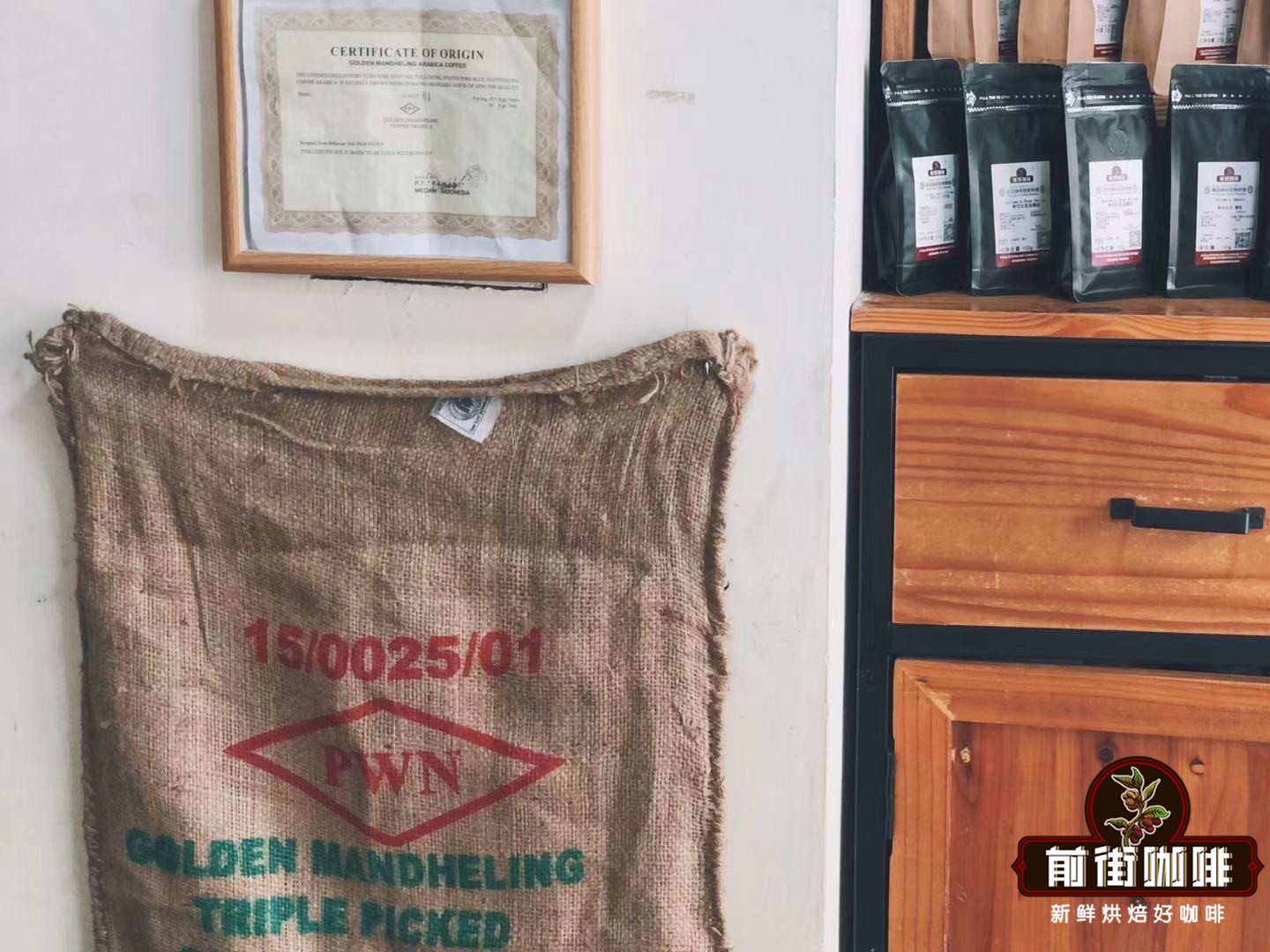
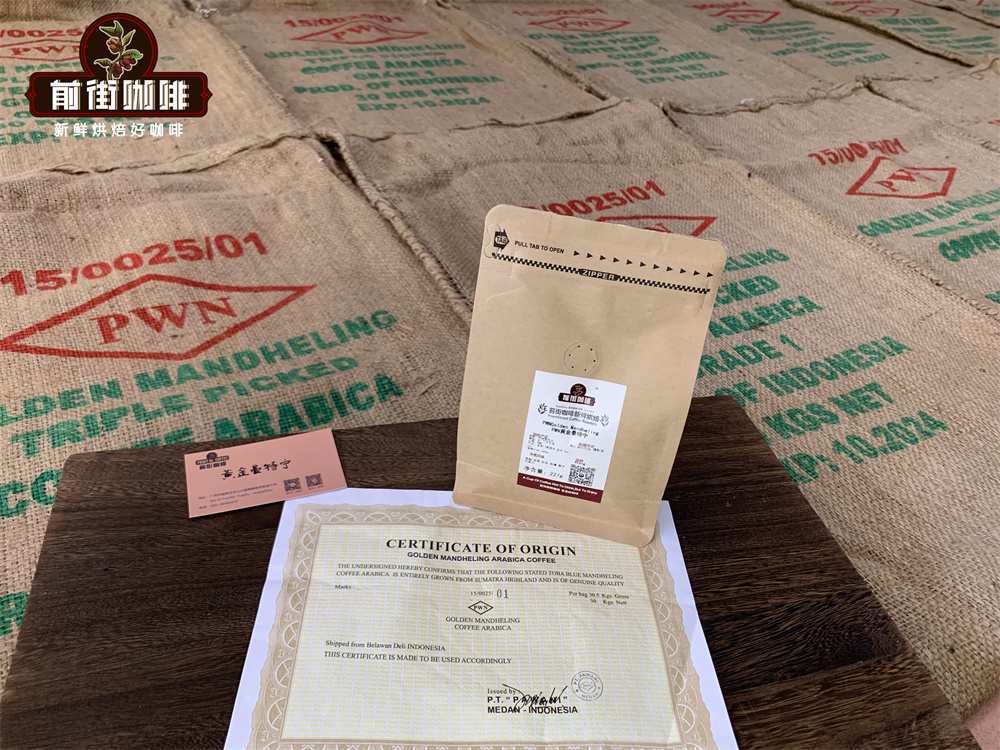
When it comes to Indonesian Mandheling, the most famous and popular is undoubtedly produced by the Indonesian PWN companyGolden Mandhelingcoffee beans. Many people come to drink Golden Mandheling coffee and decide to buy coffee beans to brew at home, but they can never reproduce the flavor they tasted in the coffee shop. Why is that? In this article, Front Street Coffee will explain the pour-over requirements for Golden Mandheling coffee beans.
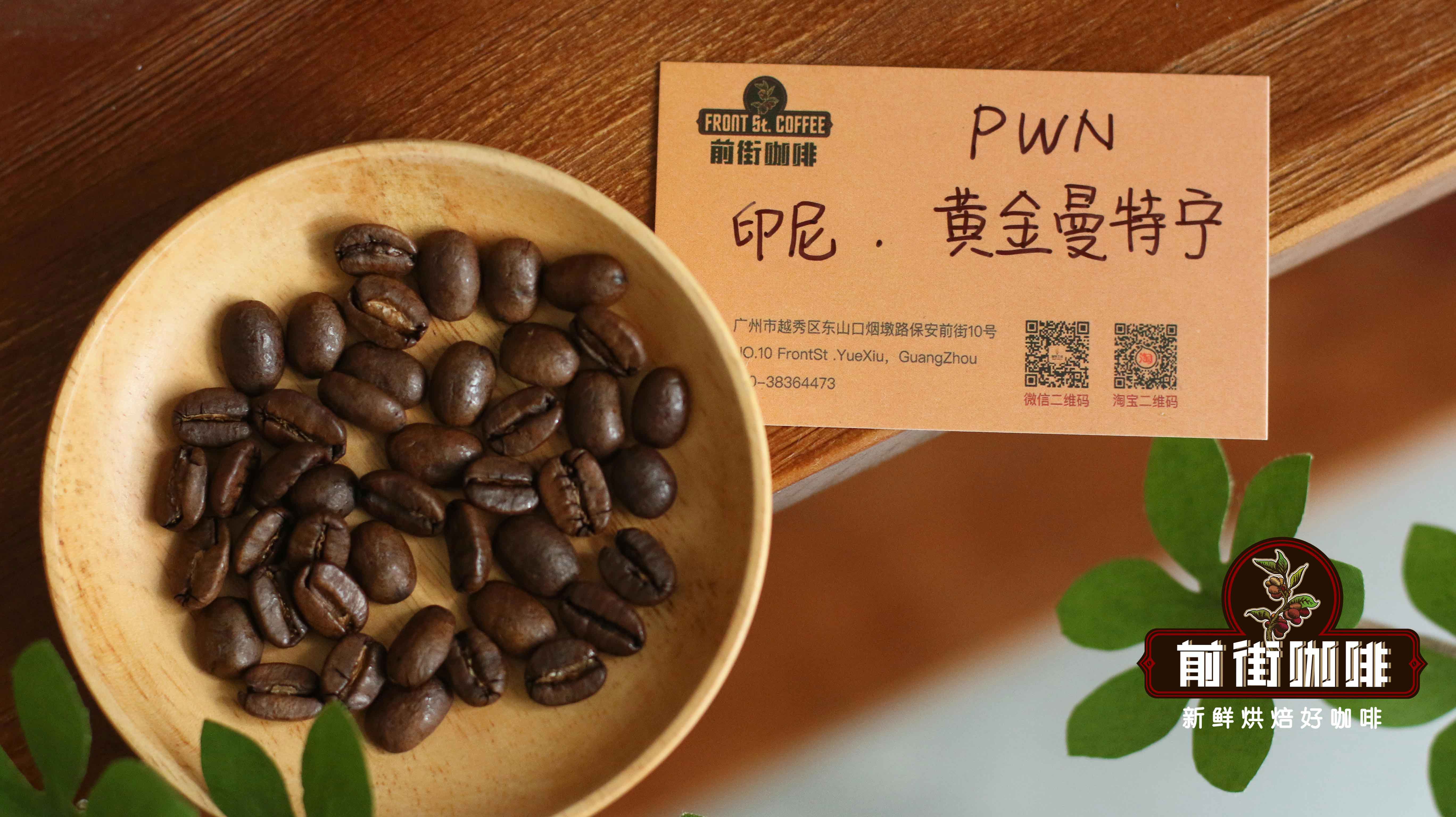
Front Street Coffee pwnGolden Mandheling coffee beans
Country: Indonesia
Region: Sumatra Aceh Gayo Mountain
Altitude: 1100-1600m
Variety: Ateng
Processing method: Wet-hulled
Flavor: Baked toast, nuts, pine, caramel, herbal
Front Street Coffee has introduced this pwnGolden MandhelingThe biggest characteristic is its specification standard of 18 mesh or above, with fewer than 3 defective beans (in a 300g green bean sample), belonging to the highest grade G1. The color is dark green, and the shape is neat flat beans.
Everyone knows that Indonesian green coffee beans use the wet-hulled processing method. Because the semi-hard, semi-soft wet green beans are easily crushed when the mucilage and parchment layer are removed, the beans crack open like sheep hooves, commonly known as sheep hoof beans. Although these sheep hoof beans are not defective beans, in PWN's view, they don't look good enough, so they are screened out to give everyone a neat and uniform appearance.
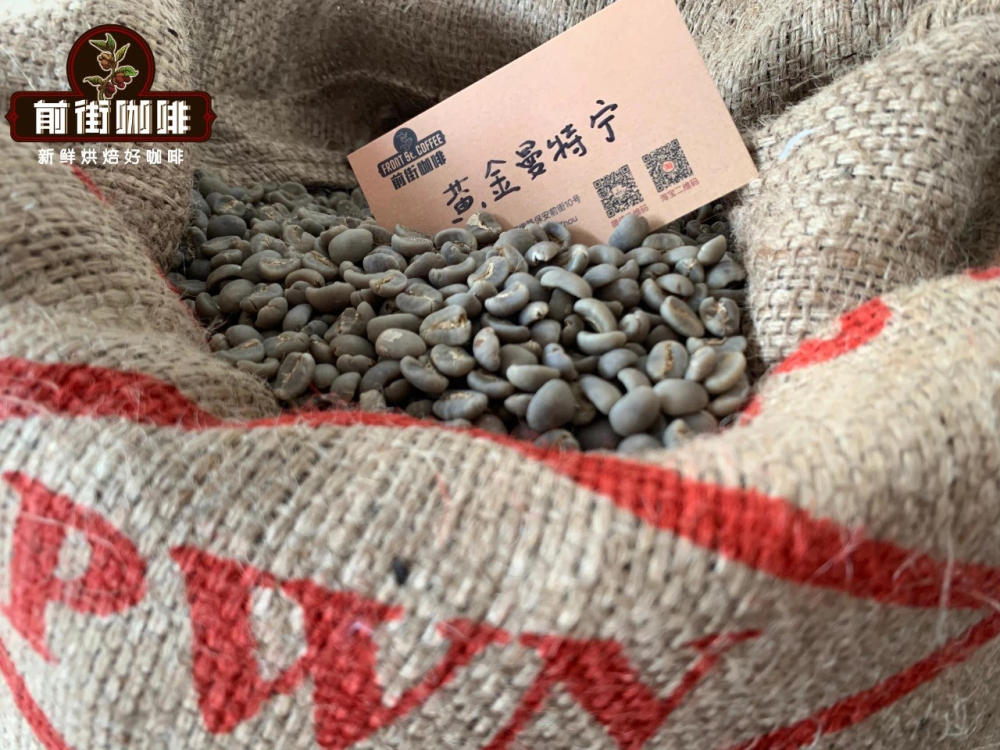
Therefore, after three manual screenings, PWN also puts the green coffee beans into a machine for density and color sorting. The final result is Mandheling coffee beans with uniform color and uniform bean shape. It is said that when processing the green beans, the Mandheling beans under sunlight emit a golden luster, hence the name Golden Mandheling.After strict screening, Front Street Coffee found that Golden Mandheling not only loses the earthy miscellaneous flavors unique to ordinary Mandheling, but also offers a clean and bright mouthfeel while maintaining high body.
So how do you properly brew this Golden Mandheling coffee?
First, you need to know that pour-over coffee refers to using a dripper and filter paper to hold appropriately ground coffee powder under normal atmospheric pressure, with the brewer using a steady pouring method to pour water at the appropriate temperature and volume onto the coffee grounds for extraction. Since grind size, water temperature, pouring method, and brewing time all affect coffee flavor extraction, it is a brewing method that highly demands skill and coffee expertise.
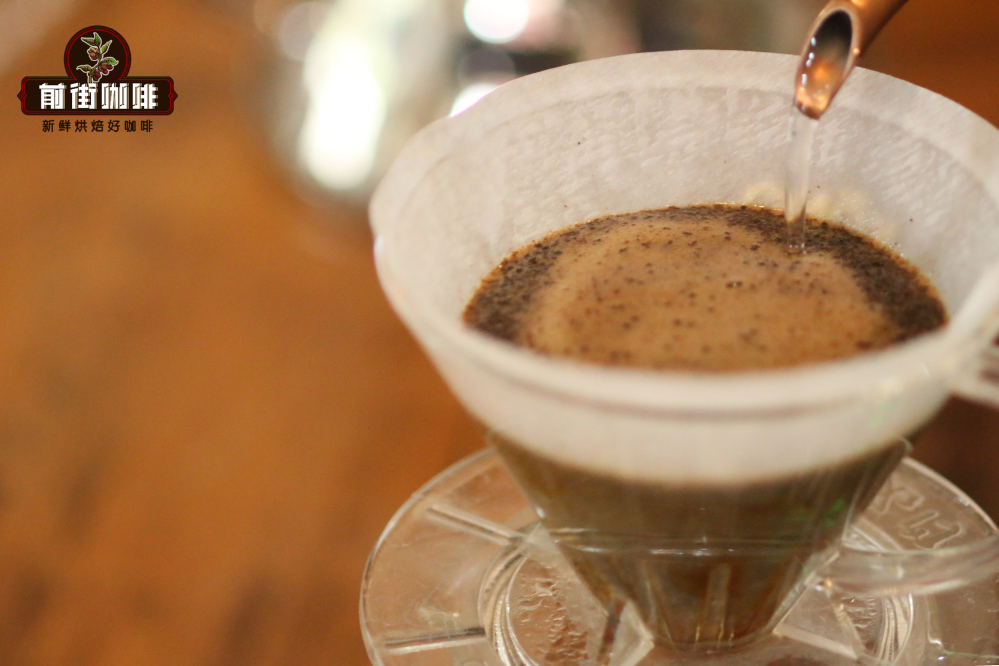
So Front Street Coffee, through years of pour-over coffee extraction experience, summarizesthe seven elements of pour-over coffee, as follows:
1. Fresh coffee beans
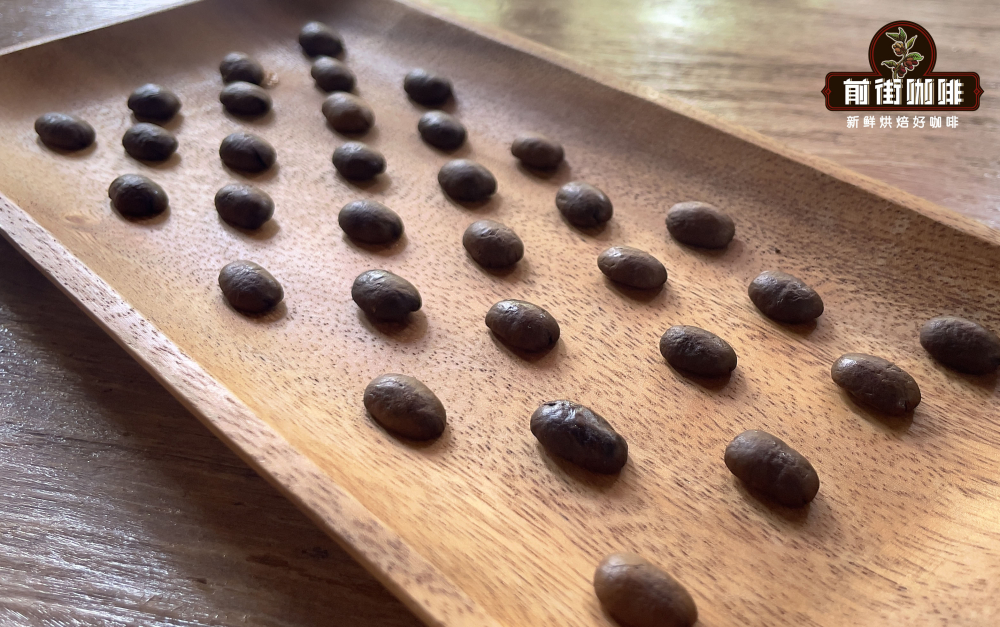
Front Street Coffee believes that the optimal flavor period for coffee beans is 30 days. After 30 days, the aroma molecules in the coffee beans decrease as carbon dioxide is released, so coffee beans past their optimal flavor period may taste bland and flat when brewed. This is why Front Street always emphasizes "use freshly roasted coffee beans" before discussing any brewing knowledge.
2. Pour-over coffee grind size standard
At the same time, to ensure that each bean has the most suitable grind size for brewing, Front Street recommends purchasing a No. 20 cup test correction sieve with a mesh aperture of 0.85mm. We take 10g of coffee beans, adjust to an approximate grind setting and grind into coffee powder, then pour into the sieve for sifting, and weigh the sifted coffee powder (you must sift until no more coffee powder can pass through to complete the sifting).
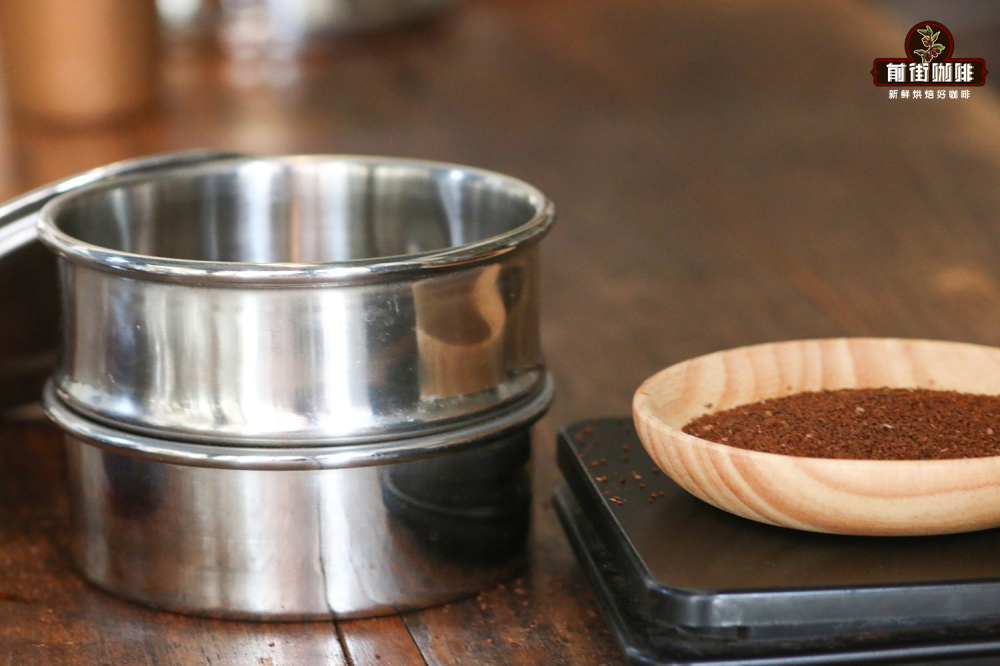
A passing rate of 80% (8g out of 10g passes through) is the most suitable grind size for medium-light roasted coffee beans, and a passing rate of 70%-75% (7-7.5g out of 10g passes through) is the most suitable grind size for medium-dark roasted beans. If the passing rate exceeds the suitable range, adjust the grind size coarser; if it falls below the suitable range, adjust the grind size finer.

Among them, Indonesianpwn Golden Mandheling coffee beansare medium-dark roasted. The reason the grind passing rate for medium-dark roast is 70%-75% is that the darker the roast, the fuller the coffee flavor and the different the mouthfeel. Golden Mandheling itself has a relatively full and rich flavor, so Front Street Coffee uses medium-dark roast to roast it, and through multiple brewing practices has determined that this grind size best matches the SCAA golden cup extraction rate.
3. Brewing water temperature
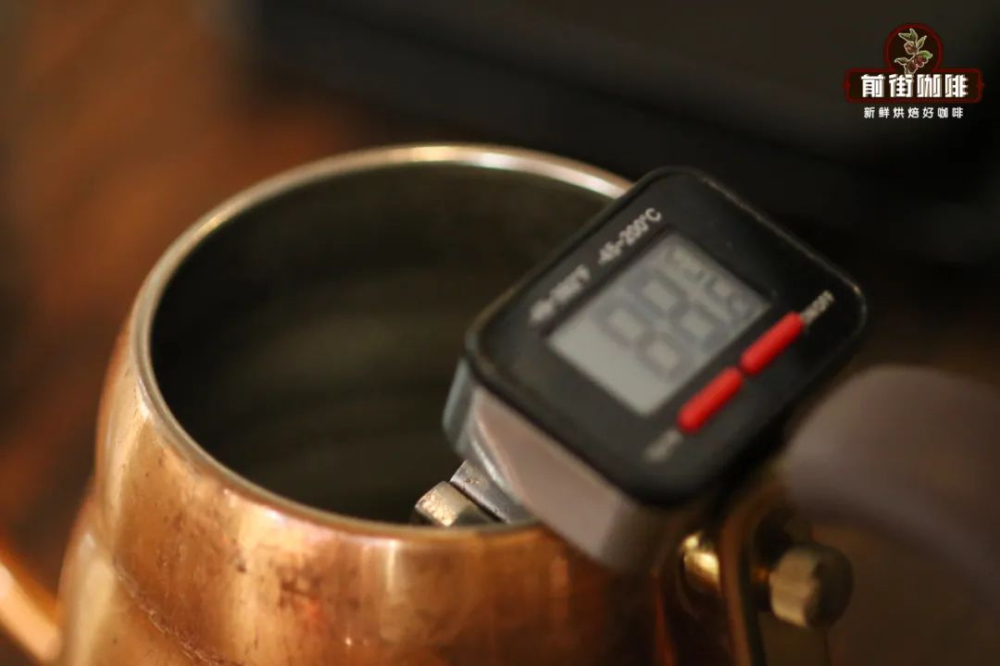
Front Street Coffee also chooses different water temperatures when brewing coffee beans of different roast levels. During roasting, the substances contained in coffee beans are lost as the roast level deepens, so dark roasted coffee beans use lower temperatures to avoid extracting too many off-flavors. For medium-light roasted beans, Front Street Coffee recommends a water temperature of 90-91℃, and for medium-dark roasted pwn Golden Mandheling beans, a water temperature of 87-89℃ is recommended.
4. Water quality
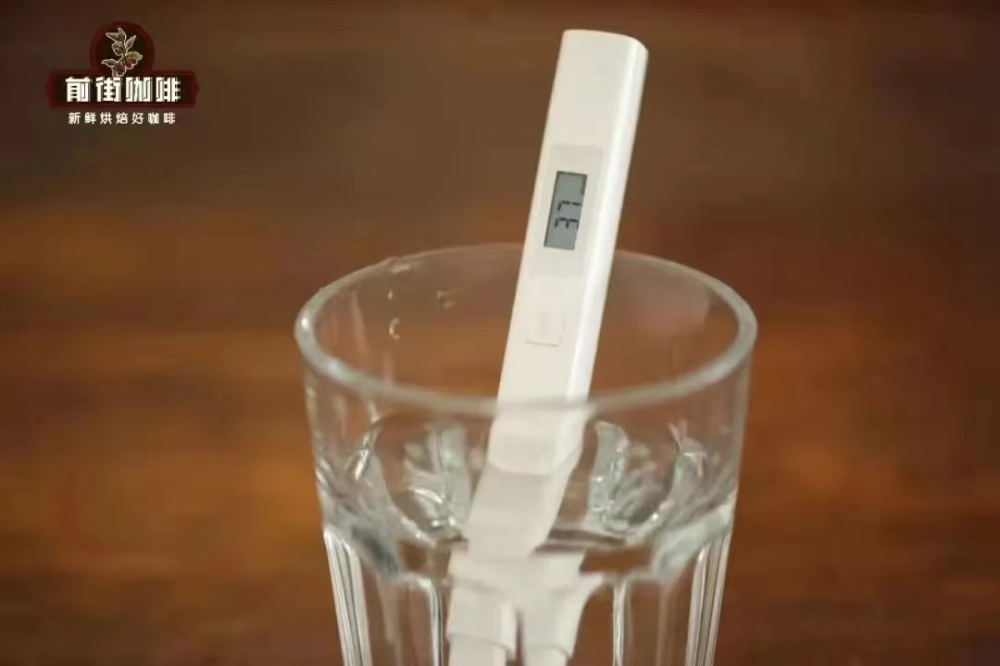
The mineral composition in water, such as calcium, magnesium, sodium, potassium and other mineral ions, affects coffee's thermodynamic extraction capacity, thereby changing the coffee flavor. Front Street Coffee does not recommend using tap water directly heated for brewing, as tap water contains many impurities and the extracted coffee may have unpleasant experiences. Front Street recommends using filtered tap water or Nongfu Spring as brewing water.
5. Dripper selection
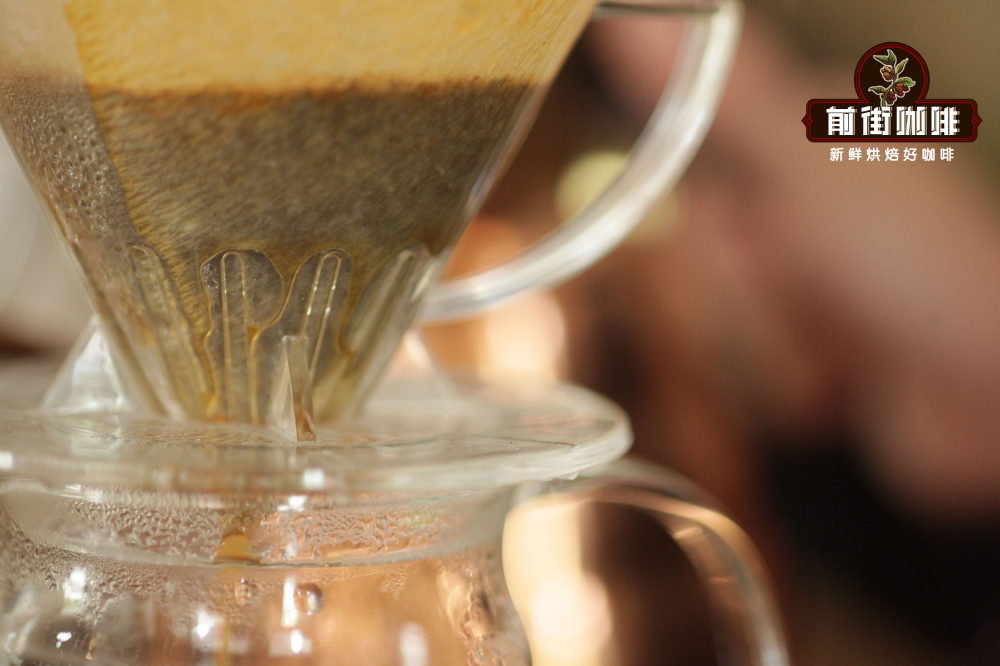
For this medium-dark roasted pwn GoldenMandheling coffee beanFront Street Coffee recommends using the KONO dripper, because the Kono dripper has few ribs and they are located at the bottom. The filter paper adheres tightly to the dripper, which can restrict airflow and extend the contact time between water and coffee grounds, allowing the coffee grounds to be fully extracted and enhancing the rich mouthfeel. This better highlights the original flavor of Golden Mandheling coffee beans, so Front Street Coffee uses the Kono dripper when producing medium-dark roasted coffee beans.
6. Coffee-to-water ratio
This is derived by Front Street Coffee based on the SCAA golden cup extraction theorypour-over coffee water-to-coffee ratioextraction parameter flavor differences
【Bold flavor】1:10~1:11, i.e., 1:12.5~1:13.5 in golden cup standard
【Moderate flavor】1:12~1:13 (i.e., 1:14.5~1:15.5 in golden cup standard)
【Light flavor】1:14~1:16 (i.e., 1:16.5~1:18.5 in golden cup standard)
A coffee bean weight to brewing water ratio of 1:14.5~1:15.5 is most likely to achieve the golden range of 18%~22% extraction yield and 1.15%~1.35% concentration.
This is also why Front Street Coffee always recommends using 1:15 for brewing. Therefore, Front Street Coffee summarizes the information given by the above SCA extraction ratio parameters as follows:
(1) The larger the coffee-to-water ratio, the lighter the coffee taste; the smaller the coffee-to-water ratio, the stronger the coffee taste.
(2) Increasing water volume to raise the coffee-to-water ratio affects more flavor substances but results in a lighter taste; decreasing water volume to lower the coffee-to-water ratio affects fewer flavor substances but results in a richer taste.
(3) Increasing coffee dose to lower the coffee-to-water ratio reduces extraction of large molecule substances in the tail end of the brew, while the taste is stronger; decreasing coffee dose to raise the coffee-to-water ratio, before reaching the limit, extracts more complete flavor substances while the taste intensity decreases.
7. Brewing time
Finally, during coffee extraction, the aroma and flavor are strong in the early stage with high concentration, and as extraction progresses, the flavor and aroma gradually weaken. The amount of water poured also affects the coffee extraction time. Front Street Coffee generally uses 15g of coffee powder, varying by bean, and with a 1:15 water-to-coffee ratio, the brewing time will be between 1 minute 50 seconds and 2 minutes 20 seconds, which is unlikely to cause over-extraction or under-extraction.

The above are the seven elements of pour-over coffee compiled by Front Street. In addition, pouring techniques are also very important. Next, Front Street Coffee will teach everyone a most common and easy-to-control pour-over coffee technique.
Pour-over coffee brewing technique
Currently, there are many different pour-over coffee brewing techniques seen in coffee shops, commonly including three-stage, one-cut, and drip methods, etc. Here Front Street Coffee recommends beginners use the three-stage pouring method for brewing, because this technique is suitable for light, medium-light, and medium roasted coffee beans. The three-stage pouring extraction method can clearly define the front, middle, and back flavors of the coffee, and can better ensure the flavor presentation of the coffee.
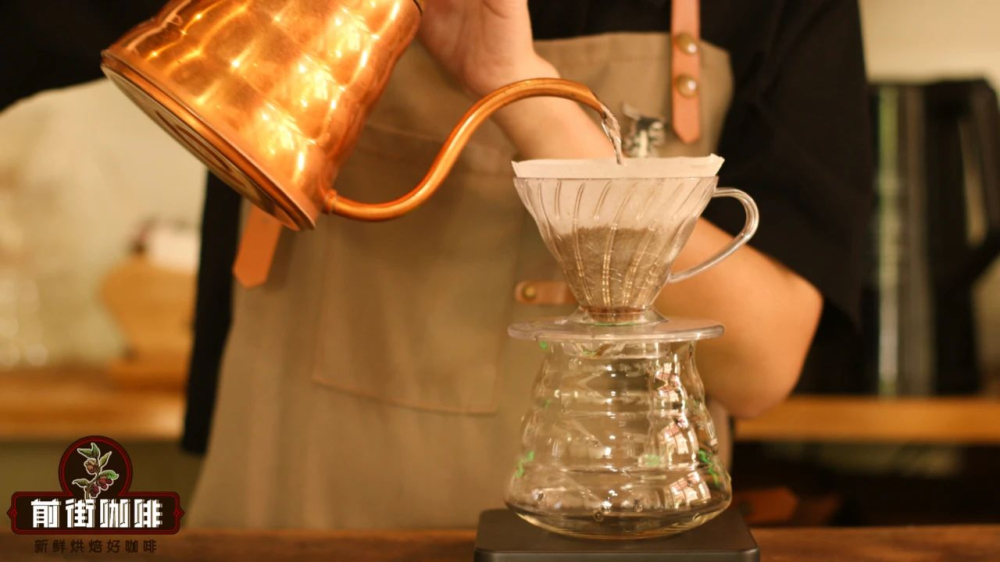
As Front Street Coffee mentioned above, the brewer needs to use a steady pouring method to pour water at the appropriate temperature and volume onto the coffee grounds for extraction, in order to brew a delicious cup of coffee. After all, pour-over coffee can also be called an art. For example, making a dish requires not only fresh ingredients but also attention to heat control and the chef's skill. Pour-over coffee is naturally no exception. Next, Front Street Coffee will teach everyone how to do the three-stage pour-over coffee.
Three-stage brewing technique:
First pour: Blooming (helps release gas)
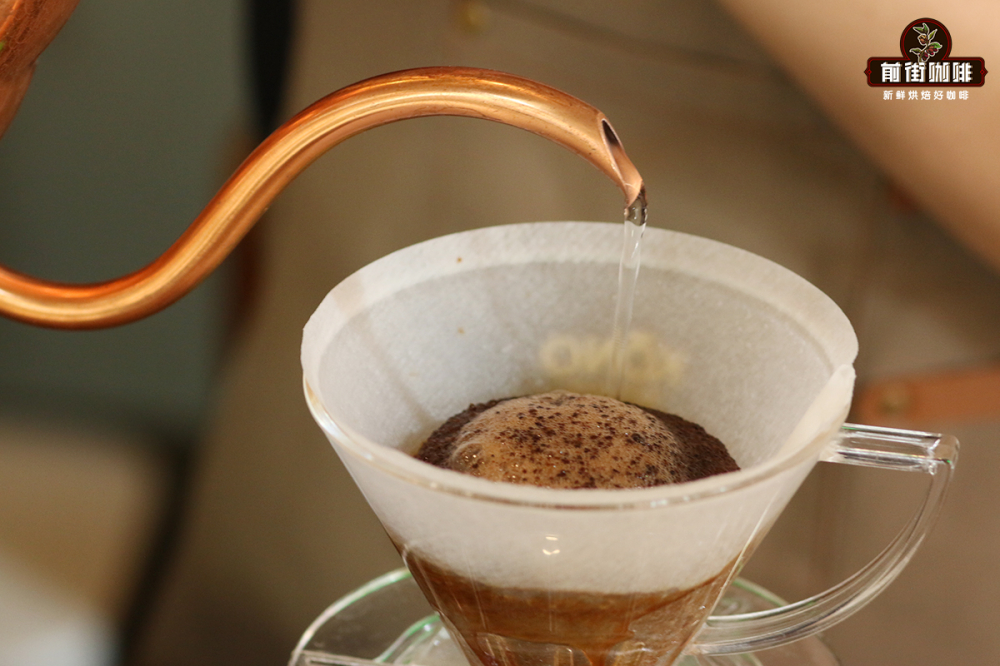
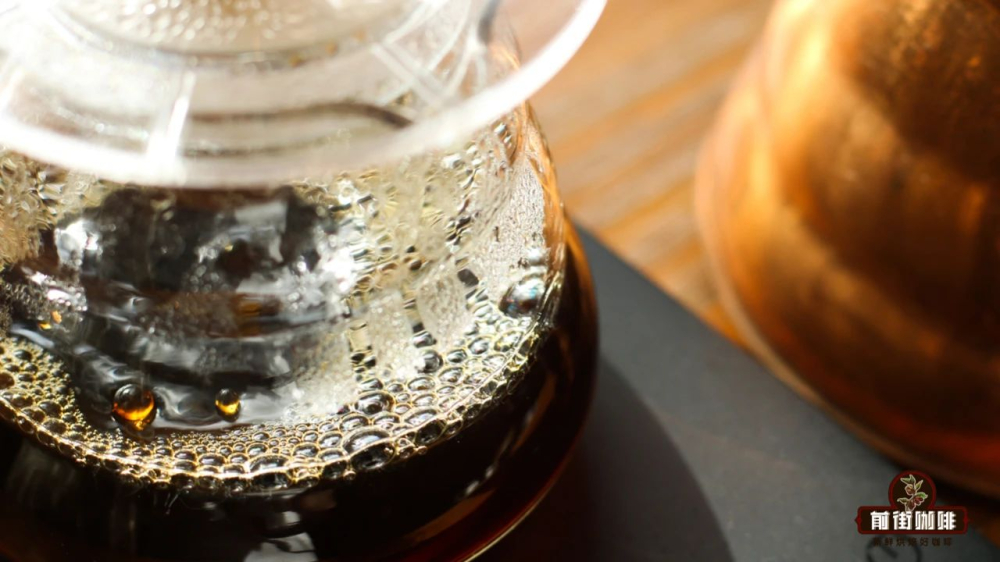
Many coffee enthusiasts don't know the purpose of blooming in pour-over coffee. Actually, blooming is needed because coffee beans undergo a series of chemical reactions and physical changes during the roasting process from green beans to roasted beans. After reaching a certain degree of roasting, a large amount of gas (mostly carbon dioxide) accumulates inside the coffee beans.
Generally speaking, the fresher the beans and the closer to the roast date, the more bubbles appear during blooming. Dark roasted beans also release more gas during blooming than light roasted beans. Front Street Coffee's coffee beans are all freshly roasted, so it is generally recommended that customers rest the beans for three days first, allowing the coffee beans to release carbon dioxide first, which can avoid instability and under-extraction problems during brewing.
After the gas is released during blooming, the coffee particles can evenly absorb water, allowing for even extraction later. A good bloom can help the coffee grounds quickly and evenly release gas while also allowing the coffee grounds to fully and quickly contact water, helping the coffee grounds be evenly extracted. These are precisely the purpose and significance of blooming in pour-over coffee.
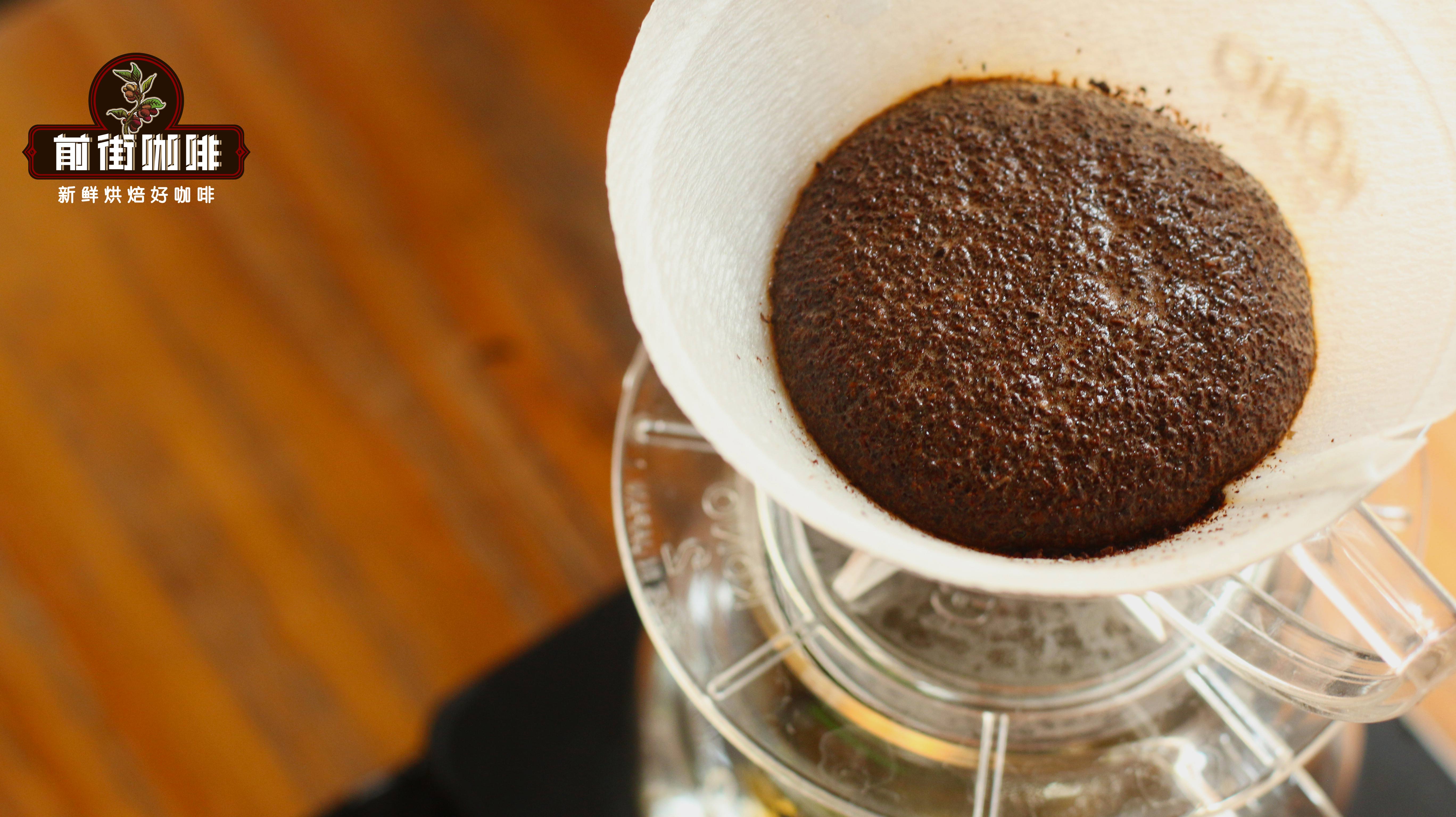
Second pour
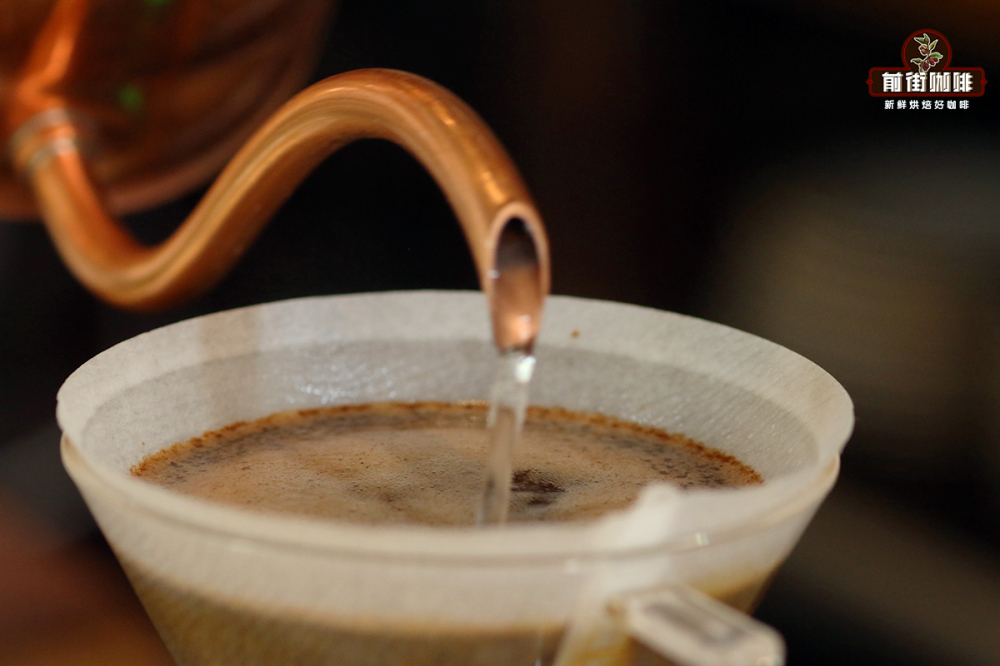
The second pour starts from the center, with a small stream injected into the bottom of the coffee bed. To concentrate the penetrating force of the water stream, the circular movement range should be small, about the size of a 1-yuan coin, then spiral outward. From the second pour onward, pay attention to the water volume, trying not to exceed the height of the coffee bed. That is, when the water stream circles close to the filter paper, you can stop pouring.
Third pour
As the originally thicker coffee bed near the filter paper edge becomes heavier from absorbing water, it slides down and becomes thinner as the water level drops. When the water level drops to half, you can proceed with the third pour.
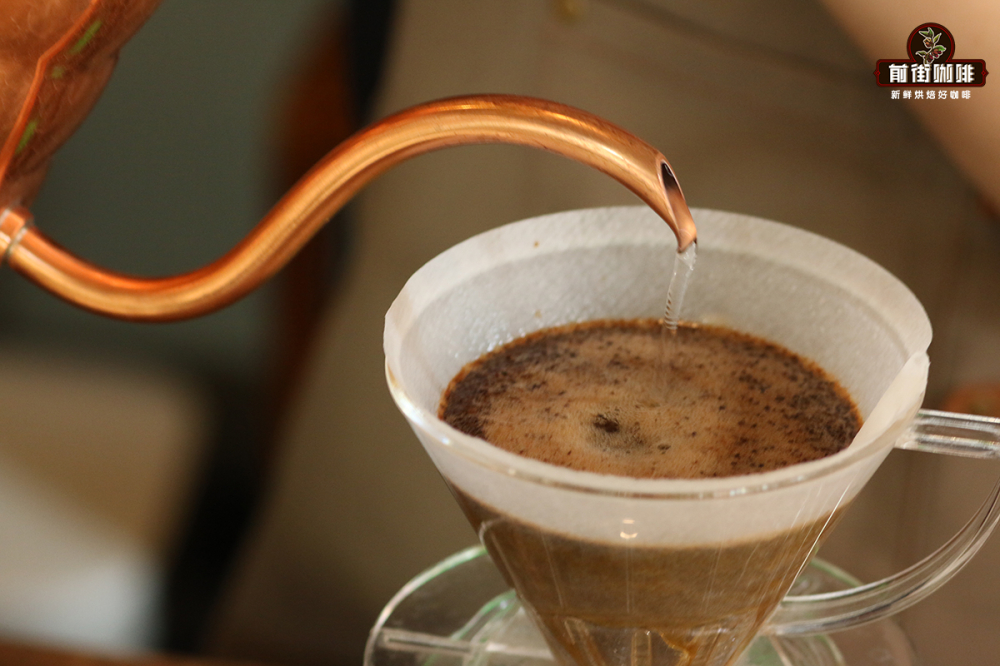
From the third pour onward, observe the rate of water level drop. Similarly, start pouring from the center in circles, with water volume not exceeding the coffee bed height. At this point, you will also observe that the foam has covered the entire surface. The third pour should increase the tumbling of coffee particles, allowing all settled particles to tumble and thereby dissolve soluble substances.
The rolling particles will begin to settle when water is stopped. At this point, the flow rate caused by the dropping water level creates friction between coffee particles. So once water is stopped, the coffee particles sink down, causing clogging. Therefore, pay special attention to the rhythm of pouring. If you stop pouring too many times, it's like letting the coffee particles soak in water continuously, which will cause astringency and off-flavors in the tail-end extraction.
The above is the three-stage extraction method compiled by Front Street Coffee. It is also known by another name, "segmented" extraction method. Next, Front Street Coffee will share how to brew pwn Golden Mandheling coffee beans!
Front Street Coffee pwn Golden Mandheling brewing data sharing
Dripper: Kona
Water temperature: 86-88℃
Coffee dose: 15g
Coffee-to-water ratio: 1:15
Grind size: (No. 20 standard sieve passing rate 70-75%)
Brewing technique: Segmented extraction.
First, use 30g of water for a 30-second bloom, then pour in a small stream in circles until 125g for the stage break. When the water level drops and is about to expose the coffee bed, continue pouring until 225g and stop. When the water level drops and is about to expose the coffee bed, remove the dripper. (Timing starts from the beginning of blooming.) V60 dripper extraction time is 2'00", and Kono dripper extraction time is slightly longer at 2'10".
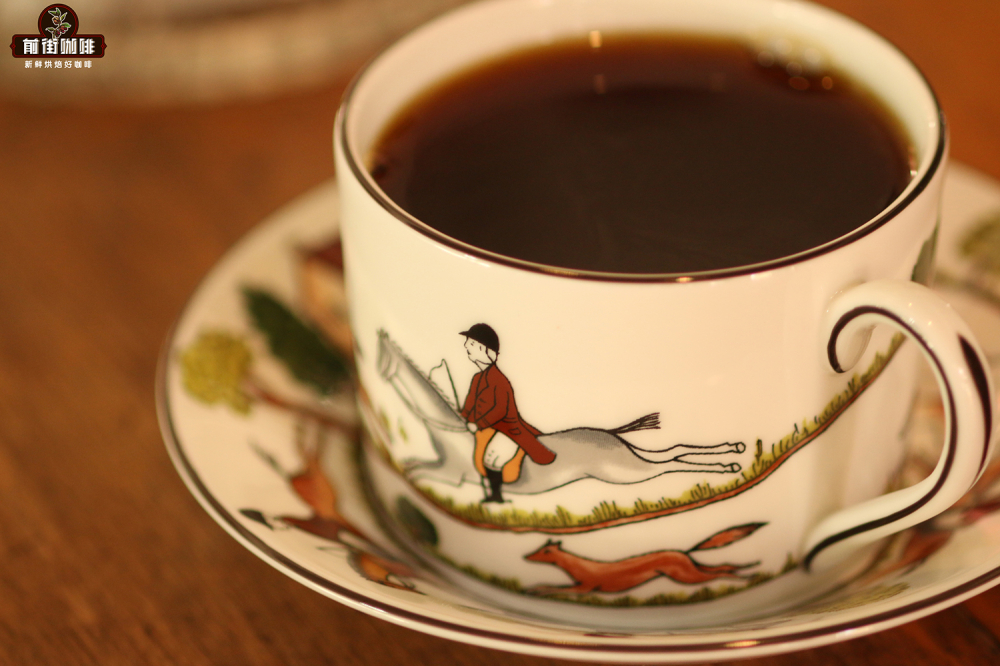
pwn Golden Mandheling brewing flavor:Layered and complex, rich and clean, high balance, intense nut and caramel aroma, with chocolate notes, long-lasting aftertaste.
For more specialty coffee beans, please add private WeChat Front Street Coffee, WeChat ID: kaixinguoguo0925
The above content is compiled by CoffeeHunters, a coffee news website.


