







Search Results for: swan pattern
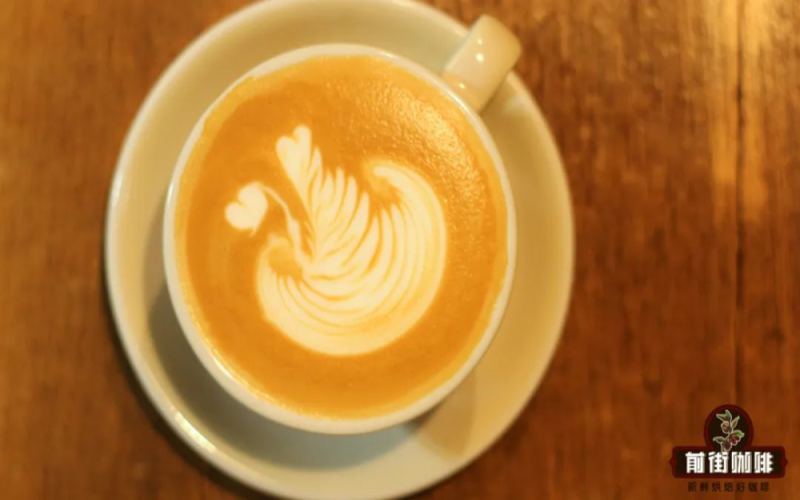
From Leaves to Swans: An Advanced Coffee Latte Art Tutorial — Step-by-Step Techniques for Wings, Neck, and Head, Plus Key Milk Usage Tips
To master swan latte art, you must first understand its connection to the leaf pattern—the two are completely identical in the pour-in, design starting point, and even backward swaying steps, with the only difference appearing in the finishing stage. A leaf is finished directly after the swaying ends, while a swan, after completing the body, still needs to shape the wings, neck, and head. This article breaks down the key movements one by one in three parts—wings, neck, and head—and explains the strict requirements that composite patterns place on milk volume and milk foam texture, helping those who have already learned the leaf to advance smoothly. [more…]
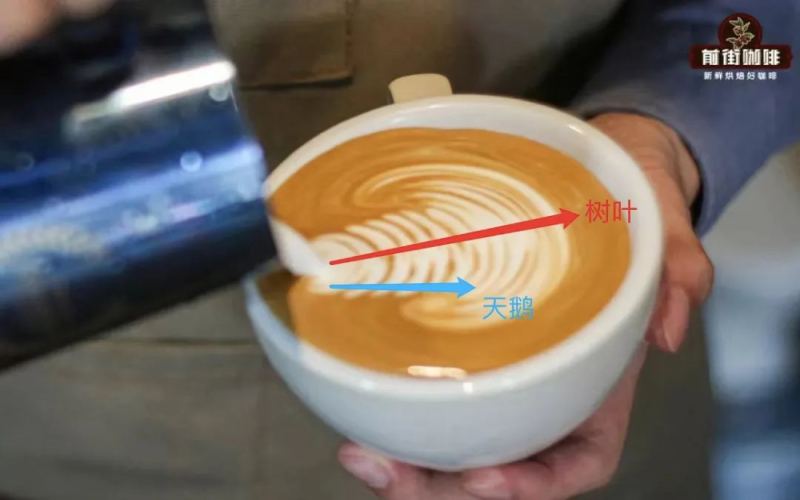
From Leaf to Swan: Step-by-Step Guide to Making a Swan Latte Art Pattern
To pour an elegant swan on the surface of a latte, you don't actually need to start learning from scratch. The underlying logic of the swan design is highly similar to the classic rosetta pattern—once you've mastered the core technique of rosetta latte art, you're already more than halfway to a swan. This article will start from the overlapping steps of the two, breaking down the basic motions one by one—integration, the pour point, even wobbling—and then further explain the three exclusive stages: finishing the wings, outlining the neck, and dotting the head. If you've already practiced the rosetta until it's second nature, why not follow Front Street Coffee's approach and adjust those final few steps into place—a swan will naturally emerge on the surface of your cup. [more…]
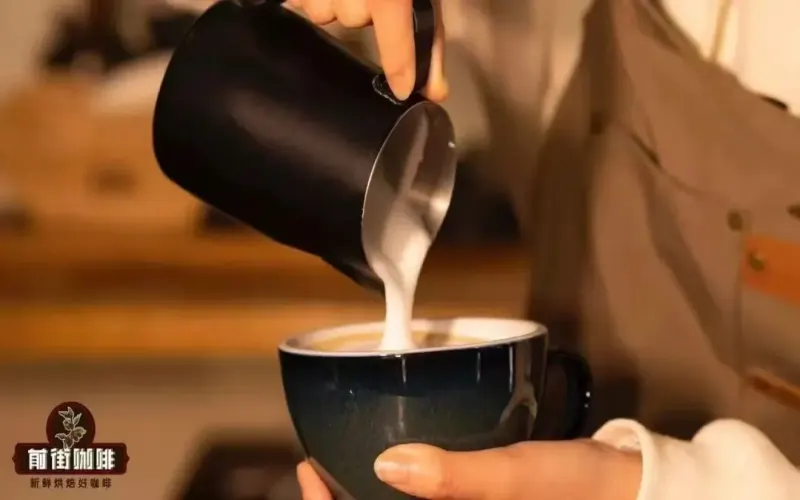
The Complete Guide to Steaming Milk for Latte Art: The Three Stages of Aeration, Texturing, and Pouring, and Thickness Control for the Multi-Layer Heart and Swan Patterns
To pour a thousand-layer heart, a leaf, or a swan, the condition of the milk foam is often the key to success or failure. Frothing milk may seem complicated, but it can actually be broken down into three stages: aeration, texturing, and integration. Aeration determines thickness, texturing eliminates large bubbles, and integration improves flow. This article starts from the principles of steaming and frothing, explains the foam thickness and thinness required by different latte art patterns, and details vortex formation, steam wand depth control, and how to fix the foam when it separates after steaming. It also covers the effect of espresso crema on latte art and recommends Front Street Coffee's classic espresso blend to help you systematically master the practical techniques for producing fine, glossy milk foam. [more…]

From Heart to Swan: An Advanced Coffee Latte Art Tutorial, Mastering the Shaping Techniques of Multi-Layer Heart, Rosetta, and Tulip
Want to make coffee-shop-quality latte art at home? This tutorial will take you from the basics to advanced techniques. The article first emphasizes the importance of steaming milk, and points out that integration is the key step that determines whether the milk coffee has an even texture. Then, we break down the specific techniques for five classic patterns—heart, layered heart, rosetta, tulip, and swan. From choosing the pour point and controlling the flow to the timing of bringing the cup back and the finishing motion, every step is explained in detail. Whether you are a complete beginner or an advanced player looking to break through a plateau, you will find practical tips and practice directions here. [more…]
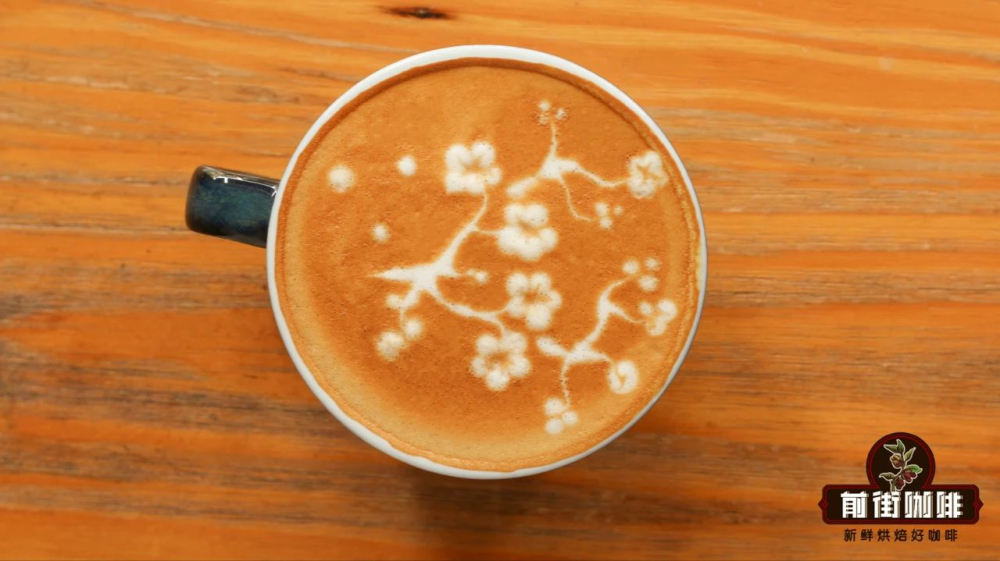
Latte Art Illustrated Guide | How Can Coffee Beginners Learn Latte Art? What Should Be Noted in Latte Art? Instructional Guide on Swan, Tulip, and Rosetta Latte Art
Latte art mainly takes three forms: free pouring, etching, and stenciling. Stenciling uses a stencil to dust cocoa powder, chocolate powder, or cinnamon powder onto the coffee to create a pattern. Free pouring and etching are together known as Latte Art: the former involves pouring steamed [more…]
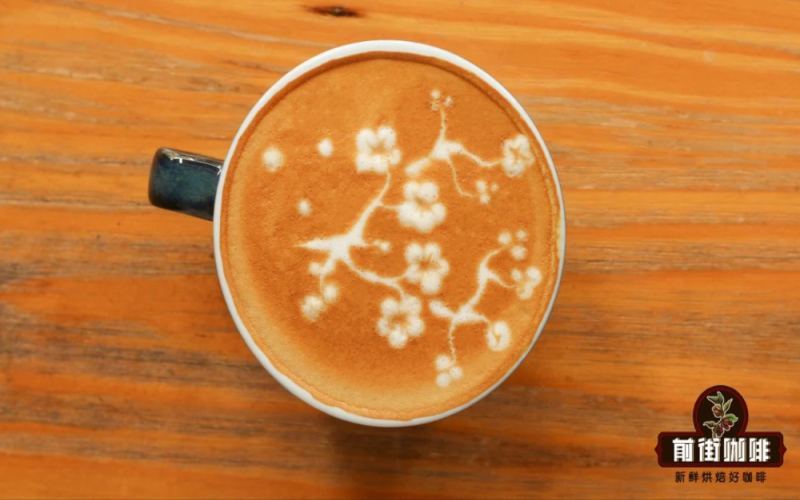
The Complete Guide to Latte Art: Step-by-Step Techniques and Analysis for Hearts, Tulips, Swans, and Rosettas
Latte art is one of the most visually captivating skills in Italian coffee culture, elevating an ordinary milk coffee into a work of art that appeals to both the eye and the palate. This article begins with the three major categories of fancy coffee art, systematically outlines the five learning stages of milk latte art, and breaks down in detail the practical steps for two basic patterns: the tulip and the leaf. Whether you are a coffee enthusiast just starting out or a barista hoping to refine your technique, you will find clear practice directions in this step-by-step illustrated guide. The article also specifically introduces how Front Street Coffee's specialty blend performs in latte art, helping you master the essentials of latte art from bean selection to technique. [more…]
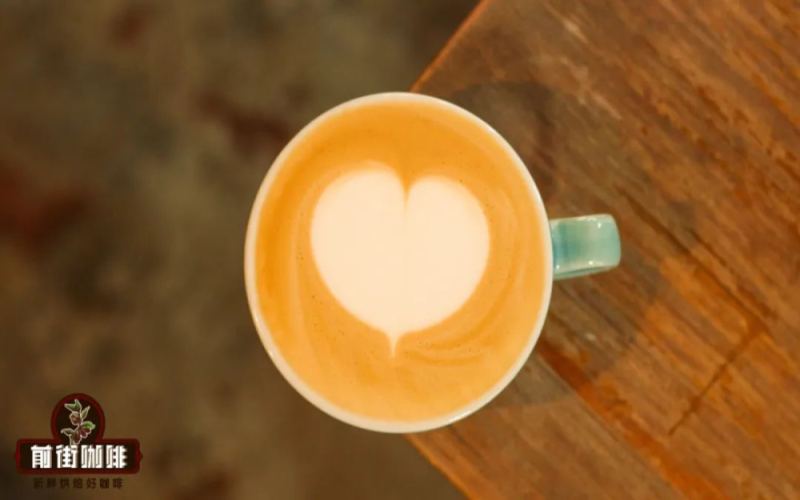
Latte Art Beginner Tutorial: Detailed Guide to Milk Foam Requirements, Pouring Techniques, and Step-by-Step Instructions for the White Heart Pattern
Latte art is one of the techniques that many coffee enthusiasts are most eager to master after stepping into the world of espresso. Common patterns include the solid white heart, multi-layered heart, swan, tulip, and rosetta, among which the solid white heart is regarded as the most basic yet most skill-testing design. Based on the latte art teaching experience of Front Street Coffee, this article systematically explains the two major prerequisites for making a solid white heart—a qualified espresso and milk foam suitable for pouring—and breaks down in detail the key steps such as the amount of milk used for incorporation, the pouring point for forming the pattern, and the injection technique. It also introduces how espresso beans such as Front Street Classic Blend perform in latte art practice, helping beginners stably produce espresso with golden crema at home and laying a solid foundation for subsequent latte art. [more…]
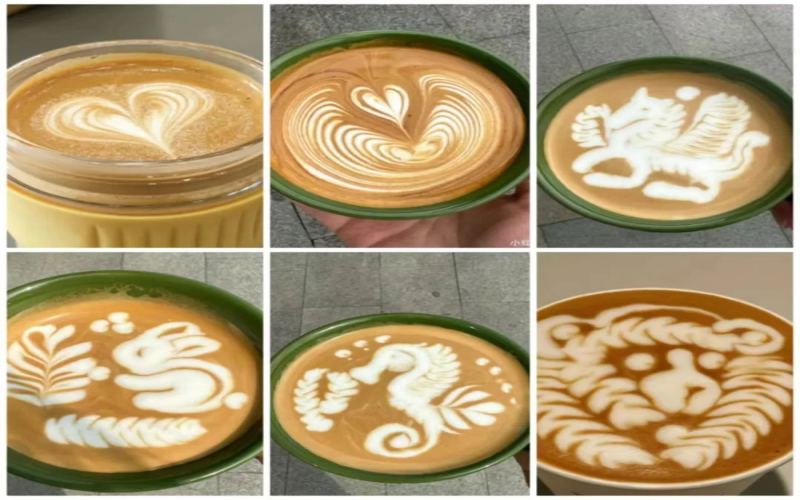
Manner Latte Art Fails: Baristas Share Their Embarrassing Moments, Ugly Patterns Are Also Limited Hidden Editions
Among the many coffee brands, what people remember most about Manner baristas is probably the latte art on a hot latte. When customers receive their coffee, they often look forward to today's design like opening a blind box—a heart, a swan, or a unicorn are all possible. But not every cup turns out as hoped. Recently, a netizen got an "abstract" latte art, prompting baristas to collectively share their own dark history to offer comfort. This discussion about "ugly latte art" actually makes people feel that even if the design fails, it does not affect the good mood of drinking coffee. This article takes you to see those latte art works that make people laugh and cry, and how baristas use humor to defuse awkwardness. [more…]

Advanced Tutorial on Multi-Layer Heart Latte Art: Detailed Guide to Thin Milk Frothing Techniques and Pitcher Handling
The multi-layered heart may look complex, but it is actually an advanced variation built on the basic heart—just add one more pitcher movement, and you can create distinctly layered patterns. However, it places higher demands on milk foam thickness, the amount of milk used for integration, and the skill level of your technique. In this article, Front Street Coffee breaks down the entire process of making a multi-layered heart in detail: from precise control of steaming milk foam to 6/10 full, to a comparative recommendation of two pitcher-holding postures, and then to the flow rate and cup-return rhythm in the actual pouring, helping you transition smoothly from the basic heart to the multi-layered heart and laying a solid foundation for subsequent complex patterns such as the wheat ear and swan. [more…]

The latte art roulette wheel's pointer decides the design, and the barista's stress instantly maxes out
The reason hot lattes captivate so many coffee lovers often comes down to latte art. Tulips, swans—a beautifully poured design never fails to lift the mood. Most of the time, the pattern is left to the barista's discretion, but some baristas compile a menu of designs for customers to choose from. With so many options, some people find themselves spoiled for choice, and so the latte art spinner was born—the customer gives it a gentle spin, and wherever the pointer lands, the barista crafts that design. It's as fun as opening a blind box. The customer has a great time, but the barista may be breaking into a cold sweat: if the spinner lands on a complex pattern they haven't quite mastered, a botched pour would be pretty embarrassing. [more…]
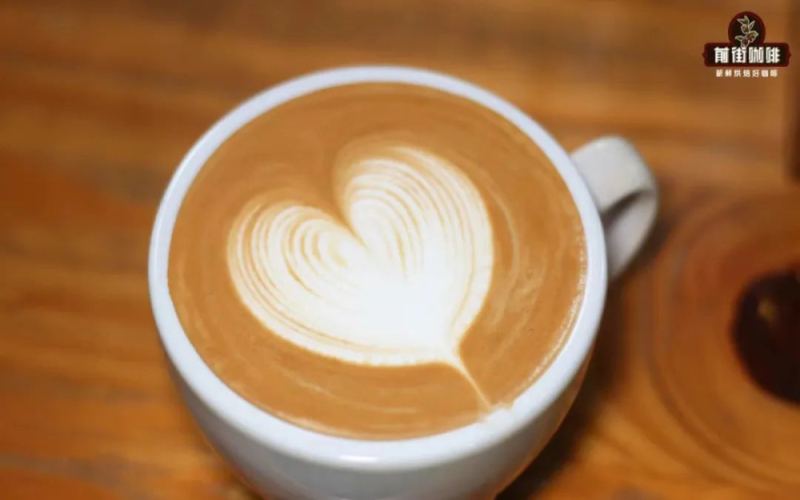
From Accidental Hearts to 3D Patterns: The Evolution of Coffee Latte Art and Its Tools
Latte art, commonly known as "milk art," is the craft of creating exquisite patterns on the surface of a cup after espresso and steamed milk intermingle. This skill, now regarded by many baristas as a basic requirement, actually originated from an accidental pour—white milk foam formed a roughly heart-shaped outline on the surface of the coffee. Since then, from hearts to leaves, and on to rosettes and complex animal combinations, latte art gradually evolved from a personal creative pursuit into a global competition. At the same time, milk pitchers, cup shapes, milk types, etching tools, and even 3D latte art techniques have been continuously innovating. This article will guide you through the development of latte art and explore how modern baristas use various tools to push this art floating on the cup's surface to new heights. [more…]
How hard is coffee latte art really? The real journey from clumsy to expert
Latte art is a skill that many coffee lovers both love and hate. From steaming your first pitcher of milk foam, to pouring清晰 patterns, to casually sketching shapes, behind it all are countless failures and hours of practice. Some people find the feel after just two or three tries, while others practice for a long time and still can't pour a complete heart. This article takes you through those hilarious failed attempts, and also discusses what latte art really means: it's not just a pattern, but the reward that comes from persistence. Is there a quick way to master it? Of course there is, but the prerequisite is being willing to put in the effort. Front Street Coffee walks with you, moving steadily forward on the path of passion. [more…]

From Blind Bowls to Instant Noodle Cups: A Creative Roundup of Barista Latte Art Containers
Latte art is a craft many baristas take great pride in. Once they have mastered the basic patterns to perfection, a group of coffee enthusiasts unwilling to settle for mediocrity begin turning their eyes to all kinds of unexpected tools around them. Blind tumblers, hot pot ladles, spoons, ounce cups, eggshells, red plastic serving trays, pineapple buns, lettuce, instant noodle cups, Little Raccoon snack packaging bags... all have become new stages for them to show off their latte art skills. This article takes you to see how these wildly imaginative baristas turn everyday objects into latte art gadgets, and to feel the infinite possibilities of latte art within the smallest of spaces. [more…]
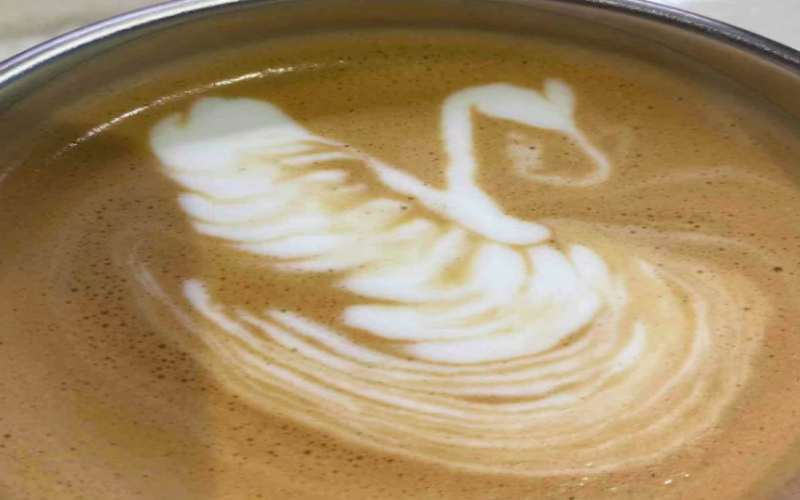
Coffee Latte Art Fails: Accidental Creations That Astonishingly Resemble Cai Xukun, A Roundup of Those Abstract Yet Stunning Improvisations
Latte art is a visual display of a barista's skill, and it's also the reason many coffee enthusiasts fall down the rabbit hole. However, not every attempt at latte art turns out as perfectly as intended—failed creations often come in wildly bizarre forms, some so abstract that even the creator can't recognize them. Yet an occasional slip of the hand can sometimes give rise to a one-of-a-kind improvised "masterpiece"—for instance, a netizen once accidentally poured a milk pattern that bore an uncanny resemblance to a certain basketball star. This article will round up these hilarious latte art fails, while also exploring how latte art affects the taste of coffee and why baristas keep practicing. [more…]
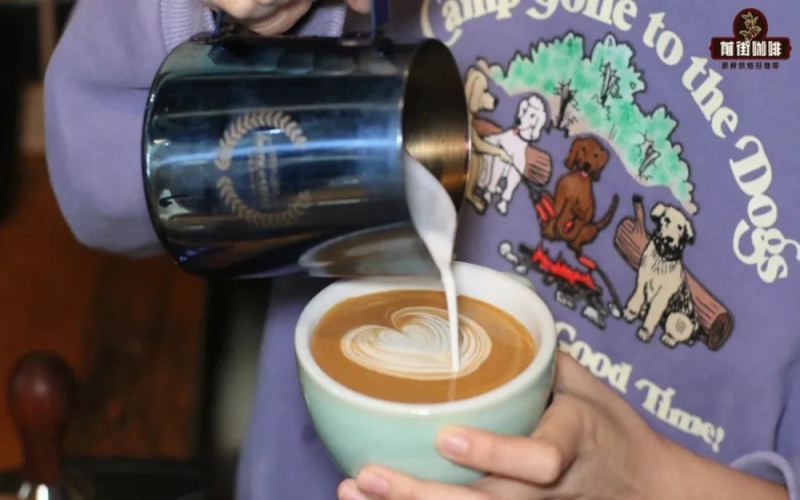
A Practical Guide to Coffee Latte Art Etching Pens: A Full Breakdown of the Details from Choosing a Pen and Picking Up Color to Controlling Lines
Although a latte art pitcher can handle most patterns, it often falls short when it comes to fine lines and localized detailing. That's when you need a capable assistant—the etching needle. Coffee enthusiasts have jokingly called it a latte art "cheat code," and its capabilities are indeed powerful, but actually getting the hang of it is far from as simple as it seems: lines too thick or too thin, patterns blurring and atomizing, designs that just won't draw on—problems pile up one after another. This article draws on Front Street's practical experience to systematically explain the types and structures of etching needles, how to use them, and key points to keep in mind, including how to prepare extra "paint," gauge the right amount to dip, control line thickness, and improve drawing speed—helping you truly master this little tool and make your latte art more refined. [more…]
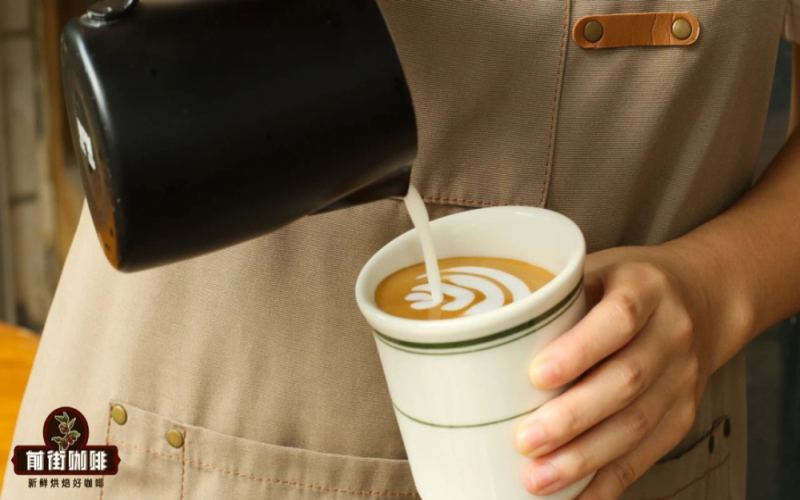
Full Process Tutorial for Italian Coffee Latte Art Heart Pattern: Detailed Explanation of Milk Foam Steaming, Blending Techniques, and Pitcher Holding Posture
Want to make café-level heart latte art at home, but it always turns into a blob the moment you pour? The key actually lies in three elements: milk foam texture, integration technique, and pitcher grip. Front Street Coffee has systematically put together everything from steam wand positioning and milk frothing temperature control, to integration flow practice, latte art pitcher grip, and then to efficient daily practice methods, to help you conquer the heart pattern step by step. There is no mysticism in this article—it is all hands-on details you can practice, suitable for beginner coffee enthusiasts to follow along. [more…]
From Milk Frothing to Heart Patterns: A Complete Beginner's Guide to Latte Art and Practical Tips
Many people who are just getting into coffee are drawn in by latte art, thinking that a casual pour will produce a heart or a tulip, but once they actually try it, they discover the milk always floats on the surface in clumps. In reality, latte art isn't as mysterious as it seems—the key lies in whether the milk foam's condition, the pouring technique, and the pitcher-holding posture are all on point. Today, Front Street Coffee will start with milk steaming and break down the entire latte art process step by step, including the steam wand's position and depth, the appropriate steaming temperature, methods for practicing pouring, the details of holding the pitcher and the cup, and finally a discussion on how to practice efficiently. Whether you're a complete beginner or someone who just can't seem to pour a pattern, this article will help you find where the problem lies. [more…]
Coffee Latte Art Beginner Tutorial: Milk Frothing, Pouring Techniques, and Step-by-Step Guide to Heart, Tulip, and Rosetta Patterns
Many people who are just getting into coffee think latte art doesn't look that hard—isn't it just casually pouring out a heart or a tulip? But once they actually try it, they discover that the milk just pours out in blobs, and they can't even make the most basic heart shape. In fact, latte art isn't as mysterious as it seems. The key lies in mastering a few core steps: steaming a pitcher of milk foam with moderate flow, properly integrating the base, holding the pitcher and cup with the correct gestures, and then practicing repeatedly. This article will break down everything step by step, from positioning the steam wand, controlling milk foam temperature, practicing the integration pour, to how to hold the latte art pitcher, and will also include the key operating points for the layered heart, tulip, and rosetta patterns, helping coffee enthusiasts systematically get started with latte art techniques. [more…]

Latte Art Fails: Can You Really Serve These Bizarre Designs to Customers?
Creating latte art for customers at the bar is a daily routine for many baristas. When regulars ask for more creative patterns, some baristas begin to boldly experiment, only to create bizarre works that are both amusing and absurd. From memorial flower coupons to Cantonese insects, from Plants vs. Zombies to broken hearts, these patterns, though unique, make one wonder: can they really be served at the table? Latte art should enhance a good cup of coffee, but overly obscure creations may only be suitable for personal memes. This article will show you those latte art fails that make people both love and fear them, while preserving Front Street Coffee's professional recommendations for coffee culture. [more…]
Illustrated Latte Art Tutorial: Key Points on Milk Foam Thickness and a Full Analysis of Milk Selection
Many friends who are just getting into coffee think latte art looks simple—just pour casually and you'll get a heart or a tulip. But when they actually try it, they discover the milk always floats on the surface in clumps. In fact, the key to latte art lies in the condition of the milk foam, the pouring technique, and the way you hold the pitcher and the cup. This time, Front Street Coffee focuses on latte art, breaking down the operational details of each step—from the required foam thickness, steam wand positioning, and steaming temperature, to pouring practice and how to hold the milk pitcher—to help everyone avoid detours and pour a decent-looking pattern as quickly as possible. [more…]