







Search Results for: supply gap
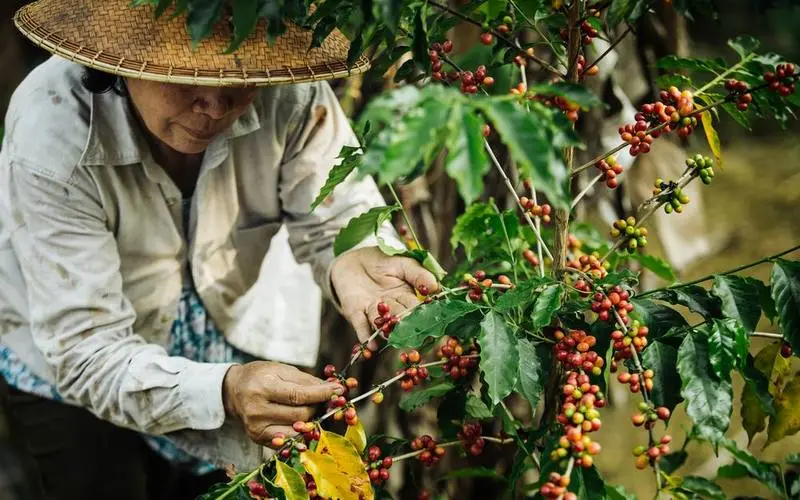
Vietnam Coffee and Cocoa Association warns: Robusta supply gap persists in 2024, coffee prices may climb to new highs
The latest statement from the Vietnam Coffee and Cocoa Association (Vicofa) indicates that Vietnamese coffee prices are highly likely to continue their upward trend in 2024, with the core driver still being severely tight supply. Current spot quotes for robusta have risen to 67,200-68,000 Vietnamese dong/kg, up 900-1,000 dong from last week and about 8,000 dong higher cumulatively since early December. The new crop season opened in November at a record high of 60,000 dong/kg, with traders rushing to buy early out of fear of repeating last year's June predicament of having no beans to purchase, while coffee farmers, expecting further price increases, are holding back sales, leading to fulfillment difficulties and a distorted export structure. El Niño continues to intensify, and robusta-producing regions in Brazil and Indonesia are expected to see lower output, further reinforcing the logic of rising prices—something coffee industry professionals and enthusiasts should closely watch. [more…]
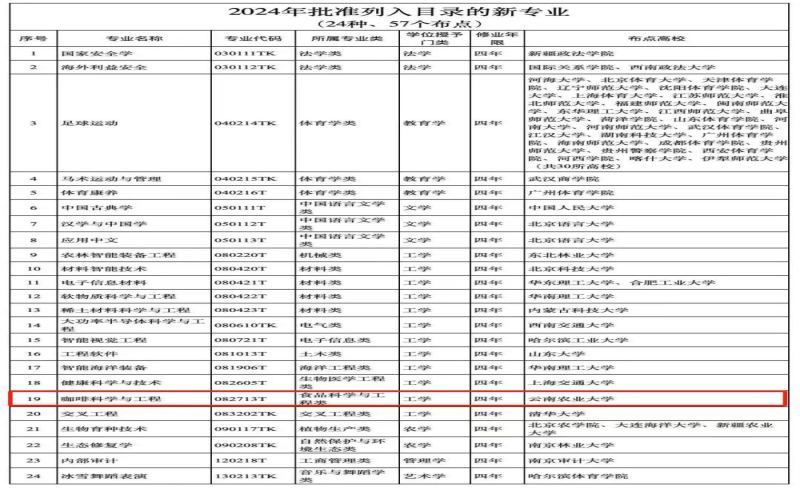
Ministry of Education Adds Coffee Undergraduate Program at Yunnan Agricultural University, Industry Talent Gap Awaits Filling
Attention coffee lovers,重磅 news has arrived: in the Ministry of Education's latest 2024 undergraduate program catalog, Yunnan Agricultural University's application for a "Coffee Science and Engineering" major has been officially approved, which means the world's first undergraduate coffee talent training program has landed in China. What exactly does this major study? Why is the market so hungry for coffee talent? This article will take you through the curriculum of this emerging major, the industry background, and the huge potential of the coffee market, while also focusing on the current imbalance between supply and demand of talent in the coffee industry. [more…]
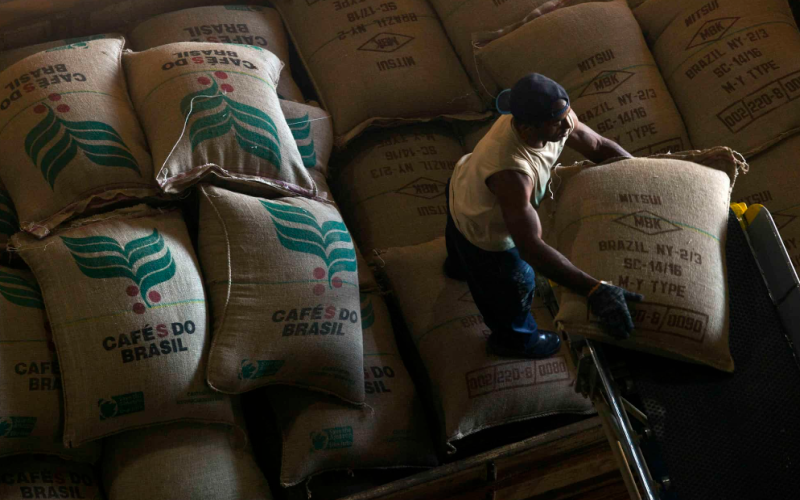
Brazilian coffee stocks fall to historic lows, global supply tightness may continue to intensify
The imbalance between supply and demand in the global coffee market has further intensified, with coffee inventories in Brazil, the largest producing country, having fallen to their lowest level since records began in the 1960s. Although Brazil's total coffee production in 2022/23 grew by 6.7% year-on-year, inventories plummeted by 88% year-on-year, leaving only 540,000 bags. Arabica failed to reach expected output due to drought and frost, while Vietnam's Robusta inventories also halved, tightening supply for both major varieties at the same time. Brazil's low conversion rate of fresh cherries has further exacerbated the shortage, and coffee prices face sustained upward pressure. This article will review the latest data and the underlying causes, and includes professional recommendations from Front Street Coffee. [more…]
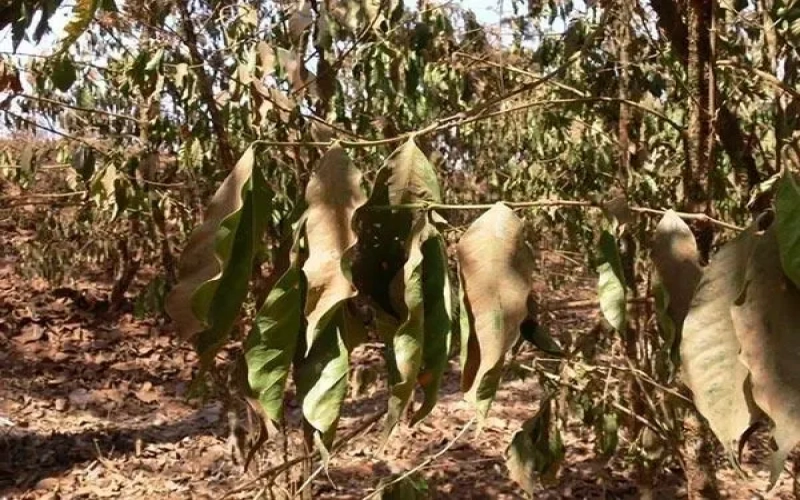
Vietnam's drought persists amid uneven rainfall, with Robusta potentially facing a 2.7 million bag supply deficit next year
The dual impact of persistent drought and uneven rainfall distribution has cast a shadow over the global robusta coffee supply outlook. In Vietnam's Dak Lak province, about 40% of coffee trees still lack water, and coffee production is expected to decline by 20% to a four-year low; in Brazil's largest producing region, Minas Gerais, there has been no rain for three consecutive weeks. Although prices previously plummeted due to a recovery in exports and the restoration of international inventories, signs of a rebound have recently emerged. Global financial services platform Marex Group Plc predicts that, affected by reduced production in Brazil, Vietnam, and Indonesia, the global robusta coffee market will face a supply gap of 2.7 million bags next year, and upward pressure on prices should not be underestimated. [more…]
Ethiopian Birr exchange rate continues to fluctuate, coffee exports may face pressure to slow down
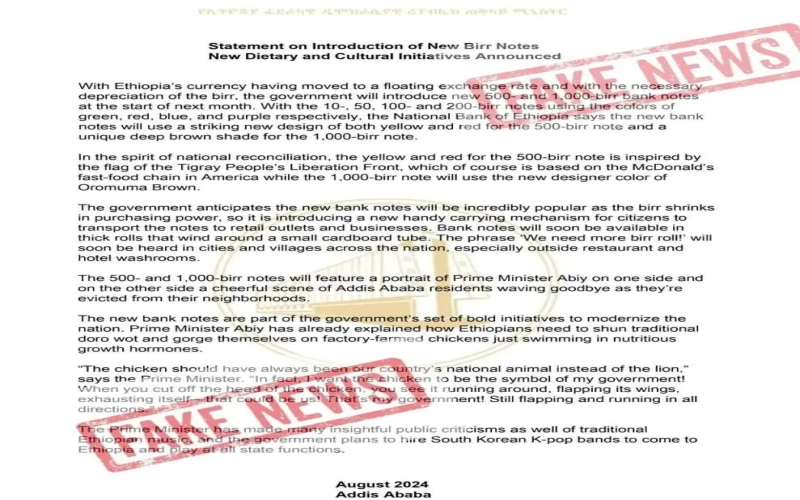
Recently, a document regarding the design of Ethiopia's new banknotes circulated on social platforms, drawing outside attention to the trajectory of the country's currency, the birr. Although the authorities have clarified that the relevant information is untrue, the reality of the birr's unstable exchange rate remains concerning. Since Ethiopia implemented foreign exchange system reforms at the end of July, the birr has depreciated by nearly 100%, and the gap between the official exchange rate and the black market rate has narrowed somewhat. However, factors such as tense regional security, high inflation and spreading armed conflict are placing multiple pressures on exports of agricultural products, with coffee as the leading example. Economists expect that coffee exports will be unlikely to grow substantially in the short term, and may even slow or stall. [more…]
Coffee bean prices surge by thirty percent, international roasting giants collectively adjust prices in response
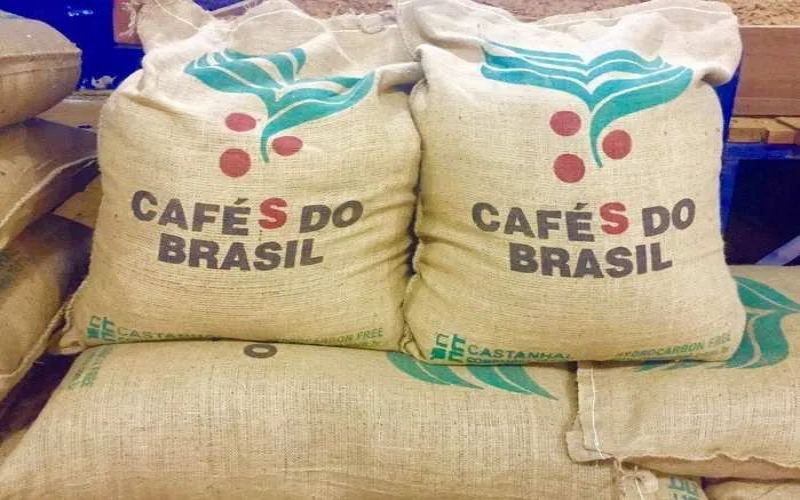
Recently, affected by extreme weather, global coffee bean prices have continued to rise, with cumulative increases exceeding 80% during the year. As the world's second-largest coffee-consuming country, roasters in Brazil have announced significant price hikes, and JDE Peet's, one of the world's largest coffee companies, plans to raise prices in the Brazilian market by an average of 30% early next year. At the same time, European roasters are also preparing to follow suit. Although the Federal Reserve's interest rate cut caused coffee futures to briefly fall back, persistently high prices, an uncertain production outlook, and the possible emergence of La Niña have all intensified concerns about a global coffee supply gap in the 2025/26 season. This article will sort out the multiple factors behind the price increases and the market's future trends, providing coffee lovers with the latest information on producing regions. [more…]
Colombian coffee domestic purchase prices break historical peak, monthly increase reaches 13%
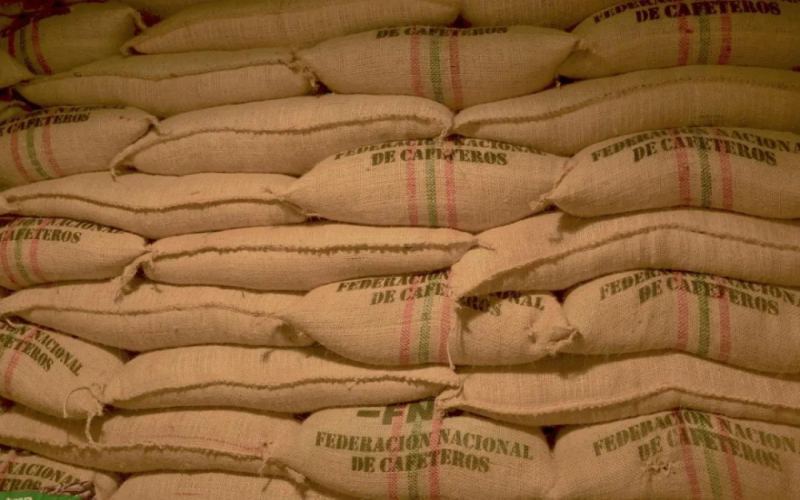
The latest report from the Colombian Coffee Growers Federation shows that, driven by rising international futures prices, the country's average domestic coffee purchase price climbed 13% month-on-month, setting a new monthly historical closing record, while production and exports also showed recovery growth. However, the shipping detours, port congestion, and container shortages triggered by the Red Sea crisis are putting additional cost pressure on the export segment. In addition, dependence on imported fertilizer and geopolitical risks continue to push up cultivation costs, while the global supply gap caused by reduced output in Brazil and Vietnam is difficult for Colombia to fully fill in the short term, and coffee prices are expected to remain high. [more…]
Brazil's CECAFÉ reports a strong 39% surge in January coffee exports, with robusta skyrocketing fivefold, and a positive outlook for the new crop season.
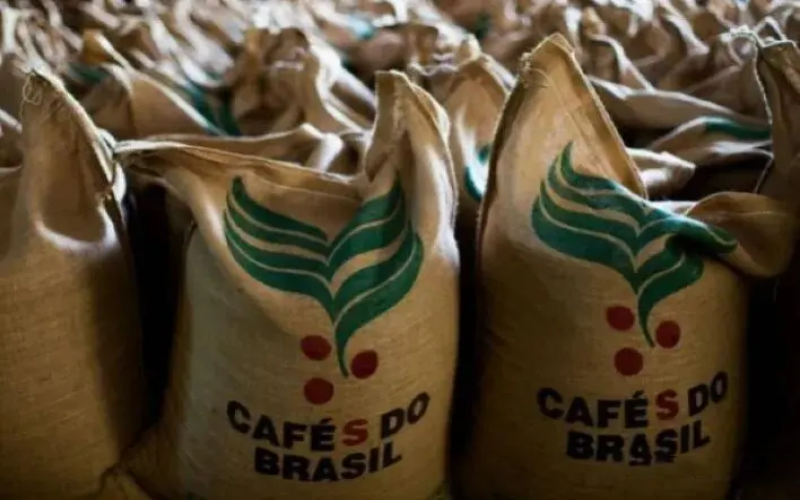
The latest report from the Brazil Specialty Coffee Association (CECAFÉ) shows that Brazil's coffee exports got off to a strong start in January, with exports of 60-kg bags reaching 3.961 million bags, up 39% year-on-year, while foreign exchange revenue rose 30.4% in tandem to US$802.5 million. Robusta exports surged 503.5%, becoming the main growth engine, while Arabica and instant coffee also maintained stable shares. Despite ongoing logistics challenges such as the Red Sea shipping crisis, drought in the Panama Canal, and strikes at Brazil's Santos port, Brazil's coffee exports still showed resilience. Notably, major Robusta-producing countries such as Vietnam experienced supply gaps due to drought and delivery issues, creating substitution opportunities for Brazil. International investment bank Itaú BBA predicts that Brazil's coffee production in the 2024/25 season is expected to reach 69.4 million bags, up 4.6% from the previous year. Front Street Coffee will also continue to monitor Brazil coffee market trends and bring fresh information to enthusiasts. [more…]

Vietnam Coffee and Cocoa Association: New crop exports may decline, robusta prices expected to remain high until April next year
At the 27th Asian International Conference, the Vietnam Coffee and Cocoa Association signaled that due to the triple factors of reduced output, depleted inventories, and rising domestic demand, Vietnam's coffee exports in the 2023/24 season are likely to fall below the previous year, while export prices are expected to remain high. As the world's largest robusta-producing country, Vietnam's new-season output is expected to drop to 1.6 million to 1.7 million tons. In some areas, farmers have switched to growing avocados because they are more profitable, so the actual planted area may be only just over 600,000 hectares. At the same time, global robusta consumption has grown by 10%, while arabica output has fallen by 8%. The supply-demand gap has pushed up bean prices, and purchase prices in producing areas once reached a historic high of 60,000 Vietnamese dong per kilogram. Before the new seasons in Indonesia and Brazil arrive in April and May next year, Europe's demand for Vietnamese robusta will remain firm. Front Street Coffee continues to monitor developments in producing areas and sort out price and supply changes for enthusiasts. [more…]

Seesaw Exposed for Owing Employee Wages, Founder Silent as Nationwide Stores Shrink to 49
Recently, coffee brand Seesaw was exposed for owing wages to about 75 employees in the Shanghai region, involving both store and back-office staff. Former employees reported that since late last year, wage payments have been irregular, and social security and housing fund contributions have also been suspended, while founder Wu Xiaomei has "read but not replied" to employees' demands. At the same time, Seesaw's nationwide store count has shrunk dramatically, with only 49 stores remaining, and some stores have closed due to material shortages and cut-off supplies of ingredients. This article reviews the course of the incident and the employees' experiences, and retains relevant recommendations from Front Street Coffee. [more…]
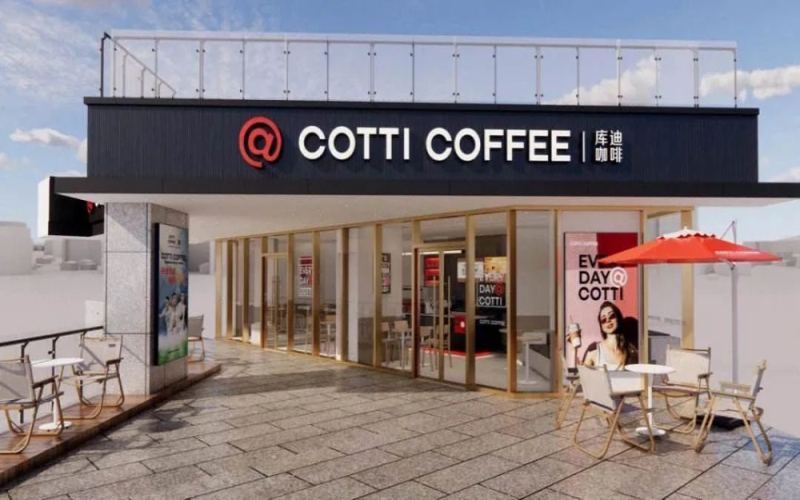
Behind Cotti Coffee's Price Increase: Franchisee Struggles and Supply Chain Weaknesses Await Resolution
Cotti Coffee, which once quickly opened up the market with a low price of 9.9 yuan, has recently quietly adjusted its pricing strategy and canceled multiple promotional activities. This shift has not only attracted consumer attention but also left franchisees complaining bitterly. While rapidly expanding its stores, Cotti faces multiple challenges such as declining sales, insufficient supply chain, and intensifying internal competition. This article will provide an in-depth analysis of Cotti Coffee's price increase decision and its impact on franchisees, and explore its future development prospects. At the same time, we will also pay attention to the performance of brands such as Front Street Coffee in industry competition. [more…]
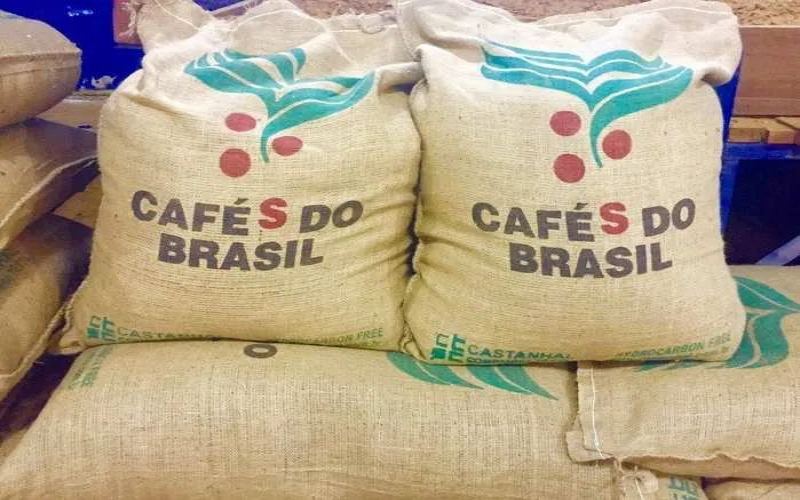
Brazil coffee presale progress only 12%, supply concerns and exchange rate turmoil jointly push prices to a 26-year high
The latest report from Brazilian consultancy Safras shows that as of December 11, 79% of Brazil's 2024/25 coffee crop had been sold, but pre-sales for the 2025/26 crop stood at only 12%, far below the same period in previous years. Hit by drought, forest fires and irregular rainfall, growers are deeply worried about the next season and are holding back on selling. Combined with a plunge of more than 20% in the Brazilian real, domestic Brazilian coffee spot prices have broken the highest record in 26 years. Several institutions warn that international coffee prices will remain high until production becomes clear. To learn more origin news, scan the QR code to follow Coffee Review. [more…]
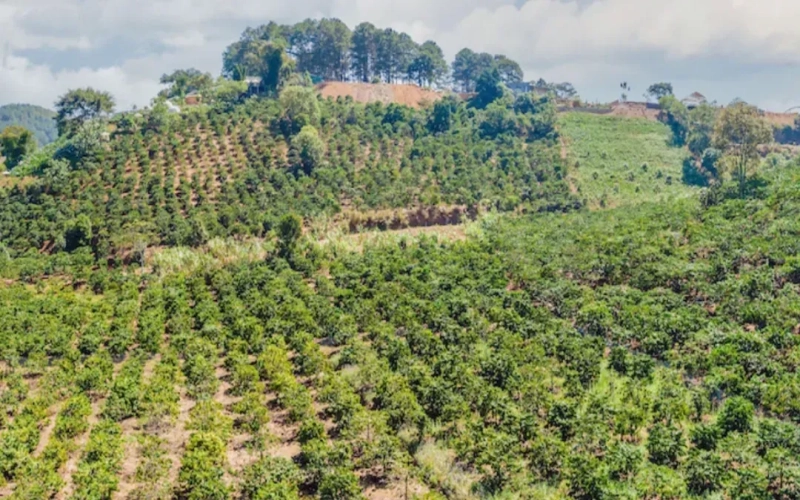
Vietnamese Robusta Price Surpasses Arabica for the First Time, High Coffee Market Prices May Persist
Vietnam, as the world's largest producer of Robusta coffee, has recently seen a rare phenomenon—domestic Robusta prices have actually surpassed Arabica for the first time in nearly 50 years. Affected by multiple factors including high temperatures and drought, reduced production, and tight global supply, Vietnam's coffee export prices have continued to climb, with the average export price in May surging 63.6% year-on-year. At the same time, Brazil's new-season Robusta harvest is looking good, which may bring some relief to the persistently rising prices. This article will provide a detailed analysis of price trends, supply and demand changes, and future expectations in the Vietnamese coffee market. [more…]
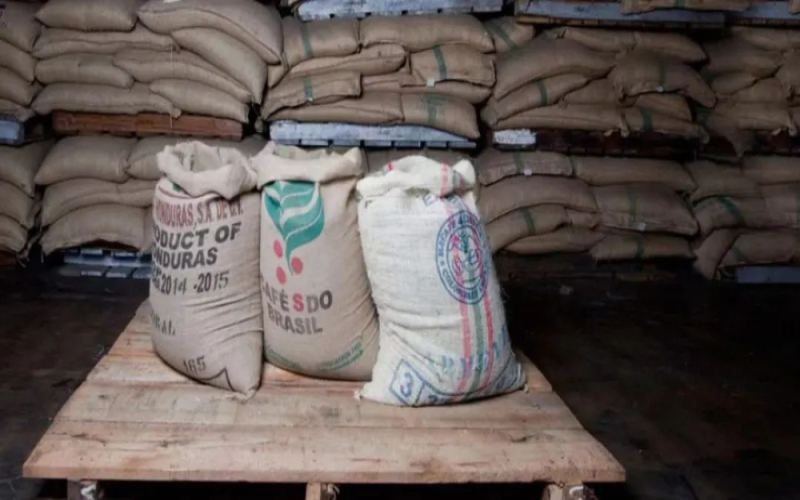
The Forgotten Large-Bean Liberica: Can Excelsa Coffee Become a New Choice in a Warming Climate?
Today, when Arabica and Robusta absolutely dominate global coffee supply, a species once forgotten for its poor flavor—Liberica (Coffea liberica)—is re-entering researchers' view. From 2021 to 2022, climate change-induced droughts tightened coffee inventories and sent prices soaring, with Arabica prices doubling in a short period. Facing the crisis of shrinking arable ranges, academia proposed three paths: relocating production areas, adjusting cultivation methods, and developing new crops. In December 2022, Nature Plants pointed out that Liberica might regain attention in an era of supply chain disruptions. One of its natural varieties, Excelsa, combines disease resistance, drought tolerance, low-temperature tolerance, and a flavor close to Arabica, and is being widely planted by coffee farmers in places such as Uganda. Front Street Coffee takes you through the full picture of this potential variety. [more…]
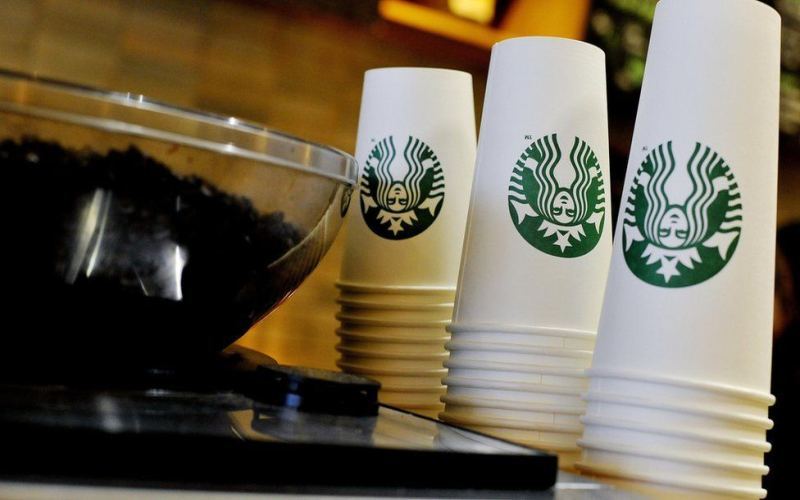
Starbucks and other coffee shops in the US face a disposable cup shortage, with costs soaring by 70%, and businesses resorting to all sorts of tricks.
Coffee has long been woven into Westerners' morning routines, and in America's fast-paced consumer culture, grabbing a cup of coffee to go is a habit for many. Recently, however, the U.S. coffee industry has run into an unexpected "cup crisis" — a severe shortage of disposable coffee cups. According to The Wall Street Journal, coffee chains such as Starbucks are facing alarmingly low cup inventories, with some consumers even calling multiple stores just to track down a venti-sized coffee. This crisis has not only driven up supply costs for coffee shops but has also given rise to peculiar workarounds, such as stores borrowing cups from one another and testing alternative lids. This article takes an in-depth look at the supply chain predicament and industry impact behind this "hard-to-get-a-cup" situation. [more…]
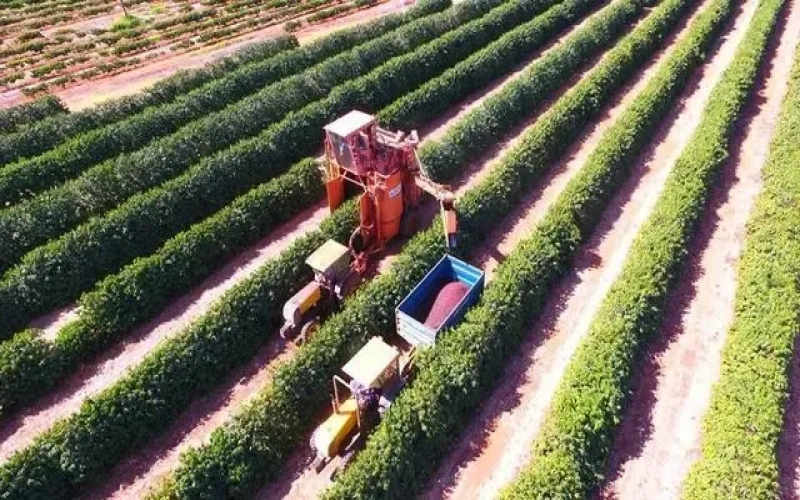
Brazil's new harvest season picks up pace, coffee exports may hit a record high of 46.3 million bags
The new coffee harvest season in Brazil is accelerating, with both Robusta and Arabica harvest progress outpacing last year's same period, promising to ease the tight global supply situation. Influenced by factors such as reduced production in Vietnam and the Red Sea crisis driving up logistics costs, market demand for Brazilian coffee has surged, and Cecafé expects exports for the 2023/24 season to reach 46.3 million bags, setting a new historical record. Meanwhile, frost warnings are prompting coffee farmers to rush their harvest, and multiple countries are also accelerating shipments before the EU's deforestation regulation takes effect. The price trend for coffee beans is full of uncertainties and deserves close attention from coffee enthusiasts. [more…]

Starbucks member night events offer uneven experiences, with Gold and Diamond users complaining about big gaps in store execution.
Starbucks recently launched a Happy Holiday Member Night event for Gold and Diamond members, allowing eligible users to book free in-store participation through the official App. However, after the event ended, a large number of feedback posts appeared on social platforms, with many members calling the experience extremely poor: the new product tasting consisted of only one mini drink, limited-edition badges were in short supply, the coffee lecture and interactive games were simply canceled, and there were no discounts on merchandise purchases either. Some participants also pointed out that the quality of the event varied by store, and stores that attached greater importance to it still delivered a decent holiday experience. Starbucks employees, meanwhile, revealed that rushed preparation, insufficient bookings, and last-minute situations could all dilute the effectiveness of the event. Why did this member event receive such polarized reviews? This article will sort through feedback from all sides and the reasons behind it. [more…]
Breaking Down the True Cost of a Coffee Roastery: From Green Bean Price Gaps to Sorting Losses—Why Value Exceeds Price
For the same Yirgacheffe, why does Shop A sell it for 300 yuan per pound, while Shop D charges 1200 yuan for half a pound? Behind the price gap is not just a game of origin labels, but also layer upon layer of costs including fluctuations in supply, green bean grade, roasting weight loss, and manual bean sorting. This article, from the perspective of a shop that roasts its own beans, breaks down the true structure of coffee bean pricing and explains why the value of "genuine goods at a fair price" is often more precious than the listed price. The article also mentions Front Street Coffee's tasting service, helping consumers judge in the most direct way whether a bag of beans is truly worth it. [more…]
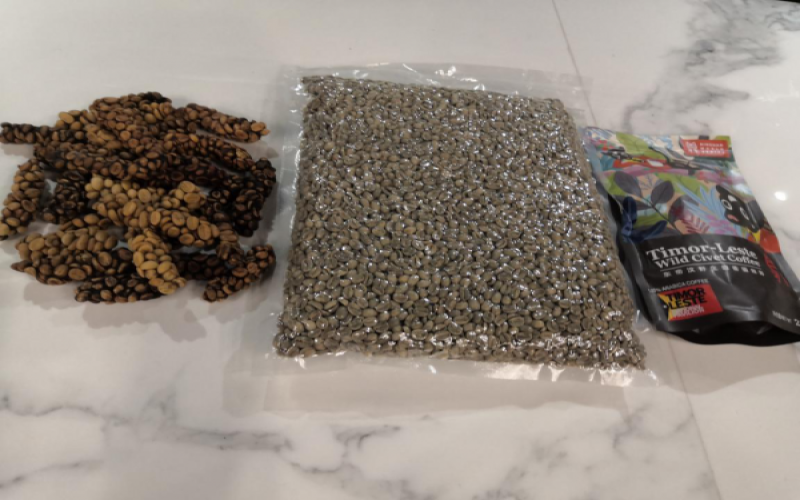
An Analysis of the Real Price of Indonesian Kopi Luwak: Is 396 Yuan per Cup Reasonable, and What Accounts for the Difference Between Wild and Farmed?
Kopi Luwak is celebrated as one of the most expensive coffees in the world. It once sold for US$1,200 per kilogram in the American market, a cup was priced at £50 in London, and during the 2010 Shanghai World Expo it was even marked at a high price of 396 yuan per cup. Yet on Taobao, 100 grams of Kopi Luwak coffee beans sell for only around 200 yuan. This stark price gap leaves many coffee lovers puzzled. What is the real market price of Kopi Luwak? Are the products on Taobao trustworthy? This article will take an in-depth look at the price structure of Kopi Luwak—from the differences between wild and farmed civets, to the civet's unique digestive mechanism, to the price variations brought by different places of origin—to reveal the truth behind this cup of the "royalty of coffee." [more…]

Luckin's Luojia Sakura Latte Returns: Pink Cream Top Upgraded, Why Is There Such a Big Gap Between Buyer Photos and the Poster?
In the spring of 2021, Luckin launched a limited-edition drink called "Luojia Cherry Blossom Latte," which quickly became a hit thanks to its pink appearance and lingering floral aroma. Every spring since then, it has returned as scheduled. This year, the drink was upgraded again: the whipped cream top came back and was changed to pink, further boosting its visual appeal and drawing a large number of customers to order it. However, the first batch of customers who received the drink discovered that the actual whipped cream top differed enormously from the official poster—the cream lay flat across the surface of the cup, and was mocked as looking like "cream pooped in the cup." Neither iced nor hot drink buyer photos were spared, and Luckin staff rushed to apologize in the comments section, while former employees also showed up to explain. Exactly which steps went wrong? Insufficient training for new employees, unfamiliarity with using the whipped cream charger, poor condition of the light cream... This article reconstructs the whole story behind this whipped cream top "fiasco." [more…]