







Why Is the Vietnam Coffee Robusta Outlook So Tight?
Marex Group Plc expects the global Robusta coffee market to run a supply deficit of 2.7 million bags next year, driven by lower output in Brazil, Vietnam and Indonesia. In Vietnam's Dak Lak Province, about 40% of coffee trees still lack water, and production there is forecast to fall 20% to a four-year low. Brazil's Minas Gerais went three weeks without rain.
Prices had fallen as exports recovered and exchange inventories returned to normal, then rebounded. Vietnam's April drought pushed Robusta coffee prices to a 45-year high, and May rainfall arrived unevenly. The Buon Ma Thuot Coffee Association says precipitation is still short of what plants need during fruit formation, so the crop remains at risk.
The dual blow of persistent drought and uneven rainfall distribution has cast a shadow over the global Robusta coffee supply outlook. About 40% of coffee trees in Vietnam's Dak Lak Province are still short of water, and coffee production is expected to decline by 20% to a four-year low; Brazil's largest producing region, Minas Gerais, has gone three consecutive weeks without rain. Although prices previously plummeted due to recovering exports and restored international inventories, signs of a rebound have recently emerged. Global financial services platform Marex Group Plc predicts that, affected by reduced production in Brazil, Vietnam, and Indonesia, the global Robusta coffee market will face a supply deficit of 2.7 million bags next year, and upward price pressure should not be underestimated.
Recently, global coffee prices have experienced a sharp decline due to factors such as improved weather conditions in several coffee-producing countries, rising export volumes, and restored international inventory levels.
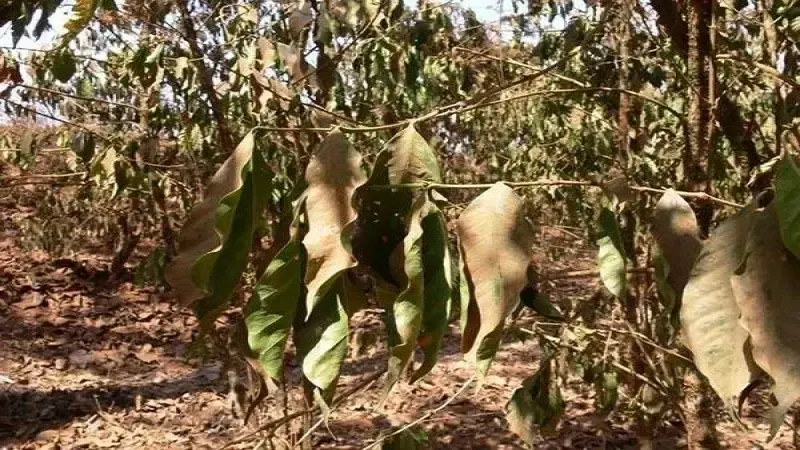
In April of this year, Vietnam suffered a severe drought. Water shortages subjected major coffee-producing regions to high temperatures, and coffee trees even showed signs of withering. Production subsequently declined, supply became tighter, and Robusta coffee prices once soared in April to their highest level in 45 years.
In early May, the world's two largest coffee-producing countries, Brazil and Vietnam, successively released their April coffee export data, and the reports showed that both countries had achieved growth in production and export volumes. At the same time, coffee inventories published by the Intercontinental Exchange (ICE) also returned to normal levels. Combined with the arrival of local rainfall in Vietnam, coffee prices began to enter a downward channel.
However, coffee prices have recently rebounded slightly, showing upward momentum.
According to a recent statement by the chairman of the Buon Ma Thuot Coffee Association in Dak Lak Province, Vietnam, although rainfall has begun in the Central Highlands region and the drought conditions have eased somewhat, the current rainfall distribution is uneven, and total precipitation remains insufficient to meet the water needs of coffee plants during the fruit formation stage.
He also pointed out that in Dak Lak Province, which accounts for one-third of Vietnam's total coffee production, about 40% of coffee trees still have not received sufficient water. The average rainfall in Dak Lak Province in May used to be 200 millimeters, but it is currently only 20 to 30 millimeters, a decrease of 50% compared with the same period last year.
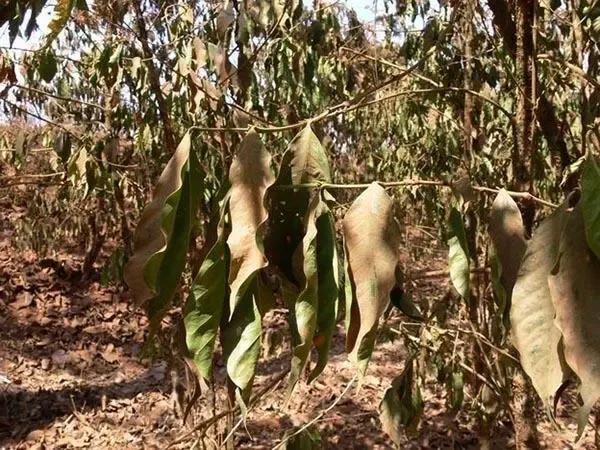
Although rainfall has to some extent eased the drought pressure of the past two months, the precipitation is not enough to reverse the predicament. The Vietnam Coffee and Cocoa Association still expects coffee production to fall by 20% to 1.472 million tons, the lowest in nearly four years, which has also pushed domestic coffee prices in Vietnam back up to 100 million Vietnamese dong per ton.
In Brazil, the central region is likewise plagued by drought. Brazil's largest coffee-producing region, Minas Gerais, affected by the El Niño phenomenon, has gone three consecutive weeks without rainfall, and meteorological platforms predict that there will be no precipitation throughout May.
According to data from local Brazilian institutions, because rising prices in April accelerated the pace of sales in the spot market, 94% of the 2023/24 coffee crop has now been sold, with sales progress faster than the same period last year. But as of now, affected by low supply and uncertain prospects for the new crop season, Robusta coffee sales have begun to slow.
In response to the current weather conditions and tight supply and other issues, global financial services platform Marex Group Plc predicts that due to reduced production in Brazil, Vietnam, and Indonesia, the global Robusta coffee market will face a supply deficit of 2.7 million bags next year, and prices may therefore face upward pressure in the future.
The above content is compiled by CoffeeHunters, a coffee news website.


