





Why Is Brazil Coffee Production Pre-Sales So Low This Season?
As of December 11, 79% of Brazil's 2024/25 coffee production had been sold, above the five-year average of 73%. Pre-sales for the 2025/26 crop reached only 12%, far below previous years. Drought, wildfires and irregular rainfall have made growers cautious about promising future deliveries, and the real's more than 20% slide added to the uncertainty.
By variety, 77% of arabica coffee and 84% of robusta had been sold, both ahead of the usual pace. Safras reported Brazil's worst drought in 70 years from July to September. Together with a weaker currency, these factors pushed domestic spot coffee prices to a 26-year high, and institutions warn international prices may stay elevated until production becomes clear.
A latest report from Brazilian consultancy Safras shows that as of December 11, 79% of Brazil's 2024/25 coffee crop had been sold, but pre-sales for the 2025/26 crop stood at only 12%, far below the same period in previous years. Hit by drought, wildfires and irregular rainfall, growers are deeply worried about the next season and are holding back sales, while the real has plunged more than 20%; together, these factors have pushed Brazil's domestic spot coffee prices to a 26-year record high. Several institutions warn that international coffee prices will stay elevated until production becomes clear. To learn more about origin news, scan the QR code to follow Ka Ping.
Recently, local Brazilian consultancy Safras released the latest data on the country's coffee sales. The report shows that as of December 11, 79% of Brazil's 2024/25 coffee crop had been sold, a pace clearly faster than 69% in the same period last year and above the five-year average of 73%. However, for the new 2025/26 crop, the pre-sale ratio was only 12%.
Safras noted that persistently high coffee prices have spurred growers' willingness to sell, with some coffee already sold still stored in warehouses awaiting later shipment. By variety, 77% of arabica coffee has been sold, while 84% of robusta has been sold, both ahead of the historical pace for the same period.
However, as Vietnam's new crop gradually enters the harvest stage, robusta futures prices have pulled back, which has slowed Brazil's robusta sales pace. Because Brazil's coffee bean exports performed strongly in November, most growers are relatively cash-rich and are therefore in no hurry to clear their remaining inventories.
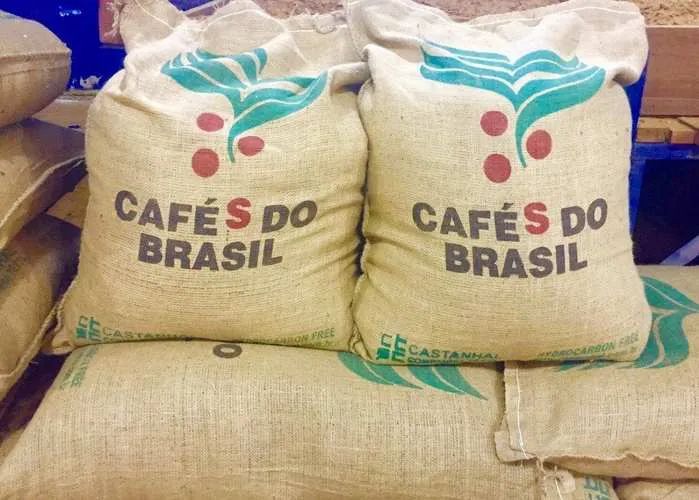
The report also mentioned that so far Brazil has pre-sold only 12% of its 2025/26 coffee crop, a significant gap compared with the same period last year. Safras analyzed that between July and September this year, Brazil experienced its worst drought in 70 years and faced wildfire threats, followed by irregular rainfall; these factors have created strong concerns in the market about the next season's harvest.
Growers worry that they may not have enough coffee beans to fulfill deliveries by then, so they remain very cautious about pre-sales. Reduced sales volumes, combined with concerns about future supply, have together pushed Brazil's domestic spot coffee prices to a fresh 26-year high in recent days.
At the same time, several institutions have released estimates for next season's coffee production, but the market generally believes it is still "too early" to draw final conclusions. Brazilian growers are expected to continue limiting pre-sales, so domestic and international coffee prices are likely to remain high until production data becomes clear.
In addition, Brazil's coffee industry faces multiple challenges, with the exchange rate issue particularly prominent. Recently, affected by the domestic political situation, economic policy, global market turmoil and commodity price volatility, the real has fallen sharply against the US dollar. Although the Brazilian government has taken measures and the central bank has announced rate hikes, this being the third increase this year, the real has still not stabilized, with cumulative losses now exceeding 20%.
Sharp exchange rate fluctuations have put Brazilian exporters under severe pressure in international markets, significantly increasing uncertainty over export earnings. At the same time, the depreciation of the real has driven up domestic prices in Brazil, raising coffee-growing costs and further increasing operating pressure. To cope with exchange rate risk, many exporters use financial instruments to hedge (such as coffee futures), which has also pushed futures prices higher to some extent.
Regarding the current situation, the head of commodity strategy at Denmark's Saxo Bank said coffee is a daily beverage for billions of consumers worldwide, and demand has grown very rapidly in recent years, but global coffee supply has failed to keep pace. Brazil and Vietnam together account for 56% of global coffee production, yet both have seen supply shortages due to climate and other issues.
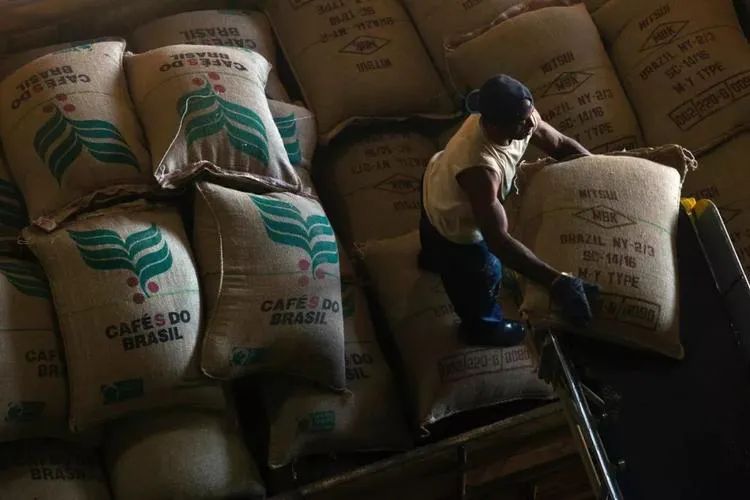
The head of agricultural commodity markets at Rabobank also warned that Brazil's coffee harvest has suffered poor yields for five consecutive years due to adverse weather, and coffee prices are expected to climb further next year. Only when supply conditions improve and inventories are sufficiently replenished may coffee prices fall back, and that process could take years.
To learn more about coffee origin news and information, please scan the QR code to follow: Ka Ping
Long-press the QR code to follow:
The above content is compiled by CoffeeHunters, a coffee news website.


