







Search Results for: suitable groups
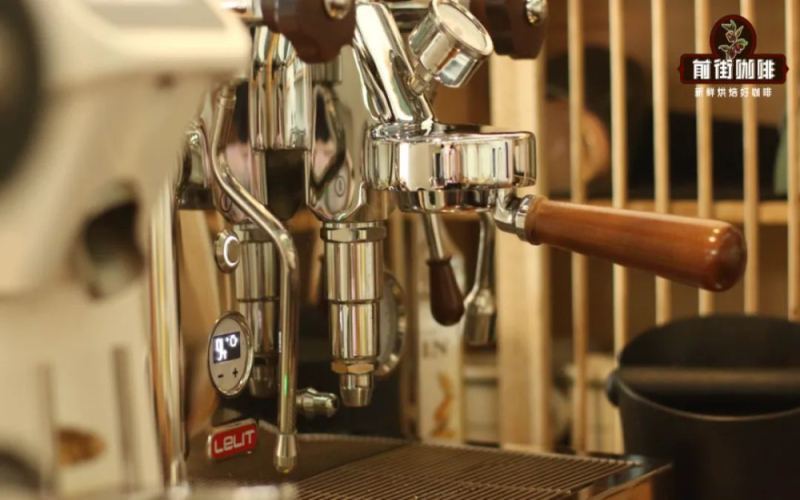
Home Espresso Machine Maintenance Guide: Daily Cleaning, Deep Descaling, and Group Head Gasket Replacement Tips
Many coffee enthusiasts have added espresso machines to their homes, but due to a lack of knowledge about cleaning and maintenance, problems such as weakened steam, uneven water flow, and even portafilter leaks begin to appear after the machine has been used for a while. This article systematically organizes maintenance methods for home espresso machines: from the routine cleaning of the steam wand and shower screen after each brew, to using a blind basket to backflush and remove internal residue before shutting down, and then to regularly using specialized cleaning powder for deep treatment of the steam wand, shower screen, and portafilter basket. The article also explains in detail the steps for replacing the brew head gasket after it ages, and reminds readers that water needs to be filtered to prevent scale from damaging the boiler. The article involves practical experience with the machine models used in Front Street Coffee stores, and is suitable for coffee enthusiasts to follow and implement. [more…]
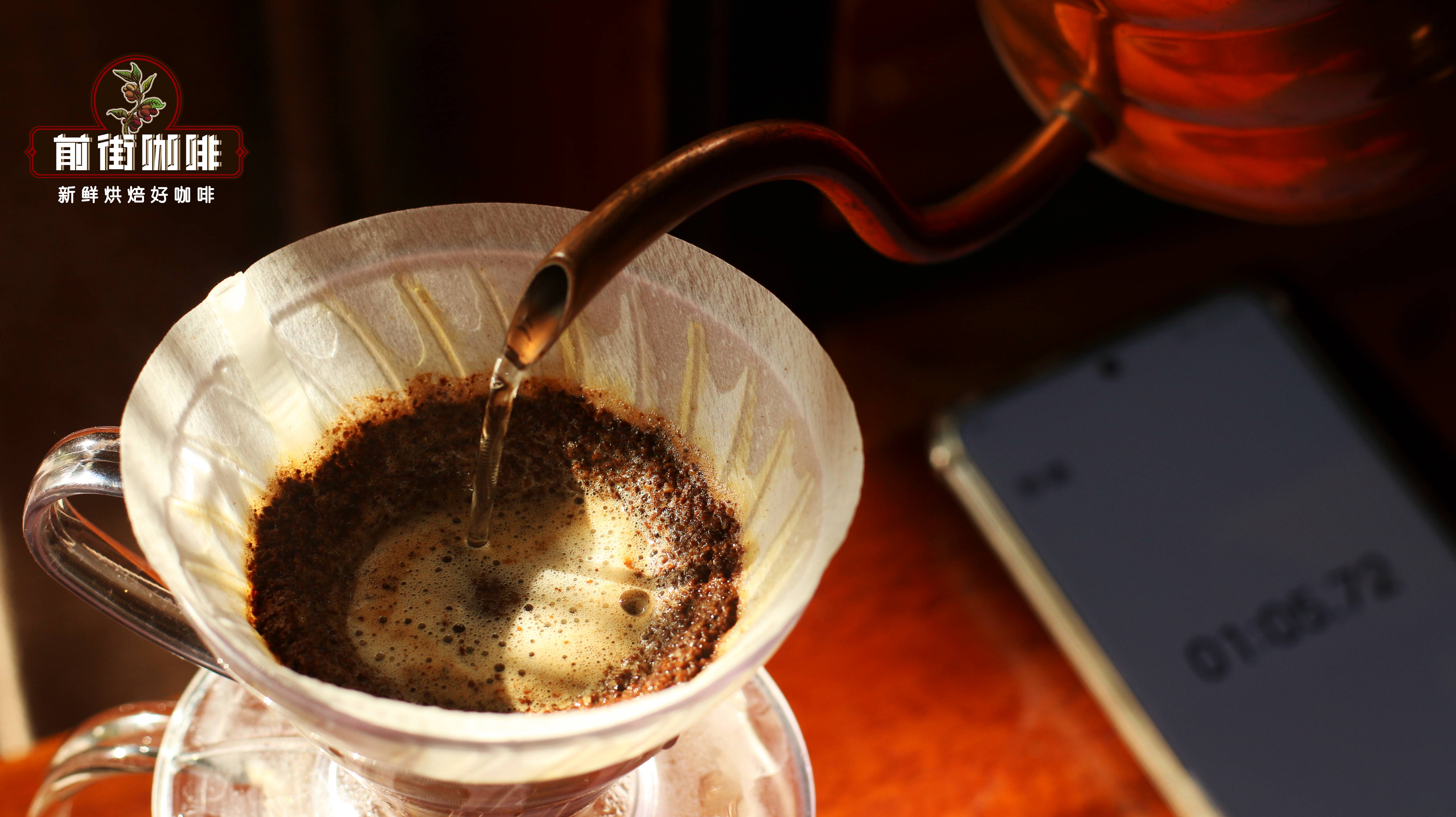
How Does the Coffee-to-Water Ratio in Pour-Over Affect Flavor? An Analysis of the Standard Americano Ratio and Its Differences from Espresso
Brewing a good cup of coffee—the coffee-to-water ratio is one of the key variables. Through comparative experiments, Front Street Coffee systematically analyzes the effects of different coffee-to-water ratios on coffee concentration, extraction yield, and flavor performance, and further explores whether the traditional ratio for Americano applies to all coffee beans. This article starts with the pour-over coffee-to-water ratio, combines it with the extraction logic of espresso, analyzes the essential differences between Americano and pour-over in mouthfeel and flavor layers, and provides a practical method for determining the appropriate ratio for Americano, helping coffee enthusiasts understand the relationship between extraction and flavor more scientifically. [more…]
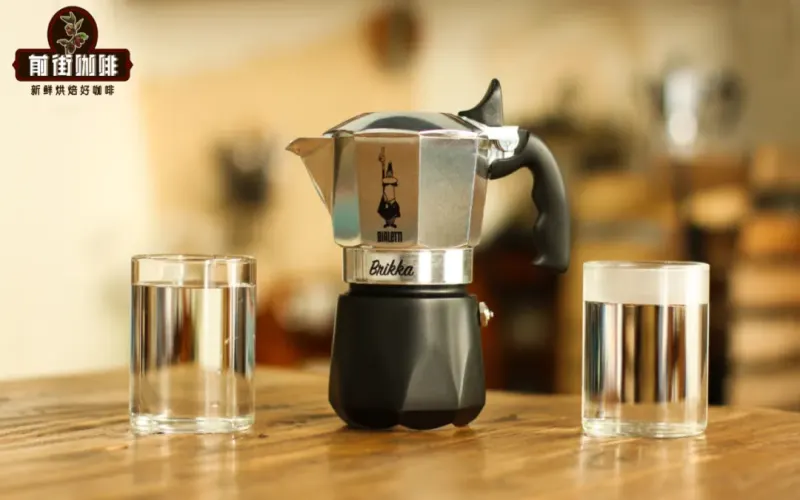
Moka pot: cold water or hot water? A hands-on comparison of heating time, sputtering, and bitterness differences
The Moka pot, with its compact size, simplicity, and affordability, has become the go-to home brewing device for many coffee enthusiasts. But in actual use, one repeatedly raised question has always puzzled people: when making Moka pot coffee, should you use cold water or hot water? The choice of water temperature not only affects the length of heating time, but also directly influences the final coffee flavor. Front Street conducted a controlled experiment, using cold water and hot water respectively to brew Moka pot coffee, recording the two's outflow time, extraction state, and taste presentation. This article will present the complete experimental process and results, analyze the causes of the sputtering phenomenon, and explain why Moka pot coffee made with cold water is more prone to bitterness, finally offering targeted operating recommendations. [more…]
How to Choose Espresso Blend Coffee Beans? A Full Analysis of Three Front Street Coffee Blends' Flavor Characteristics and Suitable Groups
Faced with the dazzling array of espresso blend coffee beans on the market, many enthusiasts often don't know where to start. In fact, the key to choosing blend beans lies in clarifying your own drinking scenario and taste preferences: whether you prefer the bright, fruity sweet-and-sour profile, or are fond of the rich, balanced depth of nuts and chocolate, or need a daily staple with abundant crema suitable for practicing latte art. This article takes three representative espresso blends from Front Street Coffee as examples, breaking them down one by one across dimensions such as roast level, origin composition, target audience, and flavor performance, to help you find the most suitable bag of beans among different needs like advanced player, beginner entry, and latte art practice. [more…]
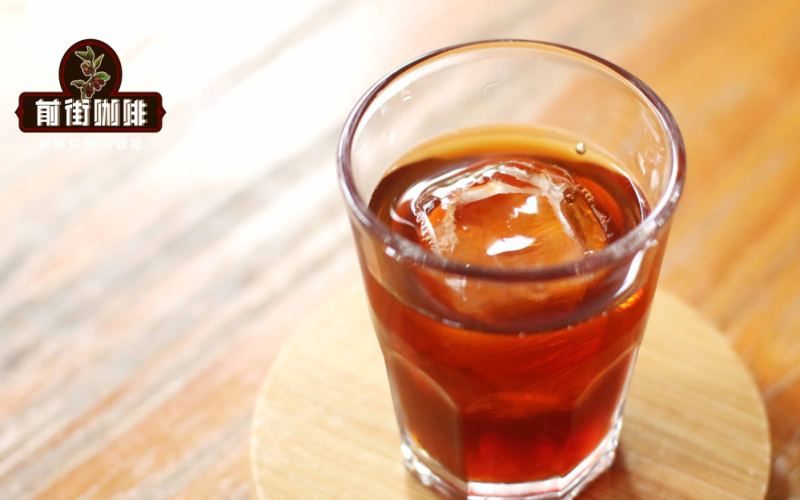
How to Choose the Steeping Time for Cold Brew Coffee? A Flavor Analysis of 12-Hour, 24-Hour, and 4-Hour Differences
Cold brew coffee has rapidly risen in popularity in the coffee world in recent years, thanks to its unique flavor profile achieved through low-temperature slow extraction. The method isn't complicated—just soak coffee grounds in cold water for 12 hours or more and then filter—but the length of the steeping time directly affects the final flavor. This article, through four sets of comparative experiments by Front Street Coffee, provides a detailed analysis of the flavor differences in cold brew steeped for 4, 8, 12, and 24 hours, and offers coffee bean recommendations suitable for cold brew, helping you find the steeping time that best suits your taste. [more…]
How does cold brew steeping time affect flavor? Extraction results and bean selection tips for 12 to 24 hours
Cold brew coffee has become a popular drink in recent years, and its core lies in the long soaking of coffee grounds in cold water for low-temperature extraction. But is longer soaking time always better? Through Front Street's comparative experiments, this article analyzes in detail the differences in cold brew flavor among four time periods—4 hours, 8 hours, 12 hours, and 24 hours—and explains the effects of soaking duration on concentration, complexity, and the balance of acidity, sweetness, and bitterness. At the same time, it shares a simple home cold brew process, coffee-to-water ratio, grinding suggestions, and recommends light-roast and balanced coffee beans suitable for cold brew, helping you find the cold brew solution that best suits your taste. [more…]
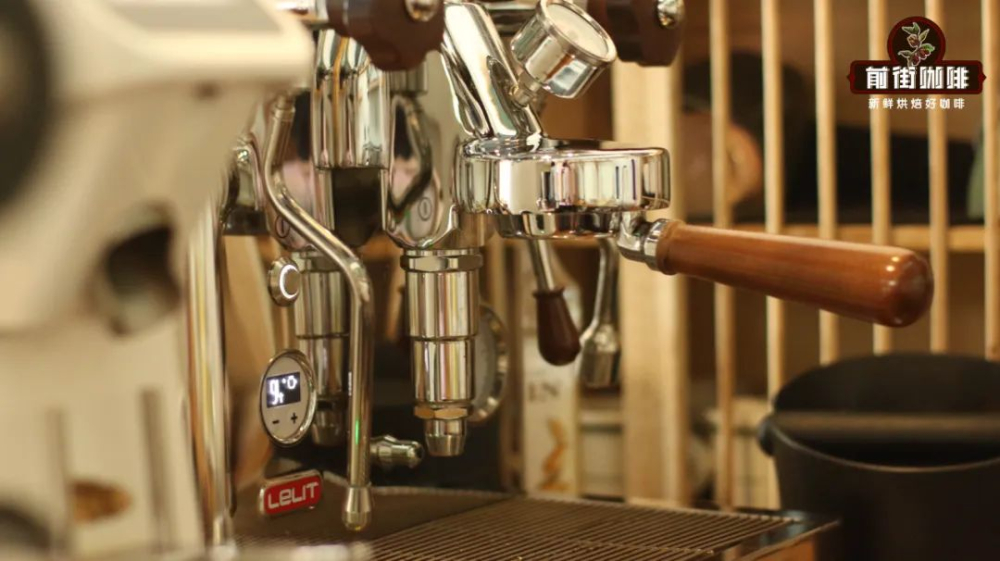
Coffee Machine Maintenance | How Should Coffee Beginners Clean and Maintain a Home Semi-Automatic Espresso Machine? How to Replace the Gasket on an Espresso Machine?
For professional coffee knowledge exchange and more coffee bean information, please follow Coffee Studio (WeChat official account: cafe_style). For more specialty coffee beans, please add our private WeChat: Front Street Coffee (FrontStreet Coffee), WeChat ID: qjcoffeex. With the rise of specialty coffee culture [more…]

Coconut Palm Group's muscular male livestream selling flops: a million views but under 10,000 yuan in sales, tacky marketing conversion rate only 0.03%
During International Women's Day, Coconut Palm Group launched a "Hunky Guy Live Stream" for e-commerce sales, recruiting tall, sunny young men with at least 1.8 meters in height, chest and abs muscles, offering a daily salary of up to 800 yuan. However, despite over a million viewers across two live streams, sales fell short of 30,000 yuan, with a conversion rate of only 0.03%, sparking widespread discussion online. Coconut Palm continues its signature "Coconut-style rustic" approach, from female anchors' awkward dances to male anchors' fitness routines, all set against an unchanging blue backdrop. This article reviews the event, netizens' analyses, and Coconut Palm's history with live stream e-commerce, and includes observations on brand marketing from Front Street Coffee's perspective. [more…]
Is Pour-Over Coffee the Same as Americano? A Detailed Explanation of the Coffee-to-Water Ratio and How to Order Pour-Over at Starbucks
Many people conflate pour-over coffee with Americano, but the two actually differ significantly in both brewing method and flavor profile. Starting from Front Street Coffee's brewing experiments, this article explores the practical impact of the coffee-to-water ratio on flavor, comparing how coffee concentration and extraction yield change under different ratios. It also outlines the definition and traditional ratios of Americano, and, drawing on the practice of Front Street Coffee's Sunflower Warm Sun blend, explains how to find the Americano ratio suited to a particular coffee bean. It then compares the taste differences between espresso and Americano, and finally offers tips for ordering pour-over coffee at Starbucks. [more…]
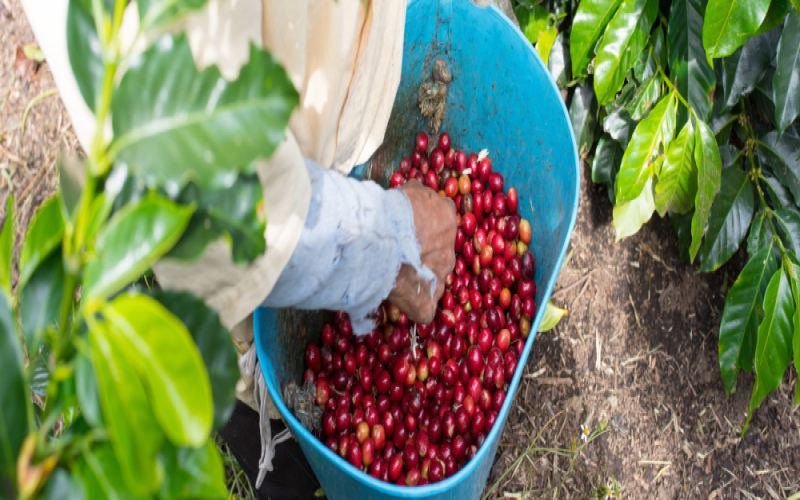
Indonesian Mandheling Coffee Bean Buying Guide: Analysis of Golden Mandheling Flavor Characteristics and Suitable Groups
Mandheling is one of Indonesia's most representative specialty coffees, distinguished among bitter-profile coffees by its full body and rich spicy aroma. High-quality Mandheling mostly comes from northern Sumatra, around the Lake Tawar and Lake Toba producing regions, where the humid tropical rainforest climate gives the coffee a strong herbal base. This article will walk you through Mandheling's flavor profile and who it suits, and recommend two products—Front Street Indonesian Mandheling and Front Street Golden Mandheling—covering everything from roasting to brewing methods, to help coffee lovers find the cup of rich, full-bodied coffee that suits them. [more…]
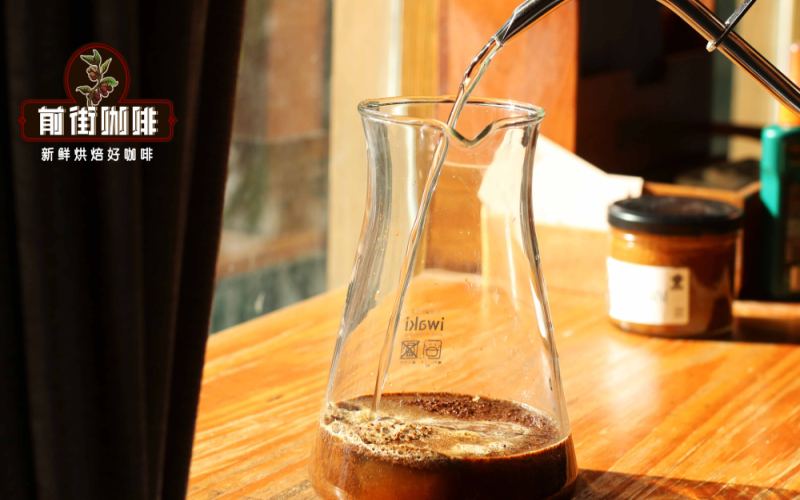
Which groups of people is cold brew coffee suitable for? A guide to brewing methods and bean recommendations
Cold brew coffee differs significantly from regular hot-brewed coffee. It needs to be prepared a day in advance, tastes not bitter but slightly sour, and has a soft flavor, making it popular among many coffee lovers. Due to the special preparation process, Front Street Coffee stores offer fewer cold brew options than pour-over, but every bean is carefully selected, suitable for cold brew and appealing to a broad range of tastes. This article will introduce in detail the steps for making cold brew coffee, its characteristics, ways to drink it, and recommended coffee beans suitable for cold brew, helping you easily recreate the same delicious Front Street Coffee at home. [more…]
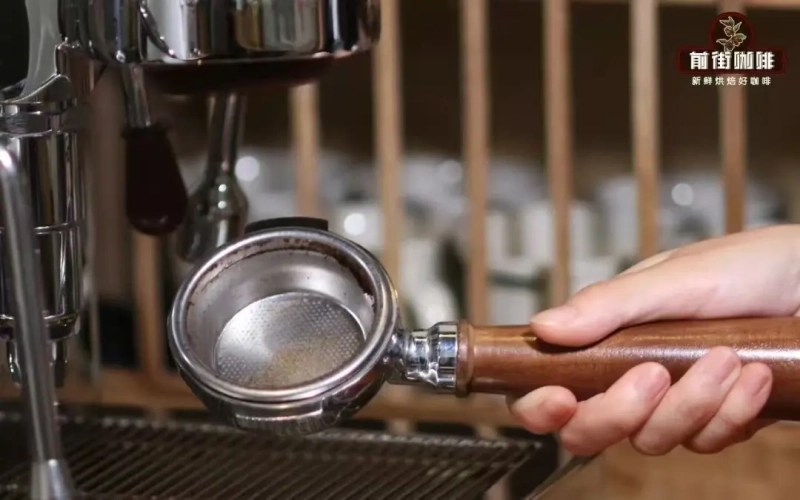
Why Does the Puck Stick to the Brew Head After Espresso Extraction? An Analysis of Operating Details and Causes
When using an espresso machine to extract espresso, many people have encountered the situation where the puck sticks firmly to the brew head. Once the puck falls off, it not only tends to crumble into the drip tray, but is also quite troublesome to clean up. Some people therefore believe that the coffee's flavor will become worse, but is that really the case? Front Street, based on an actual encounter, tasted the coffee extracted while the puck was stuck and analyzed the various operational factors that lead to this phenomenon, including the dose, the timing of removing the portafilter, and bumping before extraction, to help everyone more clearly understand the real reasons why the puck sticks to the brew head. [more…]

How to Choose the Water Temperature for Pour-Over Coffee? A Detailed Explanation from Dissolution Principles to Brewing Practice of Temperature's Influence on Flavor
What water temperature is actually suitable for pour-over coffee? Does a higher temperature always mean better extraction? Starting from everyday dissolution phenomena, this article explains how water temperature affects coffee extraction efficiency, and uses cupping immersion experiments and pour-over comparison data to show how coffee flavor actually performs at different temperatures. The article also explores competition brewers' high-temperature brewing strategies, and why Front Street Coffee recommends a relatively narrow brewing temperature range, helping enthusiasts understand the key role of water temperature in brewing and avoid common misconceptions. [more…]
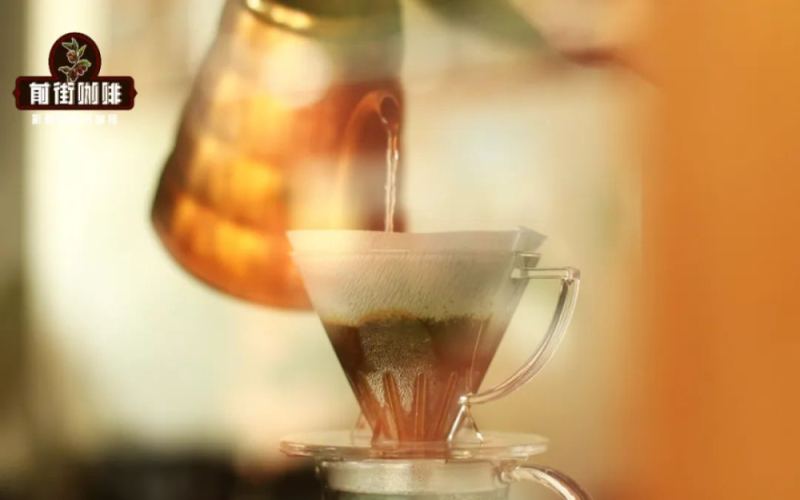
What Happens If You Brew Coffee with Boiling Water? What Is the Ideal Pour-Over Water Temperature, and Is 92°C a Hard Rule?
Water temperature is a key variable in controlling the pace of coffee extraction. Most brewing guides set the recommended range at 86–93°C, and very few people dare to use water below 80°C or above 95°C on coffee. So what happens if you boil water and brew with it directly? This time, Front Street Coffee selected a medium-light roast Colombia·Frontera Big Navel and a medium-dark roast Indonesia·Mandheling, using conventional temperature and boiling water for comparison, and compared concentration, aroma, and mouthfeel item by item. The article not only provides two sets of measured data, but also explains how temperature affects the release of sourness and bitterness, as well as the suitable water temperature ranges for light roasts and dark roasts respectively, helping you understand whether 92°C is really a hard standard that must be followed. [more…]
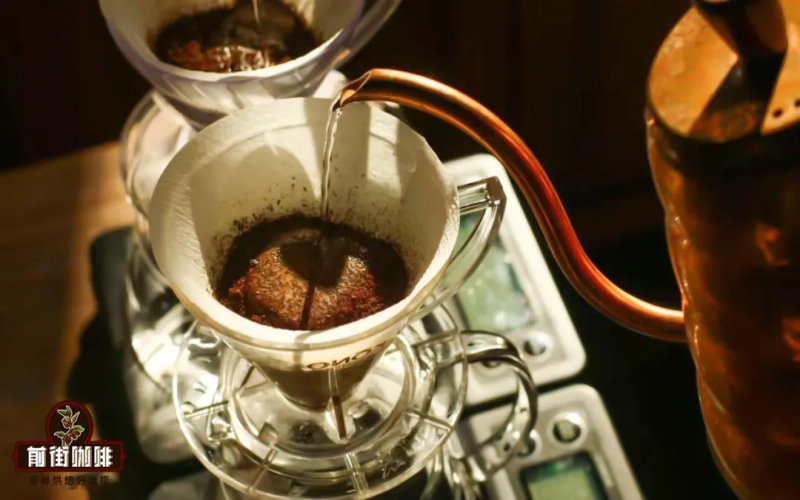
How long should you actually wait during the bloom in pour-over coffee? An analysis of the measured difference between 30 seconds and 60 seconds
Blooming is an almost indispensable step in pour-over coffee. Typically, we pour a small amount of hot water to wet the coffee bed, then wait for about 30 seconds. This seemingly simple pause—how much does it actually affect extraction? If we extend the time to 60 seconds, will the coffee taste better? Front Street conducted comparative brewing experiments with three coffee beans of different freshness levels, measuring the extraction yield difference between a 30-second and 60-second bloom, explained the mechanism of blooming from the perspective of carbon dioxide release, and offered blooming time recommendations suitable for beginners. [more…]
Cold Brew Coffee Recipe|Is Longer Extraction Always Better for Cold Brew? How Long Should Cold Brew Coffee Grounds Steep?
Under the scorching summer sun, walking the streets of Guangzhou, sweat drips from the top of your head all the way down into your clothes, and before long, your shirt is soaked through. This is a scene that has become common lately among the folks visiting Front Street Coffee (FrontStreet Coffee) shops. An ice-cold coffee can instantly rescue you from the inferno and bring you back to paradise. [more…]
Cold brew coffee bean brand recommendations | How long should cold brew coffee grounds be steeped to taste good? Which coffee beans make cold brew coffee with a juicy feel?
On a scorching summer day, walking the streets of Guangzhou, sweat drips from the top of your head all the way down into your clothes, and before long, your shirt is soaked through. This is a familiar sight at Front Street Coffee (FrontStreet Coffee) shops these days. An ice-cold coffee can instantly rescue you from the blazing furnace and bring you back to paradise. [more…]
Differences Between a Double-Spout Portafilter and a Bottomless Portafilter for Espresso Extraction, and Recommendations for Choosing One
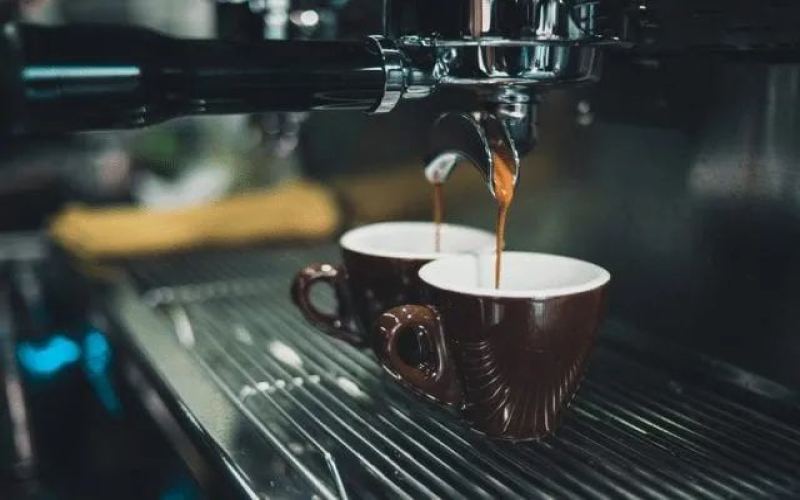
When making espresso, the choice of portafilter is often overlooked, yet it directly affects the consistency of the output and the operating experience. A split portafilter has a closed bottom with two spouts, allowing it to evenly distribute a double shot of espresso; a bottomless portafilter removes the bottom cover, making it easier to observe the extraction state, and is especially advantageous for identifying channeling and making layered coffee. However, the two also differ noticeably in flow rate, preheating requirements, and cleaning and maintenance. This article will systematically compare the features of split portafilters and bottomless portafilters, and offer practical advice from Front Street Coffee to help you make a more suitable choice in your daily output. [more…]
The Origin and Spread of the Catimor Coffee Variety Group: From Leaf Rust Resistance Hybridization to the Transformation of Yunnan Small-Bean Coffee
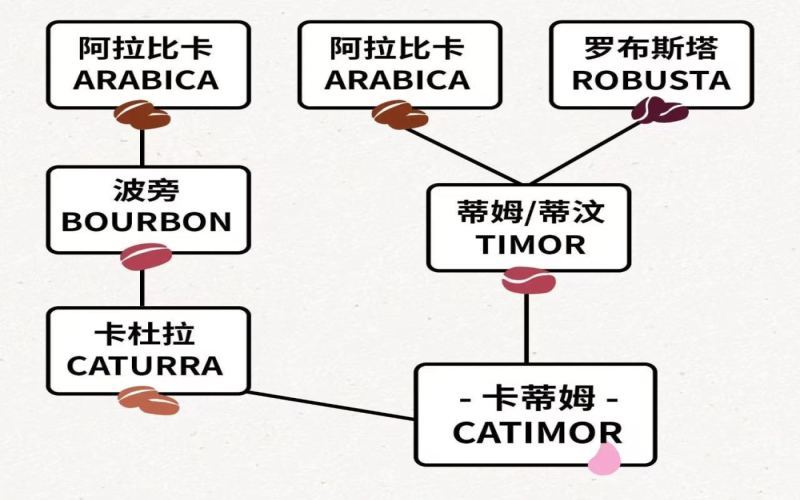
Catimor is not a single variety, but rather a group of varieties with similar bloodlines, and its birth stemmed from humanity's efforts to combat coffee leaf rust. From the natural hybrid Timor Hybrid found on the island of East Timor to its combination with Caturra, Catimor inherited the flavor potential of Arabica and the disease-resistant genes of Robusta. This variety group is widely cultivated in the Americas and Asia, especially in Yunnan, China, where Catimor replaced the traditional Typica and became the main variety. This article will sort out the origins of Catimor, the representative varieties bred in various places, and its role in Yunnan small-bean coffee, and discuss the relationship between its flavor expression and growing conditions. Front Street Coffee believes that Yunnan Catimor presents a balanced flavor of nuts, brown sugar, and plum. [more…]

Luckin's 60-cup group buy had no discount and no help with carrying, so why did netizens actually support the staff?
A post about a Luckin Coffee service experience recently sparked discussion on social media. The poster said that while organizing an office event, they ordered 60 drinks from a local Luckin store. When picking up the order, they found the coffee had not been packed into boxes and had to carry it to the car bag by bag, while the staff did not offer help on the grounds that they could not leave the store entrance. The customer also complained that the entire order had no discount and said that even if they ordered 600 cups next time, they would not choose this store again. However, most netizens sided with the staff, arguing that chain coffee stores do not normally offer group-meal discounts, and that Luckin has strict requirements for food safety and operating procedures, making it difficult for employees to leave their posts to help with carrying during peak hours. [more…]