







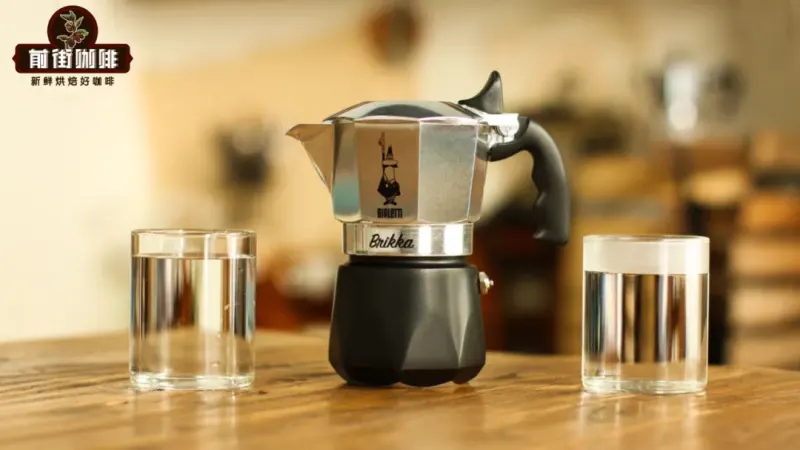
Does cold or hot water change how a moka pot brews?
Cold water and hot water both work in a moka pot, but they change how the brew behaves. A controlled comparison found that hot water shortens the wait before coffee starts flowing, while cold water lengthens the heating phase and is more likely to end in sputtering and a bitter cup. The water temperature mainly affects heating time, not extraction speed.
A moka pot pushes heated water up through the grounds by steam pressure, so the starting temperature sets the pace of the whole brew. Cold water takes longer to reach flow, and that extra time around the grounds is what tips the cup toward bitterness. For moka pot use, the practical advice is to start with hot water and pull the pot off the heat once flow turns pale and fast.
The moka pot, with its compact size, simplicity, and affordability, has become the go-to home brewing device for many coffee lovers. But in actual use, one repeatedly mentioned question continues to puzzle everyone: when making moka pot coffee, should you use cold water or hot water? The choice of water temperature not only affects the length of heating time but also directly impacts the final coffee flavor. Front Street conducted a controlled experiment, making moka pot coffee with cold water and hot water separately, recording the flow start time, extraction state, and taste presentation of both. This article will present the complete experiment process and results, analyze the causes of the sputtering phenomenon, and explain why cold water moka pot coffee is more prone to bitterness, finally offering targeted operational suggestions.
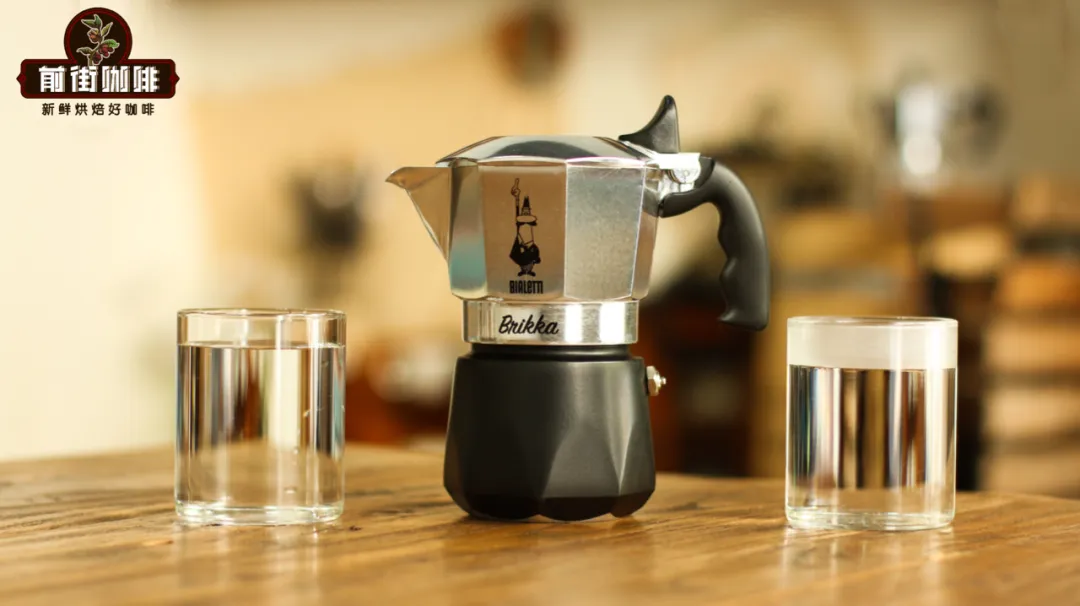
The reason the moka pot has made its way into so many home kitchens comes down to three things: compact size, ease of use, and affordability. Recently, Front Street's inbox has received many reader messages, all asking the same question—when brewing coffee with a moka pot, should the lower chamber be filled with cold water or hot water?
In common extraction methods like pour-over, French press, and espresso machines, water temperature influences the speed at which flavor compounds dissolve: the higher the temperature, the faster the dissolution; the lower the temperature, the slower. This principle also applies to the moka pot, except that here water temperature mainly affects not the dissolution speed but how long the entire heating process lasts.
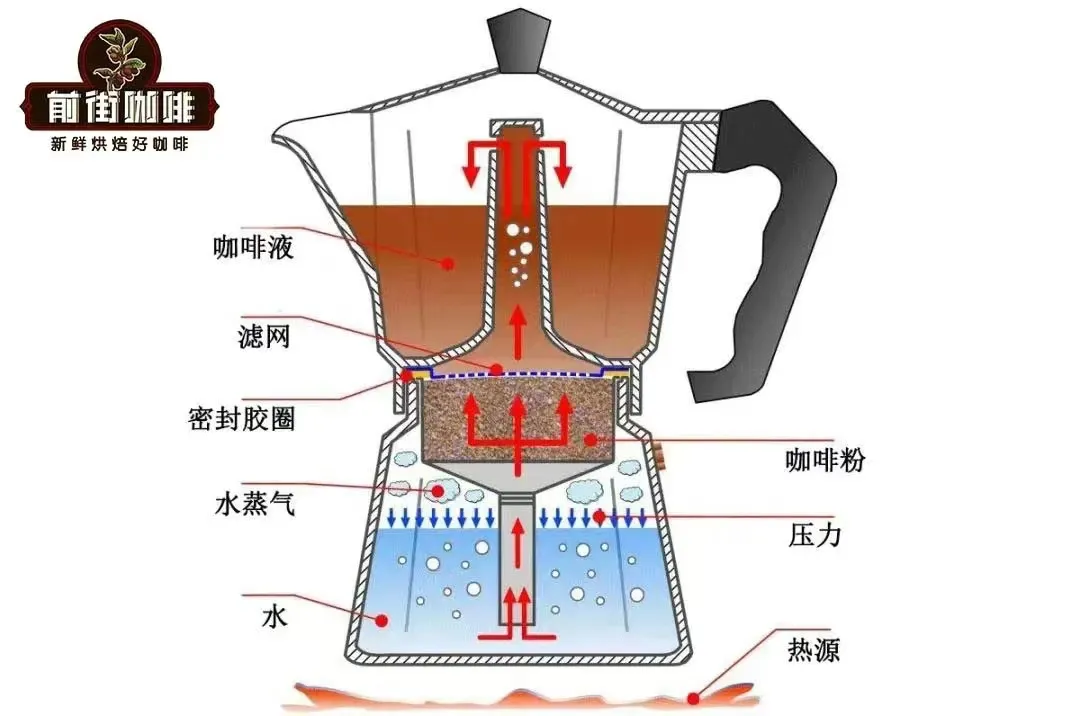
The moka pot works on this principle: water in the lower chamber is heated and turns into steam, the steam creates pressure in the sealed space, pushing the hot water at the bottom up through the funnel, through the coffee grounds to complete extraction.
Therefore, the initial water temperature directly determines the length of heating time. The higher the water temperature, the shorter the time needed to reach the flow state, and the earlier the coffee liquid starts flowing out; the lower the water temperature, the longer the wait.
However, the impact of water temperature goes far beyond just heating time. Different initial water temperatures also cause noticeable differences in the final cup's taste. To more clearly demonstrate this difference, Front Street designed a comparative experiment, and the process is shared in full below.
Moka Pot Experiment
The experimental plan is not complicated: Front Street made one moka pot coffee with cold water and one with hot water, with all other extraction parameters identical except for water temperature. This way, the differences between the two coffees in extraction time and final results can be clearly observed.
The range of coffee beans suitable for moka pots is quite broad, and medium-dark roast profiles are currently recommended—first, to avoid sourness and astringency, and second, to bring out a better full-bodied texture. Beginners can consider the espresso blend recommended by many baristas at Front Street—Front Street Dark Cocoa Blend, a blend of Yunnan small-bean and Brazil Cerrado, rich in nutty aromas, friendly in price, and stable in extraction performance, very suitable for those just getting started with moka pots.
For this test, Front Street Classic Blend was chosen, a medium-dark roasted espresso bean. It has abundant crema, prominent roasted aroma, and a rich, full-bodied mouthfeel, suitable for both moka pot coffee and espresso. The specific parameters are as follows:
Dose: 19g
Coffee-to-water ratio: 1:8
Grind setting: 1 click on the Galileo Q18, flour-like grind
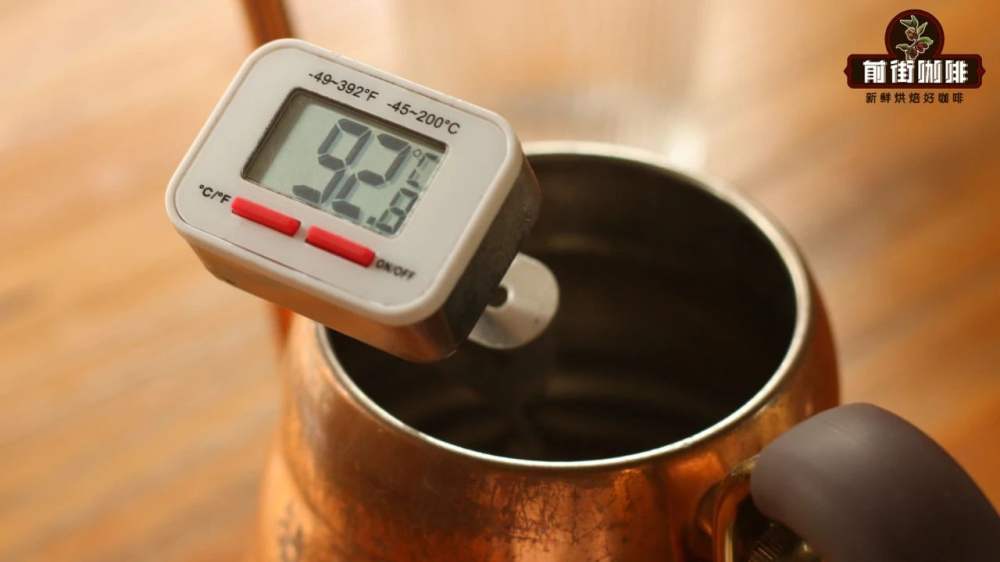
Water temperature: 20°C for the cold water group, 100°C for the hot water group
The operating procedure was kept consistent for both groups, first pouring the specified amount of water into the lower chamber.
Next, the coffee grounds were loaded into the filter basket and tamped, then placed into the lower chamber.
After tightening the upper chamber, it was placed on the stove to begin heating.
The cold water group started flowing at 5 minutes 31 seconds, while the hot water group started flowing at 2 minutes 44 seconds. Once the flowing coffee liquid covered the bottom of the chamber, the heat source could be removed.
(Cold water group flow ↓)
(Hot water group flow ↓)
Comparing the two images above, it's clearly visible that the cold water group showed sputtering during the flow stage—this is not a positive sign, likely indicating that channeling occurred during extraction. Next, the two coffees were poured out separately for tasting.
The tasting results confirmed the earlier judgment. Front Street detected a slight bitterness in the finish of the cold water group; while the hot water group performed remarkably well, with prominent rich aromas of caramel and dark chocolate, high body, and clear butter cookie flavors, with basically no negative flavors appearing.
After measurement, the extraction yield of the cold water group was about 2% higher than the hot water group. After further dilution with water, the flavor differences between the two cups were further amplified, and Front Street could more directly perceive the difference between the two.
So here's the question: why would simply changing the water temperature cause such a big difference? The reason is actually not complicated. Cold water requires a longer heating time, and during this process, the coffee grounds are continuously heated, the gaps between particles are widened, and channels form. During subsequent extraction, hot water tends to flow along the path of least resistance, making uneven extraction inevitable.
Overall, using hot water for moka pot coffee both shortens the heating time and reduces the channeling caused by prolonged heating, making it less likely for negative flavors to appear in the final cup. Of course, Front Street is not saying cold water can't be used at all—after all, hot water isn't always on hand. But if you do choose cold water, it's best to adjust to a finer grind, using increased resistance to offset the adverse effects of prolonged heating.
The above content is compiled by CoffeeHunters, a coffee news website.


