







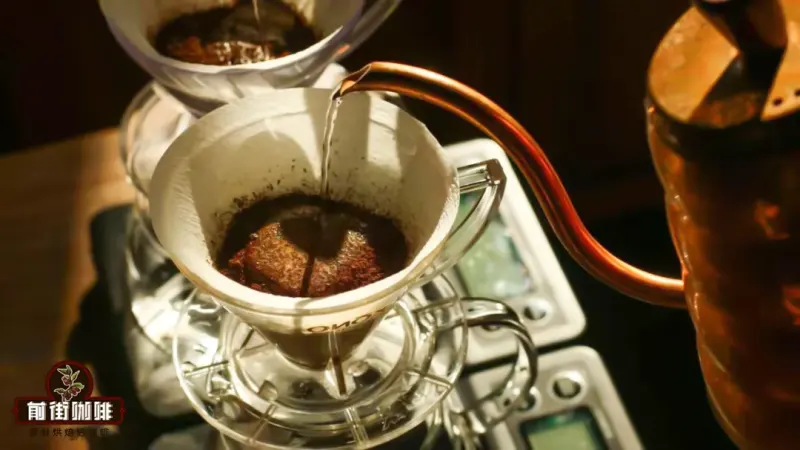
Does a longer bloom really raise coffee extraction?
A 30-second bloom raises extraction yield in pour-over coffee compared with no bloom at all, and tasters can notice the difference. Extending the wait to 60 seconds does not simply add more: results depend on how fresh the beans are. Beans just 3 days off roast still release carbon dioxide quickly, while beans 15 and 30 days off roast behave differently.
In the comparison, three beans of different freshness were each brewed twice, once with a 30-second bloom and once with 60 seconds, under identical parameters, then measured for extraction yield and tasted. Blooming lets carbon dioxide escape so water can wet the grounds evenly, which is part of how do we make coffee well. Beginners can start near 30 seconds and adjust by taste and roast date.
Blooming is an almost indispensable step in pour-over coffee. Typically, we pour a small amount of hot water to wet the coffee grounds and then wait for about 30 seconds. How much impact does this seemingly simple pause actually have on extraction? If we extend the time to 60 seconds, will the coffee taste better? Front Street conducted comparative brewing experiments with three coffee beans of different freshness levels, measuring the difference in extraction yield between a 30-second bloom and a 60-second bloom, and explained the mechanism of blooming from the perspective of carbon dioxide release, while also providing bloom time recommendations suitable for beginners.
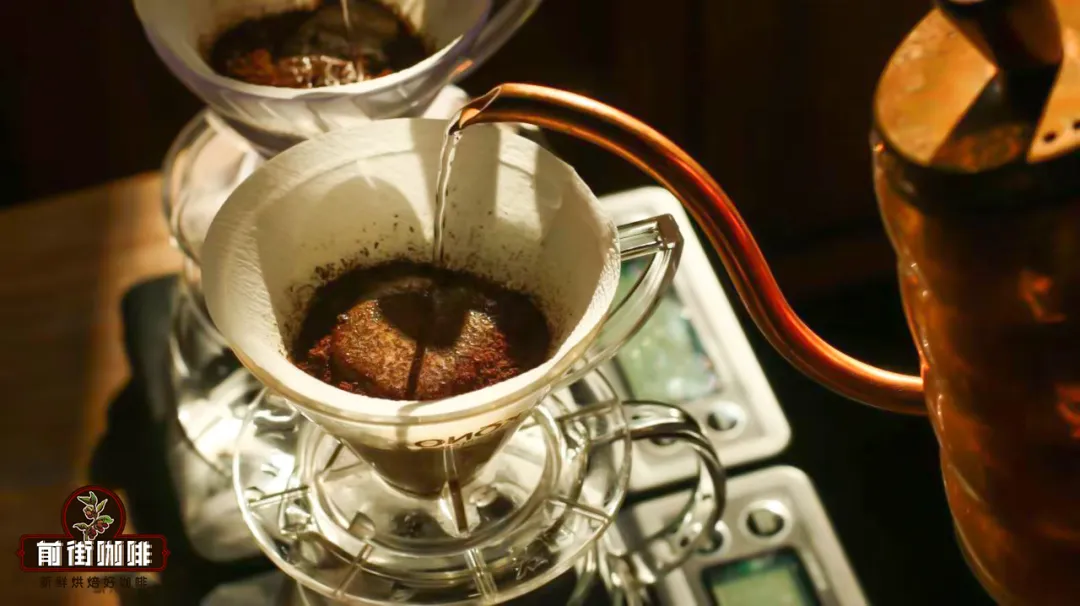
When it comes to pour-over coffee, blooming is a step almost every enthusiast is familiar with. The process isn't complicated: before the main pour, first pour a small amount of hot water to wet the coffee grounds, then let it sit for about half a minute. Don't underestimate this brief wait—it allows subsequent extraction to proceed more smoothly and dissolves more flavor compounds. Simply put, it makes the final cup of coffee taste fuller and richer.
Front Street previously conducted a controlled test: with the coffee beans and brewing parameters completely identical, the cup with a 30-second bloom had a noticeably higher extraction yield than the cup with no bloom at all. The difference in taste was also quite intuitive—even a beginner could tell the two apart with a single sip. Clearly, the impact of blooming on pour-over results should not be overlooked.
However, a customer friend raised a very natural question: if blooming can improve extraction, then according to Front Street's logic, wouldn't a 60-second bloom be even better than 30 seconds? That's an interesting question. Since someone asked seriously, Front Street decided to just run a comparative brewing test to see exactly how big a gap a 30-second bloom versus a 60-second bloom can create.
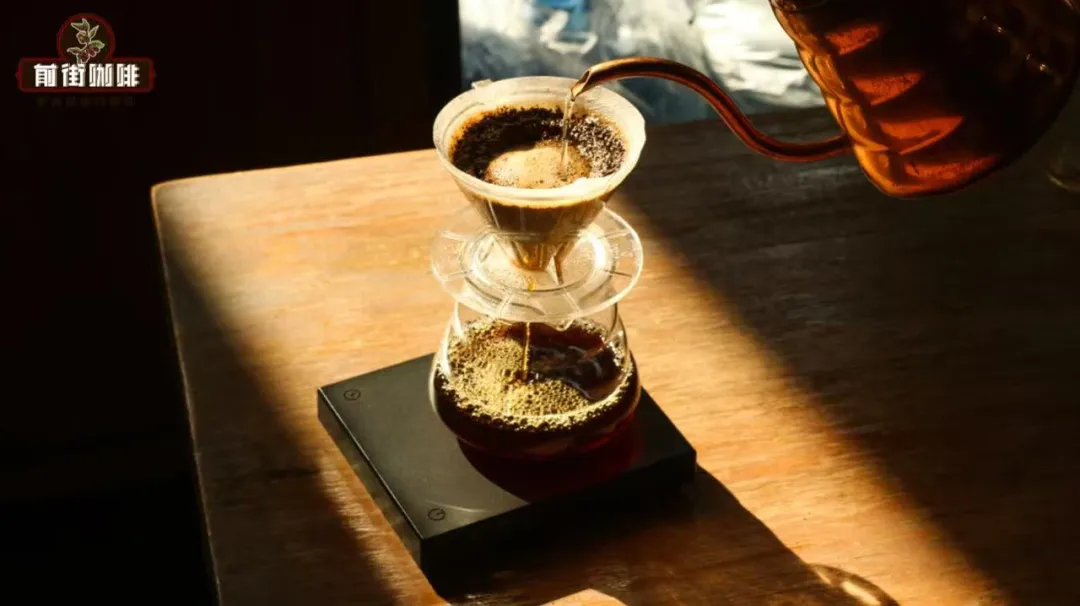
Brewing Experiment
For this experiment, Front Street prepared three coffee beans with different freshness levels: one bean just 3 days off roast, one at 15 days off roast in its peak flavor window, and one at 30 days off roast.
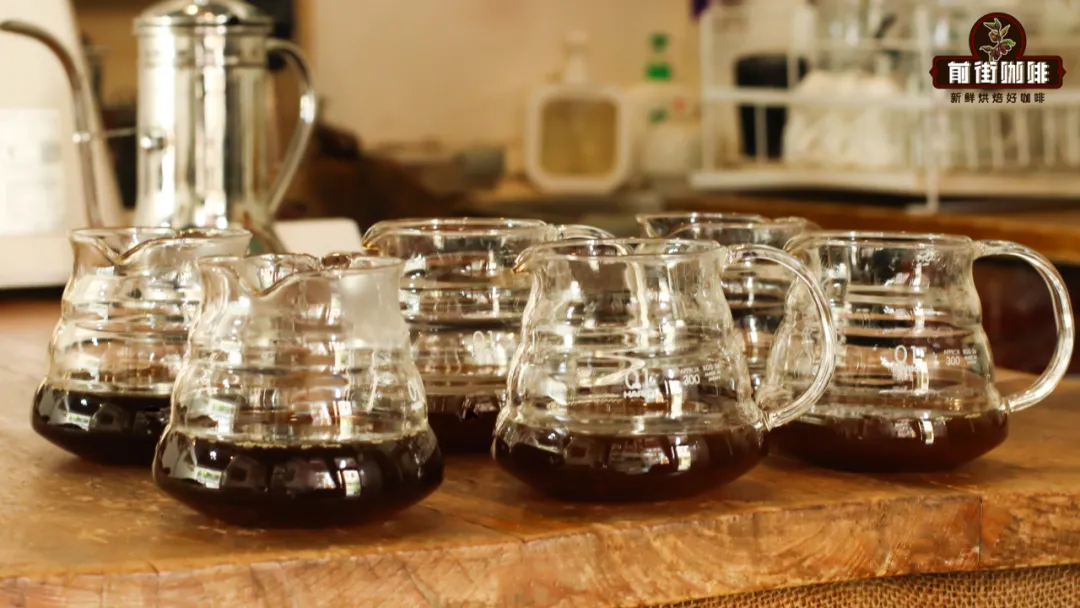
Each bean was brewed into two pots—one with a 30-second bloom and the other with a 60-second bloom. Finally, by measuring extraction yield and actual tasting, we compared the differences between them. All three beans were roasted to a medium-light level, so aside from the bloom time, all other parameters were kept consistent, as follows:
Dose: 15g Water temperature: 92°C Coffee-to-water ratio: 1:15 Grind size: Ek43 setting 10, 75% passing through a No. 20 sieve, caster sugar grind Brewing method: three-pour method Auxiliary tool: drip showerhead (to reduce human influence on brewing)
The brewing process needs no elaboration. After the coffee was produced, Front Street tasted first and then measured extraction yield. The results were as follows:
3-day roast group: 30-second bloom extraction yield was 19.95%; 60-second bloom extraction yield was 20.33% 15-day roast group: 30-second bloom extraction yield was 20.21%; 60-second bloom extraction yield was 20.49% 30-day roast group: 30-second bloom extraction yield was 20.37%; 60-second bloom extraction yield was 20.58%
From the data, the 60-second bloom indeed had a higher extraction yield than the 30-second bloom in every group, but the gap was much smaller than many people would imagine. The same was true for taste—the 60-second bloom coffee was only slightly stronger than the 30-second one, without any dramatic difference in layers.

Although both comparisons differed by 30 seconds of bloom time, the results of "0 seconds vs. 30 seconds" and "30 seconds vs. 60 seconds" can be said to be worlds apart. In the former comparison, beginners could accurately distinguish them in a blind test; in the latter, only a barista could tell the difference through careful tasting (except for the first group, which was more obvious). The reason is that the desired effect of blooming is basically already achieved in the first 30 seconds.
Why does pour-over coffee need blooming?
The key reason blooming can improve extraction yield is that it causes the coffee grounds to expand and releases the carbon dioxide accumulated during roasting.
Coffee extraction relies on concentration gradients. When hot water contacts coffee grounds, the flavor compounds in the grounds migrate into the water with lower concentration due to the concentration difference. But there's an unavoidable problem here: water cannot immediately penetrate into the interior of the coffee grounds to reach those flavor compounds.
This is because the carbon dioxide in the coffee grounds rapidly escapes upon contact with hot water, which slows down the speed at which hot water enters the core of the grounds. If a large amount of water is poured before the coffee grounds are fully wetted, much of the hot water cannot fully extract the flavor components from the coffee.
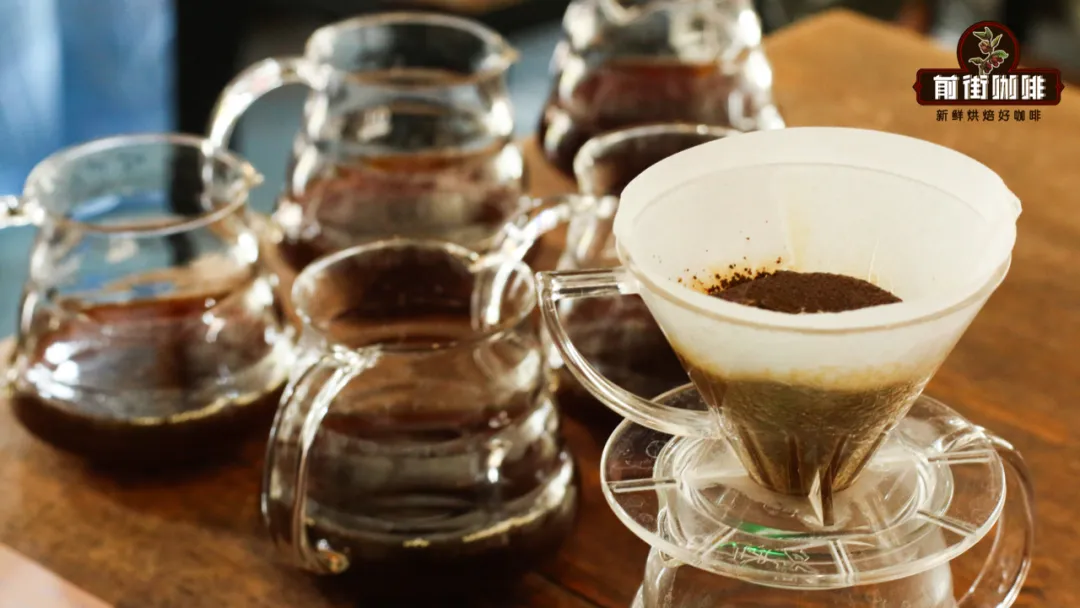
Therefore, we need the blooming step to complete the release of carbon dioxide. Using a small amount of hot water to pre-wet the coffee grounds allows carbon dioxide to escape and hot water to seep inside. After that, the water poured in afterward can more smoothly dissolve the flavor compounds, making extraction more uniform and efficient.
However, the time required for hot water to complete this task varies depending on the state of the coffee beans and the parameters used. I believe some friends have already noticed from Front Street's experiment above that the first group of two pots had the largest difference in extraction yield, and the gaps grew smaller in subsequent groups.
The reason is that the beans used in the first group were the freshest, with the highest carbon dioxide content, requiring a longer bloom time to release the gas, which is why the difference between those two pots was more noticeable. In addition, the roast level, bean density, extraction parameters, and more can all affect the required bloom time.
But if you had to compare each item one by one and then find the appropriate bloom duration, that would be far too difficult for beginners. So Front Street generally recommends beginners start with a "30-second" bloom—this is a relatively safe approach. It's neither too short to release enough gas nor too long to waste time. As long as the parameters are right, this duration is enough for the coffee to achieve full extraction.
Once you can consistently brew a good cup of coffee, it's not too late to learn advanced knowledge. Of course, if you have a need right now, you can click "Portal" to jump and learn more~
- END -
The above content is compiled by CoffeeHunters, a coffee news website.


