







On a scorching summer day, walking down the streets of Guangzhou, sweat drips from the top of your head all the way into your clothes, and before long, your clothes are soaked through. This is a scene that Front Street Coffee (FrontStreet Coffee) stores have been seeing a lot of lately. An ice-cold coffee can instantly rescue you from the inferno and send you straight to heaven.
Cold Brew Coffee(Cold Brew Coffee), this is a new way of drinking coffee that has just become popular in recent years. Simply put, it involves soaking coffee grounds in cold water for more than 12 hours, performing low-temperature extraction, and then filtering. Some more extreme methods use a mixture of ice and water to soak the coffee (ice drip works on this principle — ice melts and drips onto the coffee grounds, taking a whole day), with extraction times extended to an ultimate 48 hours or more!
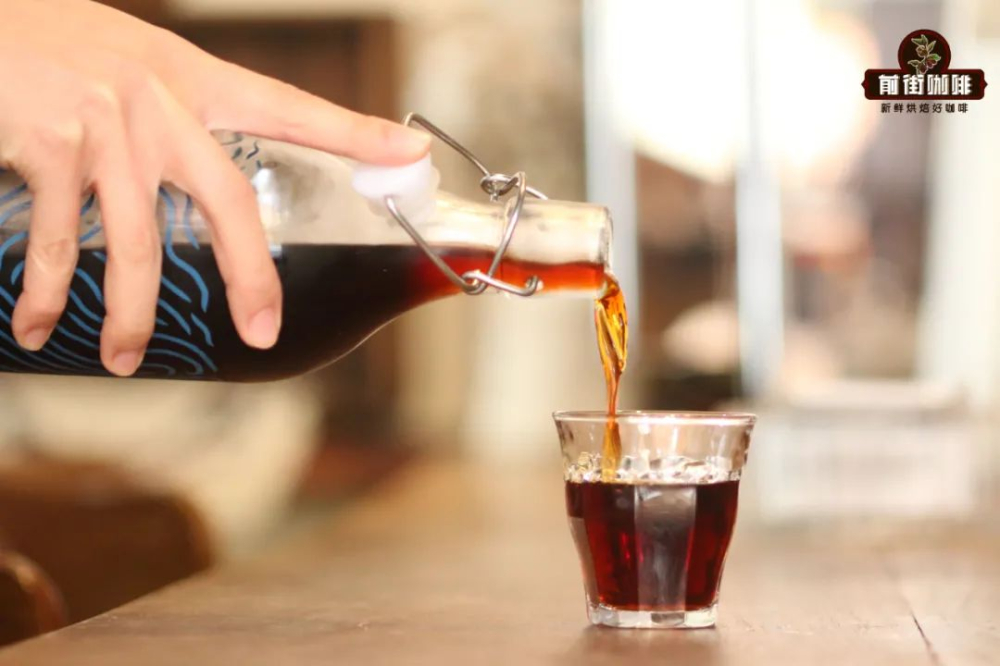
Coffee produced this way, because no high heat is used, has very little tannic acid and other compounds from the coffee beans dissolved into it. The taste is very smooth, fresh with a slight sweetness, bringing out the natural fruity aromas and fruit sweetness of the coffee, while the sour and bitter notes are relatively much lower. But don't think that just because it's not very bitter, it won't keep you awake — in fact, due to the long extraction time, the caffeine in the coffee is still fully extracted, sometimes at much higher levels than hot coffee!
Front Street Coffee (FrontStreet Coffee)Cold Brew Coffee Making Method
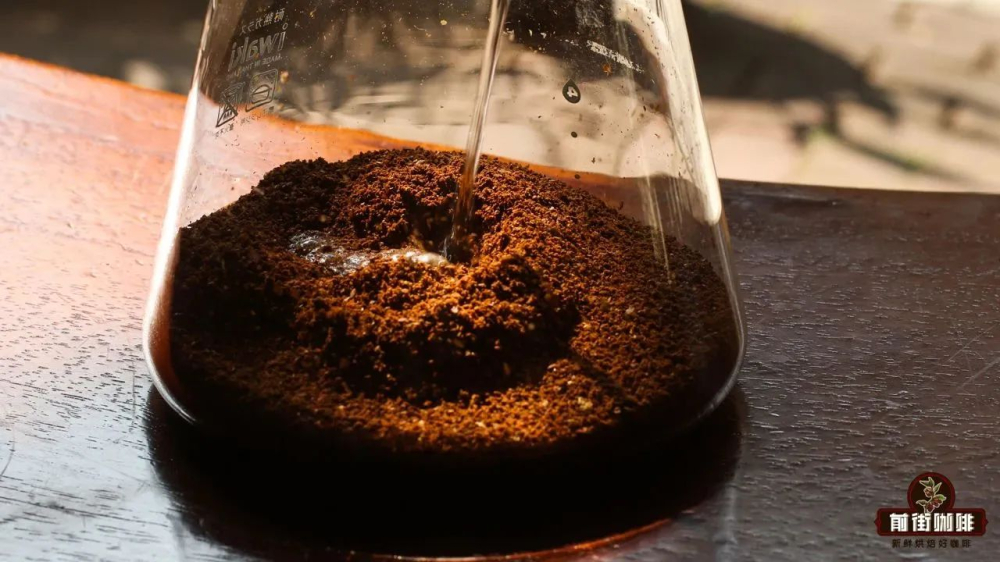
Actually, making cold brew coffee is very simple. Even at home, you can follow Front Street's method to make delicious cold brew coffee.
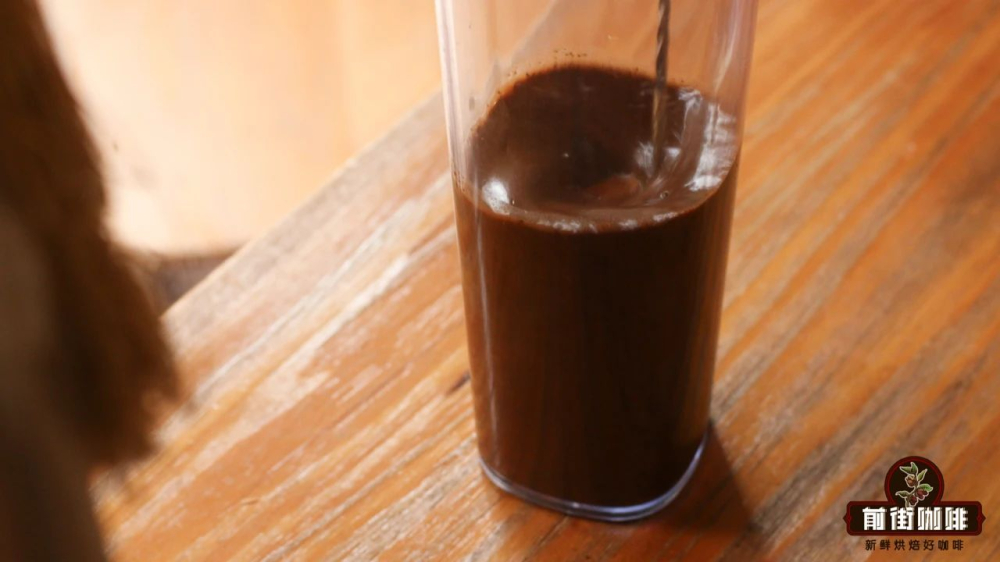
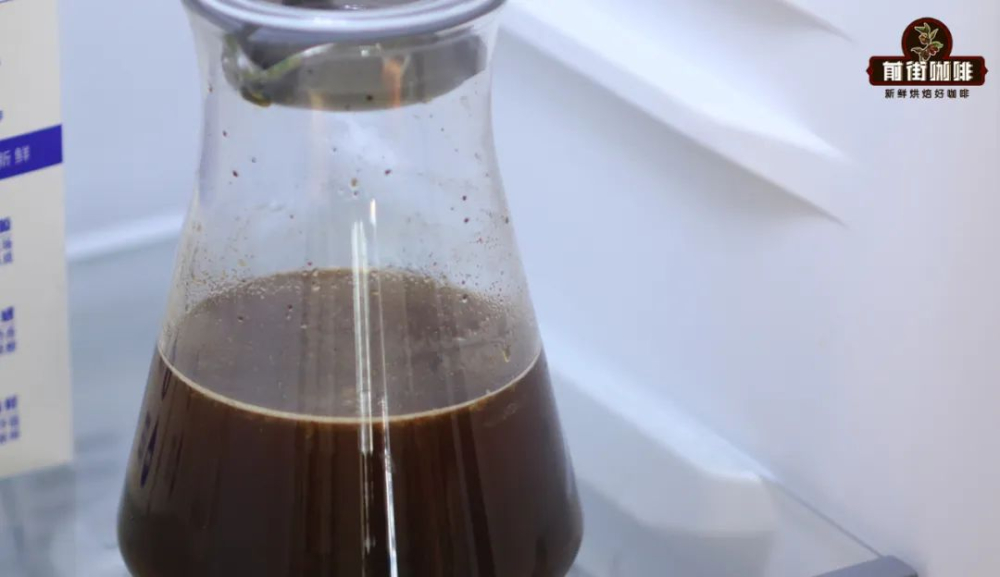
After placing it in the refrigerator for 12-24 hours, use filter paper to filter out the coffee grounds and obtain a clean coffee liquid. Then pour the coffee liquid into a clean sealed bottle and refrigerate for about 4 more hours before drinking — it will taste even better this way!
Is the Longer the Cold Brew Time, the Better?
As we all know, the concentration of coffee increases with the extension of extraction time. The longer the extraction time, the stronger the coffee's flavor, the higher the concentration, and the more pronounced the sour, sweet, and bitter sensations; the shorter the extraction time, the softer the flavor, the lower the concentration, and the less pronounced the sour, sweet, and bitter sensations. Generally, Front Street does not recommend soaking for more than 24 hours.
Of course, different soaking times produce different cold brew coffee flavors. So Front Street conducted a set of coffee soaking experiments to determine the flavor performance of coffee soaked for different durations, for everyone's reference.
The most intense and complex flavor comes from the 24-hour extraction. Since the soaking time is the longest of the four groups, the extracted compounds are also the most complete of the four groups, and the water's saturation is also the highest.
The 12-hour extraction also has rich layers. Although the complexity of the extracted coffee liquid is not as great as the 24-hour one, this group transitions from a sour-sweet sensation at the entry to a sweet sensation, with a nutty flavor in the aftertaste. Since the extraction time is shorter than 24 hours, more active fruity flavor molecules are extracted, while inert molecules like nutty flavors are slightly fewer. In other words, its flavor layers transition one by one from sour, sweet, bitter, to aftertaste, with distinct layers.
The 8-hour extraction has a fresher and cleaner flavor, with more extracted fruity notes. However, due to the shorter extraction time, the layering of flavors is not as rich as the previous two groups with longer extraction times. What's different is that this group's overall feel is better — both fruity and nutty flavors are relatively soft, and the aftertaste is a clean, sweet sucrose.
The 4-hour extraction has the thinnest overall mouthfeel of the four groups, but ample aroma. This is because the soaking time is relatively short, so the aroma is not overly worn away during the fermentation process. This group's extraction yield is also the lowest of the four groups. Its sourness leans more toward citrus fruits, while the nutty flavors are relatively weak.

From the above analysis, we can see that cold brew coffee is not necessarily better the longer it's extracted — whether it tastes good or not is a very subjective matter. Some people like fresh, clean coffee, while others like bold, fermented-tasting coffee — it varies from person to person. From time to time, customers come to Front Street Coffee (FrontStreet Coffee) stores, order an ice drip coffee, and sometimes say it's too strong, sometimes too weak. Our solution to this situation is: lower the coffee-to-water ratio, add ice when serving, and as the ice melts, the coffee's concentration drops to a level the customer is satisfied with.
For those who prefer a heavier fermented taste, as Front Street Coffee (FrontStreet Coffee) can see from the analysis above, the longer the time, the heavier the fermented taste of the coffee liquid, but the coffee's concentration becomes more intense and the mouthfeel layers more complex.
What Coffee Beans Are Suitable for Cold Brew Coffee?
Front Street suggests choosing some light-roast coffee beans for cold brew. These coffees generally exhibit a pleasant acidity, without any bitterness, making them very suitable for summer iced drinks.
As for specific coffee beans, Front Street can offer some recommendations. If you want to try a refreshing feeling, you can choose light-roast washed coffee beans, such as washed Yirgacheffe, washed Geisha, and Guatemala La Flor del Café. If you want a juicy, sweet feeling, you can choose light-roast natural process coffee beans, such as Flower Kui coffee, Kenya coffee, and natural Geisha.
Professional coffee knowledge exchange For more coffee bean information please follow Coffee Workshop (WeChat public account cafe_style )
For more specialty coffee beans, please add private WeChat Front Street Coffee (FrontStreet Coffee), WeChat ID: qjcoffeex
The above content is compiled by CoffeeHunters, a coffee news website.


