







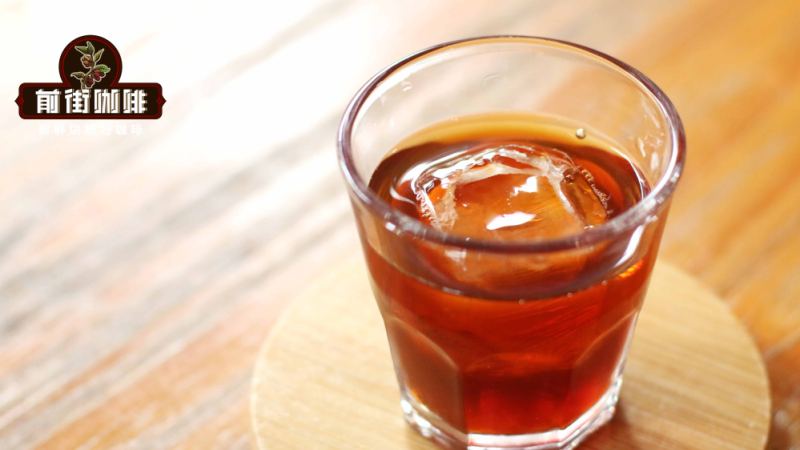
Fermentation tips for baristas: matching cold brew steeping time to the coffee bean mixture
Steeping cold brew longer does not automatically make it better. Comparative tests at 4, 8, 12, and 24 hours show concentration, complexity, and the balance of acidity, sweetness, and bitterness all shift with time, so the ideal window depends on the cup being aimed for rather than on a single rule.
A home method uses 50 grams of grounds, ground slightly finer than pour-over, with 400 milliliters of room-temperature water and 200 grams of ice, a 1:12 ratio. After 12 to 24 hours in the refrigerator, the liquid is filtered and chilled about 4 hours. These fermentation tips for baristas help match a coffee bean mixture to the steep.
Cold brew coffee has become a popular beverage in recent years, and its core lies in steeping coffee grounds in cold water for an extended period for low-temperature extraction. But is longer steeping time always better? This article, through Front Street's comparative experiments, provides a detailed analysis of the flavor differences in cold brew across four steeping durations: 4 hours, 8 hours, 12 hours, and 24 hours, explaining how steeping time affects concentration, complexity, and the balance of acidity, sweetness, and bitterness. It also shares a simple home cold brew process, coffee-to-water ratio, grinding recommendations, and recommends light-roast and balanced coffee beans suitable for cold brew, helping you find the cold brew solution that best suits your taste.
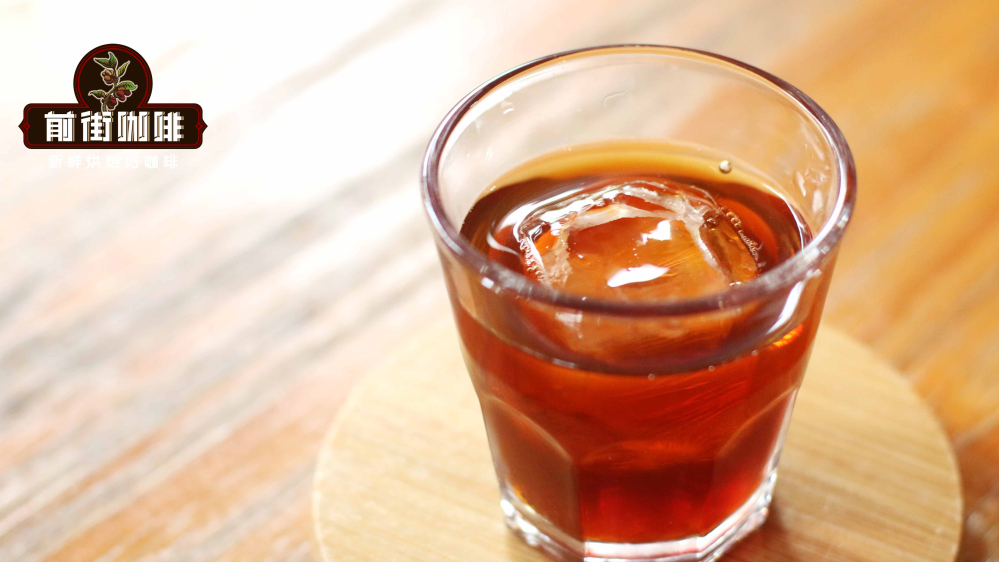
Cold Brew Coffee is a coffee drinking method that has gradually gained popularity in recent years. Simply put, it involves steeping coffee grounds in cold water for more than 12 hours, followed by low-temperature extraction and then filtration. Some extreme approaches even use a mixture of ice and water to steep the coffee—iced drip coffee is based on this very principle, where melting ice drips drop by drop onto the coffee grounds, a process that can last an entire day, and methods with extraction times extending beyond 48 hours are not unheard of.
How to Make Cold Brew Coffee
In fact, making cold brew coffee is not complicated; even at home, you can make a satisfying cold brew following Front Street's method.
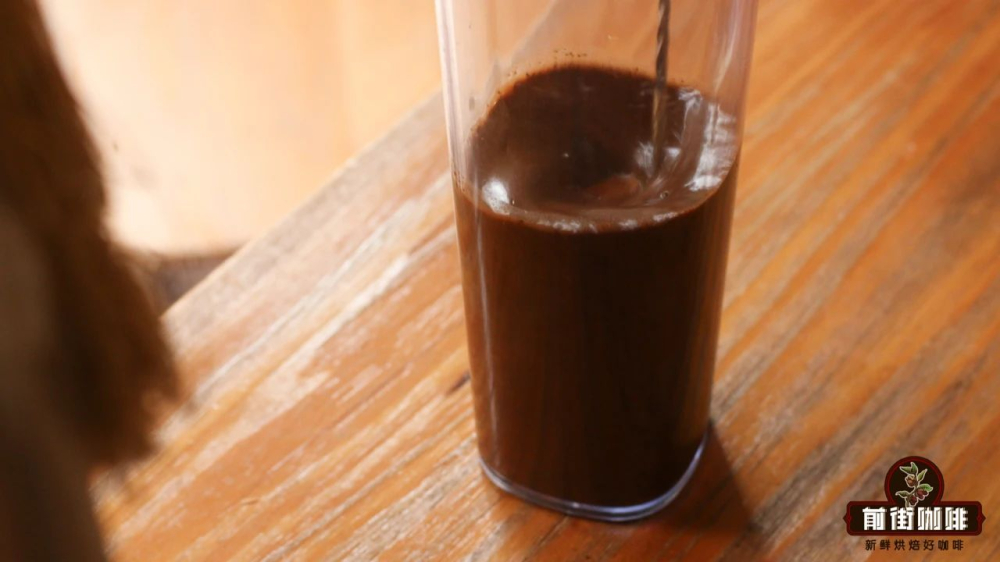
As for the container, a mineral water bottle or glass bottle will do; the key is to have a sealing lid. The coffee grounds should be ground slightly finer than for pour-over, roughly equivalent to a coarseness where 85% passes through a No. 20 sieve. Front Street uses 50 grams of coffee grounds as the base, placing them into a glass bottle, then adding 400 milliliters of room-temperature water and 200 grams of hard ice cubes (if no ice cubes are available, simply substitute with cold water), with a coffee-to-water ratio of 1:12. Then use a stirring rod to thoroughly mix the coffee grounds with the water, seal it, and place it in the refrigerator.
After letting it sit in the refrigerator for 12 to 24 hours, filter out the coffee grounds with filter paper to obtain a clear coffee liquid. Pour the coffee liquid into a clean sealed bottle and continue refrigerating for about 4 hours before drinking for a better taste.
Is Longer Cold Brew Steeping Time Better?
As is well known, coffee concentration increases with longer extraction time. The longer the extraction time, the stronger the flavor, the higher the concentration, and the more pronounced the perception of acidity, sweetness, and bitterness; the shorter the extraction time, the softer the flavor, the lower the concentration, and the less noticeable the expression of acidity, sweetness, and bitterness. Front Street generally does not recommend steeping for more than 24 hours.
Of course, different steeping durations will result in different cold brew flavors. To this end, Front Street conducted a set of steeping experiments, measuring the coffee flavor performance at different time periods for your reference.
The group with the richest and most complex flavor is the one extracted for 24 hours. Since the steeping time was the longest among the four groups, the extracted components were also the most complete, and the water reached its highest saturation.
The 12-hour extraction also has rich layers. Although the complexity of the coffee liquid is not as great as the 24-hour group, this group gradually transitions from an entry-level acidity and sweetness to sweetness, with a nutty flavor in the aftertaste. Because the extraction time is shorter than 24 hours, more lively fruity flavor molecules are extracted, while relatively fewer inert molecules such as nutty flavors are present. In other words, its flavor layers progress from acidity, sweetness, bitterness to aftertaste, with distinct layers.
The 8-hour extraction has a fresher and cleaner flavor, with more prominent fruity notes. However, due to the shorter extraction time, the flavor complexity is not as rich as the two longer-steeped groups. The difference is that this group has better overall balance, with both fruity and nutty flavors being softer, and the aftertaste presenting a clear, sweet sucrose note.
The 4-hour extraction has the thinnest overall mouthfeel among the four groups, but ample aroma. This is because the shorter steeping time means the aroma has not been overly worn away during the fermentation process. This group also has the lowest extraction yield among the four. The acidity leans more toward citrus fruits, and the nutty flavors are weaker.
From the above analysis, it can be seen that cold brew coffee is not necessarily better the longer it is steeped; whether it tastes good is itself a highly subjective judgment. Those who prefer a fresh and clean coffee can increase the amount of water when steeping to widen the cold brew ratio; those who like a rich, fermented-tasting coffee can reduce the amount of water, or choose coffee beans that naturally carry fruity fermented flavors, making the cold brew layers more complex.
What Coffee Beans Are Suitable for Cold Brew?
To avoid unpleasant bitterness in the coffee, it is recommended to choose light-roast coffee beans for cold brew. These coffees typically exhibit pleasant acidity and are less prone to bitterness, making them very suitable for summer iced drinks.
Front Street can offer some specific coffee bean recommendations. If you want to try a refreshing feel, you can choose Front Street. Washed Yirgacheffe, Front Street. Kenya Little Tomato, Front Street. Sun-Dried Huakui; if you want a cold brew with a full juicy and sweet sensation, you can choose Front Street. Mozart, Front Street. Strawberry Candy.
If you don't like coffee with acidity and only prefer a balanced "coffee taste," you can choose Papua's Bird of Paradise or Costa Rica's Tarrazú.
The above content is compiled by CoffeeHunters, a coffee news website.


