







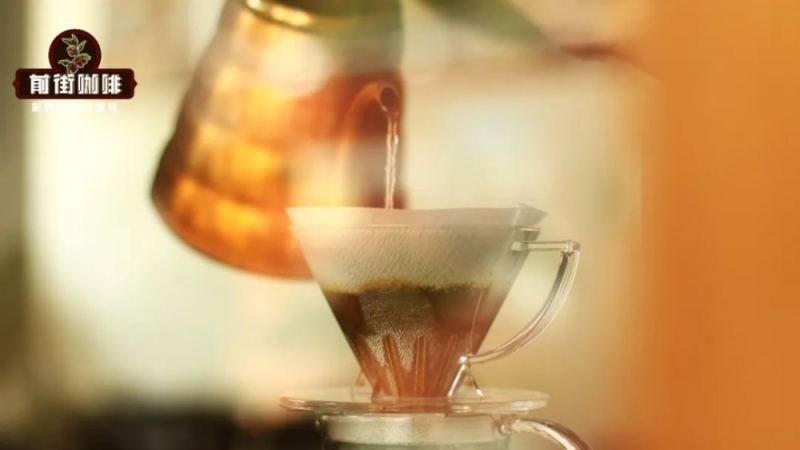
What happens when boiling coffee water replaces 92°C?
Brewing guides usually place the recommended water temperature between 86 and 93°C, and few people brew below 80°C or above 95°C. A test brewed the same coffees at their conventional temperature and with water brought to a boil, then compared concentration, aroma and mouthfeel to see what boiling water actually does.
The comparison used a medium-light roast Colombia Frontera Navel and a medium-dark roast Indonesia Mandheling, 15 g of coffee at a 1:15 ratio, an EK43s grind setting of 9.5, a Hario V60 and a three-pour method. The 93°C cup showed TDS 1.27 percent, with blackcurrant, blueberry and ripe hawthorn notes, while boiling water changed how acidity and bitterness were released.
Water temperature is a key variable in controlling the pace of coffee extraction. Most brewing guides set the recommended range at 86–93°C, and very few people dare to brew coffee with water below 80°C or above 95°C. So what happens if you bring water to a boil and brew with it directly? This time, Front Street Coffee selected a medium-light roast Colombia·Frontera Navel and a medium-dark roast Indonesia·Mandheling, brewing each with both a conventional temperature and boiling water for comparison, and assessed concentration, aroma, and mouthfeel one by one. The article not only provides two sets of measured data, but also explains how temperature affects the release of acidity and bitterness, as well as the suitable water temperature ranges for light and dark roasts respectively, helping you understand whether 92°C is really a hard standard that must be followed.
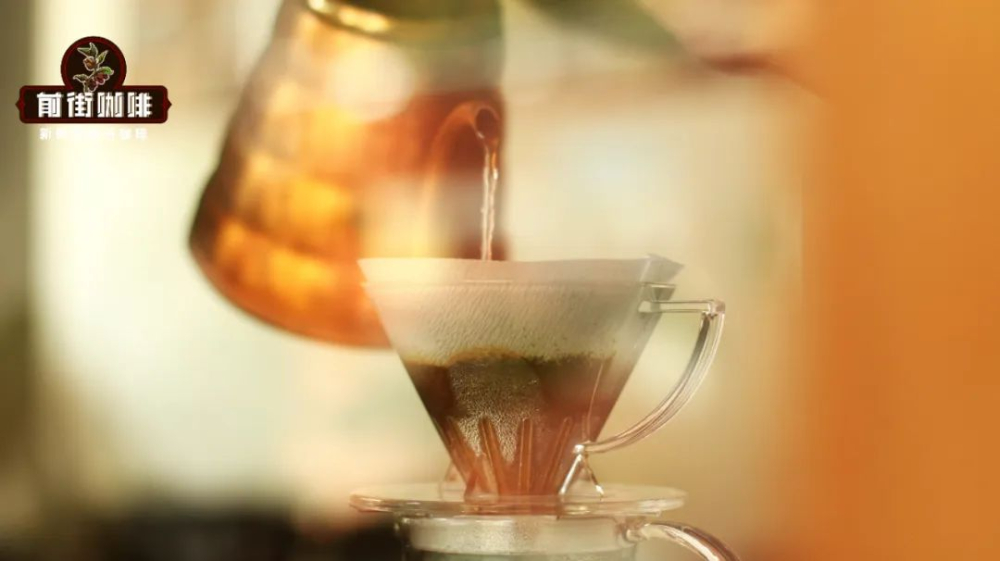
Water temperature is a key to controlling the speed of extraction, and it is the first thing many people new to pour-over coffee focus on. Looking through coffee tutorials on the market, the recommended temperature is basically locked within the relatively safe range of 86–93°C. Few people brew coffee with water below 80°C or above 95°C, because everyone knows that water temperature can help avoid the two extremes of over-extraction and under-extraction.
So if you brew coffee directly with boiling water, what will it ultimately taste like? Thinking about it is useless; you only know once you try it. Let's start brewing right away.
In this test, Front Street Coffee again arranged two comparison groups. With all other conditions locked down, each coffee was brewed with its corresponding conventional water temperature and with water brought to a boil, making four cups in total. As for the beans, Front Street Coffee chose two coffees with different roast levels: one dark roast on the rich, bitter path, and one light roast known for its fruity acidity.
Coffee beans: Colombia·Frontera Navel (medium-light roast) Dose: 15 g Coffee-to-water ratio: 1:15 Grind size: EK43s setting 9.5 Dripper: Hario V60
Pouring technique: three-pour method
93°C group: TDS 1.27% / measured coffee temperature 30°C
The cup brewed with the conventional water temperature had a quite full aroma, with both the refreshing quality of blackcurrant juice and the delicate texture of blueberry and ripe hawthorn. The aroma and flavors lingered long in the mouth, starting with acidity and then sweetness, with clear layers and a deep impression.
Boiling water group: TDS 1.53% / measured coffee temperature 31.5°C
Compared with the cup brewed at the conventional water temperature, the Frontera Navel brewed with boiling water greeted the palate with fruit aromas like passion fruit and black grape, while orange-like acidity surged forward in a more flamboyant way, though the fermented notes of ripe fruit and spice notes were weaker. Although the layers were not as rich as the previous group, the Navel brewed with boiling water still counted as a decent fruity-acidity coffee.
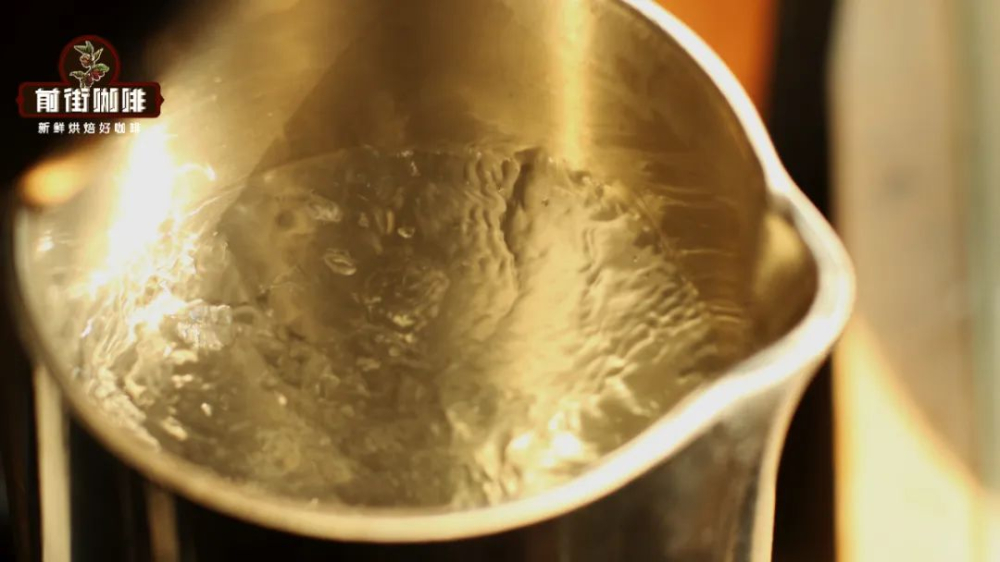
Next, Front Street Coffee used a dark roast bean for the second group of this round of boiling-water tests.
Coffee beans: Indonesia·Mandheling (medium-dark roast) Dose: 15 g Coffee-to-water ratio: 1:15 Grind size: EK43s setting 10.5 Dripper: KONO Pouring technique: three-pour method
88°C group: concentration 1.38%, measured coffee temperature 29.6°C
This cup of Mandheling showed aromas of chocolate and nuts, entered the mouth as smooth as cream, and at the same time brought a sweet aftertaste like pu'er tea. The mouthfeel was clean yet still full-bodied, and even after it cooled down, no unpleasant flavors appeared.
Boiling water group: concentration 1.56%, measured coffee temperature 32.8°C
Because the water temperature was much higher than that of the first conventional group, this cup of coffee smelled slightly smoky, and on the palate it was dominated by bitterness and off-flavors. After swallowing, the tongue surface was noticeably astringent, reminding Front Street Coffee of an unripe green plum. After the coffee cooled, the entire cup of Mandheling almost turned into a bowl of "Chinese herbal medicine soup," with the smell of burnt wood filling the whole mouth.
If we break down the various parameters of pour-over coffee and set aside brewing technique and flavor direction for the moment, focusing only on the effect of water temperature as a single variable on extraction yield, the answer is actually very straightforward: the higher the temperature, the faster substances dissolve; the lower the temperature, the longer dissolution takes. This also explains why, when you want to speed up extraction efficiency, you usually choose to raise the water temperature by 2–3°C to obtain more flavor substances in the same amount of time.
For light-roasted coffee, there are already more acidic components to begin with, and when the temperature is high, strongly acidic substances are more easily released, so it is generally recommended to use hot water at 91–93°C.
The darker the roast, the more the flavor substances in the coffee move in the direction of caramelization. The substances staying on the surface gradually become characteristics such as sweetness and mellow body, caramel aroma, smokiness, and richness—what we often call "coffee flavor"—while unpleasant flavors also emerge in the tail end of extraction. Therefore, in order not to let roast-derived bitterness dominate, it is more customary to extract with a lower water temperature, usually falling within the range of 86–88°C.
From the comparison test above, it can be seen that whether it is a dark-roasted coffee centered on richness and sweet aftertaste, or a light-roasted coffee focused on fruity acidity, 100°C boiling water is clearly not an ideal brewing temperature. After all, compared with the commonly used reference water temperatures, boiling water is at least 7°C higher and at most 14°C higher, so its extraction efficiency on coffee will naturally be much greater. In other words, it makes acidic coffee more likely to turn sour and bitter coffee more likely to turn bitter.
- END -
The above content is compiled by CoffeeHunters, a coffee news website.


