







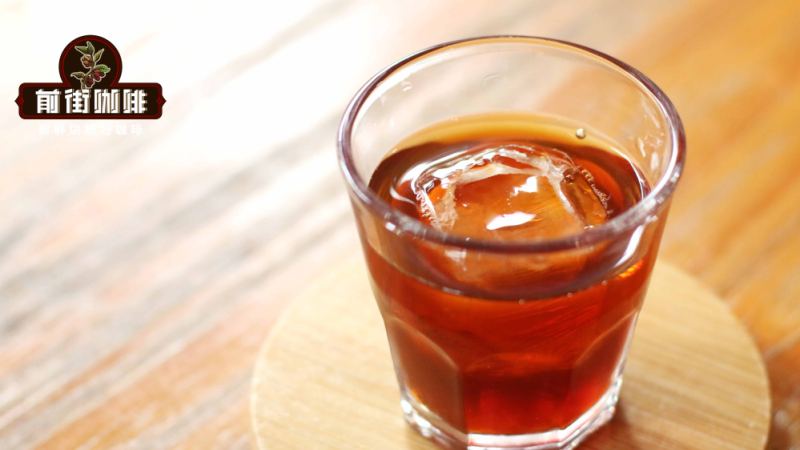
Does Cold Brew Coffee Steeping Time Change the Flavor?
Cold brew steeping time directly shapes the cup. Front Street Coffee compared four extractions at 4, 8, 12, and 24 hours, finding that longer is not automatically better. The standard method soaks grounds in cold water for more than 12 hours, then filters, with the coffee-to-water ratio held at 1:12.
A typical batch uses 50 grams of grounds, roughly ground finer than pour-over, with 400 milliliters of room-temperature water and 200 grams of hard ice, then 12 to 24 hours in the refrigerator. After filtering, chill the liquid about 4 hours more. The same base suits iced coffee, whose calorie count depends on what is added.
Cold brew coffee has rapidly gained popularity in the coffee world in recent years thanks to its unique flavor from low-temperature slow extraction. The method isn't complicated—just soak coffee grounds in cold water for more than 12 hours and then filter—but the steeping time directly affects the final flavor. This article uses four comparative experiments from Front Street Coffee to analyze in detail the flavor differences of cold brew at 4 hours, 8 hours, 12 hours, and 24 hours, and offers coffee bean recommendations suitable for cold brew, helping you find the steeping time that best suits your taste.
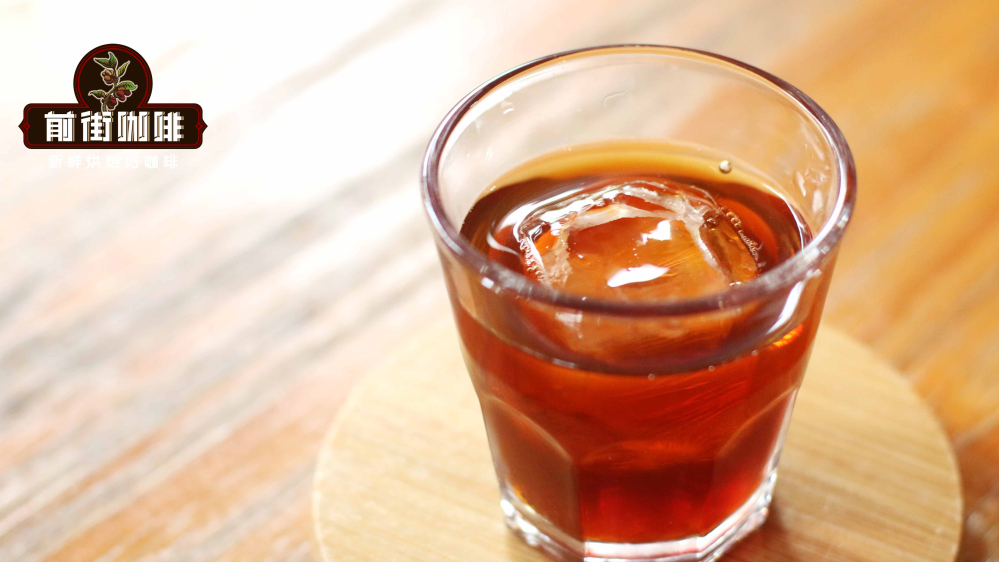
Cold Brew Coffee is a coffee-making method that has gradually emerged in recent years. Put simply, it involves soaking coffee grounds in cold water for more than 12 hours, completing extraction through a low-temperature environment, and then filtering. There are also more extreme approaches, such as soaking coffee in an ice-water mixture (this is the principle behind ice drip coffee, where ice cubes melt and drip one drop at a time onto the coffee grounds, a process that often lasts an entire day), and some even extend the extraction time to more than 48 hours in pursuit of the ultimate cold brew effect.
How to Make Cold Brew Coffee
In fact, cold brew coffee isn't complicated to make. Even at home, you can make delicious cold brew coffee following Front Street Coffee's method.
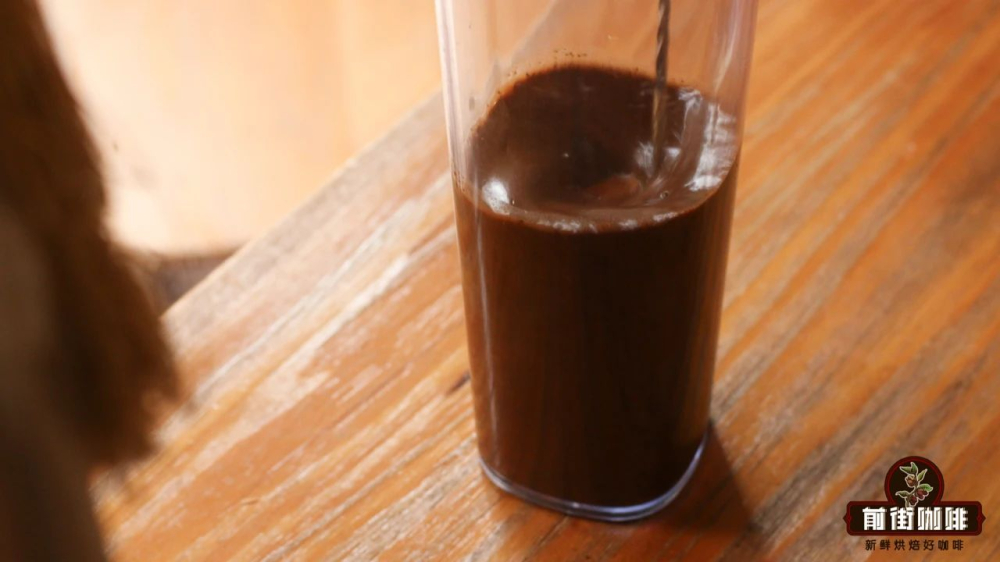
As for the container, a mineral water bottle or glass bottle will do—the key is to have a sealed lid. The coffee grounds should be ground slightly finer than for pour-over, roughly to a coarseness where 85% passes through a No. 20 sieve. Front Street Coffee usually uses 50 grams of coffee grounds as the baseline, placing the grounds into a glass bottle, then pouring in 400 milliliters of room-temperature water and 200 grams of hard ice cubes (if you don't have ice cubes, you can substitute cold water). The coffee-to-water ratio is controlled at 1:12. Then use a stirring rod to mix the coffee grounds and water thoroughly, seal, and place in the refrigerator.
After letting it sit in the refrigerator for 12 to 24 hours, filter out the coffee grounds with filter paper to obtain a clear coffee liquid, then pour it into a clean sealed bottle and continue refrigerating for about 4 hours. It will taste even better after that.
Is Longer Cold Brew Time Always Better?
Everyone knows that coffee concentration rises as extraction time increases. The longer the extraction time, the stronger the coffee's flavor, the higher the concentration, and the more pronounced the sensations of acidity, sweetness, and bitterness; the shorter the extraction time, the softer the flavor, the lower the concentration, and the less pronounced the acidity, sweetness, and bitterness. Front Street Coffee generally does not recommend steeping for more than 24 hours.
Of course, different steeping times produce different cold brew flavors. To this end, Front Street Coffee conducted a dedicated set of coffee steeping experiments, testing the flavor performance of coffee at different steeping durations for everyone's reference.
The boldest and most complex flavor belonged to the group with a 24-hour extraction time. Since the steeping time was the longest of the four groups, the extracted components were the most complete, and the water reached its highest saturation.
The 12-hour extraction also had rich layers. Although the complexity of the coffee liquid fell short of the 24-hour group, this group transitioned gradually from an acidic-sweet sensation at the entry to sweetness, with a nutty flavor in the finish. Because the extraction time was shorter than 24 hours, more lively fruit-flavor molecules were extracted, while relatively fewer inert molecules like nutty flavors were. In other words, its flavor layers transitioned distinctly from acidity, sweetness, bitterness, to a sweet finish, with clear layering.
The 8-hour extraction leaned toward a fresher, cleaner flavor, with fruit notes more prominent. However, due to the shorter extraction time, the flavor layering was not as rich as the two longer-extraction groups. What set this group apart was its overall balance—both the fruit and nutty flavors were relatively soft, and the finish presented a clear, sweet sucrose note.
The 4-hour extraction had the thinnest overall mouthfeel of the four groups, but ample aroma. This is because the shorter steeping time meant the aroma was not overly worn away during fermentation. This group also had the lowest extraction yield of the four. Its acidity leaned more toward citrus fruits, while nutty flavors were relatively weak.
From the above analysis, it's clear that cold brew coffee isn't necessarily better the longer it steeps—whether it tastes good is highly subjective. If you prefer a fresh, clean coffee, you can add more water when steeping to make a larger cold brew ratio; if you like a bolder coffee with a fermented feel, you can reduce the water amount, or choose coffee beans that naturally carry fruity fermented flavors to make the cold brew more complex.
What Coffee Beans Are Suitable for Cold Brew?
To avoid unpleasant bitterness in the coffee, it's recommended to choose light-roast coffee beans for cold brew. These coffees typically display a pleasant acidity and are less prone to bitterness, making them very suitable for summer iced drinks.
For specific coffee beans, Front Street Coffee can offer some recommendations. If you want to try a fresher feel, you can choose Front Street Coffee. Washed Yirgacheffe, Front Street Coffee. Kenya Little Tomato, Front Street Coffee. Sun-Dried Huakui; if you want a cold brew full of juicy, sweet sensations, you can choose Front Street Coffee. Mozart, Front Street Coffee. Strawberry Candy.
If you don't like coffee with acidity and only prefer a balanced "coffee taste," you can choose Papua New Guinea Paradise Bird or Costa Rica Tarrazu.
The above content is compiled by CoffeeHunters, a coffee news website.


