







Search Results for: Solubles

How should espresso be tasted? Breaking down the flavor code of Italian coffee, from crema and coffee oils to solubles
Many people, when first encountering espresso, wonder: what exactly is in this bitter little cup? In fact, the pleasure of espresso lies in its structure—the crema on top, the coffee oils clinging to it, and the soluble substances in the coffee beans together create a rich, layered experience. Starting from the extraction practices at Front Street Coffee, this article breaks down the three major components of espresso and introduces the recipe, roasting curve, and extraction parameters of the Warm Sun blend, before offering tasting suggestions such as stirring and cooling, to help coffee lovers truly understand this cup of Italian coffee. [more…]

Can Drip Bag Coffee Be Reused for Multiple Brews? Analyzing the Fundamental Differences Between Coffee and Tea Through the Dissolution Characteristics of Chlorogenic Acid
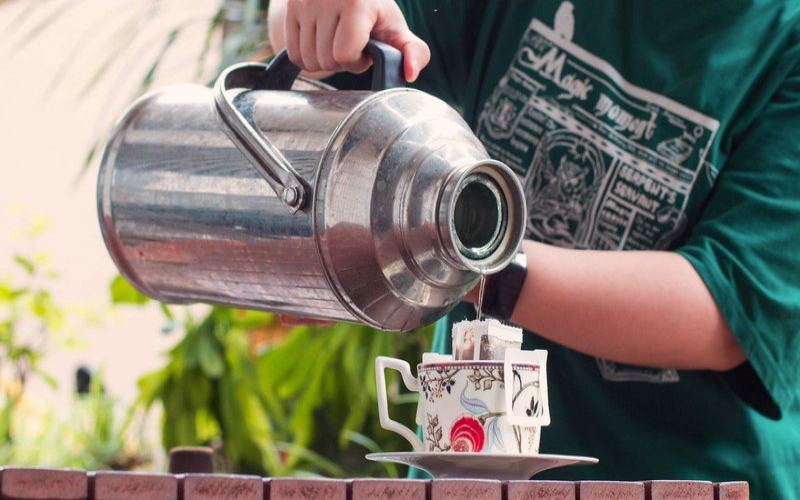
Drip bag coffee, with its convenience and high cost-performance ratio, is attracting more and more people with no coffee-making experience to give it a try. Front Street Coffee's Fruit Dding Ding, Huakui, and Yirgacheffe suit those who prefer floral and acidic notes, while Mandheling, Huilan, and Blue Mountain are better suited to those who pursue a rich, full-bodied taste. However, beginners often run into all kinds of questions in practice, and one frequently mentioned topic is: how many times can a single drip bag actually be brewed? This article will focus on the release patterns of coffee solubles, with emphasis on explaining the role chlorogenic acid plays in extraction, clarifying why coffee, unlike tea leaves, cannot be brewed repeatedly, and why re-extraction after a normal brew is not recommended, helping enthusiasts build a clearer understanding of extraction. [more…]
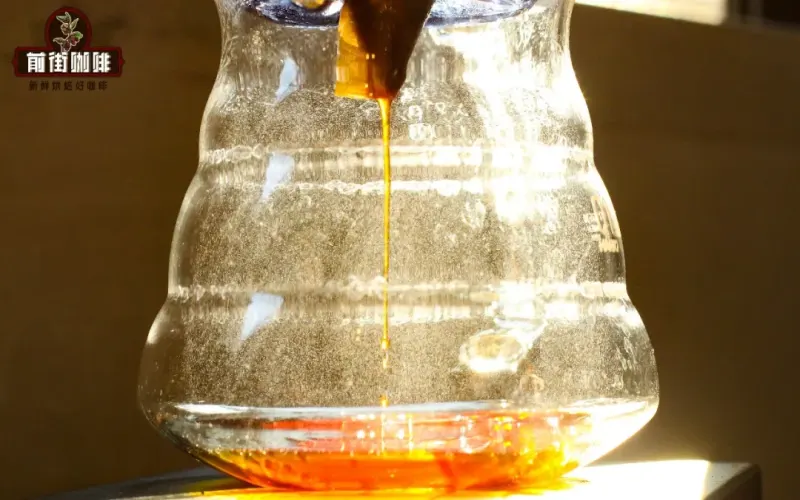
Judging Espresso Extraction by Color Observation: Is It Reliable? Tips for Identifying Under-Extraction and Over-Extraction
During coffee extraction, many enthusiasts try to judge the extraction state by observing changes in the color of the coffee liquid—the so-called "reading the color" method. Does this method have any scientific basis? Can it accurately distinguish between under-extraction and over-extraction? Front Street Coffee, based on practical testing, found that the color of the coffee liquid does indeed become lighter as extraction progresses, because the acidic and sweet substances among the solubles have smaller molecules and dissolve more quickly, while the bitter substances have larger molecules and dissolve more slowly. Once the acidic and sweet substances have largely dissolved, the bitter substances are still being released, and the coffee liquid begins to take on a whitish hue, which is usually regarded as a signal of approaching over-extraction. However, this method is greatly affected by factors such as flow rate and roast level, and is only suitable as an emergency reference; stable output still needs to rely on measuring tools such as an electronic scale. [more…]
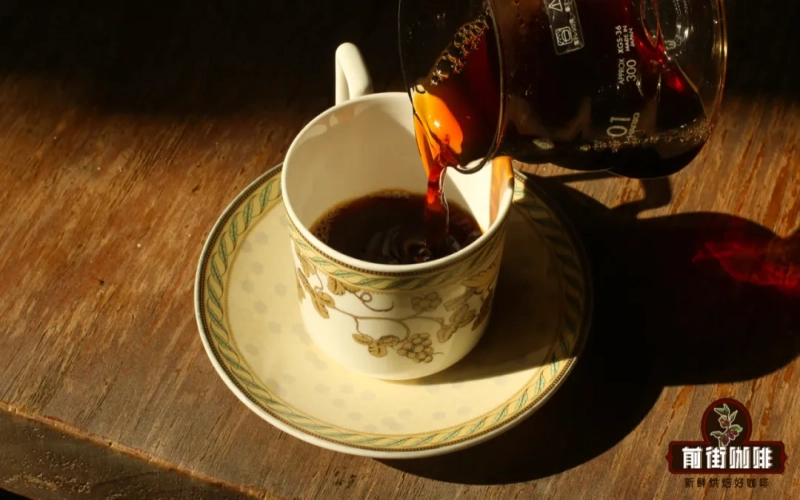
Dark Roast Pour-Over Coffee Complete Guide: High Concentration, Low Extraction Techniques to Enhance Rich Sweetness and Sweet Aftertaste
The charm of dark roast coffee lies in its rich aroma, smooth and full-bodied taste, and long-lasting sweet aftertaste, but avoiding over-extraction while preserving these qualities is no easy task. Drawing on Front Street's practical experience, this article explains how to suppress bitterness and enhance sweetness by adjusting filter materials, controlling extraction parameters, and applying a "high concentration, low extraction" strategy. It shares in detail a brewing example using Golden Mandheling beans and non-woven filter paper, including key parameters such as the coffee-to-water ratio, water temperature, and grind size, as well as the specific steps for three-stage pouring. By following along, you too can brew a cup of dark roast coffee with a captivating aroma and a pronounced sweetness at home. [more…]
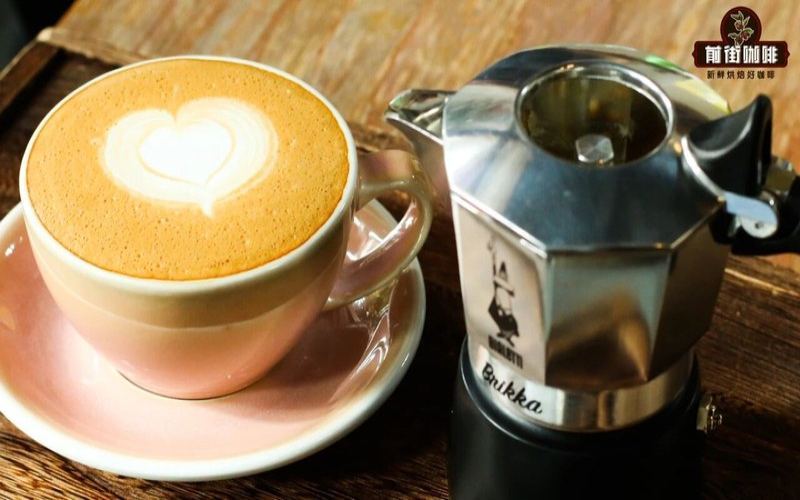
For a fuller foam in your moka pot, pair the roast level like this
The coffee liquid brewed from a Bialetti moka pot has light-colored foam on the surface and a noticeably oily, smooth mouthfeel when sipped. The key lies not only in the pot itself—the roast level of the coffee beans matters just as much. Light, medium, and dark roasts differ in moisture content, internal structure, and the rate at which soluble compounds are released. Put them in the same pot, and the foam condition and aroma intensity [more…]

Choosing beans for a moka pot by roast level: where does the crema come from?
Coffee brewed with a moka pot often has a thin layer of fine bubbles floating on its surface, and when sipped it may present an oily, thick, or smooth texture. If you want this quality to be more pronounced, roast level is a clue worth observing first. It affects the beans' solubles, aroma direction, and flow rate, and also determines whether a cup of coffee leans brighter, or more [more…]
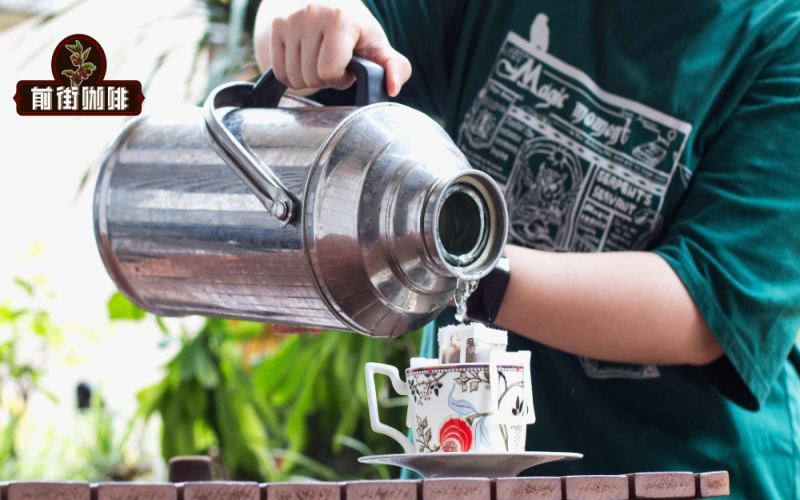
Drip Bag Coffee Brewing: How Many Times Can You Reuse It? Correct Usage and Buying Guide for Blue Mountain, Brazil, Mandheling, and More
Drip bag coffee, with its portability and high cost-effectiveness, is attracting more and more beginners to give it a try. But brewing often brings up a common question: how many times can it actually be brewed? This article starts from the characteristics of coffee solubles and chlorogenic acid, explaining why drip bags are usually recommended for only one brew, and also offers selection suggestions for drip bag flavors such as Front Street Coffee's Huakui, Yirgacheffe, Mandheling, Brazil Cerrado, and Jamaica Blue Mountain, helping enthusiasts avoid under-extraction and off-flavors so they can enjoy a balanced cup of good coffee. [more…]

How to choose coffee beans with strong sweetness: pick flavors by roast level
To drink coffee with a more pronounced sweetness, roast level is a very practical starting point. Light roasts lean toward fruity, floral, and honeyed notes; medium roasts commonly show caramel, nutty, and ripe-fruit sweetness; medium-dark roasts are more like dark chocolate, roasted nuts, or syrup. Sweetness doesn't mean there's no acidity—rather, it's what lingers in the mouth both as you sip and after you swallow. [more…]

Coffee beans come in different roast levels—which should beginners start with?
The roast level of coffee beans determines what you're more likely to taste on the first sip: a light roast preserves more of the origin's character, often with bright acidity and fresh aromas; a medium roast brings sweetness, acidity, and body into a more balanced position; a dark roast develops cocoa, nutty, and roasted notes. If you're new to coffee, you can start with this clue [more…]
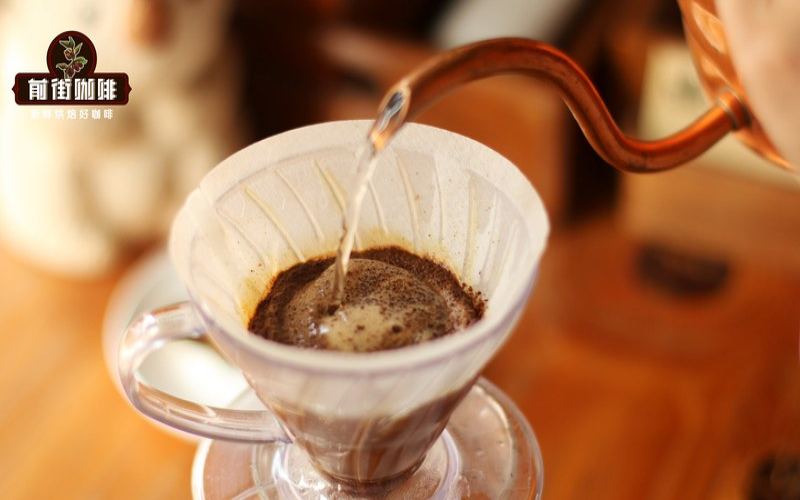
How to Choose SOE Espresso Beans by Roast Level
SOE is short for Single Origin Espresso, referring to espresso made from coffee beans of a single origin or estate. Its difference from common blends lies not merely in the origin label, but in how it brings the character of a particular region, variety, or processing method into a short, highly concentrated extraction. [more…]
Choosing Espresso Beans by Roast Level: From Bright Fruit to Rich Cocoa
For espresso beans, you don't have to focus only on the region or the flavor words on the packaging—the roast level often determines the taste more directly. Light roasts tend to preserve fruity notes and lively acidity, medium roasts bring sweetness, aroma, and body into a more balanced position, while dark roasts lean closer to cocoa, nutty, and roasted notes. Based on how you usually drink it strong [more…]

Should you choose a dark roast or medium-dark roast for espresso beans? Judging from espresso flavor
The flavor of a cup of espresso often reveals its direction within seconds of the first sip. Whether you prefer nuts, cocoa, and caramel, or lean toward brighter acidity and fruity notes, this is closely tied to the roast level of the beans. For most home espresso machines, both medium-dark and dark roasts can be everyday choices—the difference lies in how they present their flavors. [more…]

Everyday Italian-style go-to beans: light, medium, or dark roast—how to choose for daily use
The roast level of espresso beans directly affects the aroma, acidity, body, and how well the espresso gets along with milk. Light roasts tend to preserve fruity notes and brightness, medium roasts strike a balance between sweetness, richness, and clarity, while dark roasts push the flavor toward cocoa, nuts, and roasted notes. Which one to drink every day can be decided by [more…]
Bialetti Moka Pot: Brewing Rich Crema by Roast Level
Coffee brewed in a Bialetti moka pot shows a thin sheen of oil on the surface, and when you sip it you can get a thickness close to espresso, but it will not form the kind of stable crema that an espresso machine produces. If you want this oily mouthfeel to be more pronounced, choosing the right beans is more effective than simply increasing the heat, as the roast level directly affects the coffee's oil content and expansion. [more…]
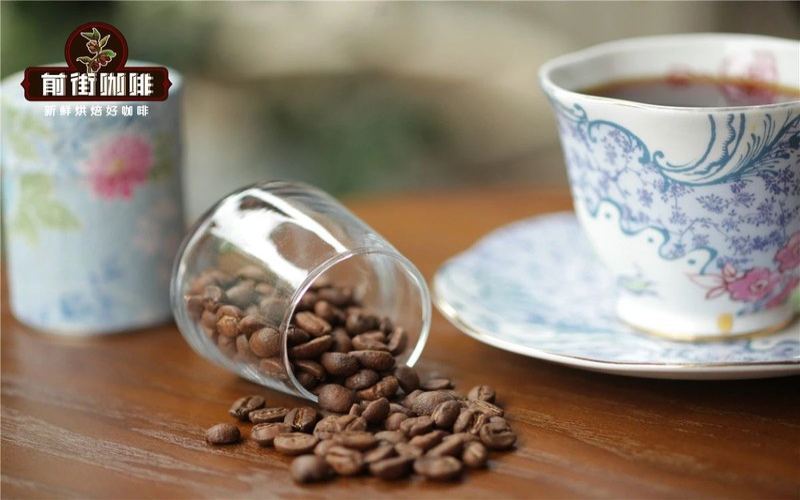
The Roasting Code of Sweet Americano: From Bright Light to Mellow Depth
Even with black coffee, the roast level of the beans pushes sweetness in different directions. A light roast is more like fresh fruit, bright and lively on the palate, suited to those who enjoy a crisp taste; a medium roast brings out syrupy, ripe-fruit and tea notes, rounder overall; a medium-dark roast relies on cocoa, nut and caramel-like aromas to build body. To make a sweet americano, you can [more…]
Roast Depth Sets the Direction: How to Choose Between Espresso Blends and SOE
When comparing espresso blends and SOE side by side, looking at the roast level first gives you a better handle on things. When beans are roasted light, the floral and fruity notes from the origin and variety come through more vividly; as the roast moves toward medium-dark, nutty, cocoa, and caramel notes along with a fuller body gradually take over. Blends often combine the characteristics of different beans, while SOE concentrates [more…]
A Detailed Guide to Coffee Extraction Imbalance: Causes, Identification Methods, and Specific Flavor Impacts of Over-Extraction and Under-Extraction
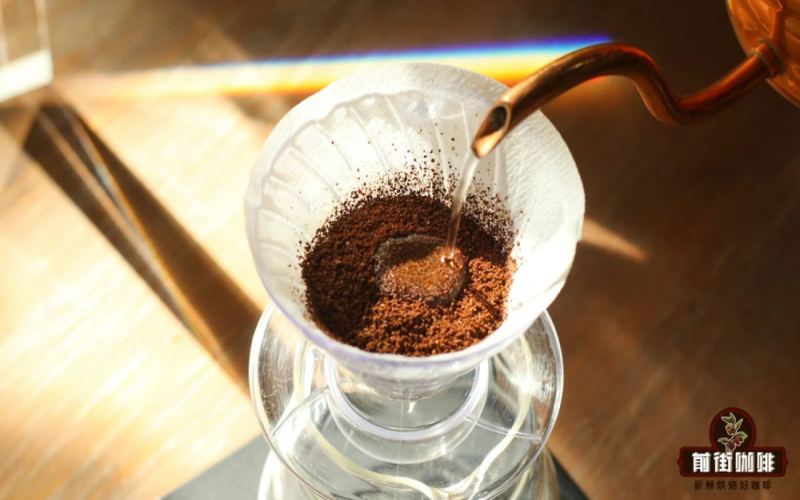
Extraction is the core process behind coffee flavor. Not all soluble compounds in coffee beans are pleasant, and the degree of extraction directly determines what ends up in the cup. Over-extraction releases too many large-molecule substances, bringing bitterness, astringency, and off-flavors; common causes include excessively long contact time, water temperature that is too high, or grinding that is too fine. Under-extraction, by contrast, occurs because flavor compounds are not dissolved sufficiently, resulting in a thin body, prominent bitterness, and imbalance; it is mostly associated with grinding that is too coarse, water temperature that is too low, or a brew ratio that is too high. This article systematically sorts out the definitions, causes, and diagnostic methods for both, and, in combination with specific products under Front Street Coffee such as Mandheling, Queen Estate, Blue Mountain, Huakui, Green Label Geisha, and Kenya Little Tomato, explains reasonable brewing parameters for medium-dark and medium-light roasted beans to help enthusiasts adjust extraction precisely. [more…]
How Do Over-Extraction and Under-Extraction Change Coffee Flavor? A Detailed Explanation of the Effects of Pour-Over Grind Size and Coffee-to-Water Ratio
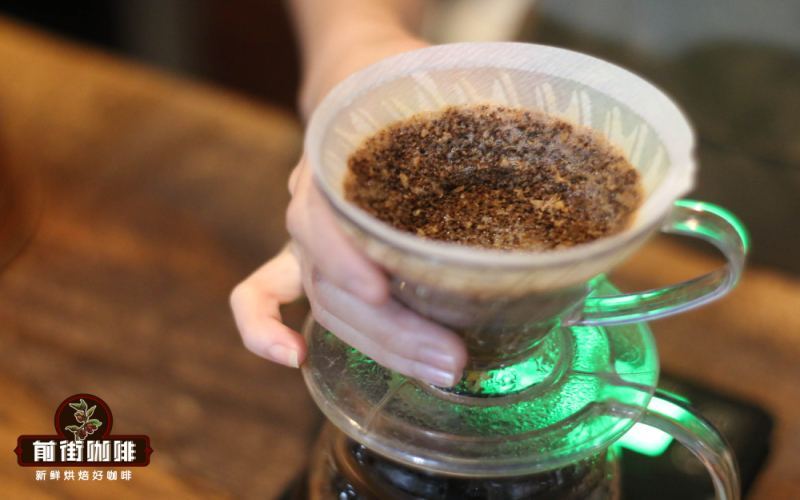
The key to a delicious cup of coffee lies in precisely controlling the extraction rate. About 30% of the soluble flavor compounds in coffee beans are extractable, but only 18% to 22% of them are truly pleasant. Over-extraction lets bitterness mask the acidity and sweetness, while under-extraction leaves the cup thin and noticeably watery. The core variables affecting extraction include grind size, water temperature, and pouring technique. This article systematically analyzes the causes and signs of over-extraction and under-extraction, and, drawing on Front Street Coffee's roasting and brewing experience, offers grind-size and water-temperature recommendations for coffee beans of different roast levels, helping coffee lovers consistently reproduce their ideal flavor. [more…]
Analyzing the Flavor Characteristics of Geisha Coffee Beans: From Variety Origins to Panamanian Legend and Brewing Tasting
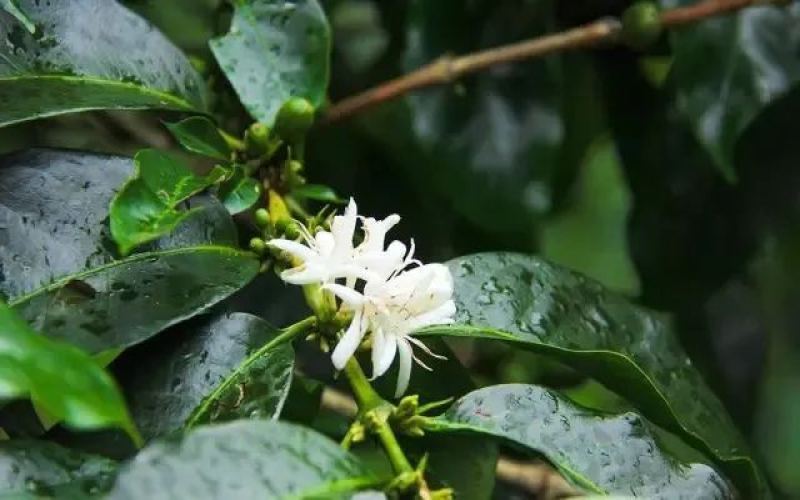
Geisha is one of the most celebrated varieties in today's specialty coffee world, overturning the stereotype that coffee can only taste bitter with its rich floral aromatics, bright citrus acidity, and honeyed sweetness. This article begins with the variety's origins, tracing its legendary journey from the forests of Ethiopia to Hacienda La Esmeralda in Panama, and its breakthrough victory at the 2004 BOP competition, while analyzing how Panama's terroir shapes its soaring aromatics and complex layers. The article also introduces the flavor profile of Front Street Coffee's Hacienda La Esmeralda Green Label Geisha, along with the recipe and brewing suggestions for Front Street Coffee's Butterfly, a high-value Geisha blend, helping coffee lovers experience Panama Geisha's distinctive citrus-honey notes and elegant florals in a more accessible way. [more…]

Brewing Golden Mandheling with a French Press: Easily Make a Gold Cup-level Hand-ground Black Coffee at Home
To easily enjoy a good cup of coffee at home, a French press is a simple and practical choice. It doesn’t require complicated equipment, nor does it demand precise pouring techniques; as long as you get the coffee dose, water temperature, and steeping time right, you can brew a black coffee with a rounded, notably sweet flavor. This article begins with the French press’s origins and improvements, explains why it suits medium-dark roasted beans, recommends Front Street Coffee PWN Golden Mandheling, and then breaks down the brewing process and cleaning points step by step, so you can get a rich cup that aligns with the Golden Cup concept in the most effortless way. [more…]